I was standing in a cramped airport lounge in Nairobi, the hum of distant conversations mixing with the scent of spiced tea, when I realized my suitcase was a battlefield of mismatched jackets, half‑worn shirts, and a pair of shoes that had seen better diplomatic missions. In that moment I asked myself why a capsule wardrobe—the promise of simplicity I’d read about in a London boutique—felt so foreign on my shoulders. The answer, I discovered, was that I’d been trying to pack the world, not the stories it carries.
What if you could trade that chaos for a curated collection that travels as lightly as a vintage globe in your study? In the next few minutes I’ll walk you through a no‑hype, step‑by‑step blueprint: how to audit your current closet, pick ten versatile pieces that echo the cultures you love, and stitch together outfits that feel both diplomatic and personal. You’ll learn the art of seasonal swaps, the secret of neutral anchors, and a quick packing ritual that lets you arrive anywhere—from a tea house in Delhi to a rooftop bar in Reykjavik—feeling ready to engage, not to unpack.
Table of Contents
- Project Overview
- Step-by-Step Instructions
- Weaving Worlds How a Capsule Wardrobe Shapes Global Stories
- Mapping Minimalist Wardrobe Checklist for Seasonal Journeys
- Sustainable Fabrics Budget Friendly Finds for Winter Adventures
- Five Thoughtful Tips to Curate Your Capsule Wardrobe
- Key Takeaways
- Threads of Simplicity
- Closing the Loop: Your Capsule as a Bridge Across Cultures
- Frequently Asked Questions
Project Overview
Total Time: 3-5 hours
Estimated Cost: $200 – $500
Difficulty Level: Intermediate
Tools Required
- Measuring Tape ((for taking body measurements))
- Sewing Machine ((optional, for minor alterations))
- Fabric Scissors
- Tailor’s Chalk (for marking fabric)
- Sewing Pins
- Iron (for pressing garments)
- Steamer (optional, for wrinkle removal)
Supplies & Materials
- Basic Tops (e.g., t‑shirts, blouses) (neutral colors)
- Bottoms (e.g., jeans, trousers, skirts) (versatile fits)
- Layering Pieces (e.g., cardigan, blazer)
- Dress (or two) (suitable for multiple occasions)
- Shoes (e.g., sneakers, flats, boots) (neutral palette)
- Accessories (e.g., scarves, belts) (minimalist styles)
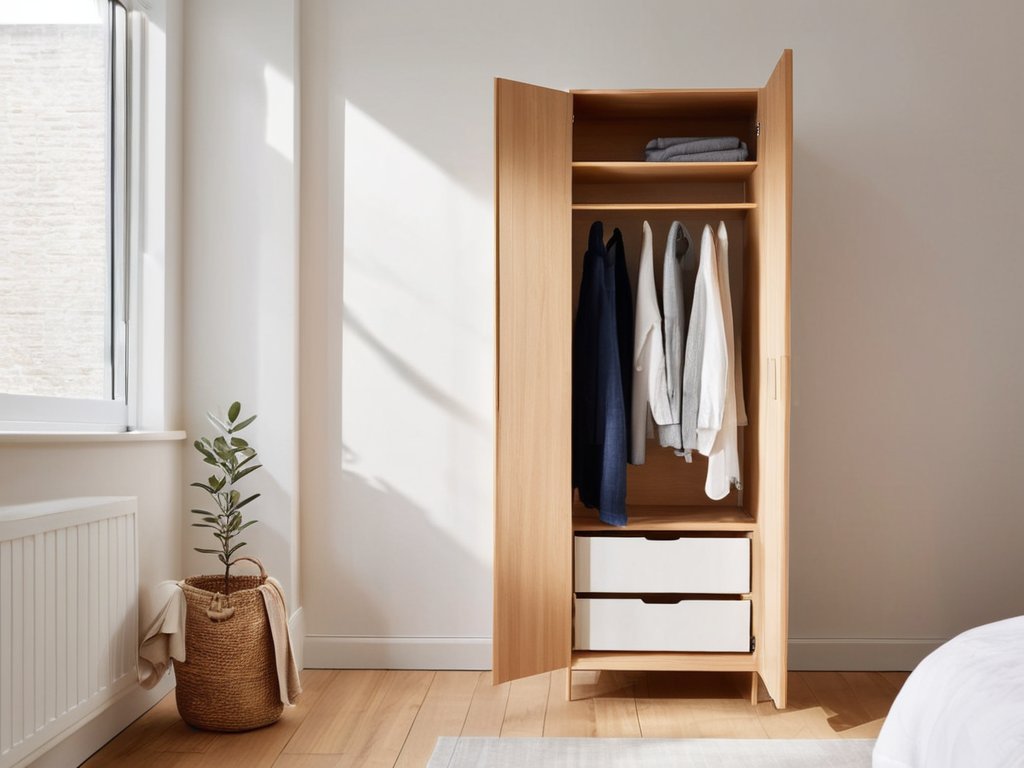
- Hangers (non‑slip, uniform)
- Storage Bins or Boxes (for seasonal items)
- Closet Organizer System (optional, for maximizing space)
Step-by-Step Instructions
- 1. Start with a cultural audit – I pull out my travel journals and vintage globes, then ask myself: Which regions have shaped my worldview lately? By listing the colors, fabrics, and silhouettes that echo those places, I create a mental map that will guide the pieces I keep, ensuring every garment feels like a passport stamp rather than a random item.
- 2. Define the core palette – I choose three neutrals that can converse with each other—think a deep indigo reminiscent of the Ganges at dusk, a warm sand echoing the Sahara, and a crisp ivory like the Himalayan snow. These tones become the foundation, allowing every accent piece to speak without clashing.
- 3. Select versatile staples – I pick items that can transition from a diplomatic briefing in London to a bustling market in Kathmandu. A tailored blazer, a well‑cut pair of chinos, a breathable linen shirt, and a modest maxi dress become the multipurpose heroes of the capsule, each capable of being dressed up or down with a simple accessory swap.
- 4. Incorporate one statement piece per season – Whether it’s a hand‑woven shawl from Kashmir or a sustainably sourced leather jacket from Patagonia, I let one bold element anchor the wardrobe. This piece tells a story, invites conversation, and reminds me of the people behind the fabric.
- 5. Curate accessories mindfully – I limit myself to a handful of jewelry, scarves, and bags that reflect my travels—perhaps a silver bangle from Ghana or a recycled canvas tote from a coastal cleanup. By keeping the accessories purposeful, they become the connective tissue that ties the entire capsule together.
- 6. Audit and rotate quarterly – Every three months I revisit my closet, laying each item on the floor beside my globe collection. If a piece no longer resonates with my current journey, I donate it to a local charity and replace it with something that aligns with the next chapter of my global story.
Weaving Worlds How a Capsule Wardrobe Shapes Global Stories
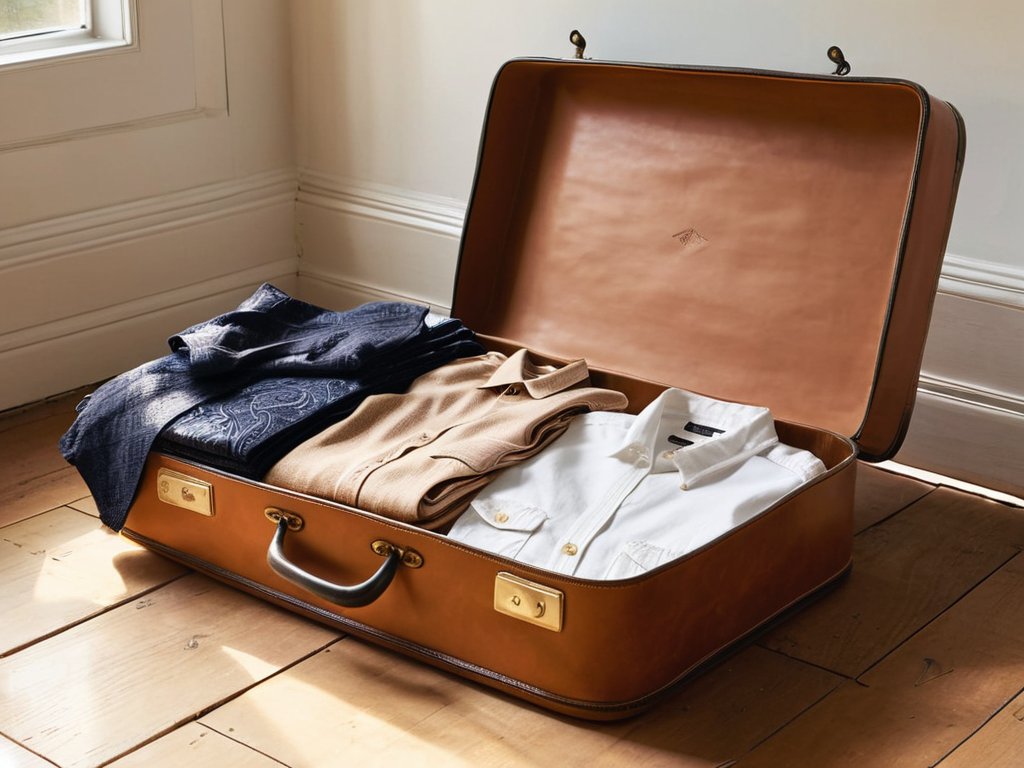
Every time I zip my suitcase, I think of the stories hidden in the seams of the pieces I’ve chosen. When you consider capsule wardrobe for travel, the goal isn’t just to shave weight, but to let each garment become a passport to a new conversation—whether it’s a shawl from Morocco or an Oxford shirt that reminded me of a parliamentary debate in London. The secret to how to build a capsule wardrobe that feels alive is to start with a minimalist wardrobe checklist, then sprinkle in one or two items that carry a personal narrative.
Winter’s chill offers an excuse to experiment with capsule wardrobe essentials for winter that are both warm and story‑rich. Think of an alpaca sweater paired with a trench—pieces that whisper of sustainable fabrics for capsule collections while keeping you snug on a snow‑covered train to Vienna. Planning your seasonal rotation around climate and culture helps you stay within a budget‑friendly capsule wardrobe, because you’re buying less, but each purchase carries a purpose. An audit of your core items each season ensures the closet remains a living archive rather than a static museum.
Mapping Minimalist Wardrobe Checklist for Seasonal Journeys
When I set out for a three‑month stint in the highlands of Peru, I didn’t pack a wardrobe; I mapped a story. I started with a single, responsibly‑sourced merino sweater—its soft, neutral hue mirrors the stone walls of Machu Picchu and layers easily under a wind‑proof jacket for the dry season. Next, two versatile trousers: a lightweight linen pair for the sun‑kissed valleys and a sleek, dark‑woven pant that doubles as evening wear in the bustling markets of Cusco. I added one silk scarf, hand‑dyed by a local artisan, that can become a headwrap, a belt, or a modesty veil, depending on the cultural context. Finally, a pair of sturdy, leather‑capped boots that have already traveled the cobblestones of Lisbon and will soon tread the Andean trails. This concise checklist becomes my passport, letting each piece whisper the season’s tale while keeping my luggage light enough for spontaneous detours.
Sustainable Fabrics Budget Friendly Finds for Winter Adventures
When I trekked the snow‑kissed streets of Tallinn last winter, I discovered that a warm layer doesn’t have to cost a small fortune—or the planet. I fell in love with Icelandic lopi—a hand‑spun, 100 % merino wool that’s both featherlight and fire‑proof against the Baltic chill. Because it’s produced in family cooperatives, each piece carries a story of coastal villages, and the price stays modest when you buy directly from a local online market. Back home, I pair that heritage sweater with a recycled‑polyester puffer sourced from a Dutch startup that upcycles ocean‑bound plastic bottles into sleek, water‑resistant shells. The result is a capsule that feels like a passport: sustainable, budget‑friendly, and ready for any winter adventure—whether you’re navigating a bustling market in Marrakech’s Atlas Mountains or sipping tea in a Himalayan teahouse.
Five Thoughtful Tips to Curate Your Capsule Wardrobe
- Start with a colour palette that mirrors the landscapes you love – a deep indigo for monsoon skies, a warm ochre for desert sunsets, and a neutral base that ties them together.
- Choose versatile pieces that transition from city meetings to remote villages; a well‑cut blazer, a breathable linen shirt, and a sturdy pair of ankle boots can carry you across continents.
- Invest in natural, sustainably sourced fabrics – organic cotton, Tencel, and recycled wool – so your wardrobe respects the ecosystems you explore.
- Limit the total number of items per season (e.g., 25 pieces) and revisit the list after each trip; let souvenirs replace duplicates, keeping the capsule fresh and personal.
- Create a simple “mix‑and‑match” chart on a vintage globe‑inspired notebook, noting which tops pair with which bottoms, so dressing becomes a quick, mindful ritual rather than a daily puzzle.
Key Takeaways
A thoughtfully curated capsule wardrobe becomes a portable cultural archive, letting each piece tell a story from a different corner of the world.
Choosing sustainable, versatile fabrics not only reduces environmental impact but also ensures comfort and style across diverse climates and travel itineraries.
A seasonal checklist anchored in core essentials simplifies packing, cuts waste, and frees mental space for deeper engagement with the places you visit.
Threads of Simplicity
A capsule wardrobe is less a list of garments and more a passport – each piece becomes a quiet ambassador, carrying the stories of distant looms, the ethics of mindful production, and the freedom to wander without excess.
Alexandra Thompson
Closing the Loop: Your Capsule as a Bridge Across Cultures
I’ve come to realize that a well‑curated capsule wardrobe is less about restriction and more about intention. By distilling our closets to versatile pieces that speak to the climate of our journeys—whether it’s a snow‑capped Himalayan trek or a sun‑drenched market in Marrakech—we free mental bandwidth for the stories that matter. The seasonal checklist we mapped out lets us swap textures without swapping identity, while the focus on sustainable fabrics and budget‑friendly finds proved that ethical choices can travel hand‑in‑hand with style. In short, the guide shows how a compact closet can become a passport to clarity, comfort, and cultural curiosity.
As I pack my vintage globe beside a new pair of recycled denim, I feel the thrill of turning every wardrobe decision into a dialogue with global world. Imagine stepping off a train in Lisbon with a scarf that once draped a Kathmandu market stall, or slipping on boots that were sourced from a cooperative in Peru—each stitch carries a whisper of place and purpose. When we let our clothing echo the rhythms of distant streets, we not only lighten our luggage but also amplify the voices of the artisans behind them. So I invite you to treat your next capsule as a manuscript: edit, travel, and rewrite it with every border you cross, knowing that simplicity can be resonant form of cultural exchange.
Frequently Asked Questions
How do I choose versatile pieces for a capsule wardrobe that work across different climates and cultures?
I start by asking: which fabrics breathe in a Delhi summer yet keep me warm on a London fog? A neutral‑coloured, mid‑weight linen‑cotton blend works as a shirt, a light dress, or a scarf. Pair it with a structured, dark‑blue wool blazer that can be layered over a tee for a market stroll in Marrakech or slipped on a train to Tokyo. Think pieces that shift from modest to casual with a simple accessory swap.
What’s the most efficient way to transition my capsule wardrobe between seasons without constantly buying new items?
I’ve found the trick is to treat my capsule as a puzzle, swapping out the fabric‑heavy pieces while keeping the silhouettes. I keep a core of basics—a crisp shirt, sturdy trousers, a neutral blazer—and rotate in lightweight knits for spring or wool layers for winter. A few accessories—scarves, belts, shoes—flip the mood without a purchase. When the weather shifts, I store the heavier items in labeled box and pull out lighter swaps, letting the wardrobe breathe.
Can I build a sustainable, stylish capsule wardrobe on a tight budget while still supporting ethical brands?
I’ve learned that a capsule wardrobe doesn’t have to be a luxury. Start by mapping out the core pieces you need—neutral tops, versatile trousers, a coat—and hunt for them in thrift stores or ethical brands. Mix second‑hand finds with one or two responsibly made staples; the contrast adds character. Swap, borrow, or rent when a special piece is required, and mend what you own. In this way style, sustainability and a modest budget can travel together.