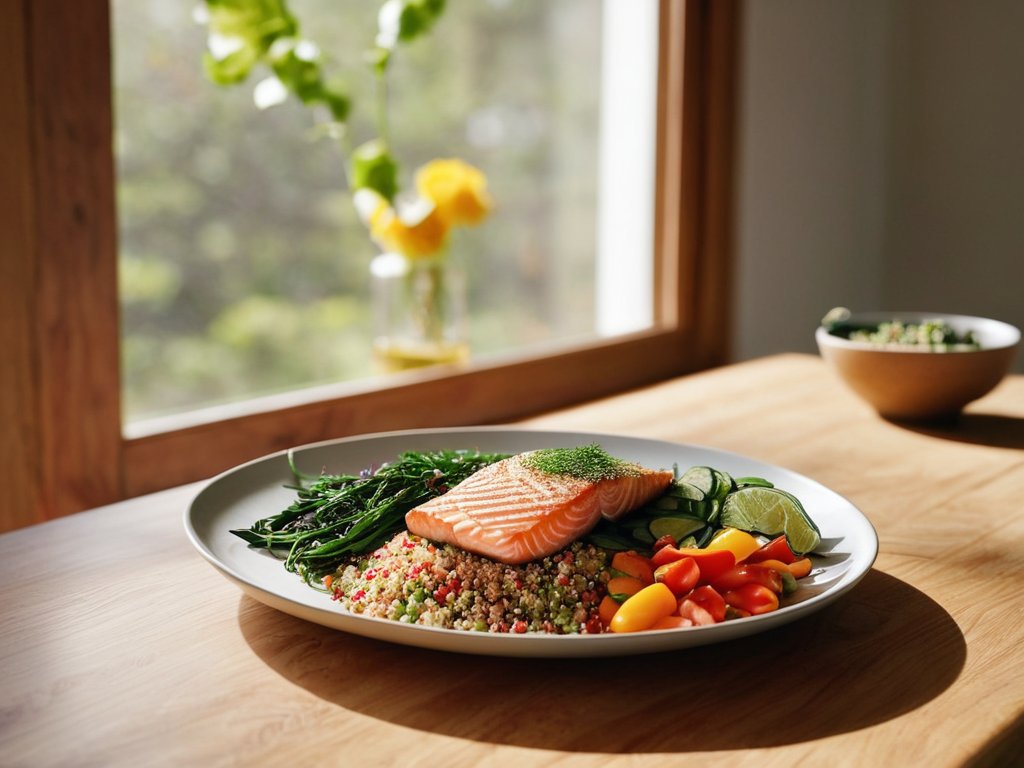
I was crouched beside a weather‑worn stall in the souk of Marrakech, the air already humming with the scent of cumin and orange blossom, when a vendor tossed a handful of bright, emerald parsley into my palm and whispered, “This will change your broth forever.” In that instant I realized the myth that fresh herbs are merely garnish—they’re the secret architects of flavor—and that the real magic lies in how we fold them into a dish. From that moment on, I’ve chased the quiet power of fresh herbs in cooking, discovering that a simple pinch can turn a humble lentil stew into a story that stretches from the Atlas to my kitchen in London.
In the next few minutes I’ll hand you the exact, no‑fluff techniques I gathered on that spice‑laden street: how to choose the right herb at the market, the precise moment to add it so the aroma survives the heat, storage tricks that keep your basil from wilting, and a handful of quick pairings that will make your everyday meals feel like a passport stamp. By the end, you’ll be confident enough to let cilantro, thyme, and rosemary lead the conversation at your dinner table, just as they have in the kitchens of the world’s most vibrant streets.
Table of Contents
Project Overview

Total Time: 1-2 hours
Estimated Cost: $20-$40
Difficulty Level: Beginner
Tools Required
- Chef’s knife – for chopping herbs finely
- Cutting board – provides a stable surface
- Small kitchen shears – handy for snipping delicate leaves
- Mixing bowl – to combine herbs with other ingredients
- Microplane grater – optional for zesting citrus
Supplies & Materials
- Fresh basil – 1 bunch
- Fresh parsley – 1 bunch
- Fresh cilantro – 1 bunch
- Olive oil – 2 Tbsp
- Lemon – 1 (for juice and zest)
Step-by-Step Instructions
- 1. Gather a modest selection of fresh herbs – I start by visiting my local farmer’s market at dawn, when the stalls still glisten with dew. Look for leaves that are bright, unblemished, and still holding a hint of their natural scent. I usually pick a handful of basil, a sprig of rosemary, and a few cilantro stems, because each brings a distinct personality to the dish I’m planning.
- 2. Rinse gently and pat dry – Once home, I place the herbs in a colander, giving them a quick rinse under cool water. I’m careful not to let the leaves linger; excess moisture can dilute flavors later. Then I pat them dry with a clean kitchen towel, feeling the soft texture as a reminder of the garden they came from.
- 3. Prepare the herbs with intention – Depending on the recipe, I either chiffonade the tender leaves of basil or strip rosemary needles from their woody stems. For cilantro, I prefer a rough chop to preserve its delicate aroma. I always keep the stems in mind: sometimes a hint of the stalk adds a subtle bite, but often I discard it to keep the final flavor crisp.
- 4. Integrate herbs at the right moment – Timing is everything. In soups or sauces, I add the herbs during the last few minutes of cooking to retain their vibrancy. For salads or cold dishes, I fold them in just before serving, letting their freshness speak directly to the palate. I’ve learned that a late‑stage sprinkle can transform a simple vinaigrette into a fragrant bridge between continents.
- 5. Season with mindful balance – I taste as I go, adjusting salt, acidity, and the amount of herb. A pinch of sea salt can amplify basil’s sweet notes, while a splash of lemon juice can lift the earthiness of rosemary. This step is where my diplomatic training kicks in: I negotiate the flavors until they reach a harmonious accord.
- 6. Store leftovers wisely – If I have extra herbs, I wrap them loosely in a damp paper towel, place them in a zip‑lock bag, and keep them in the refrigerator’s crisper drawer. For longer‑term use, I dab a few drops of olive oil onto the leaves, freeze them in ice‑cube trays, and later drop a cube into a simmering broth for an instant flavor boost.
- 7. Reflect and share – Finally, I document the experience in my travel journal, noting which herb pairings sparked the most conversation at the dinner table. I love sending a brief note to the farmer who grew my basil, thanking them for the tiny miracle that turned a weekday meal into a story worth sharing.
Section 1

When I first unpacked a bundle of coriander from a bustling market in Marrakech, I learned that the secret to keeping its bright aroma alive starts long before it ever hits the pan. A simple glass jar lined with a damp paper towel can extend the life of most tender leaves, but the real game‑changer is how to store fresh herbs in the fridge’s crisper drawer, where a gentle mist maintains humidity without encouraging rot. I’ve also found that a quick rinse, a gentle pat‑dry, and a snap of the stems into a zip‑lock bag with a slice of apple keep basil from wilting overnight.
Later, as the seasons shift, I let the calendar dictate my kitchen palette. In early spring, I pair lemon thyme with roasted artichokes, while late summer invites a daring mix of mint and rosemary over grilled eggplant. Experimenting with seasonal herb pairings for dishes has turned ordinary meals into miniature diplomatic missions, where each aroma negotiates a story between climate and cuisine. A handful of thyme‑infused olive oil, for instance, can transform a simple bruschetta into a Mediterranean sunrise on a plate.
Finally, I still wrestle with the age‑old debate of fresh vs dried herb benefits. While dried oregano offers a reliable backbone for slow‑cooked sauces, nothing beats the luminous burst of a hand‑torn dill sprig over chilled salmon. To preserve that burst, I drizzle a quick herb‑infused oil—think rosemary‑kissed extra‑virgin—right before serving. And for those who garden at home, a modest watering schedule and occasional pruning keep the herb patch ready for the next culinary summit.
Section 2

When the market stall still smells of dew‑kissed basil, the first question that pops into my mind is how to store fresh herbs so they keep their glossy leaves and bright aroma for more than a day. A simple trick I’ve learned on a rooftop garden in Marrakesh is to treat them like cut flowers: trim the stems, place them upright in a glass of water, and loosely cover the tops with a damp paper towel before tucking the whole bunch into the fridge. This preserving herb flavor tips routine extends the shelf life of cilantro, mint, or parsley, letting you harvest a handful of sunshine for a late‑night pasta sauce without sacrificing that garden‑fresh punch.
Seasonality is another silent partner in the kitchen. I love mapping the calendar to my pantry, pairing rosemary with autumn‑rooted stews while letting lemon‑bright thyme dance through summer salads—hence my favorite seasonal herb pairings for dishes. The debate between fresh vs dried herb benefits often surfaces at dinner tables, and my experience tells me that while dried oregano holds its heat in a slow‑simmered ragù, a splash of fresh dill can lift a chilled cucumber soup in ways a pantry jar never could. Keeping a small notebook of these pairings helps me decide when to pull out the garden versus the spice rack.
Finally, a splash of creativity can turn any leftover sprig into a culinary shortcut. I keep a jar of herb infused oil recipes on my shelf, drizzling rosemary‑infused olive oil over roasted potatoes or a basil‑kissed vinaigrette over grilled fish. For chefs who tend their own plots, a quick audit of herb garden maintenance for chefs—pruning, mulching, and rotating crops—ensures a steady supply of vibrant greens, turning the garden into a year‑round pantry and a reminder that the best seasoning often grows right outside the kitchen door.
Herbaceous Horizons: Five Fresh Ways to Elevate Your Kitchen
- Choose herbs at the peak of their season—when basil is sun‑kissed in Italy or cilantro is thriving in Mexican markets, the flavor sings louder.
- Rinse gently and pat dry; excess water dilutes the aromatic oils that make herbs the soul of a dish.
- Add delicate herbs like parsley, dill, or chives at the very end of cooking to preserve their bright, leafy notes.
- Store leafy herbs upright in a glass of water, loosely covered with a plastic bag, and you’ll extend their life as if they were fresh from a garden in Provence.
- Pair complementary herbs—think mint with coriander in a Thai salad or rosemary with thyme in a Mediterranean stew—to create layered, cross‑cultural flavor stories.
Fresh Herbs—Your Kitchen’s Global Passport
A handful of fresh herbs can transform a simple dish into a cultural conversation, linking flavors from Marrakech to Melbourne.
Harvesting herbs at the peak of their season maximizes aroma and health benefits, turning everyday meals into vibrant, nutrient‑rich experiences.
Storing herbs properly—wrapping in a damp paper towel and refrigerating—preserves their brightness, ensuring every culinary adventure stays fresh and fragrant.
Scented Bridges at the Stove
“Fresh herbs are nature’s punctuation, turning a simple dish into a dialogue between gardens and kitchens across continents.”
Alexandra Thompson
Wrapping It All Up
In this kitchen odyssey we’ve traced the green thread that binds a simple garnish to a world of flavor. From the bright burst of basil that lifts a summer tomato sauce, to the earthy whisper of rosemary that steadies a slow‑cooked lamb, we learned that fresh herbs are more than garnish—they are the aromatic bridge between season and season, pantry and garden. You now have a step‑by‑step toolkit for washing, storing, and timing your herbs so they retain their vivid hue and health‑boosting oils. Remember, a handful of cilantro can turn a humble bean stew into a culinary adventure that sings of distant markets and sun‑warmed terraces.
As I close my notebook beside the simmering pot, I’m reminded that each leaf we pluck is a tiny passport, inviting us to travel without leaving the stove. The next time you sprinkle mint into a chilled fruit salad or fold dill into a creamy dip, think of the centuries of trade routes that first carried these fragrances across continents. Let your meals become storytelling rituals, where the scent of thyme conjures a Provençal sunrise and the zest of lemon‑basil whispers of a rooftop garden in Marrakech. May every herb‑filled moment inspire you to season not just food, but the conversations that follow, turning everyday cooking into a global dialogue.
Frequently Asked Questions
How can I tell if fresh herbs are at their peak flavor and ready to use?
I always start by looking at the leaves: they should be a vivid, unblemished green, not wilted or yellowed. Gently crush a few between my fingers—if a bright, aromatic perfume rises, the herb is alive. The stems should be firm, not mushy, and the leaves feel supple, not rubbery. Finally, a quick sniff of the whole bunch—if the scent is sharp and fresh, the herb is at its flavor peak and ready for the kitchen.
What are the most effective storage methods for keeping different fresh herbs vibrant and aromatic?
I’ve learned that the secret to keeping herbs bright isn’t a high‑tech gadget at all, but a simple respect for their natural habits. For tender leaves like basil, I trim the stems, pop them into a jar of water (like fresh cut flowers), cover loosely with a plastic bag, and store them on the counter—think of it as a mini greenhouse. Sturdier herbs such as rosemary, thyme or mint thrive when you wrap them gently in a damp paper towel, place them in a resealable bag, and tuck the bag into the crisper. If you’re planning for a later‑stage feast, wash, pat dry, and freeze the leaves in ice‑cube trays with a splash of broth or olive oil; the frozen “herb cubes” retain their aroma for weeks. This trio of methods—water‑jar, damp‑towel, and freezer cubes—keeps my kitchen garden fragrant and ready for any culinary adventure.
When a recipe calls for fresh herbs, how do I correctly substitute dried herbs without losing the intended taste?
Whenever a recipe calls for fresh herbs and you only have dried, I use a 1‑to‑3 rule – one teaspoon dried equals one tablespoon fresh. Because dried herbs release flavor more slowly, I add them early in the simmer, letting them unfurl. For delicate herbs like basil, I crumble them into hot liquid first, let them rehydrate, then stir back in. Adjust to taste; a pinch can change the whole dish.