I was halfway up a wind‑swept ridge in the Andes, night air thin, when my travel companion pulled out a tiny amber bottle, uncorked it, and the valley filled with a whisper of eucalyptus. In that moment I realized that aromatherapy self‑care isn’t a spa‑day add‑on for the privileged; it’s a portable compass that can steady a weary mind wherever you set foot. The myth that essential oils are only for luxury bathrooms crumbles the instant you smell the pine‑laden breath of a forest you’ve never visited. That simple truth reshapes how I approach stress, sleep, and even diplomatic negotiations.
In the pages that follow I’ll strip away the hype and give you a roadmap to weave aromatherapy into everyday rituals—whether you’re bunkered in a London flat, navigating a bustling Delhi market, or camping under a starlit sky in Patagonia. You’ll learn how to pick oils that match your mood, blend them without costly kits, diffuse safely on a budget, and create a scent kit that fits in the same pocket as your vintage globe. By the end, you’ll have a practical, culturally‑aware self‑care toolkit you can trust.
Table of Contents
- Project Overview
- Step-by-Step Instructions
- Aromatherapy Self Care Crafting Global Scent Journeys
- Diy Aromatherapy Blends for Relaxation a Personal Guide
- How to Use Essential Oils for Sleep Across Cultures
- Five Scented Self‑Care Secrets
- Key Takeaways
- Scent as a Bridge to Inner Worlds
- Closing Thoughts: Scented Bridges Across Cultures
- Frequently Asked Questions
Project Overview
Total Time: 45 minutes to 1 hour
Estimated Cost: $20 – $35
Difficulty Level: Easy
Tools Required
- Small funnel ((for pouring oils into bottles))
- Glass dropper ((for precise measurement))
- Measuring spoons ((1/4 tsp, 1/2 tsp))
- Mixing bowl or glass beaker
- Label maker or pen ((to mark blends))
- Rubber gloves ((optional, for handling oils))
- Cleaning cloth ((to wipe spills))
Supplies & Materials
- Essential oils (e.g., lavender, peppermint, eucalyptus, chamomile)
- Carrier oil (e.g., jojoba or sweet almond oil)
- Dark glass roller bottles (10‑ml or 15‑ml)
- Diffuser (optional) (Ultrasonic or reed diffuser)
- Epsom salt (for bath soak)
- Baking soda (for foot soak)
- Dried herbs or flower petals (e.g., rose petals, lavender buds)
Step-by-Step Instructions
- 1. First, I map my mood to a scent. I sit quietly for a minute, breathe deeply, and ask myself what the day is asking of me—calm, focus, or a touch of optimism. Once the feeling surfaces, I match it to a familiar essential oil: lavender for tranquility, peppermint for clarity, or bergamot for a gentle lift. This simple inventory turns fragrance into a personal compass.
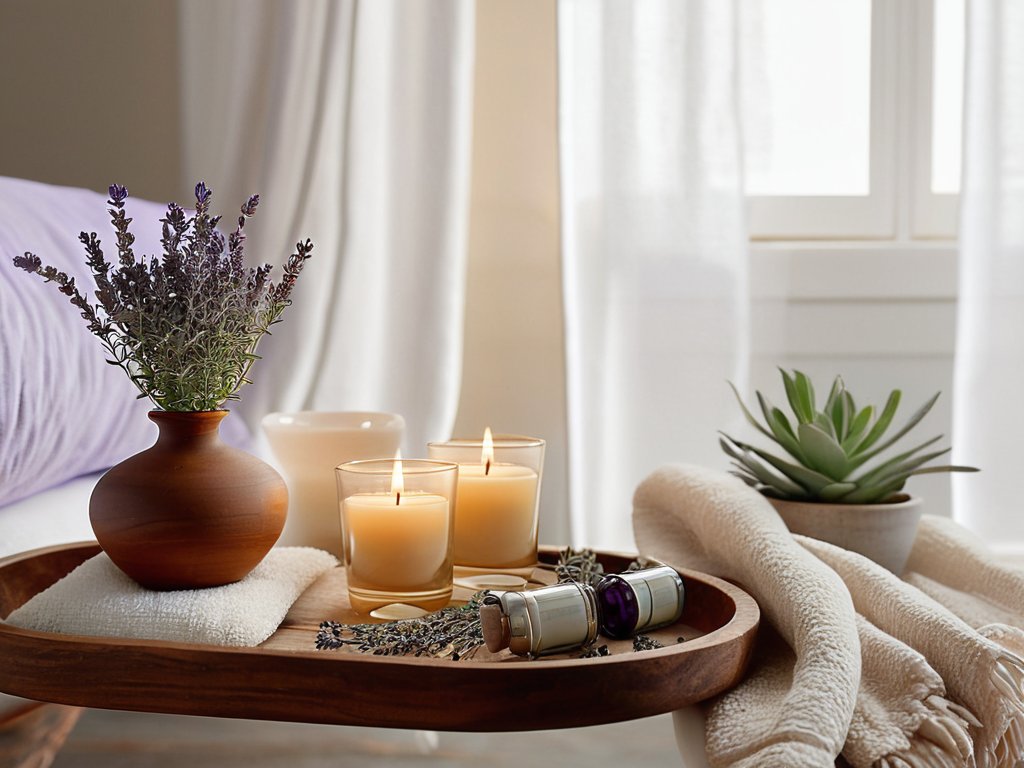
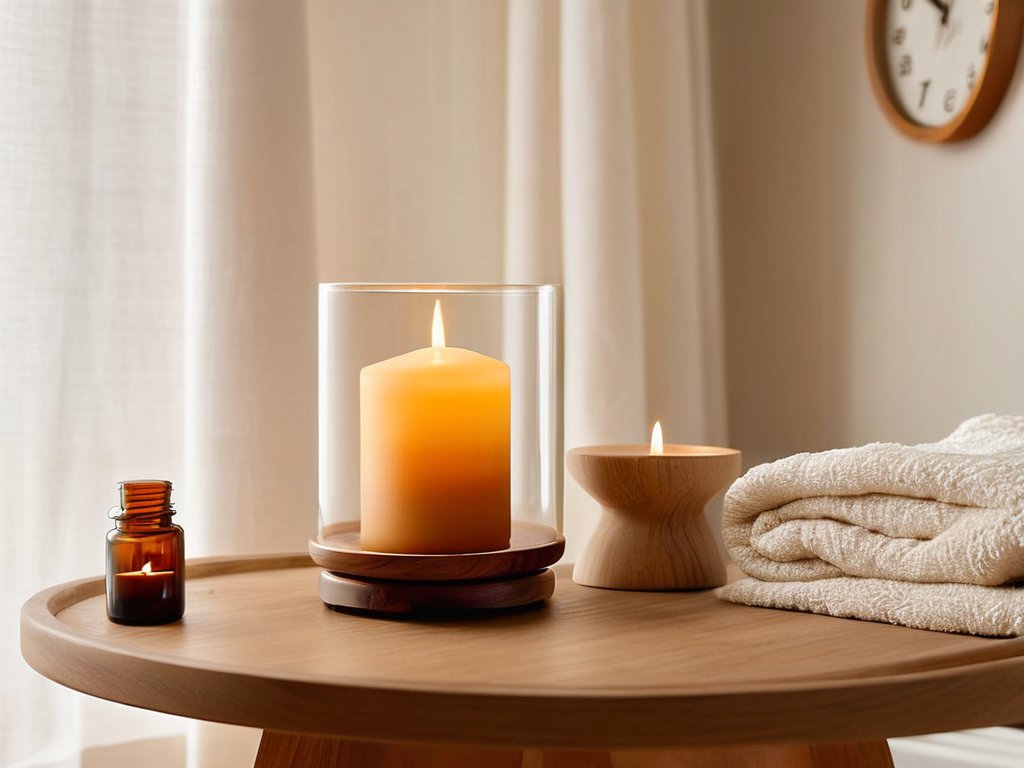
- 2. Next, I prepare the space. I open a window for fresh air, dim the lights, and place my vintage globe nearby as a reminder of the world’s breadth. I add a few drops of the chosen oil to a diffuser, letting the vapor mingle with the room’s ambience. The subtle hiss of the diffuser becomes a ritual sound, signaling the start of self‑care.
- 3. Then, I engage the senses beyond smell. While the aroma spreads, I reach for a smooth stone or a piece of fabric from a recent travel—perhaps a Kashmiri shawl or a Japanese silk scarf—and run my fingers over it. This tactile companion deepens the experience, anchoring the scent to a tangible memory and grounding me in the present moment.
- 4. After the scent settles, I move into mindful breathing. I inhale slowly through the nose, counting to four, hold for a breath, then exhale through the mouth for six counts. I repeat this cycle for five minutes, visualizing the perfume traveling through my body like a gentle breeze across continents, clearing tension and inviting focus.
- 5. Now, I journal the ripple effects. I keep a small notebook beside the diffuser, jotting down any thoughts, emotions, or images that surface—perhaps a flash of Marrakech’s souks or the quiet of a Scottish highland loch. Recording these insights turns a fleeting aroma into a lasting narrative thread in my global diary.
- 6. Finally, I seal the practice with gratitude. I thank the plant that gave the oil, the artisans who distilled it, and the cultures that cherish its use. I close the diffuser, sip a cup of herbal tea, and let the lingering scent remind me that self‑care is not just personal—it’s a conversation across borders, echoing the connections I cherish every day.
Aromatherapy Self Care Crafting Global Scent Journeys
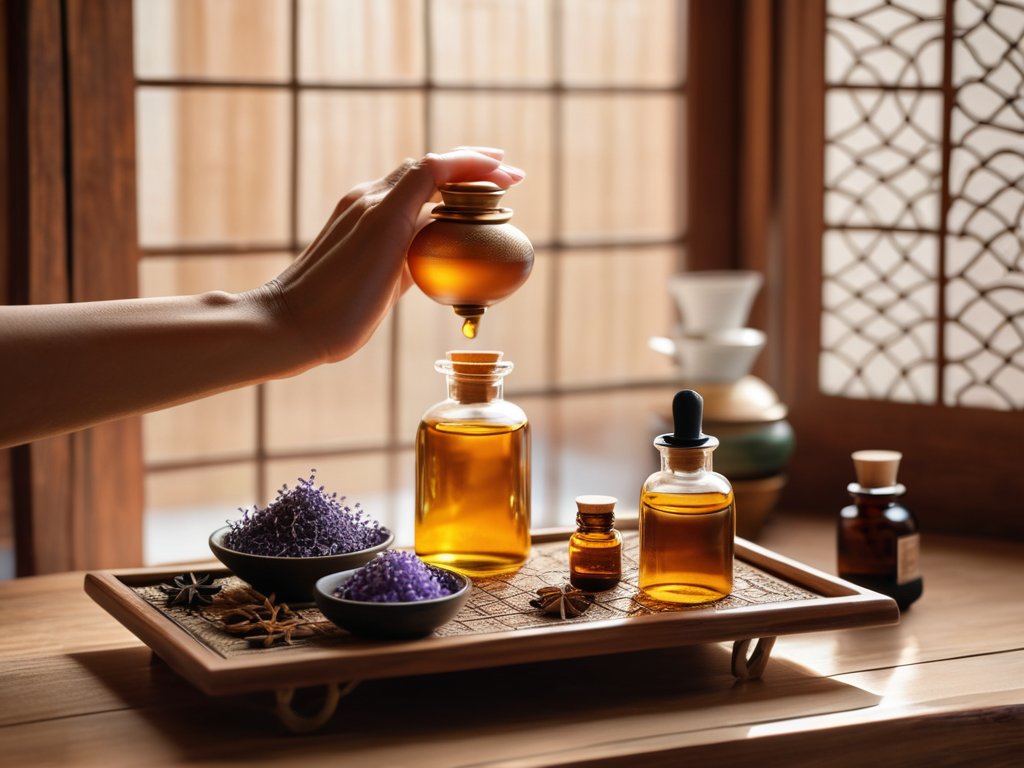
When I wander through a bustling souk in Marrakech or a quiet tea house in Kyoto, I collect more than photographs—I collect the olfactory memories of each place. Translating those moments into a personalized scent profile can turn a simple evening at home into a miniature passport. Start by mixing a few drops of lavender, bergamot, and a whisper of sandalwood in a carrier oil; this DIY aromatherapy blend for relaxation recalls the cool breezes of the Atlas Mountains while grounding you in the present. The Benefits of lavender oil for stress are well‑documented, but pairing it with citrus notes amplifies the sense of openness, making the blend feel like a sunrise over the Ganges rather than just a calming concoction.
Once your signature bottle is ready, let the Aromatherapy diffuser guide become your nightly ritual. Fill the diffuser with water, add three drops of your custom mix, and set a gentle timer as you settle into bed. This is the perfect moment to explore how to use essential oils for sleep—the subtle vapor not only eases tension but also carries the faint echo of distant incense, inviting your mind to drift across continents. Incorporating these steps into an aromatherapy self‑care routine transforms a fleeting scent into a sustained, cross‑cultural dialogue with yourself.
Diy Aromatherapy Blends for Relaxation a Personal Guide
When I’m on a rainy evening in a courtyard in Lisbon, I reach for an amber bottle that holds my calming blend. I start with three drops of lavender, harvested from the fields of Provence where I once camped with a local beekeeper, and pair it with two drops of Roman chamomile, a scent that reminds me of the monasteries I visited in the Italian Alps. A whisper of bergamot, pressed from the peel of Sicilian oranges, rounds out the trio, turning a simple inhalation into a pilgrimage.
To make it, I combine the oils in a 10 ml roller bottle, add a splash of jojoba, and let the mixture rest for 24 hours—just long enough for the notes to marry, yet short enough to keep the memory of the journey fresh. The result? A pocket‑size oasis that grounds me wherever I am.
How to Use Essential Oils for Sleep Across Cultures
When I was staying with a host family in Kyoto, I discovered that the quiet ritual of sprinkling a few drops of yuzu‑scented oil onto a silk pillowcase is more than a bedtime habit—it’s a centuries‑old practice rooted in the Japanese concept of shinrin‑yoku (forest bathing). The citrus notes linger in the linen, coaxing the mind into a gentle, restorative rhythm that mirrors the soft rustle of bamboo groves.
Back in Delhi, I learned from a traditional Ayurvedic practitioner that a warm steam inhalation of sandalwood and lavender, followed by a light massage of the temples, prepares the nervous system for nidra (sleep) by balancing the vata dosha. In the Nordic lands of Sweden, a simple diffuser of pine needle oil, paired with dimmed candlelight, evokes the long, dark winters and signals the body to release melatonin naturally. Each culture frames the same fragrant chemistry through its own stories, reminding me that a drop of oil can be a passport to a night of shared serenity.
Five Scented Self‑Care Secrets
- Choose oils that resonate with your personal story—whether it’s sandalwood from your Delhi memories or lavender from a Provençal field, the emotional link amplifies the calming effect.
- Blend at least one grounding base (like cedar or vetiver) with a lighter top note to create a balanced aroma that steadies the mind without overwhelming the senses.
- Mind the dosage: a single drop per 100 ml of carrier oil is enough for a diffuser; too much can trigger headaches and defeat the purpose of relaxation.
- Pair your scent ritual with a simple breath practice—inhale for four counts, hold for four, exhale for six—to turn the fragrance into a mindfulness anchor.
- Rotate your aromatherapy routine every few weeks; changing scents keeps the nervous system responsive and prevents habituation, ensuring each session feels fresh and restorative.
Key Takeaways
Aromatherapy is a flexible canvas – you can honor centuries‑old traditions while customizing blends to fit your personal rhythm and cultural curiosity.
Simple, DIY recipes let you create effective relaxation and sleep aids with ingredients you can source locally or online, turning self‑care into a hands‑on exploration.
Regular, mindful use of essential oils not only improves sleep quality and eases tension, it also stitches together a daily ritual that feels like a miniature global journey.
Scent as a Bridge to Inner Worlds
When I uncork a bottle of lavender in a Himalayan chalet or a citrus blend in a Marrakesh riad, the scent becomes a passport to calm—reminding us that self‑care is not a solitary ritual, but a shared aroma that stitches together the stories of every corner we call home.
Alexandra Thompson
Closing Thoughts: Scented Bridges Across Cultures
Looking back on the road I’ve traveled—from the bustling souks of Marrakech to the tranquil tea houses of Kyoto—I see that the guide we’ve built is less a rigid recipe and more a map of intention. We began by grounding ourselves in the basics: choosing high‑quality oils, mastering safe dilution, and breathing with purpose. Then we ventured into global scent journeys, exploring how lavender, sandalwood, and ylang‑ylang echo traditions across continents. The DIY aromatherapy blends for relaxation gave us a hands‑on way to channel personal stories, while the cross‑cultural sleep tips reminded us that a single drop of chamomile can whisper lullabies in a language that transcends borders. Together, these steps form a flexible toolkit that anyone can adapt to their own rhythm and ritual.
As I place another vintage globe on my desk, I’m reminded that scent as a passport can carry us beyond the limits of geography and time. Each inhalation becomes a quiet conversation with a distant neighbor, a reminder that our well‑being is woven from shared human threads. Let the aroma of your next blend be a bridge—linking your daily self‑care to the stories of distant kitchens, mountain monasteries, and seaside bazaars. May you keep experimenting, listening, and breathing, and may every fragrant moment invite you to step a little farther into the world without ever leaving your living room.
Frequently Asked Questions
Which essential oils are safest for beginners with sensitive skin?
When my skin feels as delicate as the thin paper of a vintage globe, I gravitate toward the gentlest oils. Lavender and Roman Chamomile are my go‑to—they’re soothing, low‑irritant, and work well for anyone just starting out. Rose and Frankincense offer a soft, floral calm without the sting, while Sandalwood adds a grounding earthiness that’s surprisingly kind to sensitive skin. Always dilute (about 1 % – 2 % or 1–2 drops per teaspoon of carrier) and do a 24‑hour patch test before any broader use.
How can I blend scents to reflect different cultural traditions without appropriating them?
I start by listening—read folklore, talk to community members, and note the plants they cherish in daily life or ceremony. Choose oils that are sustainably sourced and, when possible, from cooperatives the culture supports. Blend modestly, using one or two signature notes rather than recreating a whole perfume, and credit the tradition in your notes or journal. Treat the scent as a bridge, not a costume, and let the story behind it guide the mix.
What’s the best way to store homemade aromatherapy blends to preserve their potency?
I keep my own blends in amber‑glass dropper bottles, the dark glass shields the volatile molecules from sunlight that would otherwise break down the delicate terpenes. After each use I tighten the cap so the seal stays airtight, then tuck the bottles in a cool, dry cupboard—away from the stove, windows, or any source of heat. A simple label with the date and oil ratios reminds me when the cocktail is still fresh; most of my mixes stay potent for six‑to‑eight months.