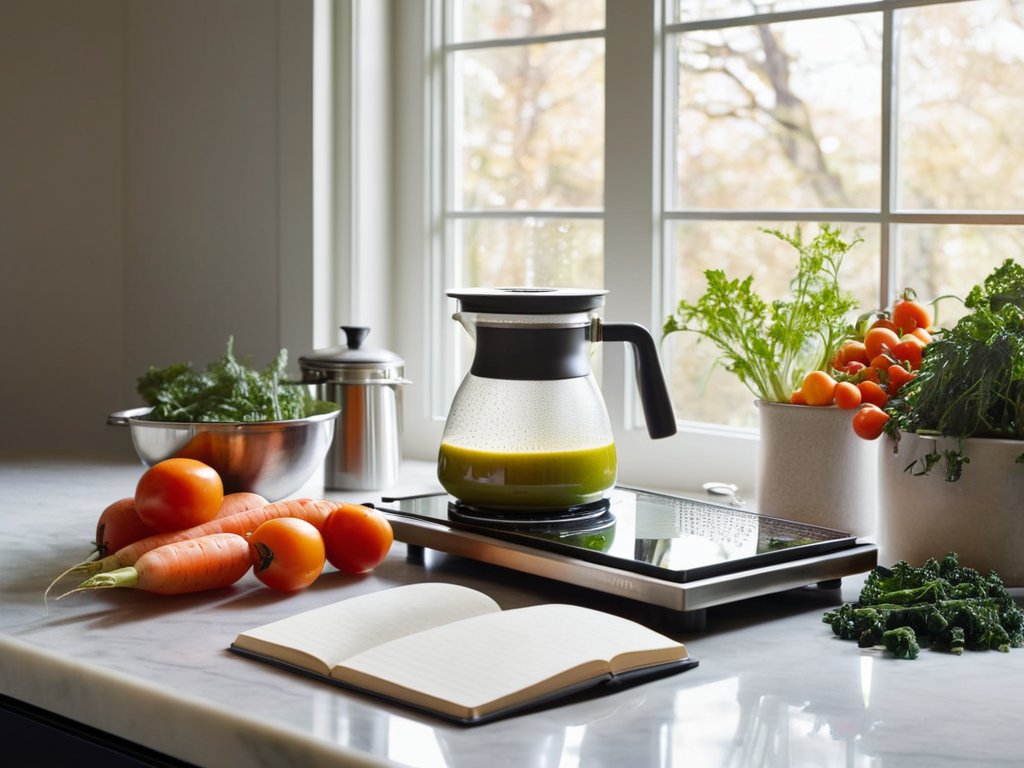
If you’ve ever been told you need a PhD in molecular gastronomy to grasp the science of cooking, let me stop you right there. The kitchen isn’t a high‑tech lab; it’s a place where curiosity and a pinch of salt beat fancy equipment any day. I’ve watched street vendors in Delhi coax caramel from onions with nothing more than a battered wok, and I’ve seen diplomats debate the politics of a perfectly seared steak. The myth that you must own a sous‑vide machine to “cook scientifically” is just that—a myth, and it keeps many of us from tasting the real chemistry of food.
In the next few minutes I’ll strip away the jargon and share the handful of principles that actually move flavors, textures, and aromas—principles I’ve tested in embassies, market stalls, and my own flat kitchen. You’ll learn why a dash of acid can transform a sauce faster than gadget, how temperature gradients shape the crust of a loaf, and which simple experiments let you predict outcomes without a lab coat. Think of this as a passport, not a prescription, for cooking with no‑nonsense confidence and curiosity.
Table of Contents
- The Science of Cooking Bridging Flavor and Culture
- Food Chemistry Fundamentals Shaping Global Palates
- Thermal Dynamics in Cooking Heat as Cultural Dialogue
- Molecular Gastronomy Techniques That Transform Everyday Meals
- Cooking Temperature Science and Nutrient Retention Insights
- Flavor Compound Formation the Alchemy Behind Taste
- 5 Science-Backed Cooking Tips to Elevate Your Kitchen
- Key Takeaways
- Cooking Chemistry: A Global Conversation
- Conclusion: Cooking as a Global Dialogue
- Frequently Asked Questions
The Science of Cooking Bridging Flavor and Culture
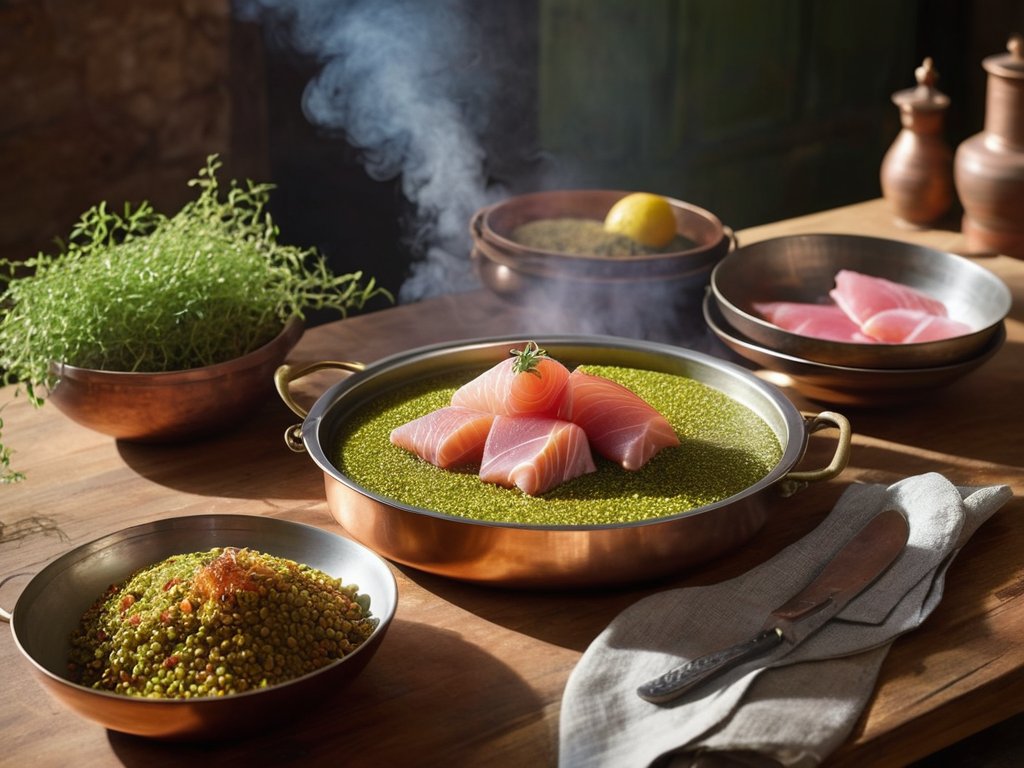
Whenever I sit at a kitchen table in a remote village or a bustling city market, I am reminded that the same invisible forces that turn raw grain into fragrant biryani also shape a Peruvian quinoa stew. Understanding thermal dynamics in cooking—how heat transfers through conduction, convection, and radiation—reveals why a slow‑cooked tagine releases earthy aromas while a seared sashimi slice retains a delicate bite. The dance of Maillard reactions and caramelization creates the brown crusts and umami notes that travelers across continents recognize as comfort, proving that flavor chemistry is a universal passport.
Back home in Delhi, I once experimented with a traditional tandoor while keeping an eye on nutrient retention during cooking. By lowering the temperature just enough to sear vegetables without over‑cooking, I preserved vivid pigments and the vitamins that often dissolve at high heat. This balance is at the heart of cooking methods and health impact debates, where the goal is not merely taste but also wellbeing. Even the most avant‑garde molecular gastronomy techniques—spherification, foam, or sous‑vide—must respect the underlying food chemistry fundamentals if they are to honor the cultures from which the ingredients originate.
Food Chemistry Fundamentals Shaping Global Palates
When I first tasted a roasted lamb in a remote Moroccan kasbah, I realized the secret behind its smoky sweetness was not only the fire but a chemistry that transcends borders. The Maillard reaction—the browning of proteins and sugars at right temperature—creates a cascade of aromatic compounds that our brains instantly recognize as comforting, no matter where we are. That crust becomes an ambassador, inviting strangers to share a story without uttering a word.
Equally transformative is the age‑old practice of turning vegetables, grains, or fish into living ecosystems of flavor. Fermentation not only preserves food but amplifies umami, sharpens acidity, and invites probiotic microbes to dance on our tongues—an edible dialogue that has traveled from Korean kimchi to Peruvian ceviche, reshaping what we consider “savory” across continents. Avant‑garde kitchens remix these microbes, pairing butter with fruits to push the palate further.
Thermal Dynamics in Cooking Heat as Cultural Dialogue
Whenever I sit beside a crackling hearth in a remote Andean village, I feel the same physics humming beneath the ritual. Conduction through a stone slab, convection swirling in a clay oven, and radiation from open flames each dictate how a humble grain of maize transforms. Yet the choice of heat source—whether a charcoal‑kissed tandoor in Delhi or a bamboo‑wrapped pit in Laos—speaks louder than any recipe, turning temperature into a shared story. The way the fire licks the pot, coaxing caramelization, mirrors the rhythmic pulse of communal gatherings.
When chefs adjust a stovetop by a few degrees, they are not merely preventing a sauce from curdling; they are conversing with generations that once measured the same flame. That subtle calibration becomes a bridge, linking my notebook to kitchens across continents, and inspires new stories on my travel pages everywhere, always too.
Molecular Gastronomy Techniques That Transform Everyday Meals
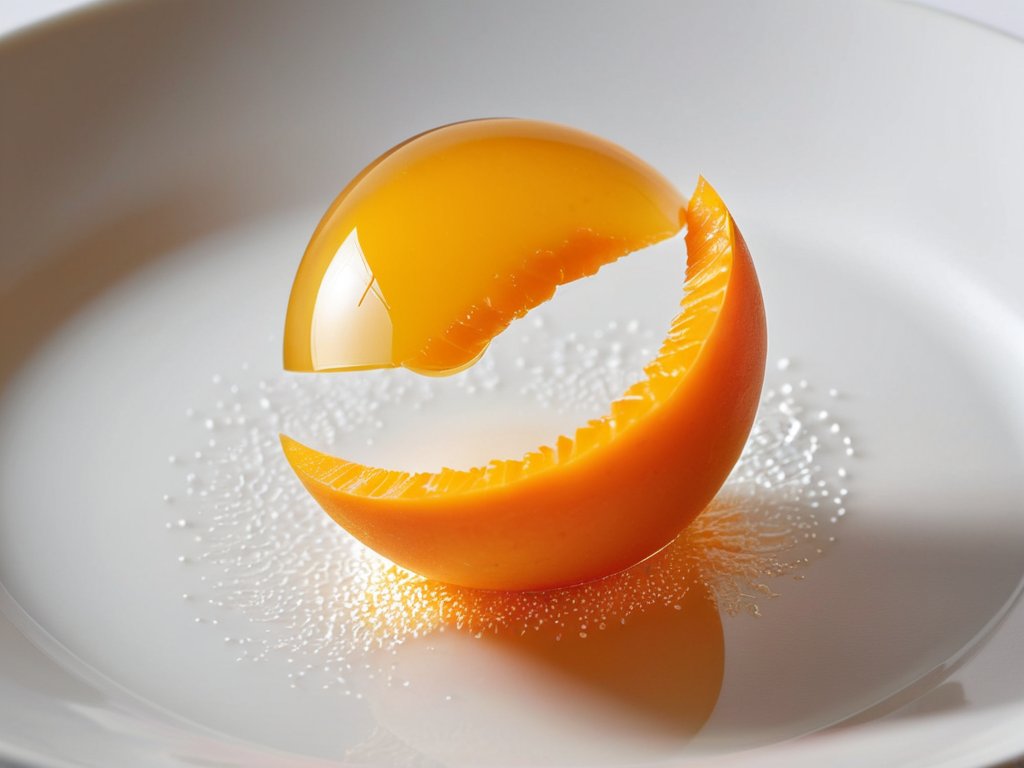
I still remember the first time I watched a chef coax a clear sphere of mango juice to burst like a tiny sunrise on a plate. That moment crystallized for me how molecular gastronomy techniques turn everyday ingredients into miniature experiments. By harnessing food chemistry fundamentals—the gelling power of sodium alginate and calcium lactate—we can trap volatile aroma molecules inside a delicate membrane, delivering flavor compound formation at the very tip of the tongue. The visual surprise is only half the story; the controlled release reshapes the way we perceive texture, reminding me that even a humble carrot can become a conversation starter.
Later, a trip to the Basque coast introduced me to sous‑vide, a method where cooking temperature science meets thermal dynamics in cooking to seal in nutrients. By vacuum‑sealing a piece of salmon at 52 °C for an hour, the protein denatures gently, preserving omega‑3 oils and delivering nutrient retention during cooking that many high‑heat techniques simply can’t match. The slow, uniform heat also allows subtle flavor compound formation to evolve, turning a modest fillet into a buttery, melt‑in‑the‑mouth experience that feels both scientific and deeply human.
Cooking Temperature Science and Nutrient Retention Insights
In markets from Oaxaca to Kyoto, I’ve learned that temperature is a cultural conversation, not just a setting. Cooking at low‑heat cooking—gentle simmering of dal or a slow poach of fish in a Scottish broth—lets delicate vitamins like C and B‑complex linger, while subtle aromatics weave the region’s soul, and a whisper of lemongrass steam drifts across my traveler’s table.
In the heat of a Moroccan tagine or a Brazilian churrasco, flames become storytellers, dictating how much of a dish’s bounty survives. By watching the grill’s intensity and allowing a brief rest, I notice a boost in nutrient retention—especially for iron‑rich meats—while the caramelized crust carries the smoky dialect of the hearth. Even a modest simmer of bean stew in a Filipino kaldereta can preserve the fiber that fuels long journeys. Such mindful heat management turns a simple meal into a bridge between science and story.
Flavor Compound Formation the Alchemy Behind Taste
Every time I watch a bustling street market in Oaxaca or a quiet kitchen in Kyoto, I’m reminded that flavor is chemistry in disguise. When proteins meet sugars under heat, a cascade of reactions births the golden crust on a tortilla and the deep amber hue of a seared steak. This transformation, known as the Maillard reaction, not only creates the familiar nutty aroma but also generates a palette of melanoidins that linger on the tongue, linking memory and place.
Yet the story doesn’t end at browning; it continues in the fleeting clouds of volatile molecules that evaporate the moment a dish is plated. In a Vietnamese pho, delicate esters mingle with glutamate, forging a subtle umami synergy that feels both comforting and exotic. Those airborne compounds travel straight to our olfactory receptors, turning a spoonful into an instant cultural dialogue.
5 Science-Backed Cooking Tips to Elevate Your Kitchen
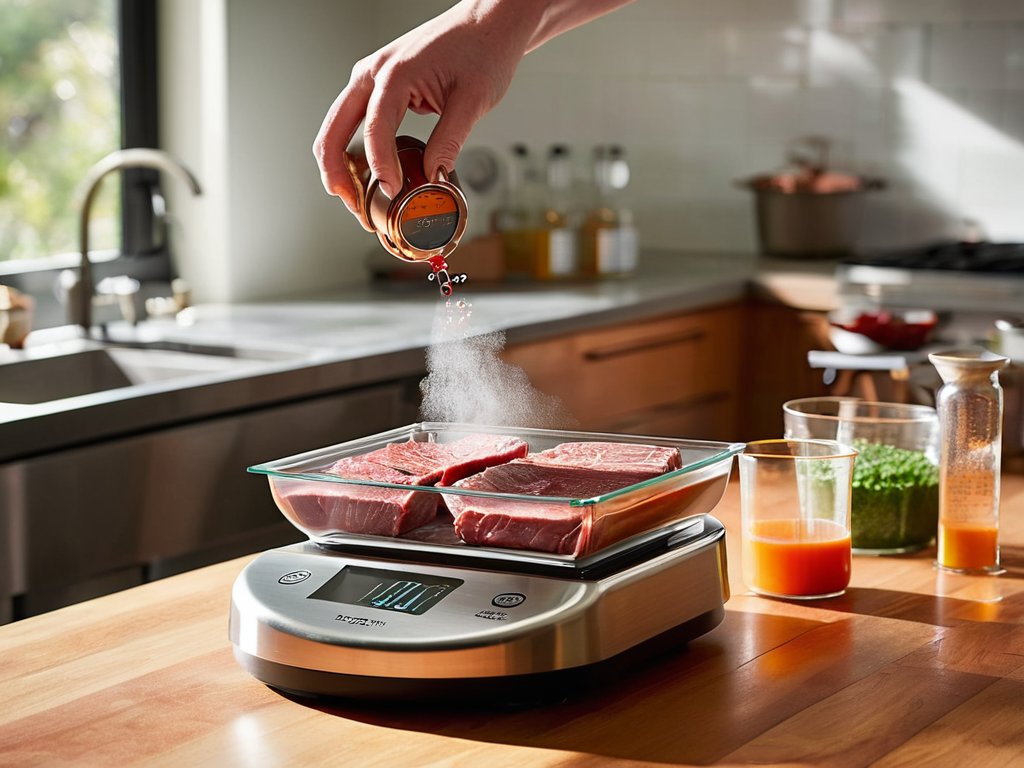
- Control the Maillard reaction: keep surface moisture low and heat between 300‑350 °F (150‑180 °C) to develop that golden crust and deep umami flavor.
- Balance pH with acids or bases: a splash of lemon juice or a pinch of baking soda can brighten flavors, tenderise proteins, or stabilize colors in vegetables.
- Season strategically: add salt early to promote osmotic diffusion for even seasoning, but finish with a pinch of flaky sea salt to enhance texture and taste perception.
- Choose the right heat conduit: match pan material to cooking method—cast iron for steady searing, copper for rapid temperature changes—to ensure consistent heat transfer and prevent hot spots.
- Preserve nutrients by using gentle cooking techniques: steam or sauté vegetables briefly in a little oil, and avoid over‑cooking to retain vitamins and phytonutrients.
Key Takeaways
Understanding the basic chemistry of proteins, sugars, and fats reveals why certain flavor pairings resonate across continents.
Heat is more than a cooking tool; its transfer methods (conduction, convection, radiation) encode cultural narratives in texture and aroma.
Molecular gastronomy techniques let us reinvent familiar dishes—enhancing flavor, preserving nutrients, and inviting new cross‑cultural conversations.
Cooking Chemistry: A Global Conversation
When we understand the molecules that dance on our plates, we glimpse the common language of taste—a science that translates borders into shared meals and reminds us that every bite is a diplomatic act.
Alexandra Thompson
Conclusion: Cooking as a Global Dialogue
In the pages we’ve just traveled, I traced how food chemistry turns simple sugars and proteins into the aromas that define a nation’s kitchen, and how the thermal dynamics of heat act like a silent conversation between pan and palate, shaping textures that echo tradition. We then stepped into the laboratory of the kitchen, where molecular gastronomy rewrites familiar dishes through precise flavor‑compound formation, and where temperature science safeguards nutrients while unlocking new layers of taste. Together these threads reveal that the science of cooking is not merely a set of recipes, but a map that charts how chemistry, physics, and culture intersect on every plate.
Looking ahead, I see every kitchen as a diplomatic outpost where the language of molecules invites us to listen, share, and reinvent. When we measure a simmer’s seconds or balance acidity with a dash of curiosity, we are practicing the same negotiation skills that once guided me through embassies. Let us carry this curiosity beyond the stove, using the science of cooking as a passport to explore distant markets, to honor the stories behind each spice, and to build bridges that taste as familiar as home. In the end, the true breakthrough is not the technique itself, but the collective willingness to turn curiosity into communion. May each simmer remind us that science and story are forever intertwined.
Frequently Asked Questions
How do different cooking methods affect the nutritional value of common ingredients?
I’ve found that the way we coax a carrot or fish onto our plates reshapes its nutrient story. Steaming holds water‑soluble vitamins that boiling leaches away, while a quick stir‑fry preserves crunch and antioxidants with a splash of oil. Grilling adds smoky depth but can degrade omega‑3s if the heat is too harsh; low‑heat roasting brings out caramelised sugars and makes minerals more bioavailable. Each method is a dialogue between heat, moisture, and the food’s chemistry.
What role does Maillard reaction play in creating the flavors we associate with specific cultural dishes?
Whenever I wander through a bustling night market in Marrakech or a family kitchen in Osaka, I hear the same quiet chemistry at work: the Maillard reaction. It’s the golden‑brown browning that sparks a cascade of aromatic compounds—roasted nuts, toasted bread, caramelized onions—giving each dish its signature depth. By linking amino acids with sugars under heat, this reaction weaves together the smoky, umami, and sweet notes that define so many cultural cuisines across continents today.
Can understanding food chemistry help home cooks reduce waste and make more sustainable meals?
Absolutely. When you see a recipe as a series of chemical reactions—proteins denaturing, starches gelatinizing, acids balancing—you gain a built‑in margin for improvisation. Knowing that a splash of vinegar can brighten over‑cooked greens, or that a pinch of salt stabilises emulsions, lets you rescue leftovers instead of discarding them. Moreover, understanding moisture loss helps you size portions just right, cutting both food waste and the carbon footprint of every home kitchen in our daily lives.