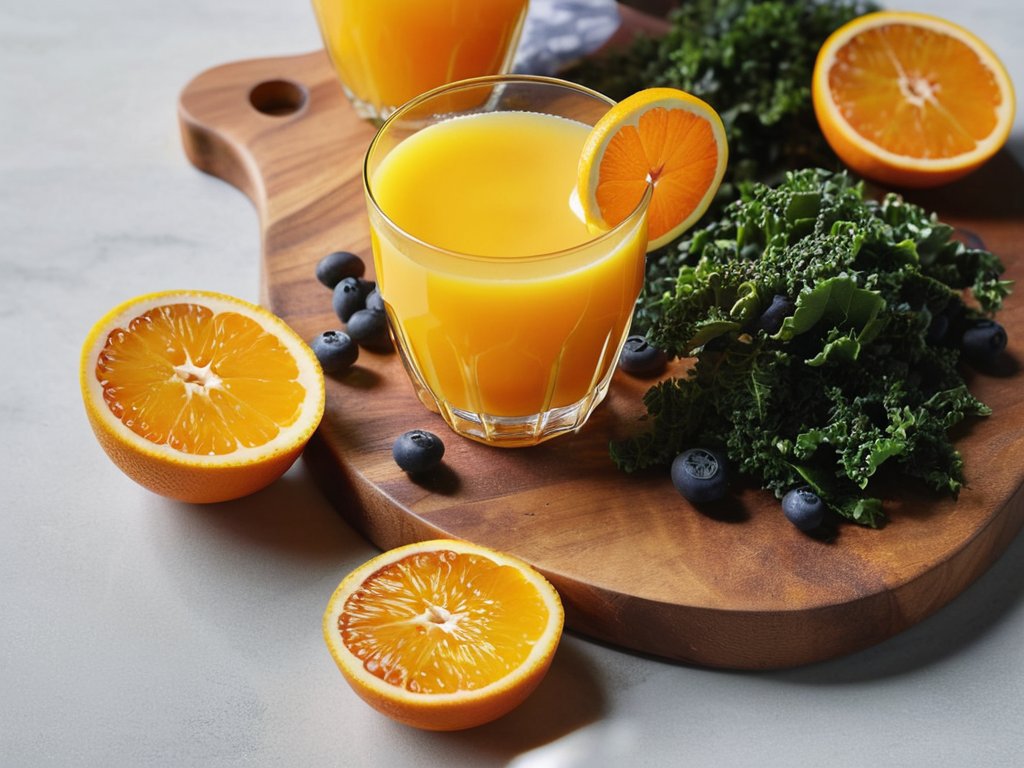
Ever found yourself scrolling through endless health feeds, wondering which foods actually fortify your body against the next viral wave? As someone who’s swapped diplomatic briefings for breakfast bowls in remote mountain villages, I’ve seen firsthand how the right nutrients can become a quiet form of resilience. That’s why I’m pulling together a list of superfoods for immunity that are not just trendy labels but time‑tested allies rooted in diverse culinary traditions—from the bustling markets of Marrakech to the quiet tea gardens of Assam.
In the next few minutes I’ll walk you through ten distinct ingredients, each paired with a short story of where I first tasted them and the science that backs their immune‑boosting power. You’ll discover how a handful of fermented kimchi can recalibrate gut health, why the bright orange of Caribbean sweet potatoes carries a punch of beta‑carotene, and which humble seeds from the Andes can linger in your pantry for months without losing their vigor. By the end, you’ll have a portable toolkit—ready to sprinkle, sip, or sauté—so that every meal feels like a small act of global solidarity for you and your loved ones.
Table of Contents
- Miso Magic for Gut‑Guardians
- Golden Turmeric Glow
- Kimchi: Fermented Firecracker
- Blueberries: Tiny Antioxidant Titans
- Green Tea: Steeped Serenity
- Garlic: Aromatic Armor
- Yogurt: Creamy Culture Keeper
- Dark Chocolate: Sweet Sentinel
- Sauerkraut: Crunchy Probiotic Punch
- Elderberry: Scarlet Shield
- Key Takeaways
- Food as a Bridge to Health
- Closing Thoughts: Cultivating Immunity Through Food and Connection
- Frequently Asked Questions
Miso Magic for Gut‑Guardians
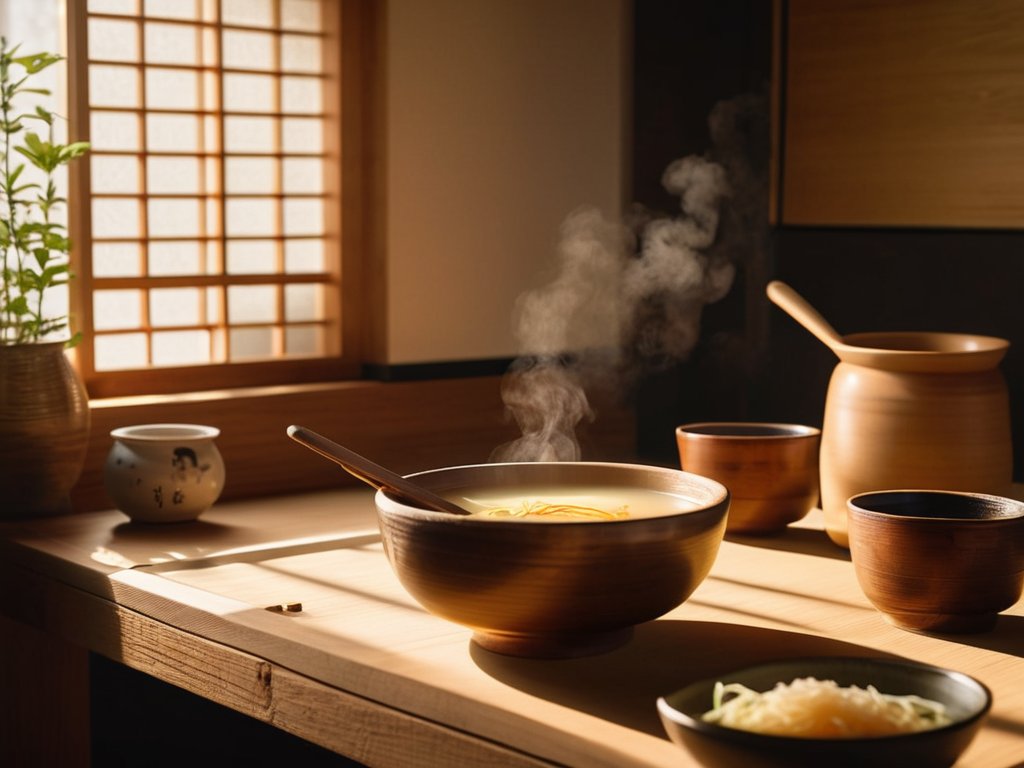
When I first tasted miso in a tiny Kyoto kitchen, I realized its probiotic power isn’t just a health buzzword—it’s a living bridge between centuries of culinary tradition and our modern immune needs. The salty, umami broth nurtures gut health, which in turn trains the immune system to distinguish friend from foe.
I now sprinkle a spoonful of miso into my evening soup, treating it as a daily ritual that anchors me to the rhythms of distant kitchens. Beyond the taste, the fermentation process creates enzymatic allies that help the body absorb vitamins more efficiently, turning a humble paste into a silent guardian of resilience.
Golden Turmeric Glow
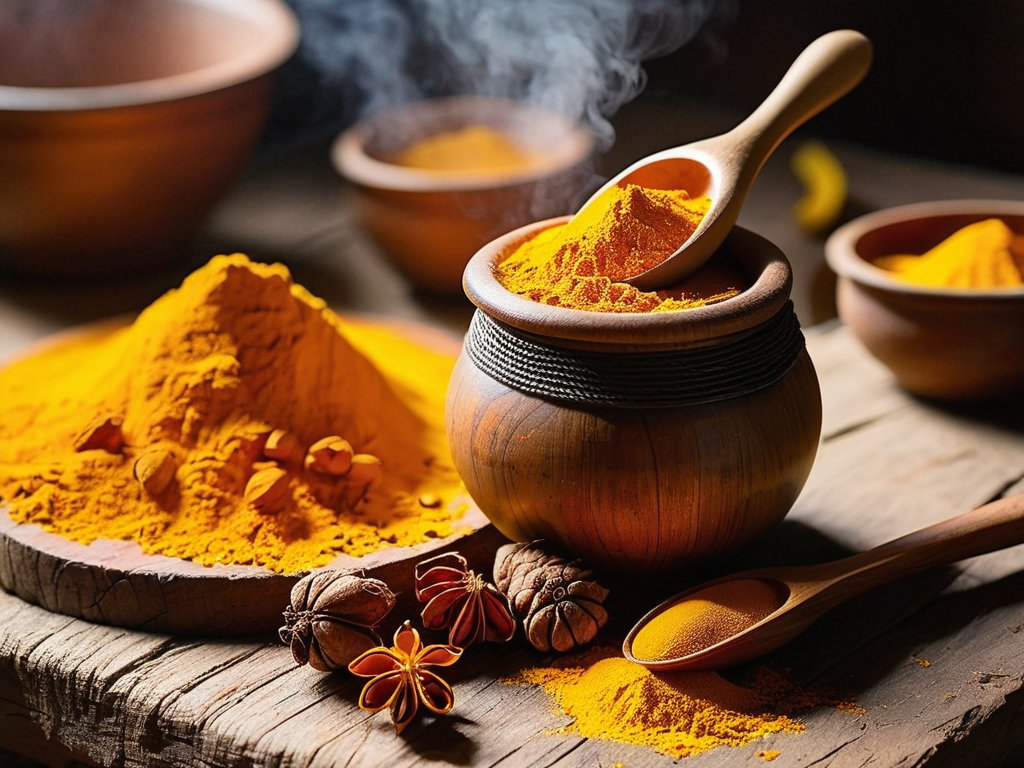
Turmeric’s vibrant hue caught my eye on a bustling market stall in Kerala, and its reputation for anti‑inflammatory benefits quickly earned a place on my pantry shelf. The active compound curcumin works like a diplomatic envoy, calming over‑zealous immune responses while still keeping the body vigilant.
I whisk a pinch into golden milk each morning, savoring the warm, earthy aroma that feels like a sunrise in a cup. That golden ritual not only brightens my day but also stimulates the production of antioxidant enzymes, giving my immune cells the stamina they need during flu season.
Kimchi: Fermented Firecracker
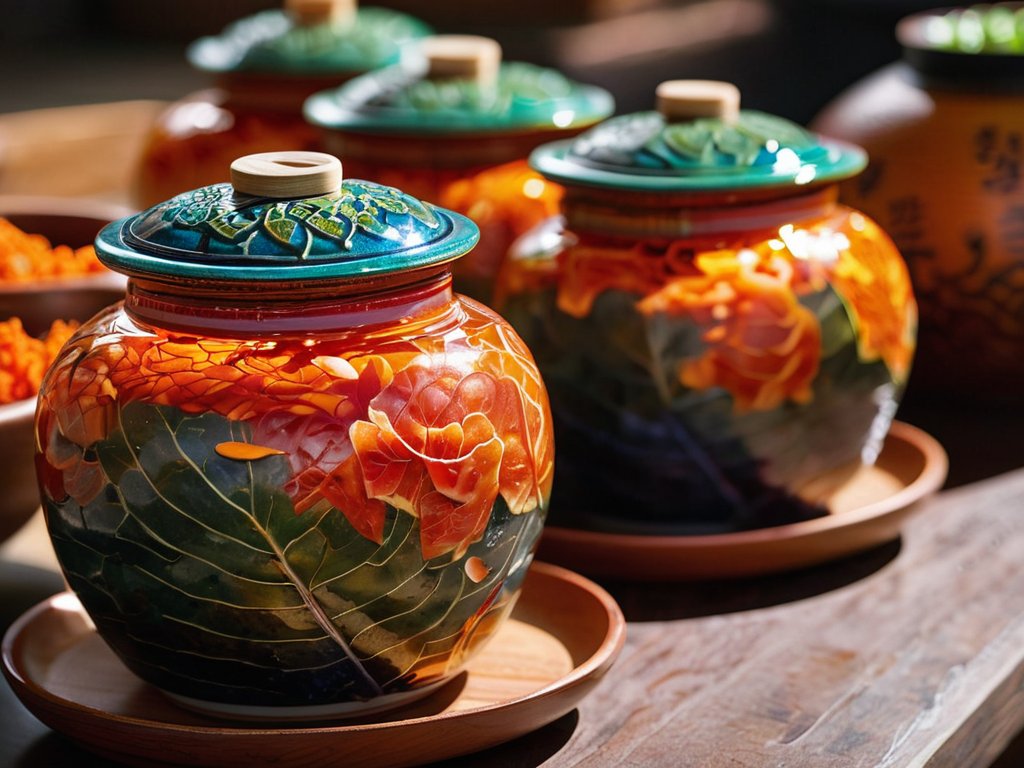
Walking through Seoul’s night markets, I was drawn to the sizzling jars of kimchi, each bubbling with live cultures that promise a robust gut flora. The blend of cabbage, chili, and garlic creates a symphony of flavors that also trains the immune system to respond with balance rather than panic.
Back home, I make a modest batch, letting it ferment for a week before the first crunchy bite. The tangy heat awakens my palate and, more importantly, feeds beneficial bacteria that produce short‑chain fatty acids—key messengers that signal immune cells to stay alert yet calm.
Blueberries: Tiny Antioxidant Titans
I first discovered blueberries on a misty hillside in the Scottish Highlands, where the berries clung to bramble in a burst of midnight blue. Their anthocyanin richness acts like a shield, neutralizing free radicals that would otherwise wear down immune defenses.
A handful of these berries in my mid‑day salad feels like a sweet, fleeting passport stamp from nature’s own pharmacy. The antioxidants not only protect cellular membranes but also modulate inflammation, helping my body stay resilient without the crash of processed snacks.
Green Tea: Steeped Serenity
In a bamboo‑framed tea house in Kyoto, I learned that the gentle steam rising from a cup of green tea carries catechin compounds that bolster our first line of defense. The subtle bitterness reminds me that strength often comes wrapped in modesty.
I sip it slowly during my afternoon writing sessions, allowing the delicate aroma to center my thoughts. Those catechins also enhance the activity of natural killer cells, those vigilant sentinels that patrol for viral invaders, making each cup a quiet act of immunological diplomacy.
Garlic: Aromatic Armor
Garlic has been my kitchen’s steadfast ally since a spice‑laden night in Marrakech, where the pungent cloves were tossed into tagines to ward off both blandness and illness. Allicin, released when a clove is crushed, exhibits potent antimicrobial properties that help the body fend off pathogens.
I crush a clove into my sautéed vegetables each evening, letting the aroma fill the room like a fragrant alarm bell. Beyond flavor, allicin stimulates white blood cells, sharpening their ability to recognize and neutralize threats before they gain a foothold.
Yogurt: Creamy Culture Keeper
A modest bowl of yogurt in a Turkish bazaar reminded me that live and active cultures can be both comforting and protective. The creamy texture soothes the throat while delivering lactobacilli that reinforce the gut barrier, a critical frontline for immunity.
I top my morning oats with a dollop of plain Greek yogurt, savoring the tangy smoothness that feels like a gentle handshake with my microbiome. Those friendly bacteria outcompete harmful microbes and modulate cytokine production, ensuring my immune response stays measured and effective.
Dark Chocolate: Sweet Sentinel
During a chocolate‑making tour in Oaxaca, I tasted a piece of 85% dark chocolate that lingered with flavonoid richness—a surprising ally for immune health. Those flavonoids act as antioxidants, protecting immune cells from oxidative stress that can blunt their performance.
A square after dinner feels like a small, indulgent treaty between pleasure and protection. The cocoa also encourages the release of endorphins, which indirectly support immune function by reducing stress hormones that often sabotage our defenses.
Sauerkraut: Crunchy Probiotic Punch
In the cool basements of Berlin, I watched families barrel‑age sauerkraut, a simple cabbage transformed by lactic‑acid bacteria into a crunchy, tangy powerhouse. The fermentation process creates vitamins K and C, both essential for a well‑orchestrated immune response.
I add a spoonful to my roasted beet salad, enjoying the crisp snap that awakens my senses. Those probiotic allies colonize the intestine, enhancing nutrient absorption and signaling immune cells to stay vigilant without overreacting.
Elderberry: Scarlet Shield
When I trekked through a Lithuanian forest in late summer, I gathered clusters of deep‑red elderberries, learning from locals that their anthocyanin‑laden berries have long been used to stave off colds. Modern studies echo that tradition, showing elderberry extracts can shorten the duration of viral infections.
A warm mug of elderberry tea becomes my comforting nightcap during chilly evenings, its sweet‑tart flavor a reminder of nature’s own vaccine. The berries boost cytokine production, priming my immune system to respond swiftly when a virus dares to knock.
Key Takeaways
A diverse palette of superfoods—like fermented kimchi, turmeric‑rich golden milk, and antioxidant‑packed berries—offers a synergistic boost to both innate and adaptive immunity.
Consistent, modest portions integrated into everyday meals are more sustainable and effective than occasional mega‑doses; think a daily spoonful of honey or a handful of nuts rather than a once‑in‑a‑while super‑smoothie binge.
Local, season‑aware choices not only preserve nutrient potency but also support community resilience, turning your plate into a bridge between personal health and global wellbeing.
Food as a Bridge to Health
When we share a bowl of fermented millet or a splash of sea kelp, we’re not just tasting tradition—we’re weaving a collective armor of immunity, one cultural bite at a time.
Alexandra Thompson
Closing Thoughts: Cultivating Immunity Through Food and Connection
Looking back over the ten foods we explored—from the bright burst of acerola cherries to the earthy depth of fermented tempeh—one thread ties them together: each packs a potent mix of vitamins, minerals, and bioactive compounds that act as immune boosters in their own right. Whether you reach for a handful of Brazil nuts rich in selenium or stir a spoonful of turmeric into a golden broth, you’re feeding the body’s frontline defenders with whole‑food synergy. The list also reminds us that diversity matters; pairing vitamin‑C‑laden kiwi with probiotic‑rich kefir creates a layered defense that is greater than the sum of its parts. By weaving these ingredients into everyday meals, you build a resilient foundation that supports both innate and adaptive immunity.
Beyond the plate, these superfoods carry stories of the lands and peoples who cultivate them, echoing my own journeys from the spice‑laden markets of Delhi to the highlands of the Andes. When we choose to share a bowl of miso‑laden soup or pass around a platter of pomegranate seeds at a family table, we are not just feeding our bodies—we are weaving a tapestry of connection that bridges continents. Let that sense of nourishment inspire you to experiment, to invite curiosity into your kitchen, and to remember that every bite is an act of solidarity. May your next meal be a shield and a celebration of the world’s generosity.
Frequently Asked Questions
How often should I incorporate these superfoods into my diet for optimal immunity?
Think of superfoods as guest stars, not the whole cast. I aim to sprinkle a handful of each—like a spoonful of spirulina or a few berries—into my meals three to five times a week. Rotate them, so your palate and gut microbiome stay curious. A daily dose of fermented kimchi or a weekly smoothie bowl works well; the key is consistency, variety, and listening to how your body feels, and overall wellbeing in your daily rhythm.
Are there any side effects or interactions I should watch out for when eating these superfoods?
Yes—great question. Even the most celebrated superfoods can have a flip side. If you’re allergic to nuts, sesame or nightshades, a handful of pumpkin seeds or tomatoes could trigger a reaction. Excess vitamin C from citrus or camu camu may irritate a sensitive stomach, and too much zinc from pumpkin seeds can interfere with copper absorption. And if you’re on blood thinners, be mindful of garlic, ginger or turmeric, which can amplify their effect. A quick check with your doctor or pharmacist keeps the benefits safe.
Can these superfoods replace conventional medical treatments for immune-related issues?
I love the idea that a handful of vibrant foods can give our bodies a boost, but they aren’t a stand‑in for prescribed care. Think of superfoods as supportive allies—rich in vitamins, antioxidants, and microbes that help fine‑tune immunity—while conventional treatments address specific pathogens or chronic conditions with proven, targeted action. I always recommend pairing a nutrient‑dense diet with professional medical advice; together they create a more resilient, holistic approach rather than a replacement.