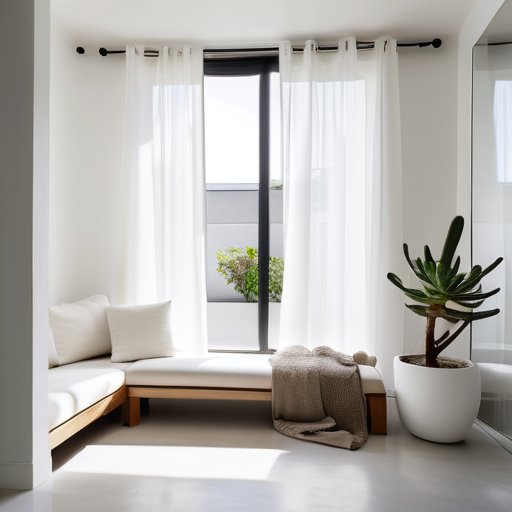
I was standing in a cramped Delhi market, the scent of spices thick in the air, when the weight of my overstuffed suitcase echoed the clutter in my mind. The myth that minimalism means living like a monk haunts many, but the truth is simpler: minimalism isn’t about renouncing comfort, it’s about curating what truly supports your story. As a former diplomat shuttling between London’s corridors and New Delhi’s bustling lanes, I saw how the clutter of everyday life drowns the conversations that bridge cultures. That realization sparked my own experiment with minimalism, and the lessons I gathered on that dusty stall still guide me today.
In the next few pages I’ll strip away the hype and give you a step‑by‑step roadmap: how to inventory what truly matters, redesign daily routines so space fuels creativity, and keep the richness of your cultural experiences while letting go of excess. By the end of this guide you’ll have concrete tools to practice minimalism without feeling you’re abandoning the world you love, and a fresh perspective on how simplicity can actually amplify connection.
Table of Contents
- Project Overview
- Step-by-Step Instructions
- Minimalism as a Global Narrative Connecting Cultures Through Simplicity
- Digital Declutter Strategies for a More Connected World
- Minimalist Home Design Ideas That Speak Across Borders
- Five Minimalist Practices for a More Intentional Life
- Key Takeaways
- Minimalism as a Bridge Across Cultures
- Conclusion: Minimalism as a Bridge Across Cultures
- Frequently Asked Questions
Project Overview
Total Time: 3 hours
Estimated Cost: $0 – $30
Difficulty Level: Easy
Tools Required
- Measuring Tape ((12-foot))
- Label Maker
- Box Cutter ((for opening boxes))
Supplies & Materials
- Storage Bins ((clear plastic))
- Trash Bags ((heavy-duty))
- Donation Boxes ((or reusable containers))
Step-by-Step Instructions
- 1. Start with a global perspective – I begin by mapping the spaces I inhabit, from the cramped flat in Delhi’s Chandni Chowk to the airy loft in London’s Hackney. I walk through each room, noting what I truly need to live and work there, and what feels like a borrowed story from someone else’s life. This inventory becomes the compass for everything that follows.
- 2. Define the why behind the minimalism journey. I journal the moments that made me feel most alive—watching sunrise over the Himalayas, negotiating at the UN, or sharing tea with a Bedouin family. By anchoring the practice to these vivid memories, I remind myself that I’m clearing space for meaningful experiences, not just empty shelves.
- 3. Pick one category and purge it completely. Whether it’s books, kitchenware, or digital files, I set a timer for two hours and sort each item into “essential,” “sentimental,” or “let go.” The tactile act of handling each piece forces me to confront the stories I’m holding onto, and the relief that follows is surprisingly diplomatic.
- 4. Digitally declutter by unsubscribing from newsletters that no longer spark curiosity and deleting apps that drain attention. I replace them with curated feeds from local storytellers in remote villages, ensuring my screen time now serves cross‑cultural learning rather than endless scrolling.
- 5. Reframe consumption as a cultural exchange. Before buying anything new, I ask: “Will this deepen my understanding of another place or tradition?” If the answer is no, I either borrow, trade, or simply let it pass. This habit turns shopping trips into miniature field missions.
- 6. Cultivate daily gratitude rituals. Each evening I place a single object—a smooth river stone from Patagonia or a handwritten note from a friend—on my desk and reflect on its significance. This simple act reinforces that less truly can be more when each item carries a story.
- 7. Share the journey openly. I write short posts for my blog, record voice notes for my podcast, and exchange stories with fellow travelers I meet along the way. By making the process visible, I invite others to question their own clutter and discover the shared humanity that minimalism can reveal.
Minimalism as a Global Narrative Connecting Cultures Through Simplicity
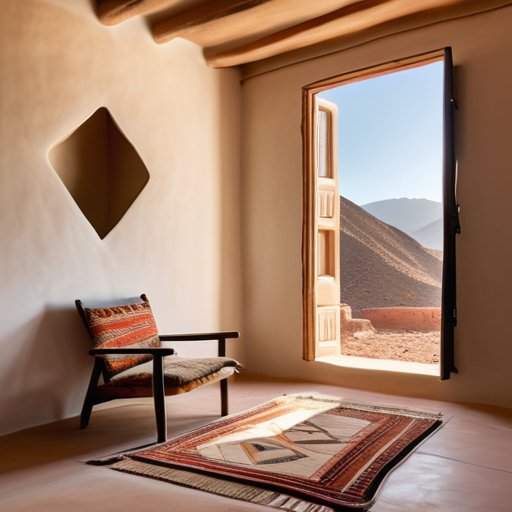
I often find that the quiet of a sparsely furnished room is louder than any bustling market. While staying in a mud‑brick house in the Atlas Mountains, the single woven rug became a conversation starter, inviting neighbors to share stories about their own patterns. That moment reminded me that minimalist home design ideas are not just aesthetic trends; they are a universal language of intention. A single, well‑chosen piece of furniture can act as a cultural bridge, opening space for shared tea or an open window framing a sunrise.
Back in Delhi, I tried a simple digital declutter strategy: each evening I close non‑essential tabs, archive old photos, and limit social feeds to thirty minutes. The calm that follows lifts my mood, echoing the minimalism benefits for mental health I read about. What surprised me most was how quickly the habit traveled—my colleague in Reykjavik now uses the same inbox rule, and we exchange weekly “quiet‑hour” updates instead of endless memes. If you’re wondering how to start a minimalist lifestyle, pair a tangible habit like a capsule‑wardrobe review with a digital one; the synergy creates room for deeper cross‑cultural conversations.
Digital Declutter Strategies for a More Connected World
When I stepped off the plane in Reykjavik, the crisp air reminded me that even the most connected cities can feel strangely empty if our screens dominate the silence. I spent an afternoon with a local co‑working collective that practices an ‘inbox‑zero’ ritual: every member unplugs for minutes, sorts digital clutter into three boxes—keep, share, delete—and then shares a story that sparked curiosity that week. The exercise turned a chaotic torrent of notifications into a communal narrative, reminding us that clarity online can create space for genuine cross‑cultural exchange.
Back home in Delhi, I applied the same principle to my phone’s gallery, grouping images by festivals and neighborhoods that shaped each memory. Deleting duplicates not only freed storage but also revealed a map of shared celebrations—from Diwali lanterns to Icelandic auroras—showing how a digital canvas can become a bridge between worlds.
Minimalist Home Design Ideas That Speak Across Borders
When I stepped into a modest riad in Marrakech, the whitewashed walls and recessed niches felt instantly familiar, yet the intricate mashrabiya screens whispered a story I’d only read about in a design journal. That moment reminded me that minimalism isn’t a sterile aesthetic; it’s a dialogue between space and the cultures that have shaped it. In my own flat, I’ve begun layering that conversation: a low‑profile Japanese tatami mat anchors the floor, while a single, hand‑woven Peruvian rug adds texture without crowding the room. A reclaimed teak sideboard, salvaged from a coastal village in Kerala, doubles as a display for a vintage 1960s globe—one of my favorite pieces that literally maps the journeys behind each object. By choosing a handful of items that carry a clear provenance, the room becomes a quiet crossroads where a traveler from Delhi, a scholar from London, and a neighbor from Buenos Aires can all feel at home.
Five Minimalist Practices for a More Intentional Life
- Audit your possessions: keep only items that spark joy or serve a purpose, and donate the rest.
- Curate your digital feeds: unfollow noise, set limits on notifications, and schedule regular inbox clean‑ups.
- Embrace multi‑functional spaces: design rooms that can shift roles throughout the day, reducing the need for excess furniture.
- Adopt a one‑in‑one‑out rule: for every new object you bring home, let go of an old one to maintain balance.
- Practice mindful consumption: before purchasing, ask if the item aligns with your values and long‑term needs.
Key Takeaways
Minimalism transcends aesthetics, becoming a language that bridges cultures and invites shared storytelling.
Purposeful, uncluttered spaces—both physical and digital—enhance our ability to connect meaningfully across borders.
Adopting minimalist habits locally can spark wider conversations about identity, sustainability, and our collective humanity.
Minimalism as a Bridge Across Cultures
In the quiet spaces that minimalism creates, we hear the subtle hum of distant markets, the whispered stories of ancestors, and realize that stripping away excess is not loss—it’s an invitation to truly listen to the world.
Alexandra Thompson
Conclusion: Minimalism as a Bridge Across Cultures
I’ve walked bustling lanes of Delhi, quiet streets of Reykjavik, and crowded cafés of Lagos, and each place whispered a common truth: when we strip away excess, the space left is fertile ground for genuine connection. In this guide we unpacked the minimalist mindset—starting with a clear intention, moving through practical step‑by‑step habits, and widening the lens to see how simplicity can become a global narrative. We explored homes where a single, well‑chosen piece of furniture tells a story across borders, and we mapped digital decluttering techniques that turn endless notifications into meaningful conversations. Together, these threads show that minimalism is not a sterile aesthetic but a living, cross‑cultural practice.
Yet the invitation lies beyond the checklist. I keep a vintage globe on my desk—a reminder that every longitude and latitude holds a possibility for a cleaner, kinder footprint. When I pause in a tiny mountain hut in Patagonia, the silence amplifies the hum of a single candle, and I feel the same calm I once found in a decluttered inbox back in London. Let that calm be your passport: let each item you release become a tiny bridge, each freed minute a new conversation, each uncluttered room a canvas for the cultures you cherish. Embrace minimalism not as an end, but as a continual journey toward a world where less truly means more connection.
Frequently Asked Questions
How can I begin a minimalist lifestyle without feeling like I’m giving up too much?
I started by choosing one corner of my London flat that felt cramped and asked myself: what story does this space want to tell? I kept only the items that sparked a memory or purpose, and donated the rest to a community centre. Next, I set a pause each week—minutes to review a folder or a shelf, asking if each piece still serves me. Small, intentional steps turn decluttering into a conversation with yourself, not a loss.
What are some culturally respectful ways to incorporate minimalist design into homes from different traditions?
I start by listening to the stories a space already tells—whether it’s the courtyard of a riad in Marrakech or the tatami‑mat layout of a Japanese tea house. I keep the core elements—clean lines, modest palette—while honoring those traditions: use handcrafted ceramics instead of mass‑produced vases, let natural light dance on a woven ikat rug, and leave a single family heirloom as a focal point. The key is restraint that amplifies, not erases, cultural memory.
How does digital decluttering affect my ability to stay connected with friends and family worldwide?
I’ve found that when I trim the digital noise—unsubscribing from endless newsletters, limiting push notifications, and archiving old chats—I actually hear the voices that matter more clearly. A leaner inbox means I can reply faster, and a calmer phone screen invites genuine video calls instead of scrolling. By creating space, I turn fleeting scrolling into intentional time, so my conversations with friends in Nairobi, Mumbai, and Toronto feel richer, not fragmented.