When I first stepped onto the sun‑worn mat in a remote monastery in Ladakh, I realized that the word yoga had become a catch‑all in Western cafés, yet few could name the styles of yoga that actually shape its practice across continents. The flood of “one‑size‑fits‑all” routines leaves many seekers wondering: which lineage speaks to my body, my breath, my story? In a world that craves quick fixes, uncovering the nuanced traditions behind each posture feels like a diplomatic mission—one that demands curiosity, respect, and a willingness to sit with discomfort, and the quiet wisdom of the hills in the wind.
In the next few minutes I’ll guide you through five distinct practices—each a portal to a different cultural heartbeat. You’ll discover how Vinyasa’s fluid choreography mirrors the rhythm of city streets, why Iyengar’s precise alignment can feel like a diplomatic negotiation, and how the meditative silence of Kundalini awakens a hidden narrative within. By the end of this listicle, you’ll have a personal map to choose a style that honors both your physical limits and your inner curiosity, turning every mat session into a tiny embassy of self‑exploration.
Table of Contents
Rooted Flow: Hatha Yoga
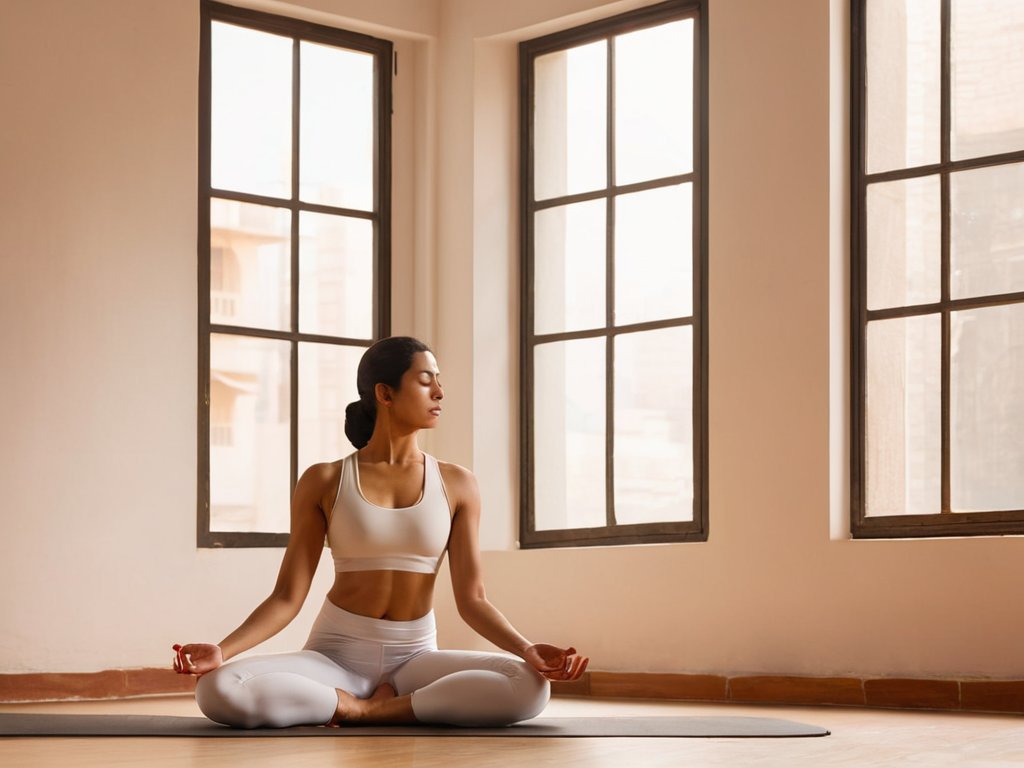
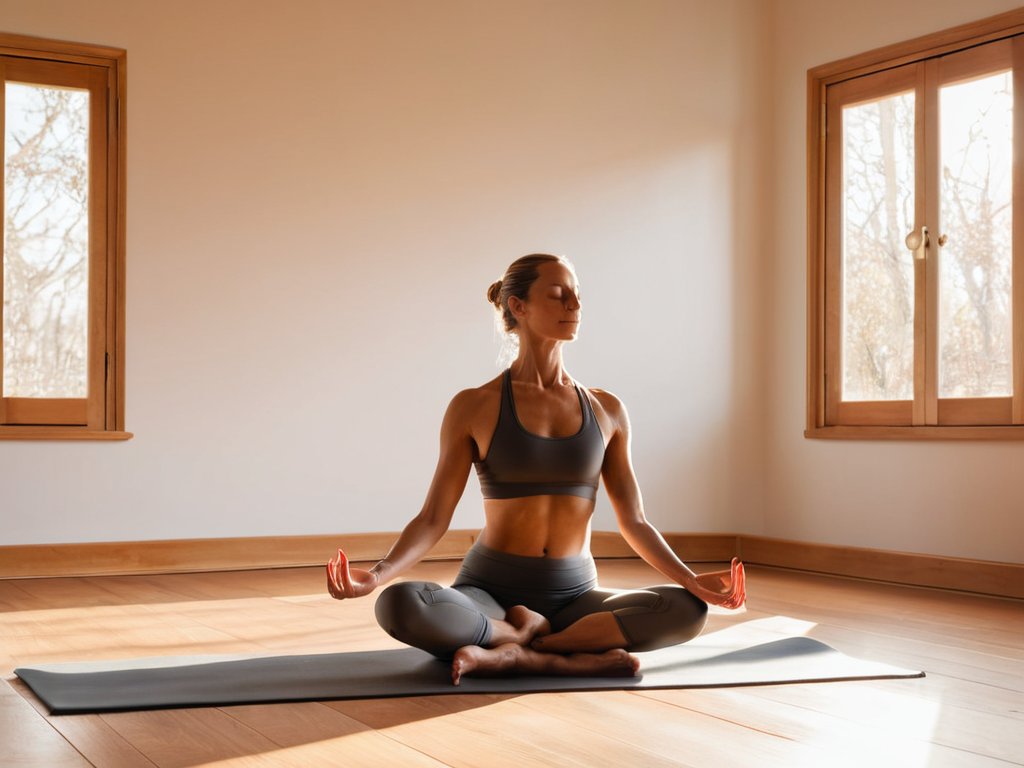
When I first rolled out a mat in a modest studio near Connaught Place, the steady rhythm of breath felt like a quiet conversation between my body and the bustling city outside. Hatha’s emphasis on grounded breath and deliberate postures gave me a sanctuary where I could observe the pulse of Delhi without being overwhelmed.
What struck me most was how Hatha serves as a cultural bridge—its slow transition between poses mirrors the gentle unfolding of a story, inviting practitioners to linger in inner stillness. Whether practiced in a London flat or a Himalayan retreat, the style’s timeless simplicity reminds us that balance is less about perfection and more about presence.
Dynamic Dance: Vinyasa Flow
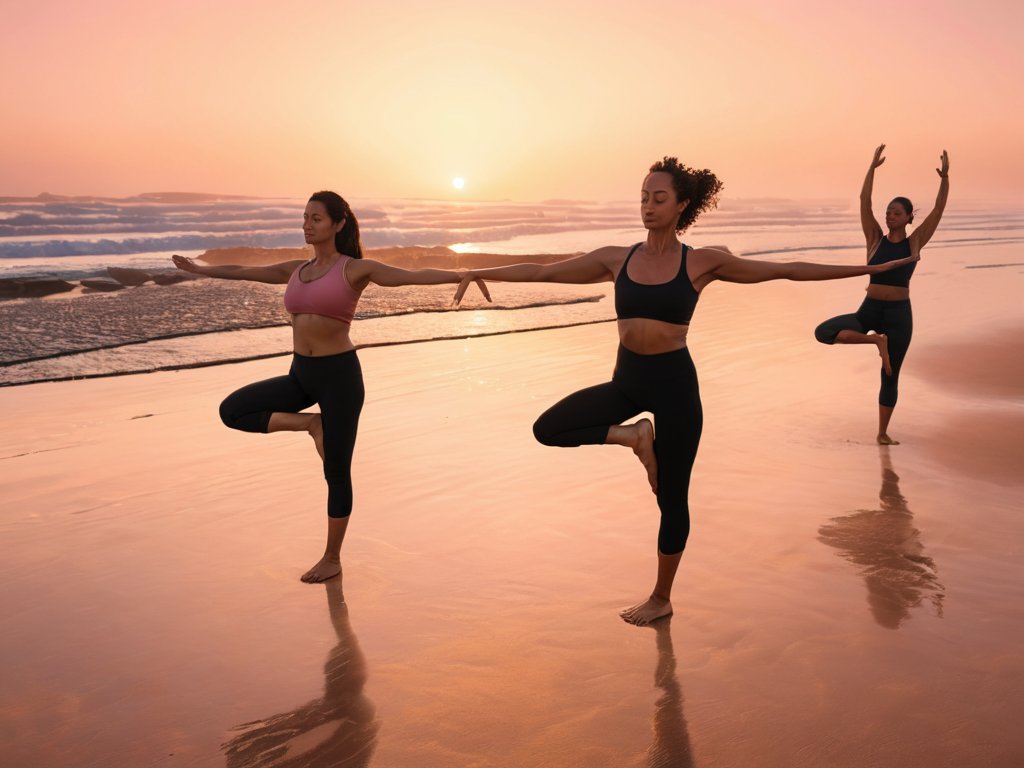
In the coastal town of Essaouira, I joined a sunrise Vinyasa class where the ocean’s cadence seemed to dictate the sequence. The fluid linking of movement felt like a living poem, each inhale and exhale weaving a narrative that echoed the tides.
What makes Vinyasa so compelling is its capacity to turn meditation into motion; the seamless flow challenges you to stay present while the body moves, creating a mind‑body dialogue that feels both exhilarating and grounding. It’s a reminder that even in our most hectic days, we can find rhythm in the chaos.
Warrior’s Path: Ashtanga Yoga
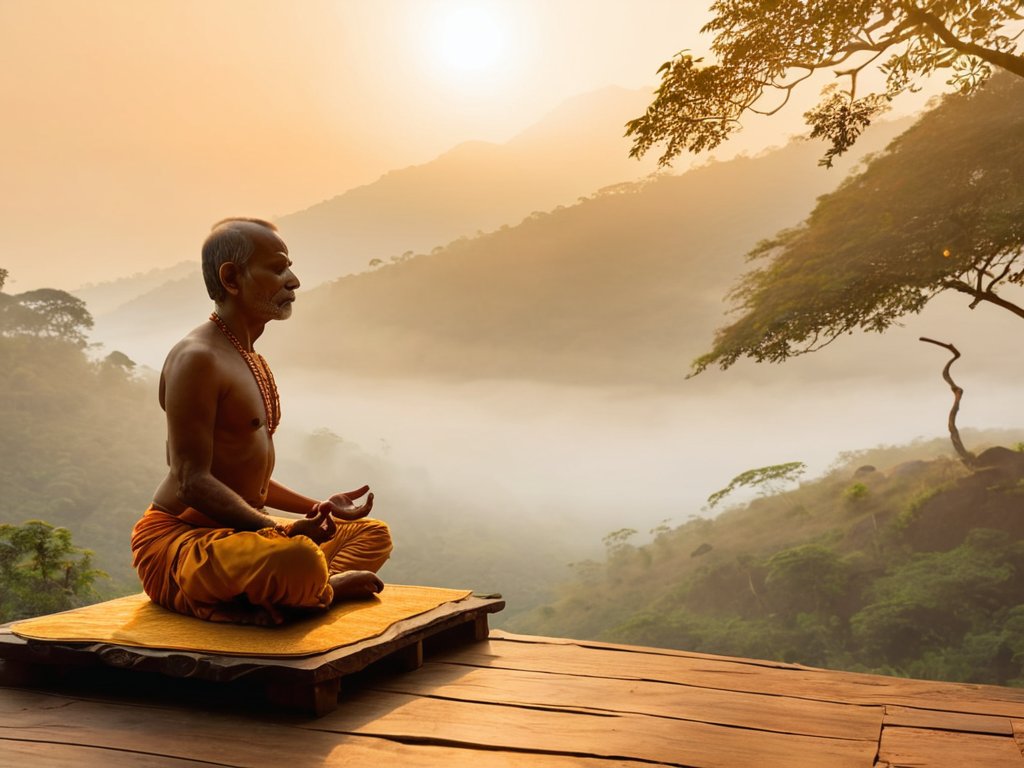
My first encounter with Ashtanga was in a modest ashram tucked away in the Western Ghats, where the sunrise painted the sky in shades of amber. The rigorous, repetitive series demanded discipline, and I quickly learned that the true battle was internal—quieting the mind long enough to meet each demanding pose.
What fascinates me about Ashtanga is its structured intensity, which cultivates resilience not just on the mat but in everyday negotiations and diplomatic dialogues. The practice becomes a mirror, reflecting how perseverance in one arena can empower us to navigate complexities elsewhere.
Quiet Depth: Yin Yoga
During a month‑long research stint in the highlands of Bhutan, I turned to Yin to counterbalance endless meetings and fieldwork. Holding each pose for several minutes felt like sinking into the earth, allowing the subtle layers of fascia to speak.
Yin’s slow, meditative pace invites a contemplation that feels almost archaeological—uncovering hidden tensions and releasing them gently. In a world that glorifies speed, this style reminds me that sometimes the most profound insights emerge from quiet surrender.
Awakening Energy: Kundalini Yoga
I first experienced Kundalini in a small community center in Nairobi, where the chanting and dynamic breathing felt like a collective surge of intention. The practice’s blend of movement, mantra, and meditation sparked a palpable electricity that seemed to lift the room.
Beyond the physical, Kundalini’s focus on awakened consciousness offers a framework for turning inner curiosity into outward action. It taught me that the fire we kindle within can illuminate pathways for cross‑cultural dialogue, turning personal growth into a catalyst for global connection.
Key Takeaways
Yoga is far more than a physical practice; each style reflects the cultural, philosophical, and historical context from which it emerged, reminding us that movement can be a dialogue between body and tradition.
Whether you seek the meditative stillness of Yin, the dynamic flow of Vinyasa, or the restorative grounding of Hatha, the diversity of yoga styles offers a personalized pathway to mental clarity and emotional resilience.
Approaching yoga with curiosity—trying new styles, listening to the stories behind them, and honoring the lineage—turns a mat session into a small act of cultural exchange, echoing the larger connections we strive for in a globalized world.
A Tapestry of Asanas
Every style of yoga is a dialect in the same universal language—each pose, breath, and rhythm whispers a different culture’s story while inviting us all to sit together on the same mat of humanity.
Alexandra Thompson
Wrapping Up: A Personal Invitation
Looking back, the five styles we unpacked—Hatha’s grounded foundations, Vinyasa’s fluid choreography, Ashtanga’s disciplined rhythm, Yin’s meditative stillness, and Kundalini’s energetic awakening—each illustrate how yoga can be tailored to body, mind, and spirit. We saw that Hatha invites beginners to build alignment, while Vinyasa turns breath into movement, creating a living sculpture of intention. Ashtanga offers a rigorous sequence that cultivates perseverance, and Yin slows the clock, letting connective tissue speak. Kundalini, with its breath‑work and mantra, reminds us that the practice can also be a gateway to inner fire. Across these traditions, the mind‑body connection remains the common thread, proving that yoga is less a one‑size‑fits‑all routine and more a palette of possibilities.
What matters most is not which label you wear on the mat, but the curiosity you bring to each breath. In my travels from the quiet ashrams of Rishikesh to rooftop studios in Reykjavik, I’ve watched strangers discover a shared language that transcends borders. When you step onto your own mat, think of yoga as a global conversation—a chance to listen to your body, honor tradition, and write a new stanza in a story that belongs to everyone. May your practice become a bridge, inviting you to explore new horizons inside and out, and remind us all that the journey toward balance is, ultimately, a collective adventure.
Frequently Asked Questions
Which yoga style is best for beginners looking to build both flexibility and strength?
When I first stepped onto a mat in a small studio in Rishikesh, I was looking for a practice that could stretch my stiff hips and also give me a solid core. Hatha‑Vinyasa fusion—often called Vinyasa Flow—proved ideal. It weaves gentle alignment work with dynamic sequences, so you gradually earn flexibility while building strength through every transition. For a beginner craving both, a steady Vinyasa class offers the perfect balance and a supportive community to keep you motivated.
How do the philosophical roots of each yoga style influence the way classes are taught?
The philosophy behind each style is the compass that shapes every breath, cue, and sequence I experience in the room. In a class rooted in Raja yoga, the teacher emphasizes mental focus and meditation, so the flow feels like a moving mantra, with quiet pauses for self‑inquiry. Vinyasa, drawing from Bhakti, invites a lyrical, heart‑centered practice—students are reminded to stay present to the music and each other. Iyengar’s classical Hatha lineage stresses alignment and anatomy, turning philosophy into precise, mindful adjustments. When Ashtanga’s Sutra wisdom drives the lesson, the teacher stresses discipline and the eight‑limb path, creating a rigorous, repeatable routine. Each tradition’s core ideas ripple through the way instructions are spoken, the pace of the practice, and the space we create together.
Can I combine elements from different yoga styles in a single practice without compromising their benefits?
Absolutely—I’ve blended Hatha’s grounded alignment with Vinyasa’s flowing breath and a dash of Yin’s gentle holds, and the result can feel like a conversation between body and mind rather than a clash. The key is to honor each tradition’s purpose: start with a clear intention, transition mindfully, and give each segment enough time to reveal its benefits. When you move with curiosity rather than force, the styles complement rather than compromise one another.