You’ve probably heard the mantra that a zero‑waste kitchen means shunning every pre‑packed item, as if the pantry were a battlefield of plastic. The counter‑intuitive truth? Sustainability thrives on smart substitution, not on an impossible total ban. I learned that on a night in a flat in New Delhi, when a power cut forced me to improvise dinner with leftovers, a simple cloth‑covered jar became my compost bin, and a spice tin turned into a container for lentils. That moment taught me that the real power lies in small, intentional swaps rather than grand, unsustainable gestures.
In the next few minutes I’ll walk you through the exact steps I use every day—how to audit your cupboards without feeling judged, which everyday items can be swapped for reusable alternatives, and how to set up a low‑maintenance compost corner that fits even in a studio flat. You’ll also get a cheat sheet for bulk‑shopping in markets from London to Kathmandu, plus troubleshooting tips for inevitable hiccups. By the end, you’ll have a realistic blueprint that turns the dream of a zero‑waste kitchen into a lived routine, not a lofty ideal.
Table of Contents
- Project Overview
- Step-by-Step Instructions
- Zerowaste Kitchen Bulk Buying Staples Global Food Stories
- Composting Food Scraps at Home Turning Waste Into Community Soil
- Diy Reusable Produce Bags Plasticfree Storage for Global Kitchens
- Five Practical Zero‑Waste Kitchen Tips for Global Citizens
- Key Takeaways for a Truly Zero‑Waste Kitchen
- Zero‑Waste Kitchen Wisdom
- Closing the Loop: A Kitchen That Connects Worlds
- Frequently Asked Questions
Project Overview
Total Time: 3 hours
Estimated Cost: $30 – $60
Difficulty Level: Intermediate
Tools Required
- Scissors
- Saucepan (for melting beeswax)
- Baking Sheet (lined with parchment paper)
- Paintbrush (silicone tip for applying wax)
- Sewing Needle (or a small sewing machine)
- Measuring Cups
- Tongs
Supplies & Materials
- Organic Cotton Fabric (cut into desired sizes)
- Beeswax Pellets (approx. 2 pounds)
- Jojoba Oil (for flexibility)
- Pine Resin (optional) (adds tackiness)
- Glass Jars with Lids (for bulk storage)
- Compost Bin (small countertop model)
- Reusable Silicone Food Bags (for freezer storage)
Step-by-Step Instructions
- 1. Start with a kitchen audit. I walk through my pantry, fridge, and cabinets, jotting down every single item I own on a notepad. By grouping foods into categories—dry goods, fresh produce, spices—I can spot redundancies and see where bulk bins could replace pre‑packaged jars. This simple inventory becomes the roadmap for every future purchase.
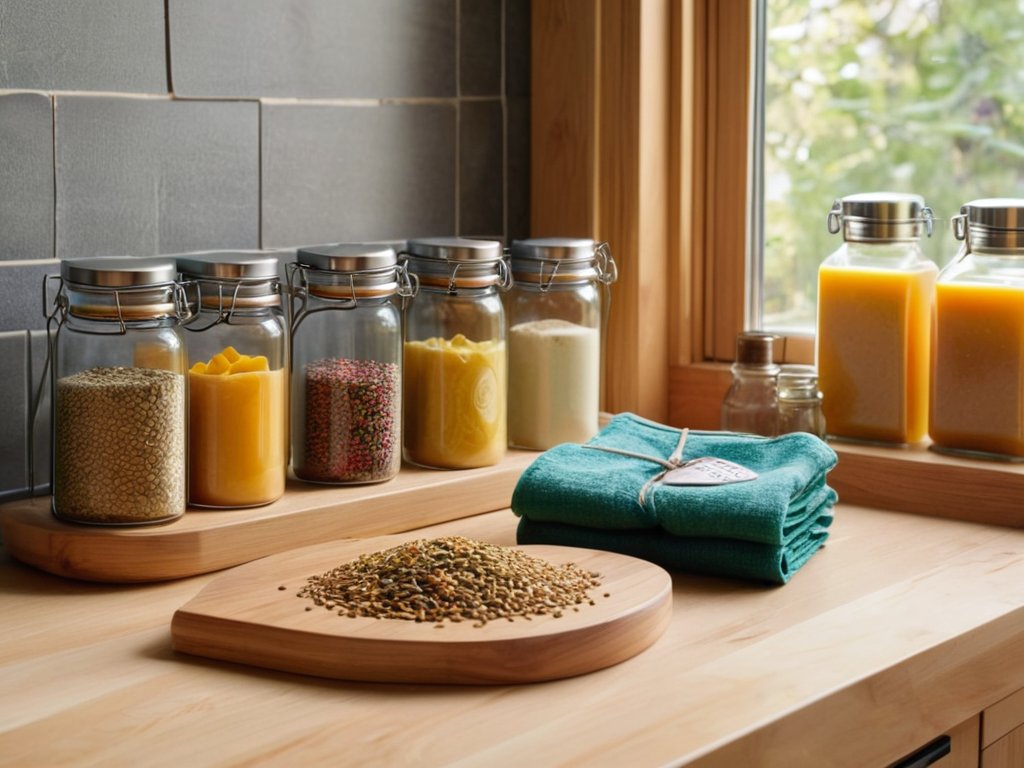
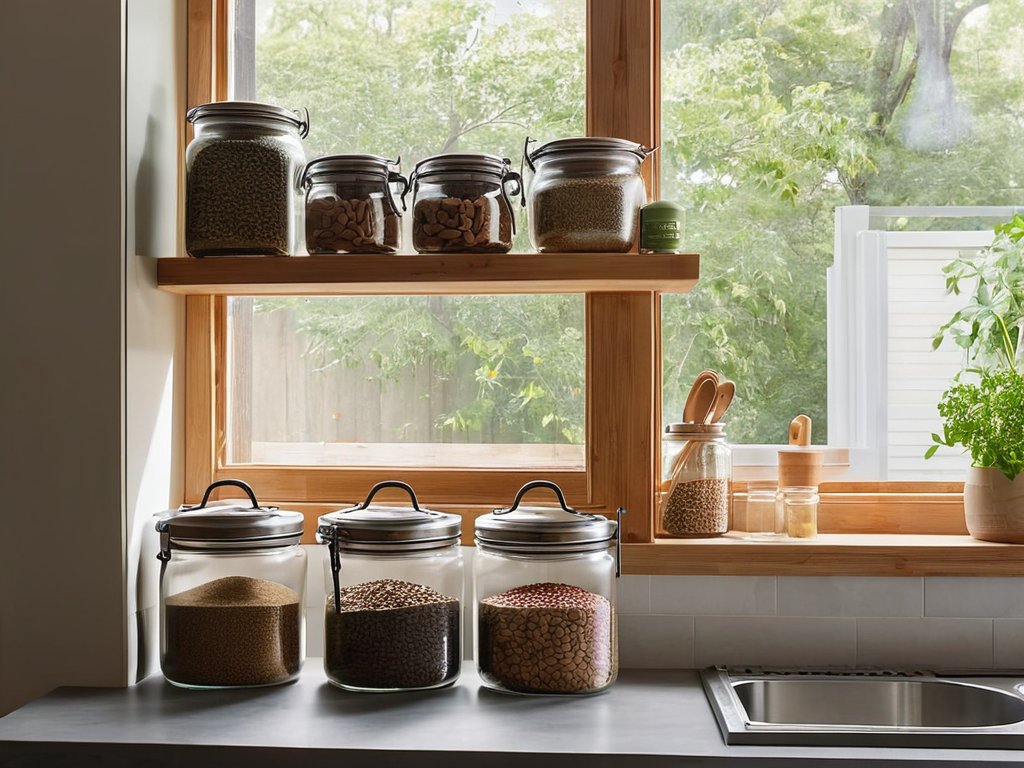
- 2. Swap single‑use packaging for reusable containers. I keep a rotating set of glass jars, stainless‑steel tins, and silicone bags on the countertop, so when I shop at the local market I can immediately transfer grains, legumes, and herbs into them. Each time I close a lid, I feel a small triumph, knowing that one less plastic will ever see the landfill.
- 3. Embrace the “buy‑what‑you‑need‑today” mindset for perishables. Before I head to the grocery store, I check the contents of my fridge and plan meals around what’s already there. I then buy only the exact amount of fresh produce required, using a kitchen scale to measure portions. This habit cuts down on over‑ripening and the inevitable waste that follows.
- 4. Create a compost station right in the kitchen. I place a sleek, charcoal‑lined bin on the counter for fruit peels, coffee grounds, and herb stems. Once a week I transfer the contents to my outdoor compost heap, where the scraps become nutrient‑rich soil for my balcony herb garden. Turning waste into living soil feels like closing a nourishing loop.
- 5. Implement a “zero‑waste cleaning” routine. Instead of disposable wipes, I keep a spray bottle of diluted white vinegar and a stack of reusable microfiber cloths. For stubborn stains, a paste of baking soda and water does the trick. Each cleaning session reminds me that simple ingredients can replace a whole aisle of chemical cleaners.
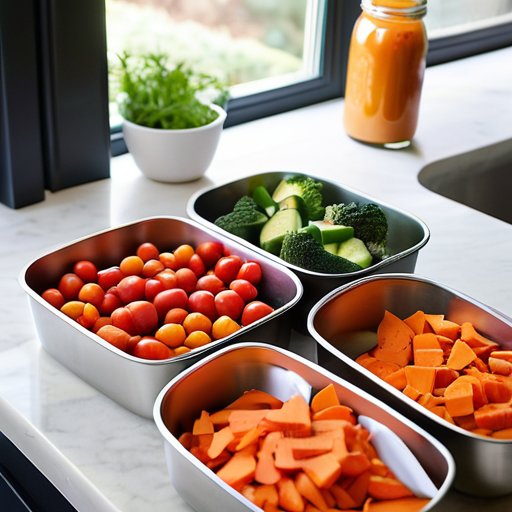
- 6. Preserve surplus food through fermentation or freezing. When I have extra vegetables, I slice them and flash‑freeze them in portion‑size bags, labeling each with the date. For herbs, I blend them with olive oil and freeze the mixture in ice‑cube trays. These techniques extend shelf life and turn potential waste into ready‑to‑use flavor boosters.
Zerowaste Kitchen Bulk Buying Staples Global Food Stories
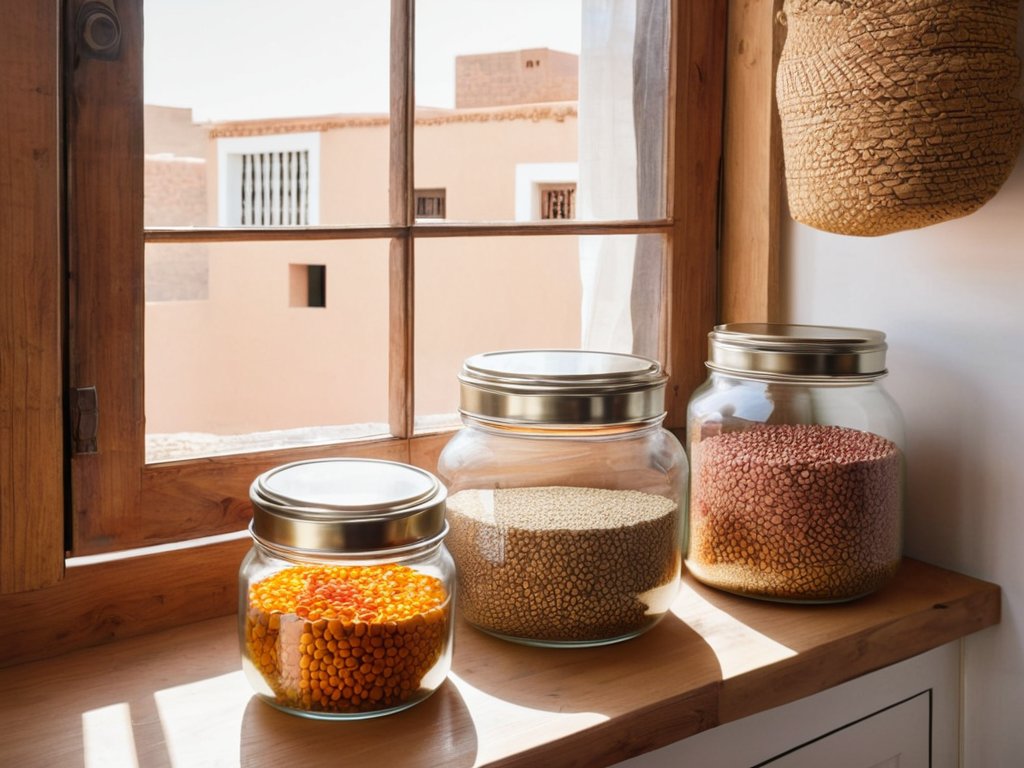
Whenever I step into the bustling souks of Marrakech, buying in bulk feels like a centuries‑old practice. I fill a tin with lentils, a burlap sack with rice, and a glass jar with cumin, then head home knowing I’ve avoided the single‑use packets that line most aisles. Bulk buying pantry staples trims my grocery bill and forces me to think about storage, so I keep a handful of plastic‑free food storage ideas on the shelf—mason‑jar lids, bamboo canisters, and DIY reusable produce bags stitched from old saris.
Back in my London flat, the rhythm of the week is set by the scraps I collect—carrot tops, coffee grounds, wilted coriander. I practice composting food scraps at home, feeding them into a modest bin that turns yesterday’s leftovers into tomorrow’s garden gold. This habit dovetails with my zero‑waste meal planning tips: I design menus around what’s already in the fridge, then finish the day polishing an upcycled kitchen utensil—a spoon fashioned from a reclaimed wine cork. Pairing that with an energy‑efficient cooking appliance like my induction hob makes each meal feel like a quiet act of diplomacy with the planet.
Composting Food Scraps at Home Turning Waste Into Community Soil
When I first tried composting in a cramped flat in Delhi’s Chandni Chowk, I learned that the humble banana peel can become a diplomatic bridge. I set out a simple three‑bucket system—one for greens, one for browns, and a third for finished compost—and tucked it behind my kitchen door, where the scent of turmeric and cumin mingled with fresh earth. Within weeks, the dark, crumbly soil I harvested fed a neighborhood rooftop garden, turning my daily waste into a shared harvest that neighbors from Bangladesh to Kenya now barter for at our weekly “soil swap” gatherings.
Back in a London terraced house, the same principle takes on a different rhythm. I pair my compost bin with a community compost hub on the high street, where the leftovers from my Sunday roast mingle with oat husks from a Scottish bakery and mango skins from a Ghanaian market stall. The resulting loam is not just fertilizer; it is a living ledger of the flavors and cultures that pass through my kitchen, reminding me that every peel, seed, or coffee grounds carries a story that can nourish both garden and community.
Diy Reusable Produce Bags Plasticfree Storage for Global Kitchens
In Oaxaca’s market I swapped a flimsy plastic sack for a hand‑stitched muslin pouch dyed with indigo by a local cooperative. Sewing my own produce bag felt like stitching a story—one that begins with the farmer’s field, the weaver’s loom, and ends on my kitchen counter. Now I keep a handful of these bags in every kitchen I set up, from a rooftop flat in Mumbai to a loft in Berlin.
Beyond the bag, I’ve turned the pantry into a small museum of glass and clay. Wide‑mouth jars salvaged from a home in Dublin now hold everything from Sri Lankan coconut milk to South African biltong, each sealed with a reusable bamboo lid that clicks like a passport stamp. When the lids click shut, I hear an affirmation that food can travel across borders without leaving a single piece of plastic behind.
Five Practical Zero‑Waste Kitchen Tips for Global Citizens
- Embrace the art of “nose‑to‑tail” cooking: use every part of vegetables, fruits, and proteins, turning stems, skins, and bones into flavorful stocks or sauces.
- Shop the “bulk aisle” with reusable jars and cloth bags, letting you measure only what you need while supporting local producers and cutting packaging waste.
- Set up a three‑bucket system—compost, recycling, and landfill—right by your prep station, making waste sorting as instinctive as chopping onions.
- Create a “home pantry rotation” calendar: label jars with purchase dates and plan meals around older items to prevent forgotten spoilage.
- Invest in versatile, airtight containers made from glass or stainless steel, and pair them with silicone lids or beeswax wraps to keep leftovers fresh without single‑use plastics.
Key Takeaways for a Truly Zero‑Waste Kitchen
Bulk buying isn’t just about savings; it’s a cultural exchange—each sack of lentils or rice carries stories from the fields that fed families across continents, and it reduces packaging that clutters our planet.
Composting kitchen scraps turns yesterday’s dinner into tomorrow’s garden, creating a living bridge between urban dwellers and the soil that nourishes communities worldwide.
DIY reusable produce bags and plastic‑free storage transform everyday chores into acts of stewardship, reminding us that the smallest pouch can hold the weight of global sustainability.
Zero‑Waste Kitchen Wisdom
A zero‑waste kitchen isn’t just a pantry—it’s a passport; every saved peel, every reusable jar, maps a journey from our table to distant fields, reminding us that the smallest act of stewardship stitches together the stories of countless cultures.
Alexandra Thompson
Closing the Loop: A Kitchen That Connects Worlds
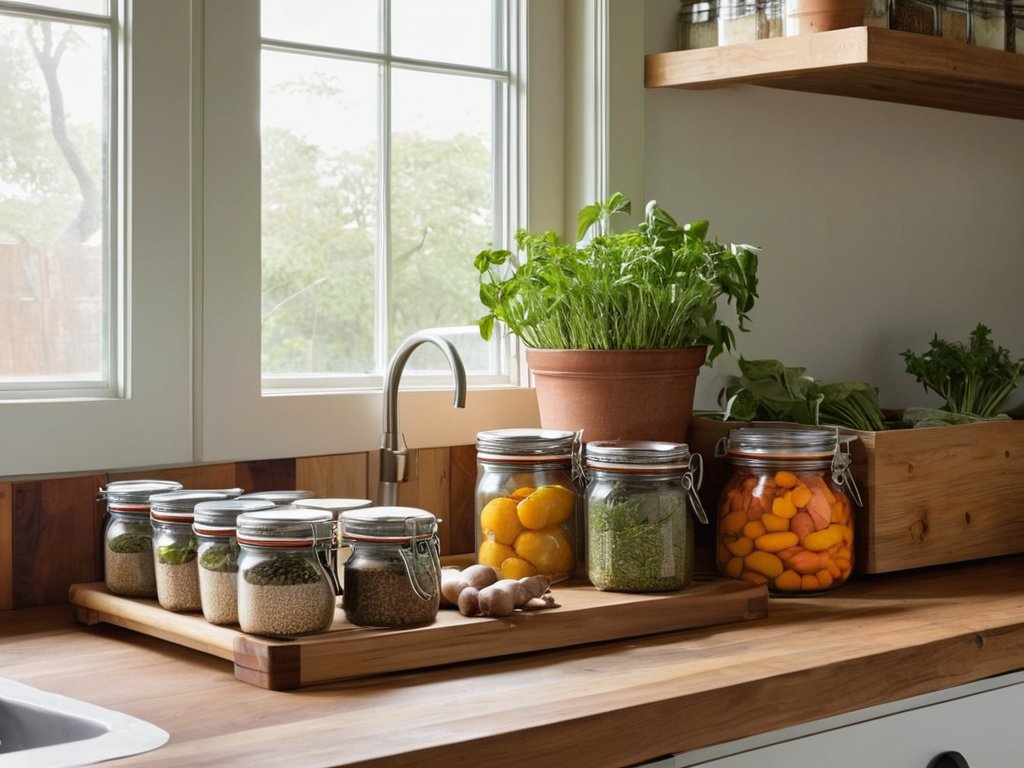
Looking back over the steps we’ve walked together, the picture that emerges is simple yet profound: a kitchen that respects both the plate and the planet. By buying staples in bulk, we cut packaging and open a dialogue with farmers across continents, turning each grain into a global food story. Composting citrus peels, onion skins, and coffee grounds transforms what would have been waste into nutrient‑rich soil that can feed community gardens, while DIY reusable produce bags and airtight, plastic‑free containers keep fresh ingredients alive longer. Each habit—whether it’s rinsing jars for refill stations or swapping single‑serve sauces for family‑size jars—reinforces the core promise of a zero‑waste kitchen: less trash, more connection.
Imagine the ripple that begins when you place a compost bin on your countertop or hand a neighbor a reusable bag at the market. Those small gestures become threads in a larger tapestry, linking the spice stalls of Marrakech, the tea gardens of Assam, and the rooftop farms of Copenhagen. When we choose to keep food alive longer, we also keep stories alive—recipes passed down, lessons learned from distant kitchens, and the shared hope of a sustainable future. I invite you to let your kitchen become a passport, a place where every zero‑waste decision writes a new chapter in the collective narrative of humanity. Let’s turn the ordinary into an act of global stewardship.
Frequently Asked Questions
How can I start a zero‑waste kitchen on a tight budget?
Starting a zero‑waste kitchen doesn’t need a budget—just mindset I first learned in a Delhi market where every vegetable leaf is a promise. Begin by scanning your pantry for reusable jars you own; repurpose them for grains, spices, or sauces. Swap packets for a cloth bag you can stitch from old T‑shirts. Finally, plan meals around what you have, turning leftovers into soups or stir‑fries. Small swaps add up, and the savings feel like a victory.
What are the best ways to store bulk grains and legumes without using plastic containers?
From my stays in the Andes to Kerala, I use plastic‑free tricks for bulk grains and legumes. I line food‑grade buckets with cotton muslin or parchment, seal them with wooden lids or tightly‑knotted cloths, and store them in a cool, dark pantry with bay leaves or charcoal to control moisture. For smaller portions I choose glazed ceramic jars, bamboo bins lined with rice‑husk paper, or reclaimed glass bottles with cork stoppers—each keeps my vintage globe collection plastic‑free.
How can I compost food scraps or manage waste if I live in an apartment without a garden?
Living in a high‑rise in Mumbai taught me that compost isn’t a garden‑only luxury. I start by setting up a slim, airtight “worm bin” on my kitchen shelf—red wigglers love banana peels, coffee grounds and tea bags. When the bin fills, I’m invited to drop the dark, crumbly soil at my building’s community compost hub, where it becomes tea‑garden fertilizer for the rooftop terrace. If a hub isn’t nearby, a local food‑waste collection service works just as well.