I still remember walking into a friend’s kitchen and being amazed by the smart kitchen technology that seemed to make cooking effortless. The refrigerator could order groceries, the oven could be controlled remotely, and the kitchen was filled with the aroma of freshly baked bread, thanks to a smart bread maker. But as I delved deeper into the world of smart kitchens, I began to notice a disconnect between the hype and the reality. Many of the devices seemed to be solutions looking for problems, and the prices were astronomical. As someone who’s passionate about sustainable living, I couldn’t help but feel that smart kitchen technology should be more about making our lives easier and more environmentally friendly, rather than just a status symbol.
As I share my thoughts on smart kitchen technology, I promise to cut through the noise and provide you with practical advice on how to create a kitchen that’s truly smart, not just expensive. I’ll draw from my experiences traveling to different parts of the world and learning about various cuisines and cooking techniques. My goal is to show you that smart kitchen technology can be a tool for cultural exchange and environmental sustainability, rather than just a fancy gadget. I’ll share stories of people who are using smart kitchen devices to make a positive impact on their communities, and provide tips on how you can do the same. By the end of this article, you’ll have a better understanding of how smart kitchen technology can be a powerful tool for creating a more connected and sustainable food system.
Table of Contents
Smart Kitchen Technology
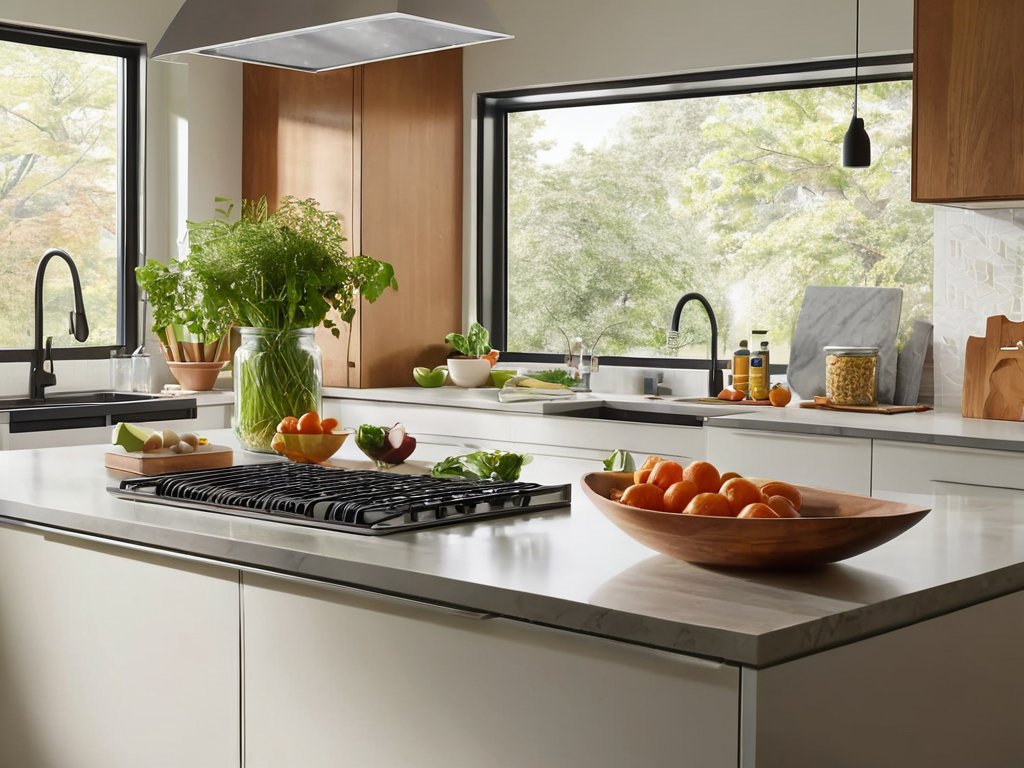
As I reflect on my travels to remote locations, I’ve noticed a significant shift in the way people interact with their kitchens. The integration of voice controlled kitchen devices has become increasingly popular, allowing homeowners to streamline their cooking processes with ease. I recall visiting a friend’s kitchen in Tokyo, where they had installed an automated system that could recognize the ingredients they had in stock and suggest recipes accordingly. This level of innovation has not only made cooking more efficient but also reduced food waste.
During my cultural exchange programs, I’ve had the opportunity to experience various approaches to meal planning. Automated meal planning tools have been particularly impressive, as they can take into account dietary restrictions, ingredient availability, and even personal preferences. I’ve seen how these tools can bring families and communities together, fostering a sense of collaboration and creativity in the kitchen. By leveraging these technologies, we can create a more sustainable food system, one that prioritizes local ingredients, reduces waste, and promotes healthy eating.
In my own kitchen, I’ve started to experiment with wireless cooking thermometers, which have been a game-changer for achieving perfectly cooked meals. The ability to monitor temperatures remotely has given me more freedom to focus on other aspects of cooking, like exploring new recipes and flavors. As I continue to explore the world of kitchen gadget integration systems, I’m excited to see how these technologies will shape the future of cooking and food culture.
Automated Meal Planning Tools Enlighten
As I reflect on my travels to remote locations, I’ve noticed a common thread – the joy of sharing meals with locals. This experience has led me to appreciate the value of intelligent meal planning, which can simplify the cooking process and bring people together. Automated meal planning tools have the potential to revolutionize the way we approach food, making it easier to prepare healthy and delicious meals.
In my own kitchen, I’ve started experimenting with recipe suggestions based on the ingredients I have on hand. This approach has not only reduced food waste but also introduced me to new flavors and cuisines. By leveraging automated meal planning tools, we can uncover new culinary possibilities and make the cooking experience more enjoyable and interactive.
Voice Controlled Kitchen Devices Simplify
As I reflect on my travels to remote locations, I’ve noticed a significant shift in how people interact with their kitchen spaces. The introduction of voice controlled kitchen devices has been a game-changer, allowing for a more seamless and hands-free experience.
In many of the homes I’ve visited, smart home assistants have become the hub of the kitchen, simplifying tasks such as setting timers, converting units, and even providing recipe instructions.
Intelligent Cooking Made Easy
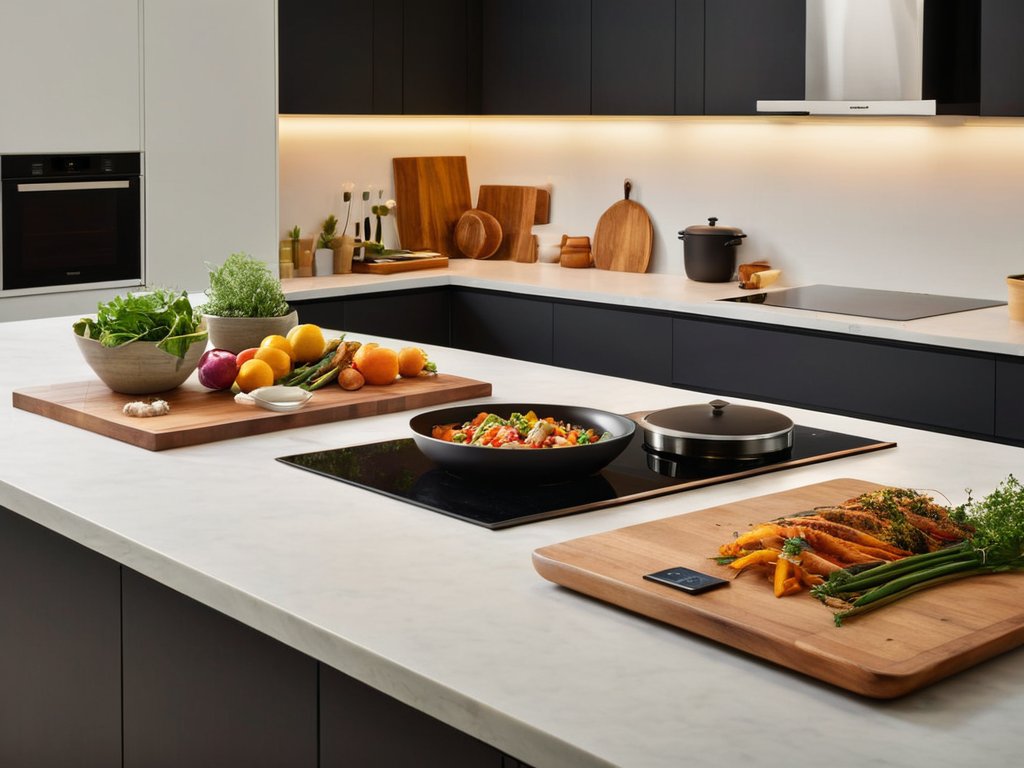
As I reflect on my travels to remote locations, I’ve noticed a common thread – the joy of sharing meals with locals. This experience has led me to appreciate the value of intelligent cooking systems that can simplify the process, making it more enjoyable for everyone involved. In my own kitchen, I’ve started experimenting with wireless cooking thermometers that ensure perfectly cooked dishes every time.
One of the most significant advantages of intelligent cooking is the ability to streamline meal preparation. With automated meal planning tools, home cooks can effortlessly plan and prepare healthy, delicious meals. These tools can even suggest recipes based on the ingredients available in the kitchen, reducing food waste and saving time. I’ve seen this in action during my cultural exchange programs, where participants from different backgrounds come together to share recipes and cooking techniques.
In my collection of vintage globes, I often find myself pondering the intersection of tradition and innovation in the kitchen. The integration of kitchen gadget integration systems has made it possible to control multiple devices with a single interface, creating a seamless cooking experience. As someone who values voice controlled kitchen devices, I appreciate the convenience and efficiency they bring to the cooking process. Whether I’m cooking for myself or sharing a meal with friends, these intelligent systems have become an indispensable part of my kitchen.
Smart Refrigerator Organization Optimized
As I reflect on my travels to Japan, I noticed how smart storage solutions can completely transform the way we interact with our kitchens. From automatic grocery lists to intelligent shelf life monitoring, these innovations have the potential to reduce food waste and make our lives easier.
In my own kitchen, I’ve started implementing some of these principles, using intuitive labeling systems to keep track of expiration dates and optimize my fridge’s layout. It’s amazing how such small changes can add up to make a big difference in our daily routines, and I’m excited to see how smart kitchen technology will continue to evolve and improve our relationship with food.
Wireless Cooking Thermometers Ensure Perfection
As I reflect on my travels to different parts of the world, I’ve noticed a common thread – the pursuit of culinary perfection. In many cultures, cooking is not just about sustenance, but an art form that brings people together. With the advent of smart cooking tools, home cooks can now achieve restaurant-quality dishes with ease. One such innovation that has caught my attention is the wireless cooking thermometer, which ensures that meats are cooked to the perfect temperature every time.
I’ve had the chance to try out these thermometers in various kitchens, from a small café in Tokyo to a family-run restaurant in Tuscany. The results are nothing short of remarkable, with precise temperature control allowing for a level of consistency that was previously unimaginable. Whether you’re a seasoned chef or a novice cook, these thermometers take the guesswork out of cooking, allowing you to focus on the creative aspects of meal preparation.
5 Essential Tips to Get the Most Out of Your Smart Kitchen
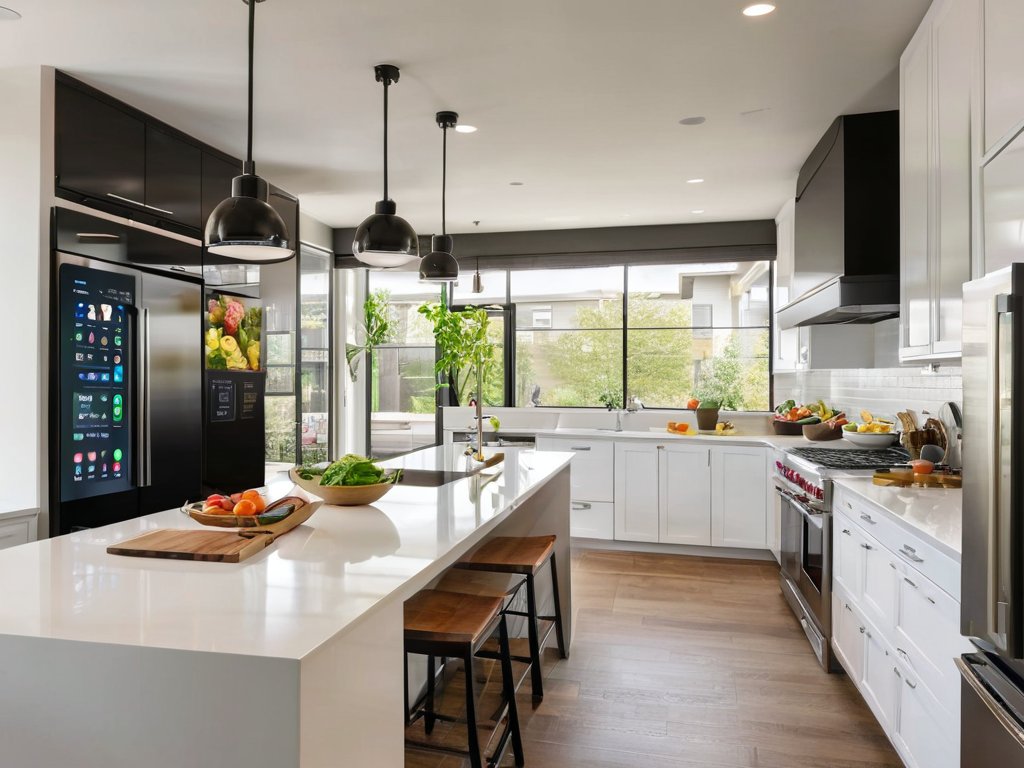
- I invest in devices that integrate seamlessly with each other, creating a holistic smart kitchen experience that simplifies my cooking routine
- Regularly updating my smart kitchen devices’ software ensures I have the latest features and security patches, giving me peace of mind
- Using automated meal planning tools helps me reduce food waste and discover new recipes, making cooking a more enjoyable and sustainable experience
- Implementing a smart refrigerator organization system has been a game-changer for me, as it helps me keep track of expiration dates and makes grocery shopping more efficient
- Experimenting with different voice commands and smart display recipes has taken my cooking to the next level, allowing me to focus on the creative process rather than tedious tasks
Key Takeaways for a Smarter Kitchen
I’ve discovered that integrating smart kitchen technology can significantly simplify our daily routines, from voice-controlled devices that streamline tasks to automated meal planning tools that reduce food waste
Through my exploration of intelligent cooking solutions, I’ve found that smart refrigerators and wireless cooking thermometers can optimize food storage and ensure perfectly cooked meals, making the cooking process more efficient and enjoyable
Ultimately, my journey into the world of smart kitchen technology has shown me that these innovations have the potential to not only transform our kitchens but also contribute to a more sustainable and connected food system, which is a prospect that truly excites me as a global citizen
Reflections on the Future of Cooking
As we stand at the threshold of a culinary revolution, I firmly believe that smart kitchen technology has the potential to weave together the threads of community, culture, and innovation, transforming not just the way we cook, but the way we connect with each other and the world around us.
Alexandra Thompson
Conclusion
As I reflect on the advancements in smart kitchen technology, it’s clear that these innovations have the potential to revolutionize the way we cook, eat, and interact with our kitchens. From voice controlled kitchen devices that simplify our daily routines to automated meal planning tools that enlighten us on healthier options, the possibilities are endless. The integration of intelligent cooking systems, including smart refrigerators and wireless cooking thermometers, has made cooking easier and more enjoyable than ever before.
As we look to the future, it’s exciting to think about the role that smart kitchen technology will play in shaping our relationship with food and the environment. By embracing these innovations, we can create a more sustainable food system that not only benefits our health but also the planet. As someone who’s passionate about cultural exchange and understanding, I believe that smart kitchen technology has the power to bring people together, one delicious meal at a time, and inspire a new wave of culinary innovation.
Frequently Asked Questions
How will smart kitchen technology change the way we plan and prepare meals on a daily basis?
As I reflect on my travels, I’ve seen how smart kitchen technology is revolutionizing meal planning and prep. With automated tools and voice-controlled devices, home cooks can now easily discover new recipes, manage ingredients, and even streamline cooking processes, making the daily routine of planning and preparing meals more efficient and enjoyable.
What are the potential security risks associated with connecting kitchen appliances to the internet?
As I’ve traveled to various countries, I’ve seen the convenience of smart kitchens, but I’ve also witnessed concerns about security. Connecting kitchen appliances to the internet can indeed pose risks, such as data breaches and hacking, which could compromise personal info and even lead to physical harm if appliances are manipulated remotely.
Can smart kitchen devices really make a significant impact on reducing food waste and promoting sustainable cooking practices?
I firmly believe that smart kitchen devices can play a pivotal role in reducing food waste and promoting sustainable cooking practices. By streamlining meal planning, optimizing storage, and providing real-time monitoring, these devices can help us make more informed decisions about the food we buy, cook, and discard, ultimately contributing to a more environmentally conscious kitchen.