I was kneeling in the dust of a rooftop garden in Marrakech, the sun already flirting with the horizon, when a sudden gust scattered a handful of rosemary into the air. In that breath‑caught moment, I realized the mindful gardening space I had been chasing wasn’t about exotic plants or immaculate rows—it was about the quiet dialogue between soil, scent, and the self. The myth that a mindful garden must be a sprawling, perfectly pruned oasis instantly fell away, replaced by the simple truth that intention, not acreage, cultivates presence.
In the next few minutes, I’ll walk you through the exact steps I use to turn any patch—whether it’s a balcony in Berlin or a courtyard in Kathmandu—into a mindful gardening space that invites reflection without demanding perfection. You’ll learn how to map the ground with sensory zones, choose plants that speak the language of your seasons, weave simple breathing rituals into watering, and set up low‑maintenance structures that whisper rather than shout. By the end, you’ll have a practical, no‑fluff blueprint that lets you nurture both the earth and your inner calm, one seed at a time.
Table of Contents
- Project Overview
- Step-by-Step Instructions
- Mindful Gardening Space Cultivating Global Connections Through Design
- Creating a Meditation Garden at Home a Crosscultural Blueprint
- Mindful Garden Layout Tips Designing Spaces That Invite Dialogue
- Key Takeaways
- A Garden as a Global Dialogue
- Cultivating Calm: A Global Closing Thought
- Frequently Asked Questions
Project Overview
Total Time: 4 hours 30 minutes
Estimated Cost: $80 – $150
Difficulty Level: Intermediate
Tools Required
- Spade (for digging soil)
- Garden Trowel
- Pruning Shears (sharp for clean cuts)
- Garden Fork (to loosen soil)
- Watering Can (with rose head)
- Measuring Tape (to plan layout)
- Garden Gloves (protect hands)
Supplies & Materials
- Organic Potting Soil (2 bags)
- Compost (1 cubic foot)
- Mulch (bark or straw) (3 inches depth)
- Native Perennial Plants (selection of 5 varieties)
- Decorative Pebbles (for pathways)
- Garden Markers (recycled wood)
- Solar Garden Lights (2-3 for ambiance)
Step-by-Step Instructions
- 1. First, I lay the groundwork by choosing a quiet corner of my garden where the rustle of leaves feels like a gentle conversation. I clear the area of debris, loosen the soil with a sturdy fork, and sprinkle a thin layer of compost—the earth’s own memory—to invite nourishment for every seed I’ll plant.
- 2. Next, I map out intentional planting zones that correspond to the emotions I wish to cultivate: a fragrant herb patch for calm, bright marigolds for optimism, and a winding path of lavender for reflective walks. I use a simple sketch on graph paper, marking each spot with a colored marker, then transfer the design onto the ground with stakes and twine.
- 3. Then, I select mindful plant varieties that tell a story across cultures—Japanese maple for resilience, African baobab seedlings for patience, and Mediterranean rosemary for clarity. I plant each seedling at the depth recommended on its tag, patting the soil gently around the roots while whispering a hopeful intention, turning the act of planting into a quiet ritual.
- 4. After the plants are in place, I create sensory touchpoints: smooth river stones along the pathway, a reclaimed wooden bench painted in muted teal, and a small water feature that bubbles like distant laughter. I arrange these elements deliberately, ensuring each can be reached without disturbing the foliage, inviting visitors to pause and breathe.
- 5. I then weave mindful practices into the garden’s daily rhythm. Each morning, I spend five minutes seated on the bench, observing the sunrise through the canopy, and each evening I water the beds with intention, counting each breath as the water meets the soil—a meditation in motion that grounds both plant and person.
- 6. Finally, I nurture the space’s community spirit by inviting neighbors for a monthly “story‑seed” gathering. We share a cup of tea, exchange seedlings from our own backyards, and discuss how the garden’s growth mirrors our personal journeys. This ritual transforms the garden from a private sanctuary into a living tapestry of shared experience.
Mindful Gardening Space Cultivating Global Connections Through Design
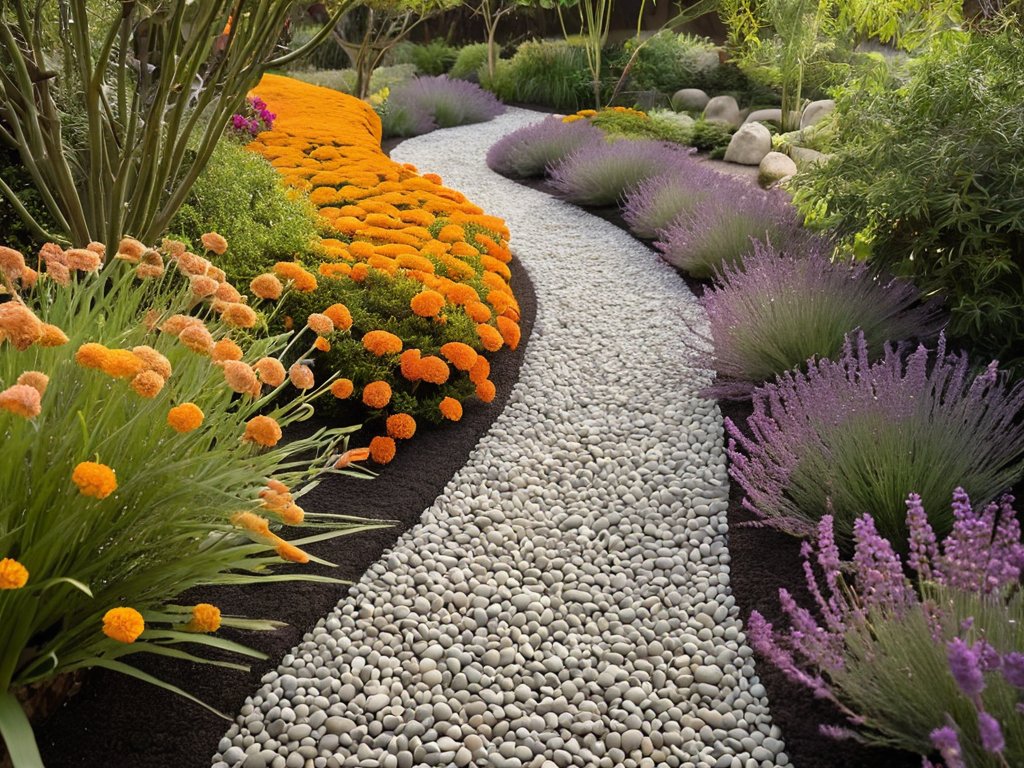
Whenever I sketch a new plot, I start by asking which story the soil should tell. A simple mindful garden layout tip is to weave a thin pebble pathway that mimics the rivers of the Ganges or the terraced fields of the Andes; each step becomes a quiet invitation to pause and recall a far‑off landscape. I pair those pathways with calming garden plant selections—lavender from Provence, bamboo from Kyoto, and marigold from Jaipur—so the scent and silhouette transport visitors across continents without leaving the yard.
Even a balcony can become a sanctuary when you think globally. For those wondering how to incorporate mindfulness in a plot, I recommend a small space zen garden DIY using reclaimed terracotta pots painted with motifs from West Africa and Pacific. Fill the base with sustainably sourced sand, sprinkle a few polished river stones, and place a bonsai or dwarf olive tree—plants that thrive on minimal water yet exude resilience. By practicing sustainable mindful gardening practices such as composting kitchen scraps and harvesting rainwater, the garden not only nurtures soul but also mirrors stewardship traditions of cultures I’ve encountered in Delhi, Marrakech, and Reykjavik.
Creating a Meditation Garden at Home a Crosscultural Blueprint
Every time I step into a quiet courtyard—whether the stone‑lined tea garden in Kyoto or the fragrant tiled oasis of a Marrakech riad—I hear an invitation to pause. I mapped those sensations onto my London flat, sketching a sanctuary that blends Korean stone steps, an Indian mandala pattern, and Chinese bamboo chimes. A globe from my collection sits at the center, reminding me that meditation is a dialogue between self and the world.
In practice I begin with a 6‑foot square of decking, then lay a sand‑filled basin edged with river stones, echoing a Japanese karesansui. Around it I place dwarf lavender for scent, a potted sage for cleansing smoke, and a Japanese maple that turns fiery in autumn. A stone bench faces east for sunrise contemplation, while a speaker drifts temple bells, stitching together a soundscape that feels intimate and globally resonant.
Mindful Garden Layout Tips Designing Spaces That Invite Dialogue
When I sketch a garden layout, I start by imagining the garden as a round‑table discussion—paths become aisles, planting beds turn into speaking‑circles, and each corner whispers a different cultural tale. I like to anchor the space with a low, weather‑worn bench made of reclaimed teak, the kind I first saw in a village market outside Oaxaca; it invites strangers to linger, share tea, and exchange stories. Around it, I plant fragrant herbs—basil from my grandmother’s kitchen in Delhi, rosemary from a Greek hillside, and lemongrass that recalls the monsoon breezes of my childhood home. Their scents rise like conversation starters, prompting visitors to pause and ask, “Where does that aroma come from?”
A subtle, ripple‑shaped pathway—drawn from the concentric lines of a 1960s vintage globe I keep on my desk—guides foot traffic around the garden, creating natural “conversation loops.” I punctuate these loops with low, raised beds that double as informal podiums, where a child can read a short poem in Swahili or an elder can recount a folk tale. By aligning sightlines toward a central water feature—a shallow, reflective basin framed by stones collected during a trek through the Scottish Highlands—I give the space a quiet focal point that encourages contemplation before dialogue begins. In this way, the garden’s geometry itself becomes a silent moderator, nudging people toward connection.
Key Takeaways
A mindful garden is more than a layout – it becomes a living dialogue, where each plant, scent, and stone echoes a cultural story that invites conversation.
Thoughtful design—using pathways that meander like trade routes, seating that faces sunrise or sunset, and multilingual signage—turns a private space into a micro‑forum for global exchange.
Regular, intentional moments of presence in the garden nurture both personal well‑being and collective empathy, reminding us that caring for the earth is a shared, cross‑cultural responsibility.
A Garden as a Global Dialogue
In a mindful garden, every seed is a story, every blossom a conversation—cultivating not just soil, but the quiet bridges between cultures.
Alexandra Thompson
Cultivating Calm: A Global Closing Thought
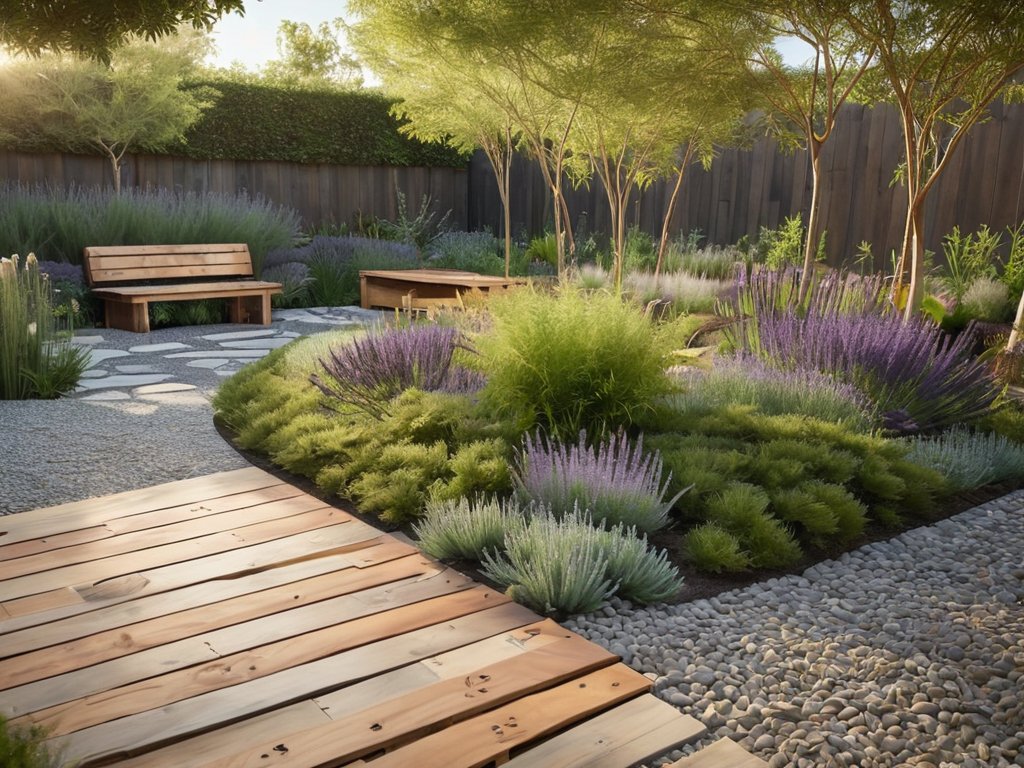
Looking back over the steps we’ve unpacked, the heart of a mindful gardening space lies in intentional design that honors both soil and story. We began by mapping zones that naturally guide foot traffic, placing seating where diverse scents intersect and conversation can bloom. Choosing plants native to the region—while sprinkling in a few species that echo distant traditions—creates a living dialogue between continents. Simple elements such as water features, stone pathways, and reclaimed wooden benches turn the garden into a sensory classroom, while composting and rain‑catching systems remind us that sustainability is itself a form of meditation. Together these choices weave a tapestry where mindfulness and global connection grow side by side.
As I step back into the quiet of my own globe‑tipped balcony, I feel the invitation that every mindful garden extends: to become a quiet diplomat of the earth, translating the language of leaves into shared understanding. When you nurture a corner of soil, you are also tending the bridge between cultures, inviting neighbors to pause, breathe, and exchange stories beneath a canopy of possibility. Let the rhythmic rustle of bamboo or the fragrant whisper of jasmine be your cue to start a conversation you never imagined. May your garden grow not only herbs and flowers, but also the gentle curiosity that fuels compassionate dialogue across borders.
Frequently Asked Questions
What are the most resilient, low‑maintenance plants for a meditation garden in a climate that swings between monsoon and drought?
In my travels from the rain‑kissed hills of Kerala to the arid terraces of Oaxaca, I’ve learned that a meditation garden thrives on plants that bow gracefully to both flood and thirst. Consider Bamboo (Clumping varieties) – it bends with the monsoon but holds its green in dry spells; Lavender offers fragrant calm and survives on occasional watering; Marigold repels insects and blooms after the first rain; Snake Plant stores water in its leaves, thriving on neglect; and Coconut‑scented Vetiver roots deep, anchoring soil while releasing soothing aromas year‑round.
How can I weave traditional garden rituals from different cultures—like Japanese karesansui, Persian chahar bagh, or Indian mandala planting—into a cohesive, mindful space without it feeling like a pastiche?
I start by listening to the story each tradition wants to tell, then let those narratives intersect like routes on a vintage globe. In my own balcony, I placed a single raked sand panel—karesansui’s silence—next to a modest chahar‑bagh quadrant of four fragrant herbs, echoing Persia’s four‑fold harmony. Around them I sow a mandala of marigold and neem, arranging petals in clockwise rhythm. The key is letting the elements speak, not forcing them into a decorative collage.
What simple sensory cues (sound, scent, texture) can I add to a small indoor garden to foster daily moments of reflection even when I’m short on time?
I love slipping a few sensory whispers into my balcony oasis when the day feels rushed. A tiny bamboo wind‑chime from Kyoto offers a gentle tinkle that signals pause. A sachet of dried lavender and a sprig of lemongrass tucked beside the pot release calming aromas in seconds. Finally, I scatter smooth river stones and a patch of velvety moss; running my fingertips over them grounds me instantly. These three cues turn a glance into quiet reflection.