If you’ve ever been told that zero‑waste cooking requires a $200 composting bin, a graduate‑level chemistry kit, and the ability to turn every carrot peel into a plating masterpiece, you’ve probably been sold a glossy myth. The relentless hype that “waste‑free kitchens are only for eco‑gurus with endless time” feels like a diplomatic briefing full of jargon and no actionable outcomes. I’m here to cut through that glossy veneer, because the truth is far messier—and far more delicious—than any polished Instagram carousel.
In a moment I’ll share three kitchen habits I refined while negotiating trade agreements in Nairobi’s markets and swapping recipes over tea on a Kathmandu rooftop. No pricey gadgets, no Instagram‑ready plating—just pragmatic, experience‑based steps that turn a simple weekday stir‑fry into a quiet act of stewardship. You’ll learn how to stretch a single onion across three meals, coax flavor from a wilted herb bundle, and let inevitable scraps become the star of your next broth. By the end, you’ll have a realistic, low‑stress roadmap that lets you practice zero‑waste cooking without feeling like you’ve signed a treaty with the planet—and your conscience will thank you.
Table of Contents
- Zerowaste Cooking Global Kitchen Stories That Inspire Change
- How to Store Leftovers Sustainably for Every Culture
- Zerowaste Pantry Staples Ingredients That Bridge Borders
- From Scraps to Stories Composting Kitchen Waste Worldwide
- Ecofriendly Cooking Utensils Upcycling Food Containers Explained
- Meal Planning to Avoid Waste a Crosscontinental Guide
- Five Kitchen Hacks for a Zero‑Waste Journey
- Key Takeaways for a Zero‑Waste Kitchen
- A Kitchen Without Waste
- Wrapping It All Up
- Frequently Asked Questions
Zerowaste Cooking Global Kitchen Stories That Inspire Change
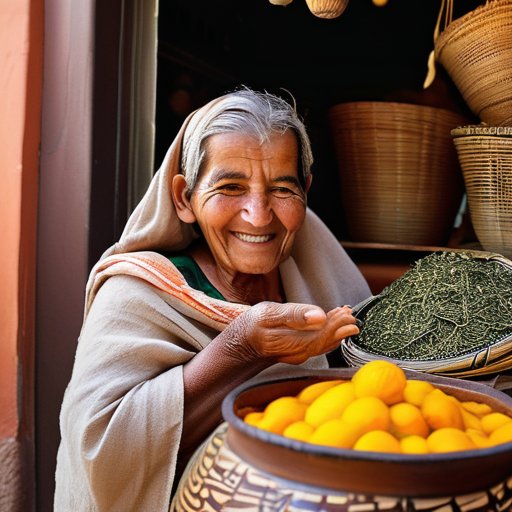
When I stepped into a bustling souk in Marrakech, I was greeted by the scent of cumin and preserved lemons spilling from a modest stall. The vendor, a retired teacher named Fatima, showed me how she _stores leftovers sustainably_ by repurposing mason jars that once held olives, now home to wilted herbs and citrus peels. She bundles these scraps into a single jar, a tiny treasury of “zero‑waste pantry staples” that later flavors her famous tagine. Watching her transform what many would toss away into a fragrant base reminded me that the simplest habit—tucking a rag‑wrapped bag of zest into a glass container—can rewrite an entire supply chain, one kitchen at a time.
Halfway across the world, a community kitchen in Kyoto has turned its waste into a lesson in stewardship. Here, volunteers gather daily to practice composting kitchen scraps in a shaded trench behind the building, turning tea leaves and vegetable trimmings into nutrient‑rich soil for a rooftop garden. The same group also champions upcycling food containers: empty ramen cups become seedling pots, while bamboo spatulas replace plastic ones, embodying eco‑friendly cooking utensils that feel as natural as the rice they stir. Their secret, however, lies in meticulous meal planning to avoid waste—a weekly board where families list ingredients they already have, ensuring every grain of rice finds a purpose before the pot ever boils.
How to Store Leftovers Sustainably for Every Culture
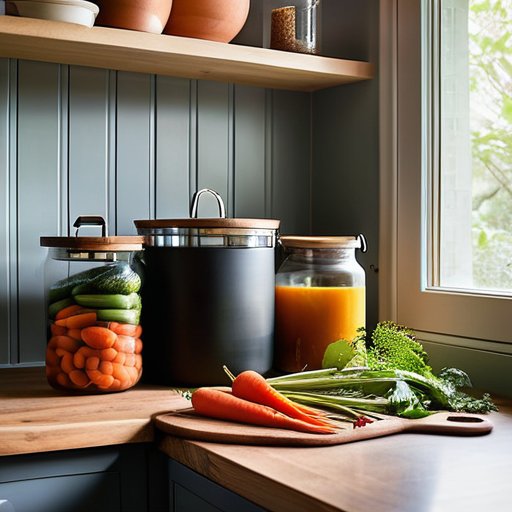
When I’m back from a weekend in Oaxaca, I always bring home a handful of those hand‑blown glass jars that market stalls sell for storing everything from chiles to leftover mole. I fill them with cooled rice, beans, or steamed veggies, seal them tight, and label each with the day’s date in both English and the language of the guest I’m cooking for—be it Arabic, Japanese, or Swahili. The simple habit of using airtight glass jars turns what might become waste into a portable, culturally aware pantry.
I invite neighbours over and turn those stored bits into a fragrant lentil stew or a spiced stir‑fry, then place any surplus in the building’s community fridge we all share. This collective cooling spot, tucked behind a mural of migrant stories, lets a day’s leftovers feed families across the block.
Zerowaste Pantry Staples Ingredients That Bridge Borders
From the humble lentil—soaked in a South Asian pot, simmered into a stew in a Nairobi kitchen—to the Japanese miso that finds its way into a Mexican mole, the ingredients we keep on hand can be tiny ambassadors of stewardship. When I stock my pantry with pantry basics that travel, I’m not just saving waste; I’m inviting a conversation between continents before the first chop in the kitchen everyday.
Equally vital are the ways we sustainably recycle what would otherwise end up in a bin. A jar that once cradled jam becomes a vessel for fermented kimchi; kombu broth—once a kitchen scrap in Osaka—now enriches a West African peanut soup. When I share that broth with a friend in Marrakech, the same seaweed whispers umami into a tagine, turning a spoonful into a global dialogue. The emptied jar finds a life as a spice keeper, reminding me that every recycled container carries potential to flavor another story.
From Scraps to Stories Composting Kitchen Waste Worldwide
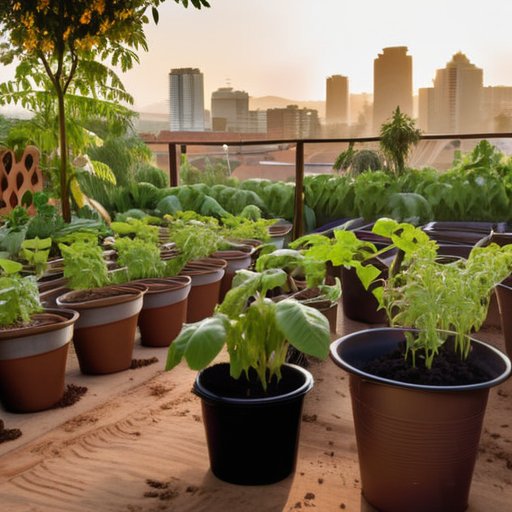
When I stepped onto a rooftop garden in Oaxaca, the scent of damp earth mingled with the chatter of neighbors swapping recipes and tips. There, I learned that composting kitchen scraps isn’t a lofty, lab‑based practice but a communal ritual: banana peels become the foundation for a thriving tomato bed, while spent tea bags feed a fragrant basil patch. The simplicity of a three‑bucket system—one for fresh waste, one for browning material, and a third for finished compost—showed me how a single family kitchen can feed an entire block. In that moment, the act of turning today’s leftovers into tomorrow’s soil felt less like waste management and more like storytelling through microbes.
Back home, I’ve woven that lesson into my own pantry routine. By how to store leftovers sustainably—using glass jars sealed with silicone lids—and by upcycling food containers into seedling pots, I close the loop before the trash can ever sees a lid. Pairing this with a weekly meal planning to avoid waste session means I only buy what I truly need, leaving room for zero‑waste pantry staples like dried lentils and bulk spices to shine. The result? A kitchen that feeds both my family and the planet, one compostable crumb at a time.
Ecofriendly Cooking Utensils Upcycling Food Containers Explained
When I first visited a coastal village in Kerala, the chef showed me a set of bamboo spoons that felt as sturdy as any steel ladle. Those sustainable kitchen tools—crafted from fast‑growing bamboo, reclaimed wood, or recycled aluminum—carry stories of forests spared and mines untouched. Because they’re biodegradable or endlessly recyclable, they let me stir a curry knowing I’m not adding another plastic relic to the sea. Aroma of the sea lingered.
Back in my London flat, I turned empty jam jars into airtight spice canisters and a cracked ceramic bowl into a tiny herb garden. This habit of repurposing, I’ve learned, is more than frugality—it’s a quiet act of resistance against a throwaway culture. By choosing upcycled food containers we give a second life to everyday objects, and each click‑close of a lid becomes a small, tangible vote for a cleaner planet.
Meal Planning to Avoid Waste a Crosscontinental Guide
Every time I sit down with a notebook in a bustling Marrakech souk or a Kyoto pantry, I start by mapping out the week’s meals around the seasonal market calendars of that region. By aligning my grocery list with what farmers are harvesting that day, I sidestep impulse buys that later become forgotten vegetables. The simple act of planning a single, adaptable base—like a tomato‑based broth that can morph into a stew, a soup, or a stir‑fry—keeps my fridge humming with purpose rather than filling with wilted hopes.
Back home in my London flat, I pull up a shared spreadsheet that lists family‑style dishes from five continents—each entry tagged with a prep‑day and a ‘leftover‑swap’ column. When I batch‑cook with purpose, the quinoa from a Moroccan tagine becomes the base for a Singaporean fried rice, turning surplus into a story across time zones.
Five Kitchen Hacks for a Zero‑Waste Journey
- Embrace the “nose‑to‑tail” mindset—use every part of produce, from peels to stems, in soups, broths, or pickles.
- Master the art of batch‑prepping and portioning to dodge over‑cooking and the inevitable leftovers.
- Adopt reusable silicone lids and beeswax wraps instead of single‑use cling film for storing leftovers.
- Keep a “scrap jar” on the counter; collect vegetable trimmings for a daily broth that fuels both flavor and sustainability.
- Turn stale bread into crunchy croutons or a fragrant breadcrumb topping, giving yesterday’s loaf a fresh purpose.
Key Takeaways for a Zero‑Waste Kitchen
Embrace cultural storage habits—repurposing containers and traditional preservation methods turn leftovers into communal treasures.
Build a border‑spanning pantry of versatile, low‑waste staples like dried legumes, seaweed, and locally sourced spices to bridge cuisines.
Plan meals with intentional portions and compost leftovers; the act of composting becomes a story‑telling bridge across continents.
A Kitchen Without Waste
“When every peel, scrap, and leftover finds purpose, the kitchen becomes a map of shared stories—each zero‑waste bite a reminder that the flavors of our world are best savored when nothing is left behind.”
Alexandra Thompson
Wrapping It All Up
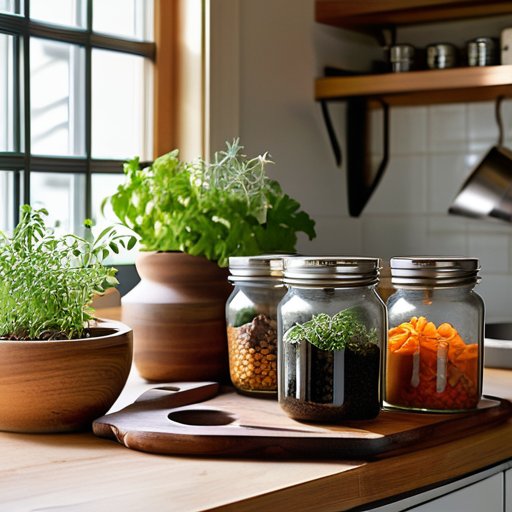
Over the past pages we have traced how zero‑waste cooking can be more than a buzzword, turning everyday kitchens into hubs of cultural exchange. From the humble art of storing leftovers in reusable jars—techniques that echo the frugality of Japanese bento boxes and the communal spirit of Indian tiffin systems—to pantry staples like lentils, miso, and plant‑based oils that travel across continents, we have seen ingredients become bridges. We explored how thoughtful meal planning can shave kilograms off landfills, and how up‑cycled utensils and compost bins transform kitchen scraps into soil that feeds future harvests. Together, these practices illustrate a recipe for planetary stewardship.
The true power of this movement lies in the stories we choose to tell with every plate we serve. When we turn a vegetable peel into a fragrant broth or a spent coffee ground into garden gold, we are not merely reducing waste; we are writing a chapter in a global narrative that values resourcefulness over excess. Imagine a world where every dinner table doubles as a classroom, where children learn the journey of food from seed to supper, and where borders fade as flavors mingle. I invite you to let your kitchen become a passport, your leftovers a shared language, and your commitment to zero‑waste cooking the compass that guides us toward a more sustainable, interconnected future.
Frequently Asked Questions
How can I adapt traditional family recipes to minimize waste without losing authentic flavors?
Start by mapping each ingredient’s journey—ask yourself, “What part of this spice, vegetable, or protein would otherwise be discarded?” In my kitchen in Oaxaca, I turned citrus peels into a smoky adobo; in Delhi, I whisked leftover paneer whey into a broth. Portion to your family size, then freeze the “extra” in freezer‑safe bags labeled in English and original language. Finally, repurpose stems, leaves, and bones as stocks, preserving dish’s soul while honoring zero‑waste principles.
What are some affordable, culturally diverse tools or containers I can use to store leftovers sustainably?
One of my favorite finds on a market in Oaxaca is a hand‑woven bamboo box with a tight‑fit lid—perfect for grains and dry leftovers and almost free. In Kyoto’s second‑hand shops, reusable silicone bags fold flat, seal well, and add a pastel pop to soups. Reclaimed tin tins from Indian spice stalls seal tightly and bring color to the fridge. A simple ceramic crock from Nairobi fairs breathes for fermented veggies—pair any with a repurposed‑paper label for a cultural touch.
Can you suggest simple, cross‑border meal‑planning techniques that help prevent food waste in both small apartments and larger households?
One trick I’ve carried from a cramped Delhi flat to a London townhouse is a “global pantry map”: list the staples you already have—spices, legumes, dried fruit—and match them to a week’s worth of dishes across cuisines. Then, set a “leftover‑day” where each family member transforms yesterday’s scraps into a new, culturally inspired meal. In tiny kitchens, batch‑cook versatile grains; in larger homes, rotate produce in visible bins so everyone sees what’s ripe and ready for you.