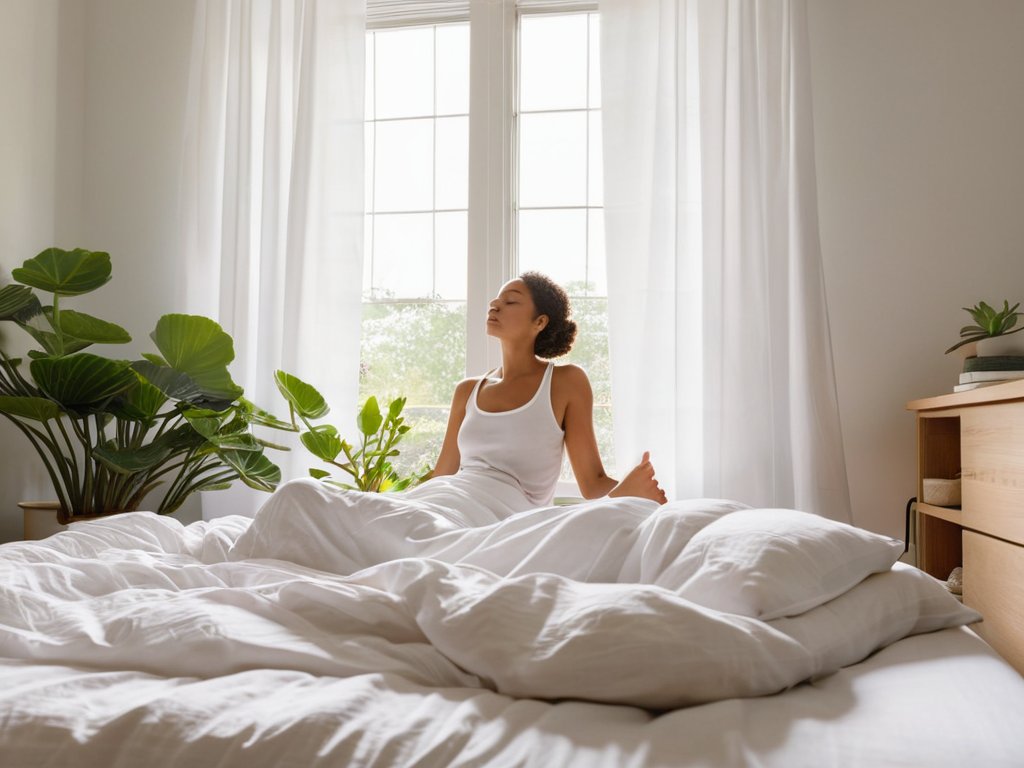
All the wellness gurus love to parade the “eight‑hour miracle” as if sleep were a one‑size‑fits‑all prescription, promising that a single formula will magically cure everything from foggy mornings to global burnout. I’ve seen diplomats in Delhi and researchers in Reykjavik argue over sleep trackers while the real impact of sleep on our decision‑making, resilience, and even diplomatic nuance gets lost in the hype. It’s frustrating to watch polished infographics drown out the messy, culture‑specific reality that I’ve lived through on the backroads of Bhutan and in the cramped embassy mess halls of Nairobi.
In the next few minutes I’ll strip away the glossy myths and hand you the kind of advice that survived midnight briefings, sunrise hikes in the Andes, and countless conversations over tea with locals who swear by a nap after sunset. You’ll get practical, experience‑based tips on how to harness sleep for sharper thinking, steadier emotions, and a healthier body—without buying the latest gadget or subscribing to a one‑hour‑sleep‑a‑day cult. Think of it as a no‑nonsense contract: I’ll share the stories, the science, and the plain‑spoken strategies that actually work, wherever you call home.
Table of Contents
- The Global Impact of Sleep Threads That Bind Health
- Beyond Dreams How Sleep Fuels Mental Performance
- When Rest Falters Immune System Under Sleep Deprivation
- Nightly Narratives How Sleep Shapes Minds and Communities
- From Mood Swings to Anxiety the Hidden Toll of Poor Sleep
- Heartbeats at Dawn Sleep Durations Role in Cardiovascular Health
- Sleep as a Global Compass: Five Practical Tips for Health and Harmony
- Key Takeaways
- Sleep: The Silent Bridge
- Conclusion
- Frequently Asked Questions
The Global Impact of Sleep Threads That Bind Health

When I spend a night in a remote guesthouse—say, the stone‑cobbled streets of Oaxaca or a high‑altitude village in Nepal—I notice how my mind sharpens or dulls with the rhythm of my rest. How sleep affects mental performance isn’t just a lab statistic; it’s the difference between recalling a local elder’s story verbatim or losing the thread entirely. Likewise, the effects of poor sleep on mood and anxiety ripple through conversations, turning a friendly exchange into a terse misunderstanding. In my reporting, those subtle shifts often become the hidden line between cooperation and conflict.
Back on the road, I’ve watched how a night of relentless insomnia can sap the body’s natural defenses. Sleep deprivation consequences on immune system manifest as lingering colds that linger longer than a typical tourist flu, and they remind me that health is a collective contract across borders. Equally telling is the relationship between sleep duration and cardiovascular health; travelers who manage a steady bedtime, even in bustling cities, report steadier blood pressure and fewer panic‑induced spikes. That consistency also eases weight management, turning a chaotic itinerary into a surprisingly steady metabolic rhythm.
Beyond Dreams How Sleep Fuels Mental Performance
When I spent a week in the highlands of Bhutan, mornings felt like a reset button for my mind. After a night of deep, uninterrupted sleep, I could recall the intricate patterns of prayer flags I’d photographed and the subtle nuances of locals’ stories snapping into place. That restorative pause is more than rest; it acts as cognitive scaffolding, aligning neural pathways so memory, focus, and creative spark rise together.
Back in London, the frenetic pace of policy briefs reminded me how fragile mental agility can be. A single night of fragmented sleep left my arguments wobbling, my perception hazy. When I honor the body’s rhythm—allowing REM cycles to weave through the night—I notice a surge in mental elasticity, the ability to pivot between complex diplomatic scenarios and still‑life sketches with equal poise. Sleep is the engine behind every decisive moment.
When Rest Falters Immune System Under Sleep Deprivation
I remember a night in the highlands of Peru, where the thin air already taxed my lungs, and locals whispered that the lack of proper rest left them vulnerable to the relentless coughs that drifted through the communal kitchen. When I tried to stay awake for a diplomatic briefing, my throat grew raw, and a fever crept in, reminding me that sleep is the body’s night watch, patrolling the borders of infection while we dream.
Back in my London flat, I pored over immunology reports that trace a clear line from chronic sleep loss to a dip in natural killer cells and a surge in inflammatory markers. It struck me that the very same fatigue that fuels protest chants in bustling metros also weakens quiet resilience of remote clinics, a silent erosion of our defenses that no treaty can instantly repair.
Nightly Narratives How Sleep Shapes Minds and Communities
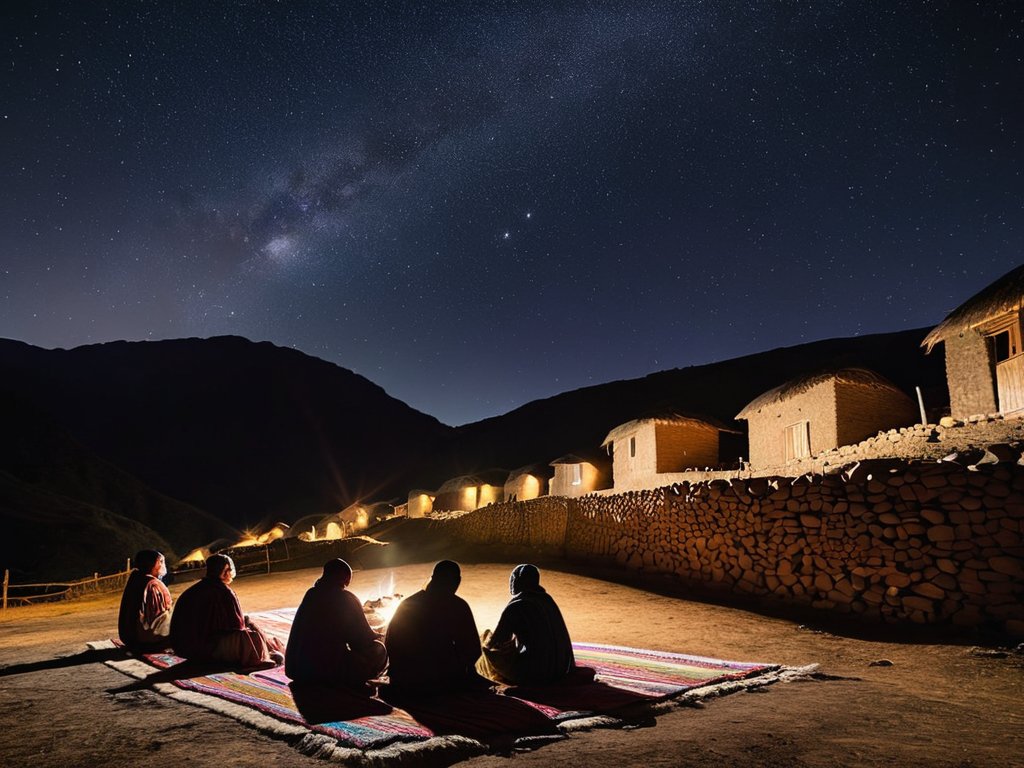
When I spend a night in a remote Andes village, the day’s cadence slows into a shared lullaby. Those few hours of darkness become a collective rehearsal for the brain’s next day. Studies illustrate how sleep affects mental performance—sharpening attention, memory consolidation, and creative problem‑solving—skills that, in tight‑knit communities, translate into better farming decisions, market negotiations, and storytelling traditions.
Back in the city, the rhythm unravels when sleep is compromised. A night of restless scrolling can trigger sleep deprivation consequences on the immune system, leaving us vulnerable to the colds that ripple through schools and workplaces. Likewise, the relationship between sleep duration and cardiovascular health shows up in commuters’ higher blood pressure, adding pressure to already stretched public‑health resources.
What ties these threads together is the subtle mood shift after a regular bedtime. Communities that embrace the benefits of consistent sleep schedule often see lower anxiety and a more resilient social fabric. On a personal note, I’ve watched friends swap late‑night binge‑watching for quiet reading, and the steadier weight management and brighter interactions remind me that sleep quietly negotiates peace between body and mind.
From Mood Swings to Anxiety the Hidden Toll of Poor Sleep
After a night of restless tossing, I often find my emotions wobbling like a lantern in a gust. What feels like a fleeting irritability is actually the brain’s way of signaling that the delicate chemistry of neurotransmitters has been thrown off balance. In my own field notes from a remote village in the Andes, villagers described how even a single night of fragmented sleep could turn a calm afternoon into a cascade of mood volatility that ripples through family conversations.
In the weeks that followed, I watched anxiety tighten its grip on the same households, as sleeplessness fed a feedback loop that felt impossible to break. The physiological stress response—elevated cortisol, racing heart—transforms a simple worry into a full‑blown anxiety spiral, making it harder to fall asleep again and deepening the cycle of restless nights and for the entire community daily.
Heartbeats at Dawn Sleep Durations Role in Cardiovascular Health
During a recent field visit to a coastal fishing community in Kerala, I spent evenings watching lanterns flicker as the tide receded. The men, who often rose before sunrise after just five hours of restless sleep, shared stories of pounding hearts and lingering fatigue. Medical volunteers there documented a spike in hypertension that mirrored what I’d read in journals, reminding me that every missed hour of rest can echo through our arteries.
Back in London, I attended a symposium where cardiologists warned that even modest sleep deficits can shift the timing of heart attacks toward the early morning, a phenomenon they call ‘dawn surge.’ When we align our sleep schedules with natural light cycles, we give the heart a chance to reset its rhythm before the day’s demands begin. It’s a simple, yet profound, act of self‑care that reverberates across populations.
Sleep as a Global Compass: Five Practical Tips for Health and Harmony

- Anchor your bedtime to a consistent ritual that reflects your local rhythm—think a calming chai at dusk in Delhi or a quiet tea in London—to signal your brain that it’s time to wind down.
- Protect your sleep sanctuary: keep the room cool, dark, and tech‑free so the brain can carry out its nightly housekeeping without interruptions.
- Embrace brief daytime micro‑naps (10‑20 minutes) when you feel a slump; they can boost alertness and mental performance without derailing the main sleep cycle.
- Watch your evening intake: steer clear of heavy meals, caffeine, and alcohol close to bedtime, as they can sabotage melatonin production and heart‑rate recovery.
- End the day with a mindfulness or gentle stretching routine to lower cortisol, allowing the immune system and cardiovascular health to reset for the night ahead.
Key Takeaways
Consistent, restorative sleep underpins mental sharpness and immune strength, linking nightly rest to cognition, infection resistance, and overall vitality.
Sleep duration and quality directly affect cardiovascular health; chronic short‑sleep raises the risk of hypertension, heart disease, and related complications.
Cultural norms around sleep shape community well‑being—when societies honor natural sleep rhythms, mood disorders decline, anxiety eases, and social cohesion strengthens.
Sleep: The Silent Bridge
When we close our eyes each night, we are not merely pausing the day’s noise; we are stitching together the fragile fabric of our health, minds, and societies—one restful breath at a time.
Alexandra Thompson
Conclusion
Looking back on the journey we’ve taken through the night’s hidden mechanics, I see a clear pattern: sleep is not a solitary act but a silent scaffolding that holds together diverse strands of our wellbeing. From the way it sharpens cognition and fuels creativity, to the way it patrols our immune borders when the clock runs short, the evidence is unmistakable. The rhythm of our heartbeats at dawn, the steadier pulse of cardiovascular health, and the steadier mood that follows a full night’s rest all point to a common denominator—sleep. In every corner of the globe, from bustling metros to remote villages, the same physiological language speaks, reminding us that neglect exacts a toll.
If I were to carry a single lesson from my diplomatic days into my notebook of stories, it would be this: the most effective peace‑building tool may be as simple as a bedtime. When we honor rest as a passport to clearer judgment and kinder interactions, we give ourselves space to listen, to translate, and to bridge the gaps that divide cultures. Imagine a world where sunrise finds us refreshed, ready to exchange ideas across borders with the curiosity that drives a traveler to spin an old globe. Let us each make that nightly commitment, and watch how the ripple of better sleep reshapes the global narrative, one dream at a time.
Frequently Asked Questions
How much sleep do adults really need to maintain optimal mental and physical health?
From my own restless nights after a diplomatic briefing to the calm of a sunrise in Ladakh, I’ve learned that most adults thrive on 7‑9 hours of sleep. That sweet spot balances the brain’s cleaning cycles with hormone regulation, keeping mood steady and the heart steady. Below seven, cognition fogs and inflammation rises; above ten, the body can drift into lethargy. Listening to your own rhythm, aiming for that window, is the safest compass.
Can short naps compensate for chronic sleep deprivation, and what are the risks?
From my own jet‑lagged days in Delhi, I’ve learned that a 20‑minute power nap can lift the fog and sharpen focus, but it’s not a full substitute for the seven‑plus hours we lose night after night. Brief naps restore alertness and a slice of memory consolidation, yet they can’t rebuild the deep, slow‑wave sleep that repairs cells and balances hormones. Relying on naps alone may fragment your circadian rhythm, invite sleep inertia, and raise glucose and stress‑marker levels.
What cultural practices around sleep influence health outcomes across different societies?
I’ve learned that how we treat sleep is as cultural as the food we share. In Spain the midday siesta, once a reset, still buffers stress for those who can afford it, while in Japan the practice of ‘inemuri’—napping in public—signals dedication but can mask chronic fatigue. In many African villages, families sleep together on woven mats, fostering bonds that boost mental health. Meanwhile, Nordic countries prioritize rooms and rituals, linked to lower insomnia rates.