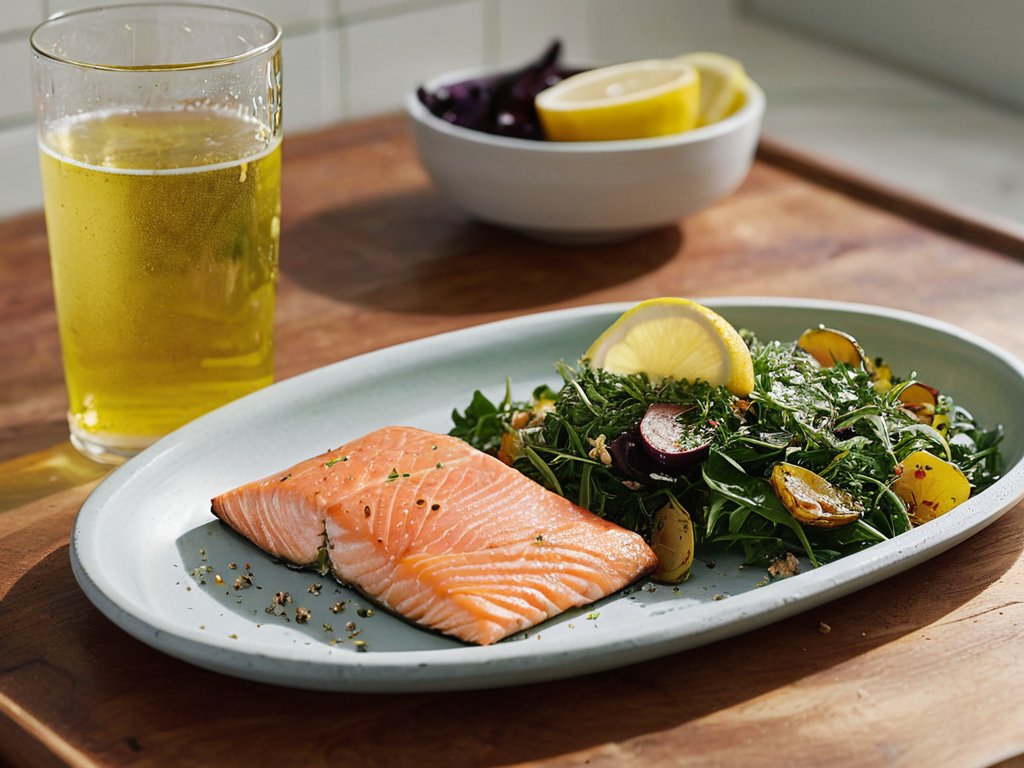
If you think healthy meal prep for beginners means spending three hours every night hunched over a cutting board, you’re buying into a well‑meaning myth. I learned that the simple truth is you can stitch together nutritious, globe‑spanning menus in the time it takes to brew a cup of chai. I remember the cramped kitchen of a guesthouse in the Himalayas, where I only had a single pot, a handful of spices, and an eager appetite. Within thirty minutes I’d turned lentils and rice into a balanced feast that powered my early‑morning trek.
In the next few pages I’ll strip away the jargon and give you a step‑by‑step roadmap that fits into any schedule—whether you’re juggling conference calls from Nairobi or prepping for a weekend hike in Patagonia. You’ll discover three pantry staples that can become the backbone of dozens of dishes, a 30‑minute “batch‑cook” routine, and quick‑swap flavor kits inspired by the street markets of Delhi and the cafés of Lisbon. By the end, you’ll feel confident to launch your own healthy meal prep for beginners routine without the overwhelm, and collect a story for your globe.
Table of Contents
- Project Overview
- Step-by-Step Instructions
- Healthy Meal Prep for Beginners a Global Wellness Journey
- Budgetfriendly Meal Prep Ideas for Quick Healthy Lunches
- Portion Control Nutrientbalanced Weekly Schedule and Smart Storage
- Takeaway Nuggets for Your Meal‑Prep Journey
- Begin with a Bite, Build a World
- Wrapping Up Your Healthy Meal Prep Journey
- Frequently Asked Questions
Project Overview

Total Time: 2 hours 30 minutes
Estimated Cost: $30 – $60
Difficulty Level: Easy
Tools Required
- Chef’s Knife ((8-inch, sharp for chopping vegetables and proteins))
- Cutting Board ((preferably non‑slip, medium size))
- Measuring Cups and Spoons
- Food Scale ((helps portion proteins and grains accurately))
- Large Saucepan ((for cooking grains and soups))
- Skillet or Frying Pan ((non‑stick, 10‑inch))
- Baking Sheet ((for roasting vegetables and proteins))
- Slow Cooker or Instant Pot ((optional but speeds up bulk cooking))
- Blender or Food Processor ((for sauces, dressings, and smoothies))
- Reusable Storage Containers ((glass or BPA‑free, various sizes for portioning meals))
Supplies & Materials
- Protein (e.g., chicken breast, tofu, canned beans)
- Whole grains (e.g., quinoa, brown rice, whole‑wheat pasta)
- Fresh vegetables (e.g., broccoli, bell peppers, carrots, leafy greens)
- Fresh fruit (e.g., apples, berries, bananas)
- Healthy fats (e.g., olive oil, avocado, nuts)
- Seasonings (e.g., salt, pepper, garlic powder, paprika, dried herbs)
- Condiments (e.g., low‑sodium soy sauce, mustard, balsamic vinegar)
- Cooking spray or oil sprayer
- Reusable zip‑top bags ((for marinating and storing snack portions))
Step-by-Step Instructions
- 1. First, I pause and ask myself what story I want my meals to tell this week. I pick a simple theme—perhaps “Mediterranean mornings” or “South‑Asian street snacks”—so every container feels like a tiny passport stamp. I jot the chosen dishes in my notebook (the one that sits beside my vintage 1974 globe) and sketch a quick timeline: chopping on Monday, cooking on Tuesday, and reheating on Thursday.
- 2. Next, I take inventory of what already lives in my pantry, fridge, and freezer. I pull out the lentils, quinoa, canned tomatoes, and that half‑full jar of tahini my aunt sent from Istanbul. By noting the quantities, I avoid buying duplicates and can spot gaps that need a market run. I also glance at the expiration dates—nothing should outlive its welcome.
- 3. Then I select recipes that hit the sweet spot between nutrition and cultural curiosity. I aim for a balance of protein, fiber, and healthy fats, while sprinkling in spices like berbere, sumac, or smoked paprika to keep my taste buds traveling. I write down the core ingredients for each dish, ensuring that no single meal dominates the week’s macro profile.
- 4. With a list in hand, I head to the market—preferably a local farmers’ stall where the vendor can share the story behind each heirloom tomato. I bring reusable bags, a small notebook for spontaneous tips, and a mental checklist: fresh greens, whole‑grain bases, and a handful of pantry staples. Buying seasonally not only saves money but also adds a burst of authenticity to the plates.
- 5. Back home, I pre‑prep the basics: rinse and soak beans, cook grains in bulk, and roast a tray of mixed vegetables with olive oil and a pinch of sea salt. While the quinoa fluffs, I slice cucumbers, grate carrots, and whisk a quick vinaigrette that will later dance over a grain bowl. This stage feels like arranging pieces on a chessboard—each move sets up the next.
- 6. Cook each recipe in focused batches, using the stovetop, oven, or instant pot as needed. I start with the longest‑cooking dish (often a lentil stew) and layer in quicker items like sautéed greens or pan‑seared tofu. When a pot simmers, I set a timer and use the pause to tidy up, keeping the kitchen rhythm smooth and stress‑free.
- 7. Finally, I portion, label, and store everything in airtight containers that fit neatly into my fridge’s “meal‑prep zone.” I write the date and a short tagline—“Monday Moroccan‑Spiced Chickpeas”—on a sticky note, turning each lunch into a mini‑adventure. A quick glance at the fridge the next morning tells me exactly what’s waiting, and I feel ready to tackle the day with a balanced, globally‑inspired bite.
Healthy Meal Prep for Beginners a Global Wellness Journey
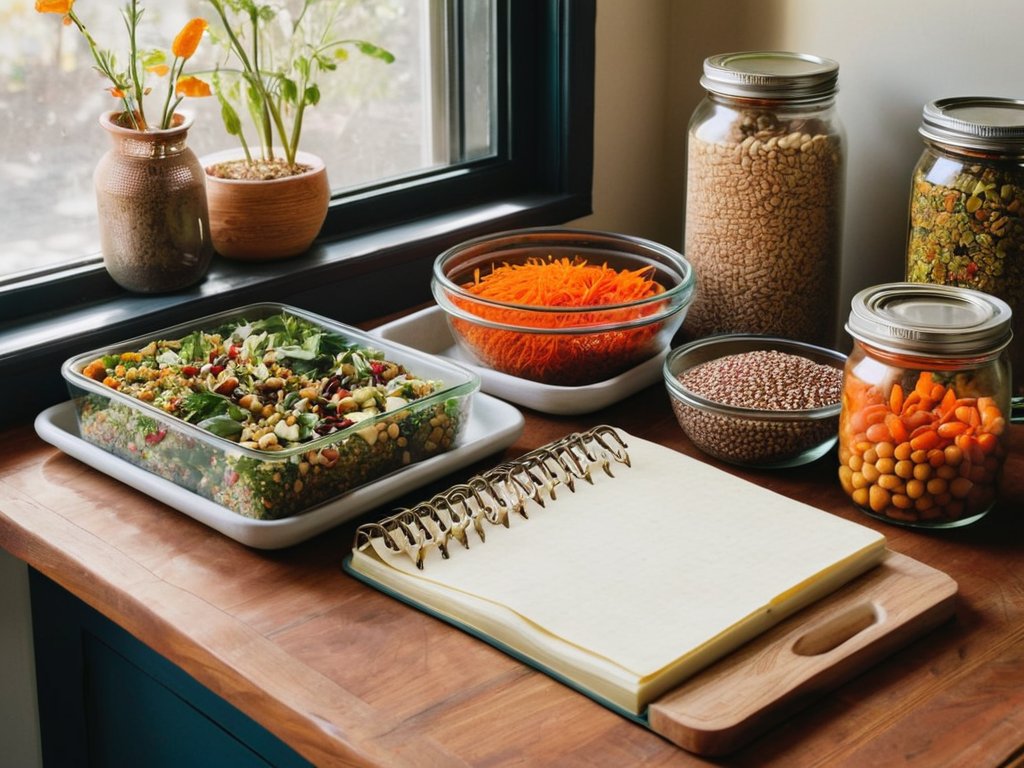
When I’m wandering the spice markets of Marrakech or the farmers’ stalls in Oaxaca, I always jot down the most affordable staples that could anchor a week’s worth of dishes back home. A budget‑friendly meal prep ideas list starts with a handful of versatile grains—bulgur, quinoa, or brown rice—paired with seasonal vegetables that are on sale, and a protein that travels well, like canned chickpeas or frozen fish fillets. Investing in a set of airtight meal prep storage containers not only keeps flavors fresh but also reduces waste, turning each bite into a small act of sustainability. I swear by a simple grocery worksheet: write the pantry basics, the fresh produce needed for the week, and a quick “snack” line for nuts or dried fruit, so the checkout line never becomes a surprise.
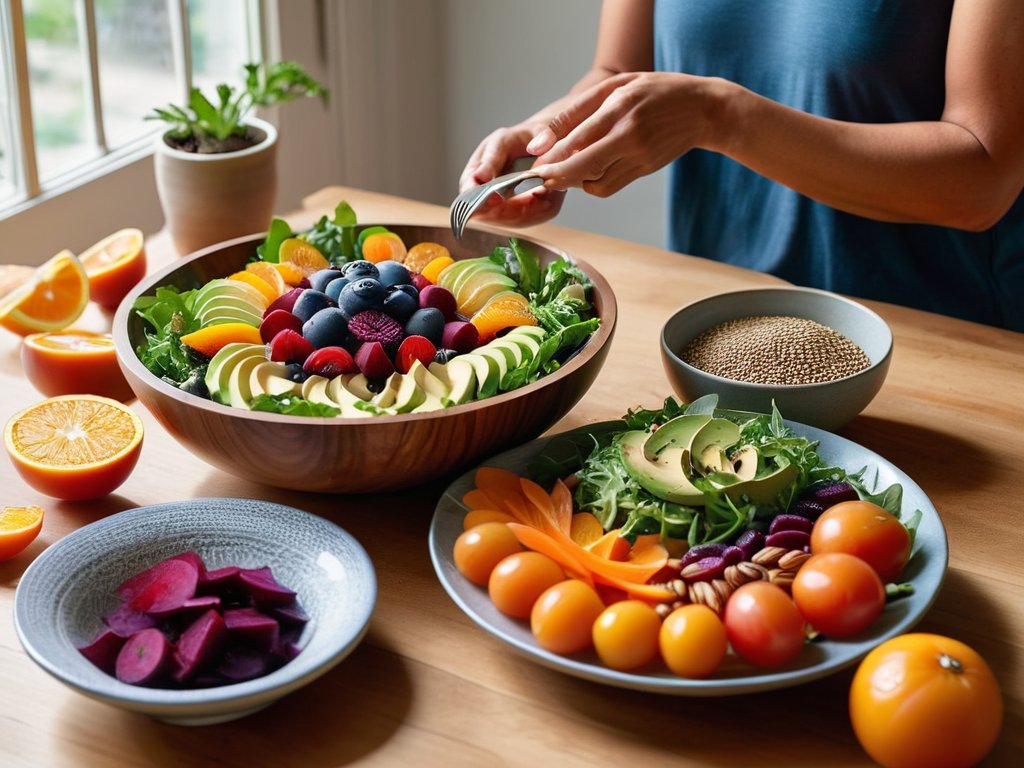
Once the pantry is stocked, the magic really begins with portion control for meal prep. I like to use a kitchen scale or even the classic “hand‑size” method—palm for protein, fist for carbs, and thumb for healthy fats—to keep each container balanced and nutrient‑dense. Planning a quick healthy lunch prep on Sunday evenings lets you slot the meals into an easy weekly meal prep schedule, freeing up afternoons for a walk, a coffee with a neighbor, or a new language lesson. Remember, the goal isn’t rigidity; it’s a rhythm that lets you savor global flavors without the daily scramble.
Budgetfriendly Meal Prep Ideas for Quick Healthy Lunches
When I’m juggling a flight back from a remote village in the Andes and a deadline for my next column, I lean on a handful of pantry staples that travel well across both my kitchen and my budget. A big bag of red lentils—cheap, protein‑rich, and reminiscent of the dal I grew up with in Delhi—can become a tangy soup or a salad base. Pair it with bulk brown rice, a few frozen peas, and a drizzle of olive oil, and you’ve got a lunch that fills you up without emptying your wallet.
I also love tossing a can of chickpeas with a splash of soy sauce, a pinch of smoked paprika, and whatever herbs I’ve rescued from the farmer’s market that week; the result is a wrap that travels in a zip‑lock, to power meeting or hike up shrine.
Portion Control Nutrientbalanced Weekly Schedule and Smart Storage
I start each prep session by picturing a world map on my kitchen counter – a reminder that a balanced plate varies in Delhi, Copenhagen or Oaxaca. A hand‑size method keeps portions honest: a palm of protein, a fist of carbs, and two thumb‑sized splashes of healthy fats. Pairing lentil dal with quinoa, or grilled sardines with sweet‑potato wedges, hits the macro sweet‑spot while preserving the cultural flavor that makes each bite travel‑worthy.
After portioning, I plot the meals on a simple weekly grid – Monday’s Mediterranean mezze, Tuesday’s Thai mango‑lime salad, etc. Glass jars with airtight lids become my portable ambassadors; a tiny flag sticker and the prep date on each keep me honest. I freeze larger stews in single‑serve silicone bags, flattening them like postcards so they thaw in minutes, preserving nutrients and keeping the schedule as smooth as a well‑planned itinerary.
Takeaway Nuggets for Your Meal‑Prep Journey
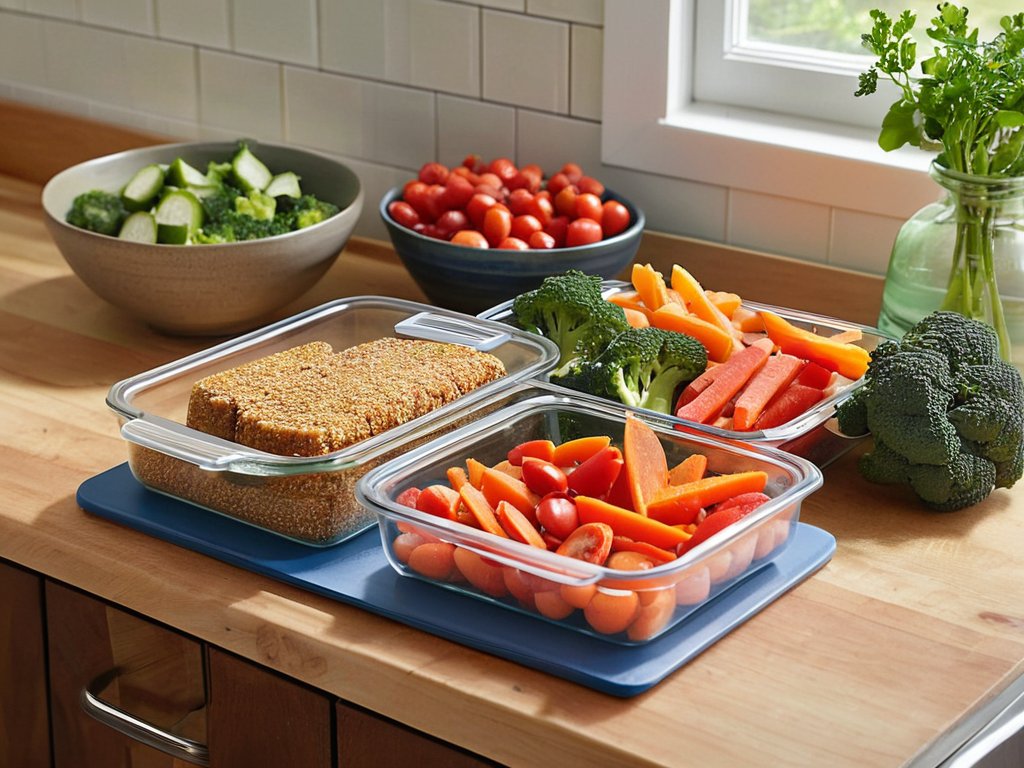
Start small—pick 2‑3 versatile ingredients you love, batch‑cook them, and mix‑and‑match throughout the week to keep meals exciting and nutritionally balanced
Treat your pantry like a passport: stock affordable, globally‑inspired staples (lentils, quinoa, canned tomatoes, spices) so you can create diverse, budget‑friendly plates without extra shopping trips
Invest a few minutes in proper portioning and airtight storage; it preserves flavor, cuts waste, and makes it effortless to grab a balanced lunch that fuels both body and curiosity
Begin with a Bite, Build a World
When you lay out a week’s worth of fresh, balanced meals, you’re not just feeding your body—you’re rehearsing a dialogue between cultures, budgets, and your own aspirations, turning the kitchen into a passport for everyday wellness.
Alexandra Thompson
Wrapping Up Your Healthy Meal Prep Journey
The recipe for a sustainable kitchen routine is simple yet powerful: start with a clear weekly blueprint, audit your pantry for staples, then batch‑cook versatile proteins and grains that can be mixed and matched. By keeping costs low with budget‑friendly meal prep ideas—think lentil‑rich curries, chick‑pea salads, and freezer‑ready veggie roasts—you’ll stay within your budget while honoring flavor. Portion control and a balanced nutrient spread become second nature once you label containers and slot them into a visual schedule, and smart storage tricks protect freshness for up to five days. With these habits in place, healthy lunches and dinners become a predictable, nourishing rhythm.
As I tuck a vintage globe onto my desk and recall the aromas of a market in Oaxaca or a kitchen in Delhi, I realize each container we seal is a tiny passport to a larger global wellness journey. When you prep with intention, you’re not just feeding your body—you’re carving out time to explore, share recipes across borders, and invite curiosity into everyday life. Let that curiosity be the spark that turns a simple lunch into a conversation about climate‑smart sourcing or the story behind a spice. So, grab your reusable bags, set your timer, and let every bite remind you that the world is both your kitchen and your classroom for a healthier tomorrow and a more connected world.
Frequently Asked Questions
How do I choose the right containers for meal prep without breaking the bank?
I start by asking what will travel with my food—glass, BPA‑free plastic, or silicone? A set of 1‑liter glass jars sold in bulk keeps flavors pure and is microwave‑safe, while snap‑lock BPA‑free containers are lighter for commutes. Look for stackable designs, airtight lids, and a price‑per‑piece under $2; second‑hand kitchen stores or community swap groups can surprise you with affordable options. A few reusable silicone bags for soups fold flat and run under $1 each.
What are some quick, nutritious recipes I can batch‑cook in under an hour?
One of my favorite hour‑long marathons is a Mediterranean chickpea‑tomato stew: sauté garlic, onion, and cumin, stir in canned chickpeas, diced tomatoes, olives, and a splash of lemon; let it simmer while I roast a tray of mixed peppers and zucchini. Another is a Thai‑inspired coconut‑lime quinoa bowl—toast quinoa, then cook it in coconut milk, finish with lime zest, cilantro, and edamame. Both dishes scale beautifully, stay fresh in the fridge, and feed a busy week.
How can I keep my meals fresh and flavorful throughout the week?
I’ve learned that freshness is a dance between airtight containers, a splash of citrus, and seasoning. Pack each portion in glass jars with lids; add a thin leaf of basil, cilantro or a squeeze of lemon before sealing to lock in aroma. Keep sauces separate until dinner, and give cooked grains a toss with olive oil and a pinch of sea salt when reheating. Finally, rotate meals—use the oldest dishes first—to ensure nothing sits too long.