I was perched on a rickety balcony in a tea plantation outside Darjeeling, the early‑morning mist clinging to the rows of leaves, when the farmhand handed me a steaming cup infused with fresh lemongrass and turmeric. He laughed, saying, “Everyone thinks herbal remedies are just old wives’ tales, but in my family they’re the first line of defence against everything from colds to restless sleep.” In that humid breath of the Himalayas, I realised how often we dismiss centuries‑old plant wisdom while chasing the next synthetic fix.
That moment sparked the guide you’re about to read: a no‑hype, step‑by‑step roadmap for anyone who wants to move beyond myth and into mindful practice. I’ll show you how to source trustworthy herbs, decode dosage charts, blend teas and tinctures for stress, digestion, or immunity, and spot the red flags that keep you safe. By the end, you’ll have a pocket‑sized toolkit you can trust, whether you’re brewing in a cramped London flat or a desert tent in Morocco. You’ll also find reference tables and a list of where to buy herbs online, so you can start tomorrow, not next month.
Table of Contents
- Project Overview
- Step-by-Step Instructions
- Herbal Remedies a Global Journey Through Holistic Healing Herbs
- Herbal Tincture Preparation Crafting Remedies From Global Roots
- Navigating Herbal Remedy Safety Guidelines for Everyday Use
- Five Essential Tips for Safe & Effective Herbal Remedies
- Key Takeaways
- Healing Across Borders: The Wisdom of Herbal Remedies
- A Closing Reflection on Herbal Remedies
- Frequently Asked Questions
Project Overview
Total Time: 3 hours
Estimated Cost: $15 – $30
Difficulty Level: Easy
Tools Required
- Mortar and Pestle ((for grinding dried herbs))
- Digital Kitchen Scale ((to measure herbs accurately))
- Saucepan ((stainless steel, 2-quart capacity))
- Glass Jars with Lids ((for storing tinctures and salves))
- Fine Mesh Strainer ((or cheesecloth))
- Funnel ((to pour liquids into jars))
- Measuring Spoons ((set of 1/4, 1/2, 1 tsp))
- Gloves ((optional, for handling strong herbs))
Supplies & Materials
- Dried Chamomile Flowers
- Dried Peppermint Leaves
- Dried Echinacea Root
- Carrier Oil (e.g., Sweet Almond Oil)
- High‑Proof Vodka ((for tinctures))
- Beeswax Pellets
- Essential Oils (e.g., Lavender, Tea Tree)
- Cotton Balls
- Label Stickers
Step-by-Step Instructions
- 1. First, I sit down with a notebook and a cup of tea to map out the specific health concern I want to address—whether it’s lingering fatigue, digestive unease, or seasonal sniffles. I jot down any traditional remedies I’ve heard about during my travels, from the neem‑leaf infusions of Rajasthan to the reishi mushroom teas of Taiwan, so I have a clear starting point before I head to the market.
- 2. Next, I head to a local herbal market or trusted farmer’s stall and inspect each ingredient with a curious eye. I run my fingers over the dried leaves, sniff the aromatic powders, and ask the vendor about harvest times and storage methods. This tactile research helps me verify the authenticity of the herb and uncovers stories that often guide its best use.
- 3. Once I’ve selected my herbs, I prepare a simple test batch following a traditional recipe—typically a decoction, infusion, or tincture. I measure water temperature, steeping time, and dosage carefully, noting every detail in my journal. This step lets me experience the aroma, texture, and immediate effects, ensuring the remedy feels right before I share it more broadly.
- 4. After the brew has cooled, I document the sensory profile—the color, scent, and taste—while reflecting on any subtle shifts in my own energy or mood. I also cross‑reference modern research articles and ethnobotanical studies to see how contemporary science aligns with the traditional claims I’m exploring.
- 5. With confidence in the preparation, I create a clear, user‑friendly guide for anyone wanting to try the remedy. I break down the process into bullet points, include safety warnings, and suggest complementary lifestyle tips (like mindfulness breathing or a short walk) that amplify the herb’s benefits.
- 6. Finally, I share the guide on my blog, social channels, and with the community groups I’ve built during my diplomatic years. I invite readers to share their own experiences, fostering a dialogue that turns a single herbal remedy into a living, evolving conversation across cultures.
Herbal Remedies a Global Journey Through Holistic Healing Herbs
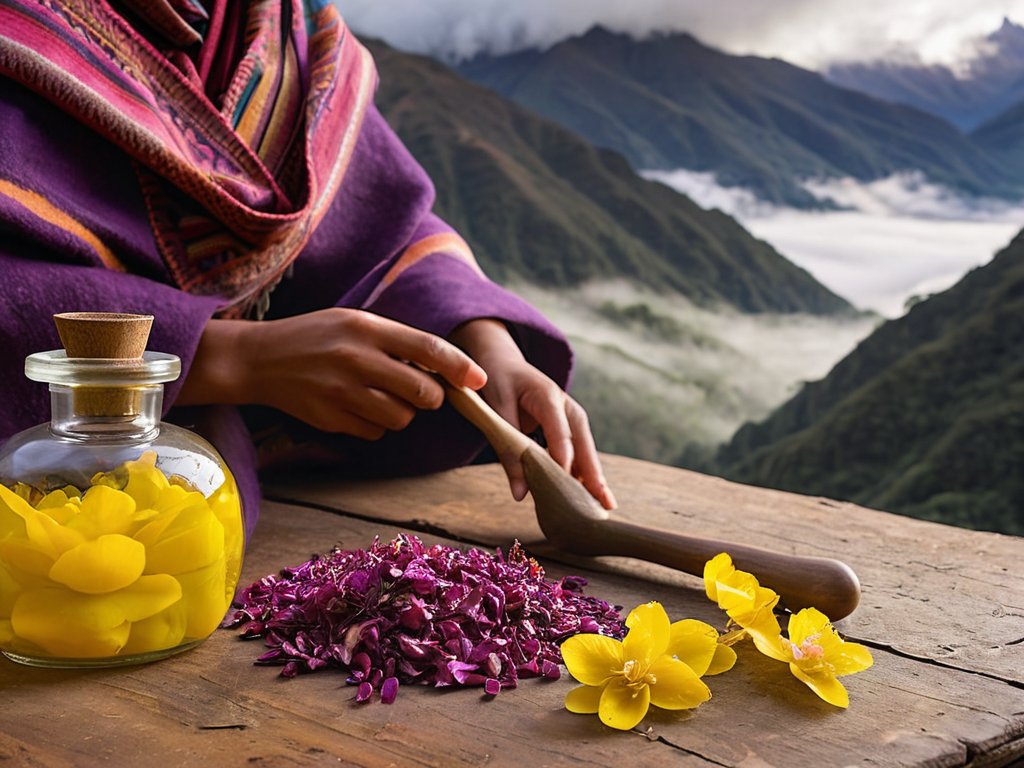
On my recent trek through the mist‑shrouded valleys of the Peruvian Andes, I discovered how holistic healing herbs are woven into daily life far beyond the kitchen shelf. Women there still coax the vibrant purple petals of coca and the bright yellow blossoms of ruda into small bottles, a practice that mirrors the herbal tincture preparation I learned in a Kyoto workshop. What struck me most was their reverence for herbal remedy safety guidelines: each batch is measured with a wooden spoon, labeled in the native Quechua, and shared only after a quick prayer for balance. I now keep a pocket notebook of those simple ratios, a reminder that potency is as much about intention as it is about concentration.
Back in London, I’ve been cross‑referencing the herbal medicine dosage chart my former diplomatic colleagues helped compile with the traditional herbal treatments for colds I gathered in a Dublin market stall. A spoonful of elderflower‑infused honey, a dash of ginger, and a sprig of yarrow can turn a sniffle into a story of resilience. For those long flights or restless nights, I turn to herbal stress relief techniques—a few drops of lavender‑peppermint tincture or a warm mug of turmeric‑spiced tea—while remembering the quiet power of herbal anti‑inflammatory plants like turmeric and willow bark to soothe both body and mind.
Herbal Tincture Preparation Crafting Remedies From Global Roots
When I stayed with a family in the highlands of Oaxaca, I watched my host, a curandera, coax damiana and sage into a small amber bottle. She called a tincture “the plant’s spirit dissolved in alcohol,” a practice that stretches from medieval Persian alchemists to Japanese tea houses. The trick is patience: four weeks of sunlight, a daily shake, and thanks for the harvest.
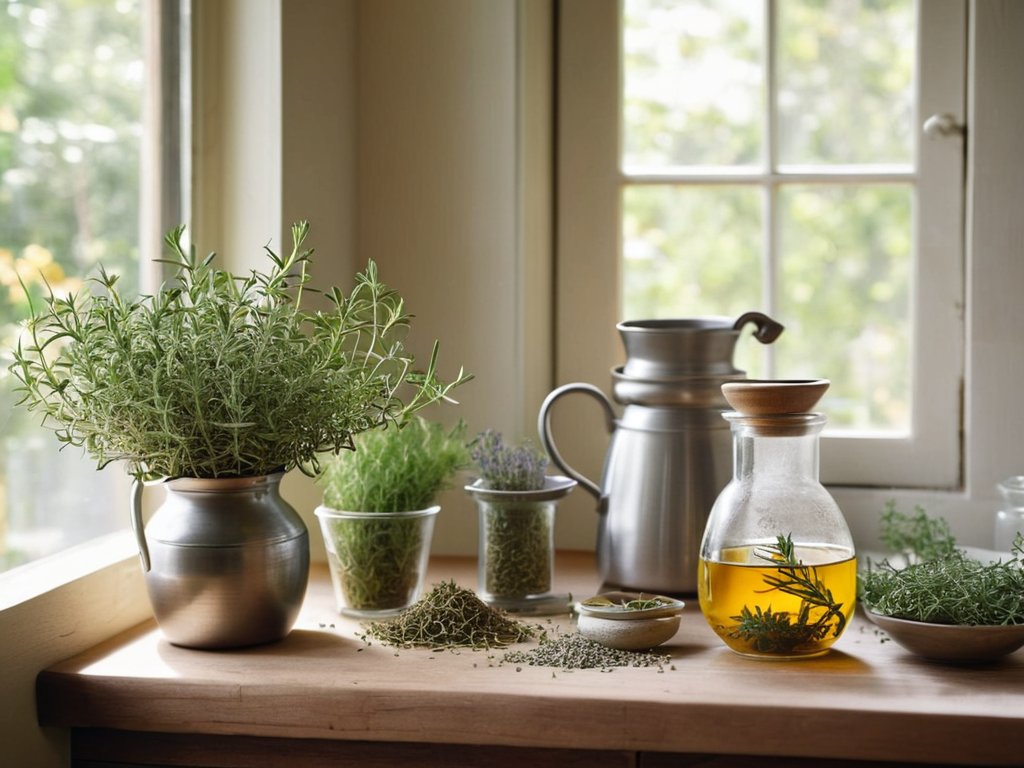
In my London flat, I recreate that ritual with whatever herb I gather abroad—Bhutan’s yak‑hair grass, South Africa’s rooibos, or a pinch of Himalayan rhodiola. I fill a glass jar, cover the dried material with 40‑50 % vodka, label it with a vintage‑globe tag, and let it sit in a dark cupboard for three weeks. After straining through muslin, the amber tincture becomes a passport to the plant’s native landscape, ready for drops in tea or tonic.
Navigating Herbal Remedy Safety Guidelines for Everyday Use
Every time I uncork a jar of nettle tincture in a sun‑lit kitchen in the Basque Country, I’m reminded that even the most venerable herbs demand a quiet responsibility. A single leaf of rue can ease a migraine, yet the same plant may trigger dangerous uterine contractions if misused. That paradox drives my safety checklist, which feels like a passport stamp before any remedy leaves the shelf. I start by insisting on traceable, ethically grown herbs; I then dose conservatively—usually a quarter of the suggested amount—and watch for any reaction over 48 hours. I also cross‑check against any prescription or over‑the‑counter medication, knowing, for instance, that St. John’s wort can blunt antidepressants. When uncertainty lingers, I call a trusted local herbalist or a former diplomatic health liaison. A brief conversation often prevents a kitchen experiment from spiralling into a medical emergency.
Five Essential Tips for Safe & Effective Herbal Remedies
- Start with a single herb and a modest dose to gauge your body’s response before combining multiple ingredients.
- Source your herbs from reputable suppliers or grow them yourself, checking for proper identification and pesticide‑free cultivation.
- Research traditional uses and modern studies alike, noting any contraindications with medications you’re taking.
- Always prepare remedies—tinctures, teas, or salves—using clean, sterilized equipment and store them in labeled, airtight containers away from direct sunlight.
- Consult a qualified herbalist or healthcare professional, especially if you’re pregnant, nursing, have chronic conditions, or are introducing a new herb into your routine.
Key Takeaways
Herbal tinctures can be safely crafted at home using simple, globally-sourced ingredients—just remember to respect dosage and storage guidelines.
Understanding regional traditions enriches your practice, whether you’re drawing on Ayurvedic basil, Japanese yuzu, or African rooibos for specific health goals.
Always verify plant identification and consult reputable sources or professionals before using new herbs, especially if you’re pregnant, nursing, or on medication.
Healing Across Borders: The Wisdom of Herbal Remedies
In every leaf and root lies a story of the land it grew from, and when we turn it into a remedy we are not merely soothing a body—we are honoring the chorus of cultures that have tended those plants for centuries.
Alexandra Thompson
A Closing Reflection on Herbal Remedies
Looking back on the path we’ve walked together, I’m reminded how a simple leaf can become a bridge between continents. We began with basics—identifying trustworthy sources, gathering fresh herbs, and respecting the rhythm of seasons—before moving into step‑by‑step guide that showed how to dry, infuse, and store each remedy safely. The journey then stretched across borders, from Ayurvedic roots of tulsi in India to chamomile fields of Czech Republic, illustrating that healing traditions are as diverse as the cultures that nurture them. Along the way, I detailed herbal tincture preparation, highlighting precise maceration times and alcohol‑to‑herb ratios, and I underscored the importance of following safety guidelines to protect body and spirit.
Beyond the recipes, what stays with me is the power of shared stories—how a grandmother’s whispered tea ritual in the Andes can echo a monk’s incense offering in Kyoto, and how those echoes invite us to listen, learn, and heal together. I hope the guide you’ve just walked through becomes more than a set of instructions; may it be a passport to curiosity, encouraging you to explore your garden, converse with local healers, and honor each plant’s lineage. In a world often feeling fragmented, herbal remedies remind us we are rooted in the same earth, and by nurturing these connections we sow seeds of a more compassionate, globally united future.
Frequently Asked Questions
How do I safely source authentic herbs from different regions without compromising quality?
I start by mapping reputable cooperatives or community farms that certify organic, fair‑trade harvests—often listed on regional agronomy boards or UNESCO heritage sites. When possible, I visit the market or farm personally, asking for provenance paperwork and checking for earthy scent, vibrant color, and intact leaves. If travel isn’t feasible, I rely on vetted online platforms that require third‑party lab reports for heavy metals and pesticide residues. Finally, I build a small network of trusted local distributors who can ship samples for my own quality testing before I commit to larger orders.
What are the recommended dosage guidelines for homemade herbal tinctures to avoid adverse effects?
When I make a tincture, I start with the classic 1 ounce of dried herb per 2 cups of 80‑proof vodka, then let it steep for 4‑6 weeks, shaking it every few days. For adults, a safe “starter” dose is ½ to 1 ml (about 10‑20 drops) taken 2‑3 times daily; you can increase to 2‑3 ml once you know how your body reacts. Always begin with the lowest amount, watch for any itching, stomach upset, or dizziness, and never give tinctures to children, pregnant women, or anyone on blood‑thinning medication without professional guidance.
Can I combine multiple herbal remedies in a single preparation, and how do I know if they might interact?
From the tea stalls of Darjeeling to the herbal markets of Oaxaca, I’ve learned that mixing botanicals can be a delicate dance. Start by pairing herbs that share a common purpose—like chamomile for calm and lavender for sleep—while avoiding those with opposing actions, such as stimulants alongside depressants. Always check reputable monographs, consult a qualified herbalist, and keep a journal of doses; a simple patch‑test can reveal hidden interactions before you brew the whole batch.