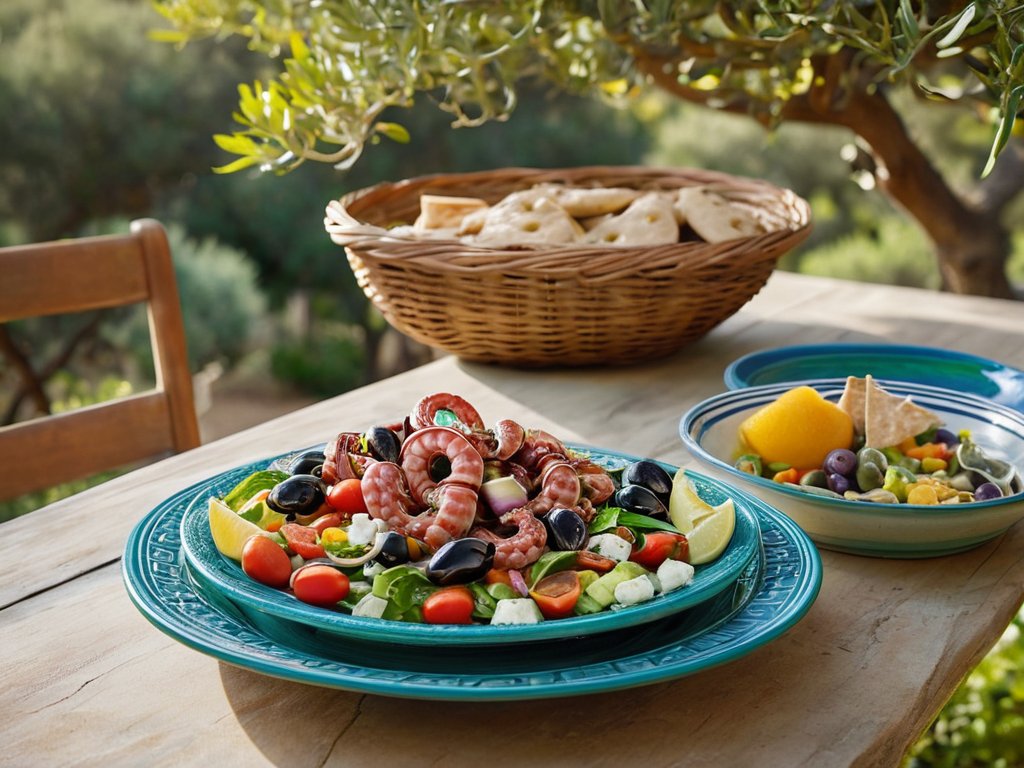
The scent of cumin and roasted chickpeas swirled around me as I lifted a steaming samosa from the copper pan at a Delhi street stall, half‑caught between a deadline and the urge to simply taste the moment. I paused, not because I was dieting, but because I wanted to truly hear the crunch, the spice, the story behind each bite. That fleeting decision sparked my lifelong curiosity about mindful eating—the practice that turns a hurried snack into a bridge between cultures, bodies, and minds.
In this guide I strip away the jargon you’ve heard in wellness magazines and hand you a toolbox you can start using tonight, whether you’re devouring a lunch or sharing a feast in a village. You’ll learn three steps: 1) how to anchor your attention with the senses you already own, 2) how to recognize the subtle cues that tell you when you’re nourished, and 3) how to weave gratitude into every morsel without turning the meal into a performance. By the end, you’ll have a actionable plan that makes each bite a conversation between your palate and the world.
Table of Contents
- Project Overview
- Step-by-Step Instructions
- Savoring Connections Mindful Eating Across Cultures and Conversations
- How to Practice Mindful Eating Reap Benefits and Lose Weight
- Mindful Eating Techniques Journal Prompts and Tips for Beginners
- Five Simple Practices to Turn Every Meal into a Mindful Journey
- Key Takeaways
- A Bite of Global Awareness
- Conclusion: A Plate of Presence, A World of Connection
- Frequently Asked Questions
Project Overview

Total Time: 30 minutes per day, 2 weeks to establish habit
Estimated Cost: $0 – $20
Difficulty Level: Easy
Tools Required
- Smartphone ((with meditation or mindfulness app installed))
- Timer or stopwatch ((can use phone timer))
Supplies & Materials
- Notebook or journal (For tracking meals and reflections)
- Pen or pencil
- Reusable water bottle (Helps monitor hydration)
- Healthy snack portions (Pre‑portioned fruits, nuts, or veggies)
Step-by-Step Instructions
- 1. Set the stage by choosing a quiet corner—perhaps a sun‑lit balcony in Marrakech or a modest kitchen in my London flat—where you won’t be rushed. I lay my vintage globe nearby as a reminder that every bite is a small journey. Before I start, I take three deep breaths, letting the scent of the food mingle with the ambient sounds, and I declare my intention to eat with presence, not distraction.
- 2. Observe the plate as if you’re meeting a new acquaintance. I note the colors, textures, and shapes, tracing the story of each ingredient—spices from Delhi, herbs from the English countryside. I pause, allowing my eyes to linger, then I acknowledge the effort behind every component, from farmer to farmer’s market stall.
- 3. Engage the senses one by one. I bring the fork to my nose, inhaling the aroma; I feel the temperature of the spoon against my palm; I listen for the subtle crackle of a fresh salad. Only after this sensory inventory do I take the first bite, chewing slowly enough to hear the whisper of flavors unfolding, and I savor each chew as a conversation between palate and culture.
- 4. Chew deliberately, aiming for at least 20–30 cycles per mouthful. While I chew, I let my mind wander to the origins of the dish—perhaps recalling a bustling market in Jaipur or a quiet tea ceremony in Kyoto. This mindful rhythm creates space for gratitude, turning a simple meal into a shared narrative across borders.
- 5. Pause between bites to check in with your body. I place the utensil down, notice any sensations of fullness, satisfaction, or lingering cravings. This brief intermission helps me respect my hunger cues, preventing overeating and allowing the flavors to settle like a gentle tide on a distant shore.
- 6. Reflect and record after the meal. I jot a few lines in my travel journal—what tasted, what memory it evoked, how the moment felt. Sometimes I sketch a tiny map of the dish’s journey, linking it back to the vintage globe on my shelf. This closing ritual cements the experience, turning mindful eating into a lasting story I can revisit whenever I crave connection.
Savoring Connections Mindful Eating Across Cultures and Conversations

I’ve found the most vivid way to anchor my practice is to let the map of a plate guide the breath. When I sit down to a bowl of steaming pho in Hanoi or a mezze spread in a Marrakech courtyard, I pause long enough to trace the story behind each aroma before the first sip. Simple mindful eating techniques—like counting the spices you detect or feeling the broth’s temperature against your lips—turn a solitary meal into a cultural dialogue. This subtle shift in awareness not only deepens gratitude but also reveals a quiet mindful eating benefits: a stronger sense of belonging to the world around you.
To keep the momentum, I jot quick notes in a pocket notebook—one of my favorite mindful eating journal prompts is to write three sensory details and a memory the dish evokes. For beginners, pairing these reflections with a short breathing exercise before each bite smooths the learning curve. If weight management is part of your goal, the habit of pausing lets the body signal satiety, making mindful eating for weight loss feel less like a diet and more like a conversation with yourself.
How to Practice Mindful Eating Reap Benefits and Lose Weight
I start each meal the way I begin a journey—by pausing at the threshold, taking a breath, and asking, “What story does this plate hold for me today?” I scan the colors, notice the textures, and let my senses map the terrain before the first bite. Slowly chewing, I count the chews, feeling the food dissolve and noticing how my body signals satiety, a gentle reminder that nourishment, not deprivation, fuels the voyage toward a lighter waistline. Over weeks, the practice rewires my cravings: I crave depth rather than distraction, and the pounds drift off like sand slipping through the fingers of a well‑worn map. The real reward, however, is the conversation that follows—a shared smile across the table, a cultural anecdote about communal feasting, and the quiet confidence that comes from feeding both belly and mind with intention.
Mindful Eating Techniques Journal Prompts and Tips for Beginners
When I first sat down to a steaming bowl of dal in Varanasi, I learned that the simplest technique—placing a fingertip on the plate before the first bite—creates a pause that lets aromas settle in the mind. I now start every meal by naming three sensations: scent, colour, temperature. Then I chew deliberately, counting the chews until I reach twenty, which slows the rhythm and invites curiosity about texture.
To keep the practice alive, I keep a small pocket notebook—my “globe‑journal”—and ask myself: “What story does this dish whisper about its origin?” or “Which memory does the taste awaken?” For beginners, I recommend setting a timer for five minutes of silent eating, turning off all screens, and ending the session with a brief gratitude line. Even a single mindful bite a day can turn an ordinary plate into a bridge across continents.
Five Simple Practices to Turn Every Meal into a Mindful Journey

- Pause and breathe before the first bite, letting your senses notice the colors, aromas, and textures of the food
- Take one bite at a time, chewing slowly and fully to taste each nuance before swallowing
- Put down utensils between bites, using the pause to check in with your hunger and fullness cues
- Create a brief gratitude ritual—acknowledge the hands, land, and stories behind the ingredients on your plate
- End the meal with a quick reflection journal prompt: What did you notice, feel, and appreciate about this eating experience?
Key Takeaways
Mindful eating transforms each bite into a bridge between your senses and the stories behind the food, fostering deeper cultural appreciation.
Simple practices—like pausing before the first forkful, chewing slowly, and noting flavors—anchor you in the present and support balanced weight management.
Keeping a brief journal of sensations, emotions, and memories after meals cultivates self-awareness and creates a personal archive of global culinary connections.
A Bite of Global Awareness
When we eat with intention, each morsel becomes a passport—traveling from the farmer’s field to the storyteller’s table—and reminds us that nourishment is as much about the world we share as the body we feed.
Alexandra Thompson
Conclusion: A Plate of Presence, A World of Connection
Throughout this guide we have unpacked the essence of mindful eating: slowing down, engaging the senses, and honoring the story behind each bite. We walked through a step‑by‑step routine—pause, breathe, notice texture, and reflect—paired with simple journal prompts that turn meals into mini‑diaries of gratitude. The techniques we explored, from the five‑sense sweep to portion‑awareness cues, not only sharpen awareness but also create a sustainable pathway to weight loss and better digestion. Finally, we celebrated how these practices echo across cultures, turning a shared table into a bridge of empathy and global connection. By integrating these habits, you invite curiosity back into everyday nourishment, turning routine meals into moments of intentional presence.
Imagine a world where every forkful carries the echo of a distant market, the laughter of a family gathering, and the quiet confidence that you are feeding not just a body but a story. When you make mindful eating a daily ritual, you plant a seed of compassion that ripples outward—into conversations, into policy, into the very fabric of our shared humanity. I invite you to set a small, intentional table tonight: light a candle, breathe deeply, and let the flavors guide you toward a deeper sense of belonging. In that pause, you become both traveler and host, stitching together the diverse tapestries that make our planet so richly flavorful.
Frequently Asked Questions
How can I start practicing mindful eating when my schedule leaves me little time for meals?
I start by treating the few minutes I do have as tiny rituals rather than chores. When a deadline forces a quick bite, I pause—just 30 seconds—to notice the plate, the aroma, and the texture. I put my phone on silent, take a slow inhale, and chew each mouthful deliberately, counting the chews. A quick journal note—“spicy, energizing, rushed?”—helps me spot patterns. Over time, those micro‑moments stitch together a calmer, more connected relationship with food, even on the busiest days.
What simple mindful eating techniques work best with traditional family recipes from different cultures?
I start by honoring the story behind each dish—taking a moment to recall who taught me the recipe and what the spices meant in their culture. Then I pause, inhale the aroma, and set a modest portion on my plate, leaving space for the rest. I eat slowly, chewing each bite at least twenty times, noting texture, flavor shifts, and the warmth that spreads. A quick gratitude note—“Thank you, grandma’s dal, for feeding my roots”—anchors the experience, turning tradition into mindful nourishment.
Can mindful eating truly aid weight loss, and how soon might I notice changes?
I’ve found that mindful eating can indeed tip the scales, not by drastic restriction but by rewiring our relationship with food. When you pause, notice textures, and honor true hunger, cravings lose their grip and portions naturally shrink. In my own experiments, subtle shifts appear after two‑to‑three weeks—lighter mornings, fewer mid‑day cravings. Consistency is key; the body rewards patience, and the real transformation is a calmer mind that makes healthier choices without feeling deprived.