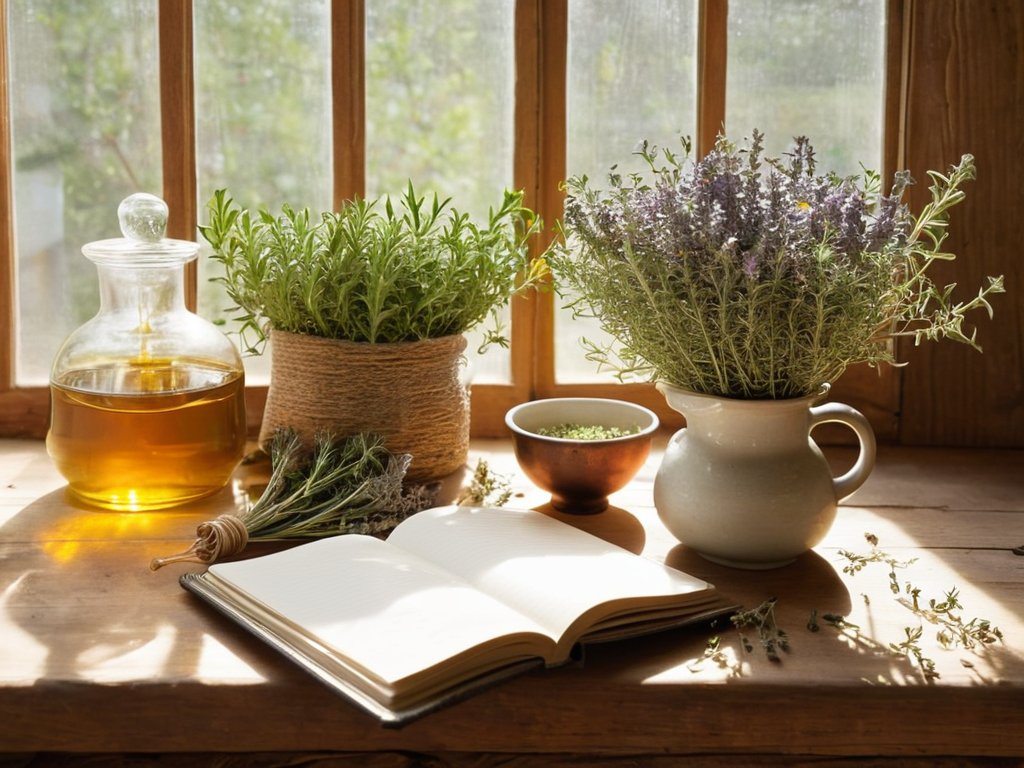
I was perched on a cracked stone wall in a remote Himalayan village, the wind carrying the scent of pine and simmering nettle tea, when an elderly woman handed me a bundle of dried lavender and whispered, “This is not a cure‑all, but a conversation with your body.” In that moment, the myth that herbal remedies are either magical panaceas or useless folklore hit me like a gust of mountain air. I realized the real power lies not in the plant itself, but in how we understand its context, preparation, and limits.
That realization shaped the guide you’re holding now. Over the next few pages I’ll walk you through three no‑nonsense steps: how to identify trustworthy herbs in any market, the simplest preparation methods that preserve potency without fancy equipment, and the essential safety checks that keep curiosity from turning into harm. You’ll also get a quick reference chart for common ailments—from sleepless nights to stubborn colds—so you can decide when a cup of chamomile is enough and when a professional opinion is warranted. By the end, you’ll feel confident turning age‑old wisdom into a practical, everyday toolkit.
Table of Contents
Project Overview
Total Time: 3 hours
Estimated Cost: $15 – $30
Difficulty Level: Intermediate
Tools Required
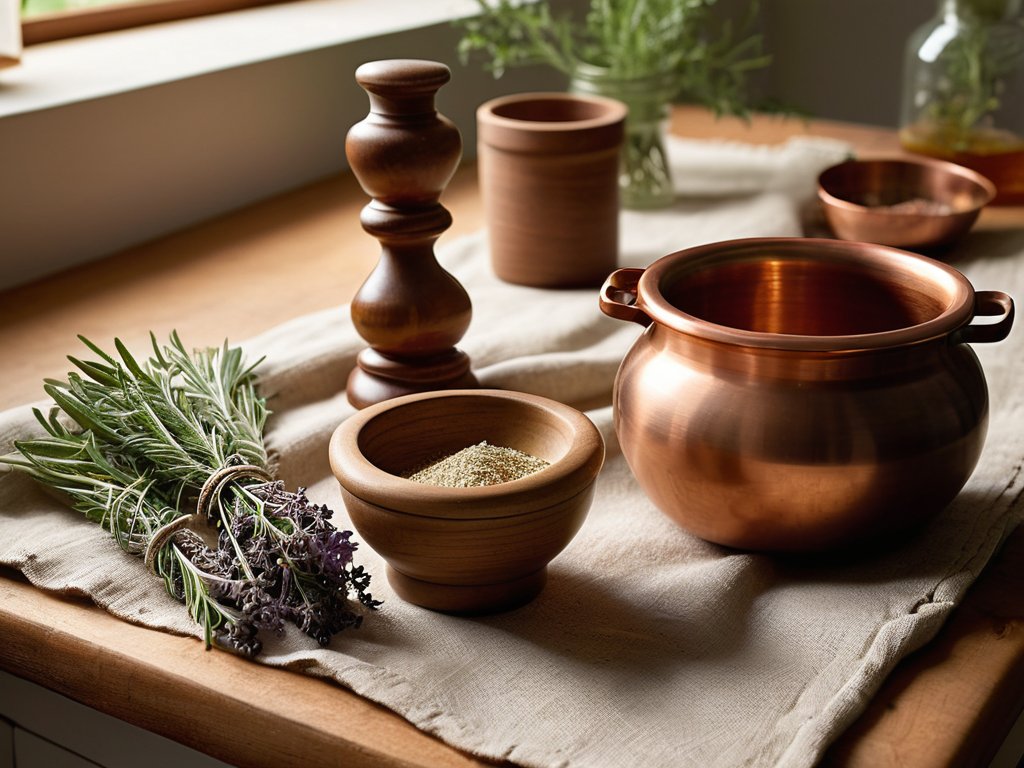
- Mortar and Pestle ((ceramic or stone for grinding herbs))
- Digital Kitchen Scale ((for precise measurements))
- Glass Jars with Lids (10-ounce size preferred)
- Cheesecloth (for straining tinctures)
- Saucepan (stainless steel, 2-quart capacity)
Supplies & Materials
- Dried Chamomile Flowers
- Echinacea Root (dried, chopped)
- Peppermint Leaves (dried)
- Organic Honey
- Apple Cider Vinegar (raw, unfiltered)
Step-by-Step Instructions
- 1. First, I map my health goal to a traditional remedy. I sit with a notebook, jot down what I’m hoping to address—whether it’s restless sleep, lingering joint aches, or digestive hiccups. Then I skim reputable ethnobotanical sources or trusted community healers to pinpoint a herb historically linked to that concern, noting its local name, preparation style, and any cultural stories that accompany it.
- 2. Next, I verify safety and dosage. I cross‑check the chosen herb against reputable databases such as the WHO Monographs on Selected Medicinal Plants or peer‑reviewed journals, looking for contraindications, especially if I’m on prescription meds. I also note the recommended daily amount, converting traditional measures (like a handful of leaves) into modern units (grams or millilitres) for consistency.
- 3. Then I source the herb responsibly. I reach out to certified organic growers, fair‑trade cooperatives, or, when possible, local foragers who respect seasonal harvesting cycles. I ask about the plant’s provenance, cultivation methods, and whether the supply chain supports the originating community, ensuring my remedy is both ethical and high‑quality.
- 4. After the herb arrives, I prepare it according to tradition. Whether it calls for a decoction, infusion, tincture, or poultice, I follow the time‑tested ratios—typically a teaspoon of dried herb per cup of water for teas, or a handful of fresh leaves for a cold compress. I pay close attention to simmering times, steeping temperatures, and storage instructions, documenting each variable in my field journal.
- 5. I test the remedy with a mindful trial period. I start with a fraction of the suggested dose, observing my body’s response over 48‑72 hours. I log any sensations, side effects, or improvements, adjusting the dosage gradually if needed. This cautious approach respects both the herb’s potency and my own unique physiology.
- 6. Finally, I reflect and share the journey. I write a concise entry—highlighting what worked, what didn’t, and any cultural insights I uncovered—then I share it on my blog or with the community that introduced me to the plant. By doing so, I close the loop, contributing to a living tapestry of global healing knowledge.
Herbal Remedies Global Stories of Healing and Connection
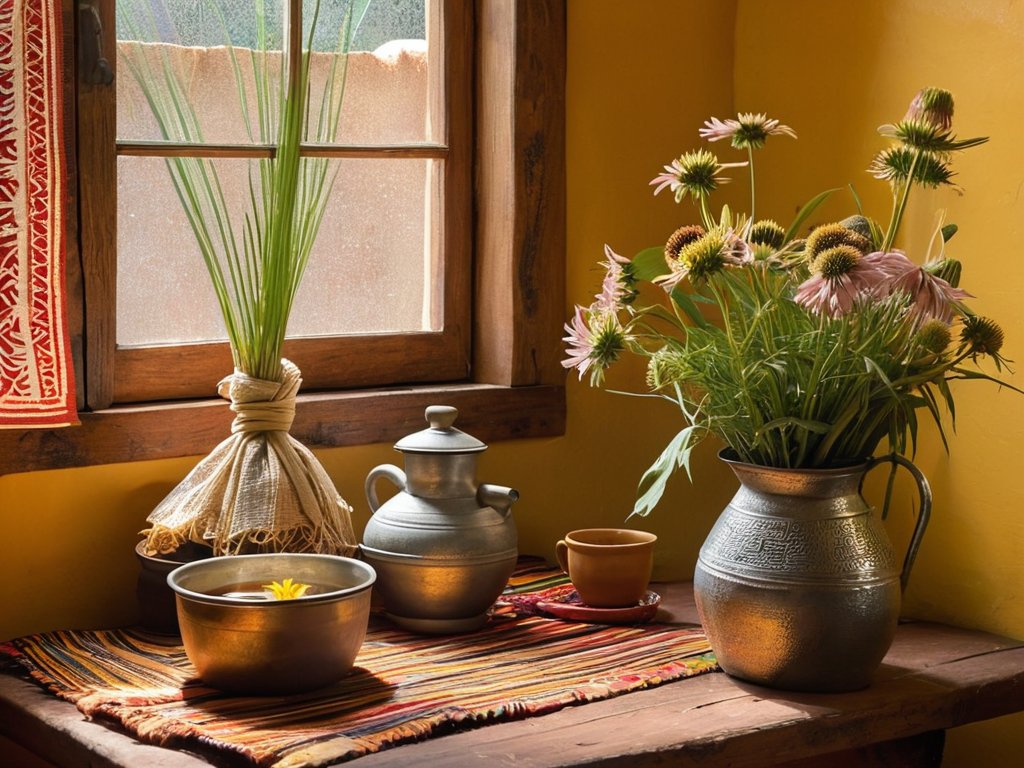
On a recent stop in the highlands of Oaxaca, I entered a modest kitchen where a grandmother poured steaming amber liquid into tin cups. She explained that the brew—made from echinacea, lemongrass, and a pinch of honey—was her family’s go‑to herbal tea for immunity during the rainy season. Her simple rule was one cup in the morning and another at dusk, never more than two per day. I now keep that rule in my herbal remedy dosage guide, reminding readers that even gentle botanicals can tip the balance if taken indiscriminately. A quick check of safety precautions—confirming no pregnancy contraindications or drug interactions—turns a comforting ritual into a responsible practice.
In Marrakech’s souks I picked up a simple DIY herbal tincture recipe—rosemary, sage, and a splash of argan oil—that can calm the nervous edge of travel. A few drops under the tongue helped a friend with anxiety, but I urged her to begin with a single dose and watch her reaction before any increase. The same gentle approach works when you how to make herbal salve for cuts, applying a thin layer and letting the skin breathe.
Diy Herbal Tincture Salve Dosage Guide and Safety
Back in the highlands of Oaxaca, I watched a local healer coax the bright orange hue of calendula into a bottle of vodka, creating a tincture that soothed bruises and rashes for generations. Replicating that ritual at home is surprisingly simple: steep two parts dried herb in one part high‑proof alcohol for three to six weeks, shaking daily, then strain and store in amber glass. For a soothing salve, melt equal parts beeswax and carrier oil, whisk in a tablespoon of the same tincture, and let it set in a tin—perfect for cracked heels after a long trek.
When it comes to dosage, I always start low: a few drops of tincture under the tongue or a pea‑sized dab of salve, adjusting only after I’ve observed my body’s response. Remember that alcohol‑based extracts aren’t for children, pregnant people, or anyone with liver concerns, and always patch‑test a small skin area first. When in doubt, a quick chat with a qualified herbalist can turn curiosity into safe, effective practice.
Herbal Tea for Immunity Anxiety Relief and Traditional Uses
When I was stationed in the highlands of Oaxaca, a neighbor offered me a steaming cup of chaparral tea, its citrus‑bright aroma cutting through the thin mountain air. She told me the herb, called “cáñamo de la montaña,” has long been brewed to boost immunity against colds and to calm the nervous mind after long market days. The ritual echoed the Japanese kombucha ceremony, where each sip promises resilience and quiet focus.
In London, I steep a blend of elderflower, echinacea, and a pinch of lavender—ingredients that travel with me in a tin from my globetrotting days. Elderflower lifts the spirit, echinacea rallies white‑blood‑cell activity, and lavender eases the jittery edge that diplomatic briefs can leave behind. The resulting tea feels less like medicine and more like a conversation starter, a liquid bridge linking Delhi’s Ayurvedic kitchens with the Andean herbal apothecaries.
Key Takeaways
Herbal teas can be a gentle, culturally rich way to boost immunity and calm anxiety, but their effects vary by tradition and individual tolerance
DIY tinctures and salves let you harness the potency of herbs at home, provided you follow precise dosage guidelines and respect safety precautions
Understanding the historical and regional contexts of each remedy deepens both its therapeutic value and the connections we share across borders
Nature's Pharmacy Across Borders
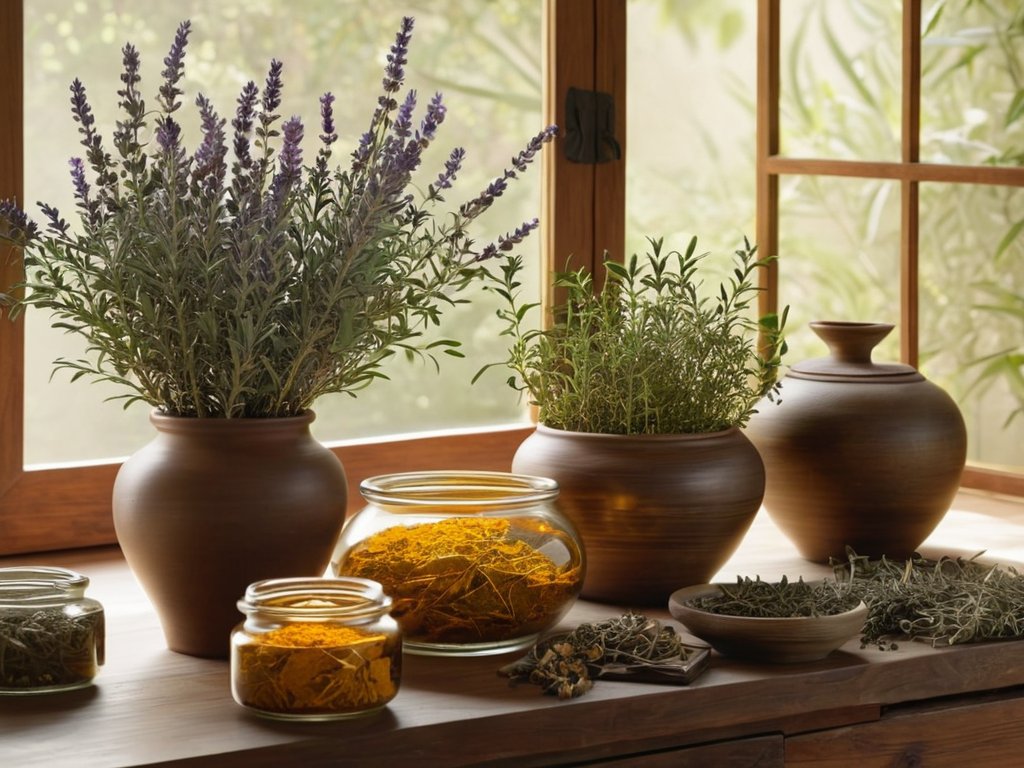
In every leaf and root lies a story that travels the world before it reaches our hands—a reminder that herbal remedies are not just cures, but shared whispers of cultures intertwined.
Alexandra Thompson
Conclusion
I’ve walked from the tea gardens of Darjeeling to the lavender fields of Provence, and each step reminded me that the remedies we brew are more than recipes; they’re living archives of community wisdom. In this guide we traced how a simple herbal tea for immunity can also quiet the mind, explored the centuries‑old rituals that shape its flavor, and then moved into the workshop of the home—crafting a DIY herbal tincture, a soothing salve, and a clear dosage framework that keeps safety front‑and‑center. By honoring the plant’s native ecology, measuring each dose with care, and listening to the stories that travel with every leaf, we create a practice that is both effective and respectful.
Looking ahead, I see herbal remedies as a global garden of healing that thrives when we nurture both the soil and the stories that surround it. Every cup we share, every salve we apply, carries a whisper from a distant market, a mountain monastery, or a family kitchen—reminding us that health is a conversation across borders. I invite you to let curiosity guide your next brew, to document the provenance of each herb, and to pass the knowledge on, just as my grandparents did with their spice satchels. In doing so, we not only tend to our own well‑being but also stitch a richer, more resilient tapestry of human connection.
Frequently Asked Questions
What are the safest herbs to use for a beginner’s tincture and how do I avoid harmful interactions?
From my early days in a Delhi kitchen to the quiet herb gardens of the Cotswolds, I’ve found a handful of herbs that feel almost forgiving for a first‑time tincture. Chamomile, lemon balm, and nettle are gentle, widely studied, and rarely clash with medications—just watch for blood‑thinners if you add large doses of nettle. Always start with a low 1:5 alcohol‑to‑herb ratio, label each batch, and cross‑check any prescription with your doctor before sipping.
How can I determine the right dosage for a homemade herbal salve or tea, especially for children or pregnant people?
I start with the herb’s traditional dosage – the amounts passed down in its culture. For a tea, an adult cup usually calls for 1‑2 g of dried leaf; cut that to a third for children and halve it again for pregnant people, never exceeding a half‑cup per day. For a salve, a 5 % oil infusion (5 g herb per 100 ml carrier) is safe for adults; reduce to 2‑3 % for kids and 1 % for mothers, and patch‑test first.
Are there any common side‑effects or contraindications I should watch for when using herbal remedies for anxiety or immune support?
When I first explored calming teas in the Himalayas, I learned that even gentle herbs can have hidden flags. Valerian or kava may cause drowsiness and should never be mixed with sedatives or alcohol; passionflower can amplify blood‑thinners. Immune boosters such as echinacea or elderberry sometimes trigger stomach upset, rash, or exacerbate autoimmune flare‑ups, and they can interfere with immunosuppressants. Always check pregnancy status, existing liver conditions, and any prescription meds before you steep or tincture.