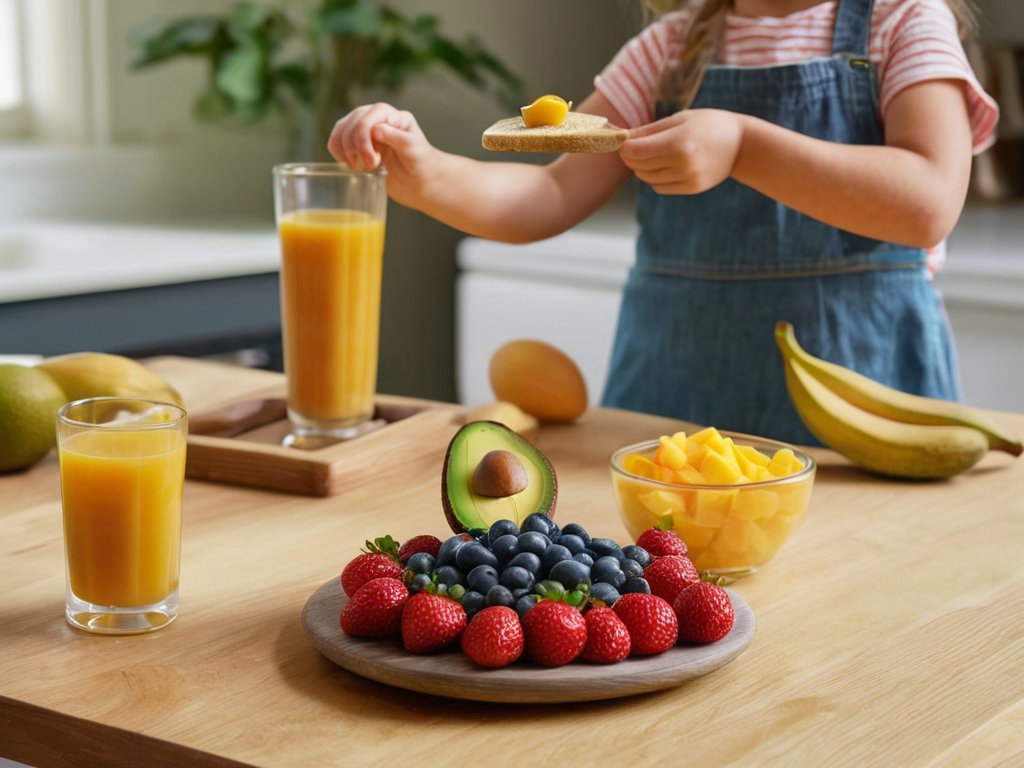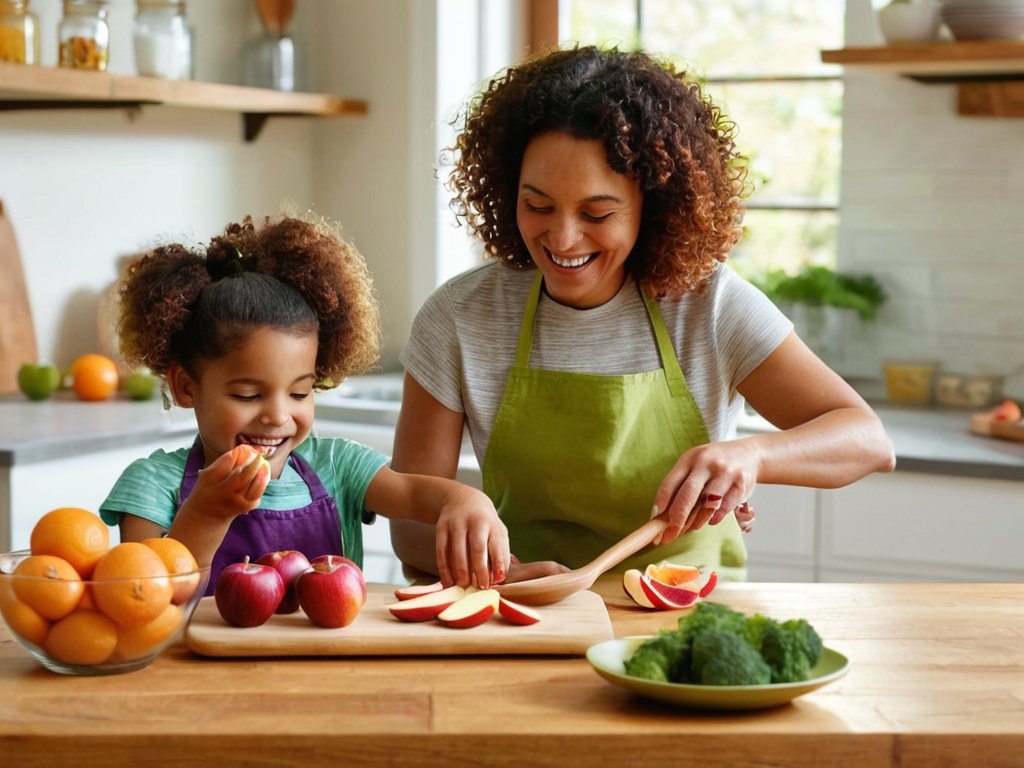
You’ve probably heard that the secret to healthy eating habits for kids is a plate‑full of broccoli, carrots, and a ‘no‑junk’ rule at every dinner. The counter‑intuitive truth? Kids actually thrive when we give them choice and a sense of adventure on their plates, not a lecture. I remember sitting on the floor of a bustling market in Marrakech, watching my niece chase after a rainbow of dried apricots, figs, and a fragrant flatbread. That moment reminded me that food is a story we tell ourselves, and if the story is fun, the nutrition follows.
In this guide I’ll strip away the myths and hand you a toolbox of strategies: how to turn snack time into a culture lesson, five simple tricks to sneak micronutrients into meals without a battle, and a week‑long meal‑planning template that respects families yet celebrates global flavors. From the spice stalls of Delhi to the olive groves of Crete, those flavors become the backdrop for lasting habits. By the end you’ll feel confident to invite curiosity back into the kitchen, and your children will start asking for foods that keep them strong and curious.
Table of Contents
- Project Overview
- Step-by-Step Instructions
- Cultivating Healthy Eating Habits for Kids a Global Perspective
- Crafting Balanced Meals and Portion Sizes for Growing Children
- Engaging Kids in Meal Planning to Reduce School Lunch Sugar
- Five Everyday Tips to Nurture Healthy Eaters
- Key Takeaways for Nurturing Healthy Eating Habits
- Nourishing Futures, One Bite at a Time
- Conclusion
- Frequently Asked Questions
Project Overview
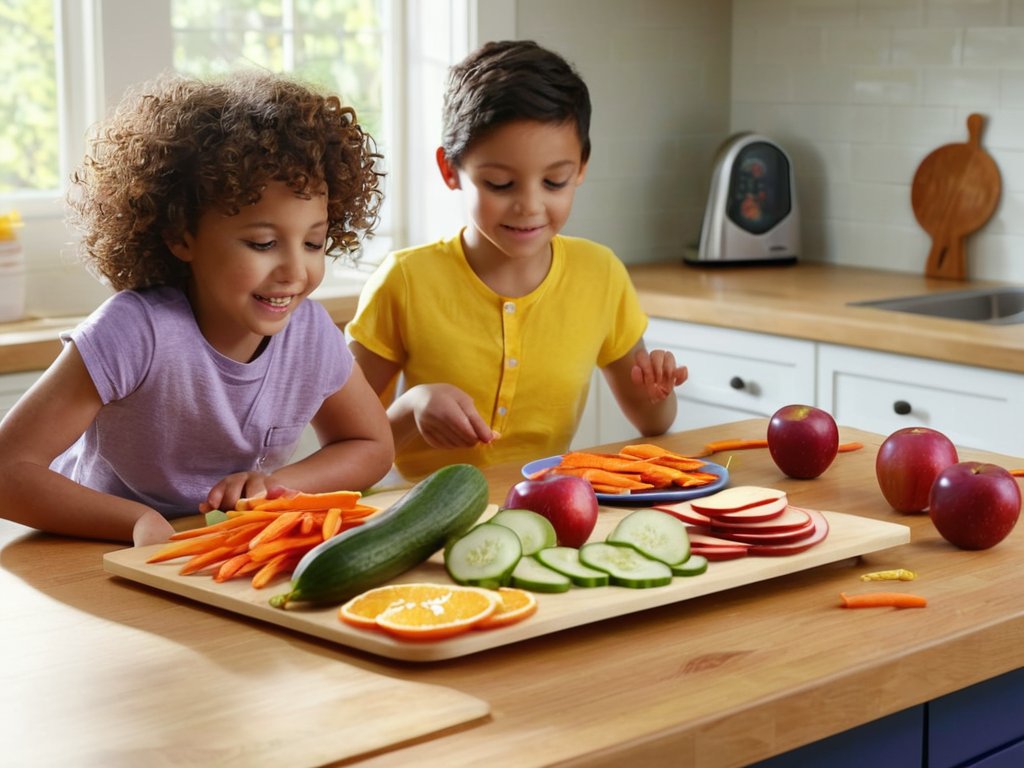
Total Time: 30 minutes daily (approx. 3.5 hours per week)
Estimated Cost: $40 – $80 initial setup
Difficulty Level: Easy
Tools Required
- Meal Planner Template ((printable or digital))
- Food Scale ((optional for portion control))
- Kid-friendly Cooking Utensils (e.g., small measuring cups, colorful spoons)
Supplies & Materials
- Reusable Snack Containers (BPA‑free, various sizes)
- Water Bottle (Leak‑proof, 12‑ounce)
- Fresh Produce (Seasonal fruits and vegetables)
- Whole Grain Products (Bread, pasta, cereals)
Step-by-Step Instructions
- 1. Start with a story at the table. I begin each mealtime by sharing a quick anecdote from my latest trip—perhaps the bustling spice market of Marrakech or a sunrise breakfast on a remote island. This tiny cultural glimpse sparks curiosity, and when kids see food framed as a passport to adventure, they’re more willing to try new vegetables or grains.
- 2. Create a colorful “plate map.” I lay out the plate like a miniature world map: a bright green “forest” of leafy veggies, a golden “sunrise” of whole‑grain carbs, and a protein “mountain” of beans, fish, or lean meat. By letting children place each food group onto the map, they get a visual cue that balanced meals are both fun and easy to assemble.
- 3. Involve them in a mini‑shopping expedition. Before heading to the grocery store, I hand my kids a simple checklist with symbols—🍎 for fruit, 🥦 for vegetables, 🥖 for whole grains. At the market, we hunt for the freshest, most seasonal options, and I let them choose one unfamiliar item to explore later at home.
- 4. Turn cooking into a collaborative workshop. Back in the kitchen, I assign age‑appropriate tasks: washing produce, stirring a sauce, or sprinkling herbs. While we work, I explain the origin story of each ingredient—like how quinoa traveled from the Andes to our pantry. This hands‑on approach builds confidence and a sense of ownership over what ends up on their plates.
- 5. Establish a “food passport” journal. Each week, my kids earn a stamp for trying a new fruit, vegetable, or culturally inspired dish. I encourage them to jot down a sentence about the taste, texture, or the story behind it. Over time, the journal becomes a treasured record of culinary adventures, reinforcing the habit of exploring diverse, nutritious foods.
- 6. Set gentle, consistent routines. I keep meal and snack times on a predictable schedule, allowing a short “mindful pause” before eating to notice hunger and gratitude. By modeling steady rhythms—much like the regular diplomatic briefings I once attended—children learn to listen to their bodies and make healthier choices without pressure.
Cultivating Healthy Eating Habits for Kids a Global Perspective
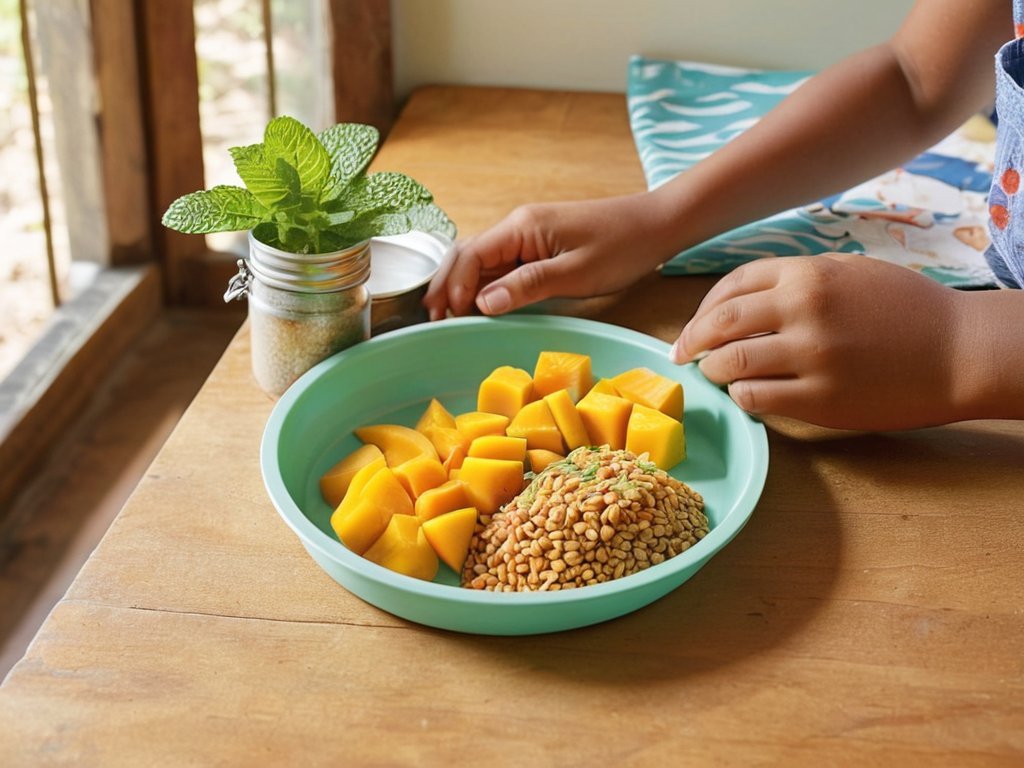
When I spent a few weeks in Nairobi, I discovered that a simple lunchbox can become a cultural dialogue. A few cubes of mango, a handful of lentils, and a slice of whole‑grain roti already form a balanced meals for children that respect both palate and provenance. I love inviting my niece to sketch the day’s menu on a vintage globe, turning the exercise into a game of how to involve kids in meal planning. By letting her choose a colour‑coded portion—one‑quarter protein, one‑half vegetables, the rest carbs—she internalises portion sizes for growing children without a lecture.
Back home in Delhi, morning chorus often begins with a bowl of spiced lentil soup—a reminder that breakfast can be comforting and iron‑rich. I now experiment with nutrient‑rich breakfast ideas for kids: quinoa‑puffed oats with pomegranate seeds or a Turkish menemen in mini skillets. When school lunches arrive, I scan the label for hidden syrups, a step toward reducing sugar intake in school lunches. For the picky eater, I hide grated carrots in a cheese‑filled quesadilla, turning a shy bite into a confident choice—one of my favorite tips for picky eaters healthy choices.
Crafting Balanced Meals and Portion Sizes for Growing Children
When I sat at a bustling family table in Oaxaca, I watched my host’s three‑year‑old scoop a heaping spoonful of black beans, a modest slice of corn‑tortilla, and a bright splash of avocado. The balance felt intuitive—not because the child was counting calories, but because each bite offered protein, complex carbs, and healthy fats in proportions that satisfied both stomach and curiosity. Back home, I translate that lesson into the “plate method”: fill half the plate with colorful vegetables, a quarter with lean protein or legumes, and the remaining quarter with whole grains or starchy veg. For younger children, I shrink the portions to the size of their palm, letting them see the same ratios in miniature. By anchoring meals in these visual cues, we give growing bodies the nutrients they need while honoring the diversity of dishes that travel with us from Delhi’s dal‑rich lunches to Nairobi’s millet‑based stews.
Engaging Kids in Meal Planning to Reduce School Lunch Sugar
When I sat down at a bustling market in Accra with a class of ten‑year‑olds, the excitement was palpable—not because of the bright mangoes, but because the kids were asked to pick the fruit they’d like to see on their school plates that week. Giving them a voice turned a routine grocery run into a mini‑expedition, and the result was a menu that swapped out sugary fruit juices for fresh, sliced mangoes and a drizzle of lime. In my own kitchen, I’ve found that handing children a simple “menu map”—a printable with space for them to suggest one protein, one veg, and one fruit per day—creates a sense of ownership. When they see their choices reflected in the lunchbox, the temptation to reach for a candy‑coated snack fades, and the whole family learns to read nutrition labels as a shared adventure rather than a lecture.
Five Everyday Tips to Nurture Healthy Eaters
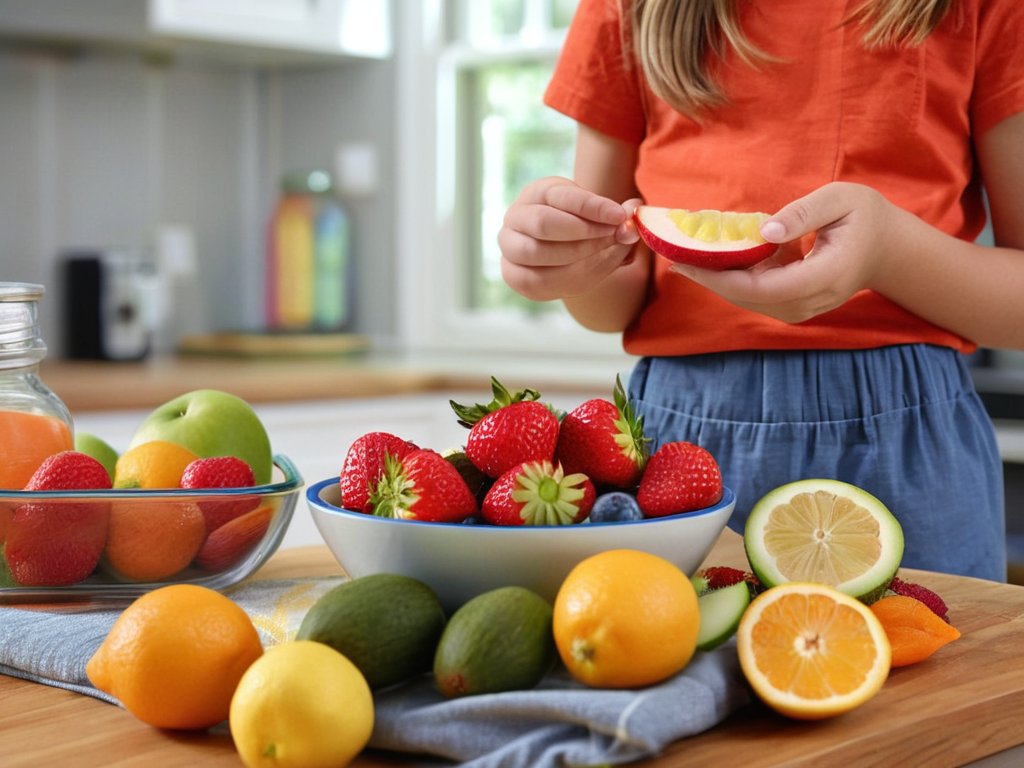
- Make colour the hero: fill plates with a rainbow of fruits and vegetables to spark curiosity and appetite.
- Turn snack time into a story: involve kids in choosing and preparing bite‑size portions of whole‑grain crackers, hummus, or nuts.
- Set a family‑first table: eat together without screens, modelling balanced choices and mindful chewing.
- Swap sugary drinks for infused water or milk, letting kids add slices of citrus or berries for a fun twist.
- Create a simple ‘food budget’ chart together, teaching portion sizes and the value of nutritious ingredients.
Key Takeaways for Nurturing Healthy Eating Habits
Involve children in the story behind each ingredient – when kids hear how a grain traveled from the fields of Punjab or the farms of Peru, they’re more likely to choose it over a processed snack.
Balance is more about variety than strict portion rules; mixing colors, textures, and cultural flavors creates meals that feel like an adventure rather than a chore.
Make planning a playful family ritual – a weekly ‘menu map’ on the kitchen table lets kids plot their favorite dishes, reducing the lure of sugary school lunches and building confidence in their own food choices.
Nourishing Futures, One Bite at a Time
When we invite children to taste the stories behind each ingredient, we plant the seeds of lifelong health and curiosity.
Alexandra Thompson
Conclusion
Looking back over the guide, three threads weave together the recipe for lasting nutrition. First, we explored how balanced meals—a colorful mix of proteins, whole grains, fruits, and vegetables—provide the macro‑and micronutrients children need to grow. Second, we demystified portion control, showing that age‑appropriate servings keep energy levels steady without overwhelming stomachs. Third, we invited families to turn the kitchen into a studio, letting kids pick ingredients, draft simple menus, and swap sugary snacks for naturally sweet alternatives. By grounding these habits in a global perspective—borrowing spice blends from Morocco, rice‑ball tricks from Japan, and communal feasting traditions from West Africa—we built a pantry of ideas that feel both familiar and adventurous.
Now imagine the dinner table as a food passport, each bite a journey that nudges children toward curiosity, empathy, and resilience. When we celebrate the stories behind a mango from India or a quinoa salad from the Andes, we teach more than nutrition—we plant the seeds of global citizenship. I have watched shy toddlers blossom into confident food explorers simply by letting them hold a spoon, name a spice, or sketch a meal plan on a napkin. Let this momentum carry beyond kitchen: share recipes with neighbours, host a potluck that swaps cultural dishes, and let next generation inherit a world where healthy choices are as exciting as places they will one day visit.
Frequently Asked Questions
How can I make nutritious meals appealing to picky eaters?
I’ve learned that turning a nutritious plate into a story‑telling canvas works wonders for the pickiest diners. Start by letting them choose one bright veggie—maybe orange carrots from Morocco or kale from Kenya—and give it a fun nickname. Pair the star ingredient with a familiar favorite, like a cheesy quinoa bake, and hide nutrients in a swirl of pureed fruit or a dash of spice. Finally, involve them in the prep; a chef feels proud enough to taste the result.
What are age‑appropriate portion sizes for different food groups?
I often picture a child’s plate as a tiny world map—each region representing a food group. For toddlers (1‑3 years), think “a thumb‑sized”: about ¼ cup of cooked veggies or fruit, ¼ cup of grains, and a few bite‑sized pieces of protein (roughly the size of a small chicken nugget). At ages 4‑6, double those portions to roughly ½ cup each, and add a tablespoon of healthy fats. By 7‑10, aim for ¾ cup of veggies, ½‑¾ cup of fruit, a full cup of grains, and 2‑3 oz of protein, with a teaspoon of oil or butter. Adjust slightly for activity level, but keeping the “hand‑size” guide helps kids see balance without counting.
How can I involve my child in grocery shopping and cooking without it becoming a chore?
One trick I’ve found works wonders is turning the trip into a mini‑adventure. I give my daughter a simple “treasure map” of the store, with colour‑coded stickers for fruits, proteins and whole‑grain heroes. At home we pick a “family recipe card” together—something with a story from a country we’ve visited or read about—so she feels like a co‑chef, not a helper. Small, purposeful tasks (washing berries, measuring spices) become playful milestones rather than chores.