I was standing over a simmering pot on a cramped rooftop in Delhi, the steam curling around a battered tin of lentils I’d snatched from the back of the bin just minutes before. In that heat, the myth that a zero‑waste kitchen means never buying anything in a plastic wrapper felt absurd—yet the truth is far simpler: it’s about the choices you make after the market closes, not a perfect, Instagram‑ready pantry. That night, I learned that the smallest compromise—re‑using a jar for spices—can turn waste into a quiet triumph.
From that rooftop epiphany I built a checklist that any busy household can follow without turning dinner into a diplomatic negotiation. In this guide I’ll walk you through three no‑hype strategies: (1) repurposing everyday containers before they ever see a recycling bin, (2) bulk‑shopping shortcuts that save both rupees and carbon, and (3) simple prep habits that keep scraps feeding the garden instead of the landfill. By the end you’ll have a real, everyday roadmap that lets you cook, host, and travel with confidence, knowing your kitchen is quietly reshaping the story of waste.
Table of Contents
- Project Overview
- Step-by-Step Instructions
- Zero Waste Kitchen Global Stories Shaping Sustainable Home Cooking
- From Farm to Fork Composting Food Scraps at Home
- Plastic Free Food Storage Ideas That Tell a Community Tale
- Key Takeaways: Weaving Zero‑Waste Into Everyday Life
- A Kitchen Without Waste, A World Without Boundaries
- From Global Tables to Local Plates: Closing the Circle in a Zero‑Waste Kitchen
- Frequently Asked Questions
Project Overview
Total Time: 4 hours
Estimated Cost: $100 – $200
Difficulty Level: Intermediate
Tools Required
- Reusable silicone storage bags ((various sizes for leftovers and bulk items))
- Stainless steel food containers ((with airtight lids for dry goods))
- Compost bin with charcoal filter ((keeps kitchen waste off the curb))
- Kitchen scale ((helps buy bulk items by weight, reducing packaging))
- Reusable produce bags ((mesh or cotton, for fruits and vegetables))
- Beeswax wrap kit ((includes cloths and beeswax for covering bowls))
- Scraper or bench knife ((for cleaning jars and containers))
Supplies & Materials
- Bulk spices and herbs (Purchase in refill stations using your own containers)
- Glass jars with lids (For storing pantry staples, sauces, and leftovers)
- Cloth napkins (Replace paper napkins)
- Compostable trash bags (For the compost bin, biodegradable and plant-based)
- Reusable dishcloths (Microfiber or bamboo cloths for cleaning dishes)
- Food‑grade silicone lids (Fit various pot and pan sizes, replace plastic wrap)
- Refillable cleaning solution bottles (Use concentrated eco‑cleaners to reduce packaging)
Step-by-Step Instructions
- 1. First, I map the kitchen’s current flow – I walk around my own modest kitchen in a rented flat in Kathmandu, noting where scraps end up, which containers sit half‑full, and which ingredients vanish unnoticed. I sketch a quick “waste map” on a scrap of newspaper, marking the sink, compost bin, and pantry. This visual audit reveals the hidden pockets of excess and sets the stage for intentional change.
- 2. Next, I introduce a “three‑bin” system that mirrors the waste‑separation practices I observed in a coastal village in Oaxaca. One bin for compostable organics, another for recyclables (glass, metal, paper), and a third for the inevitable non‑recyclables. I label each with hand‑painted stickers from my vintage globe collection, turning a functional setup into a small piece of art that reminds me to sort mindfully.
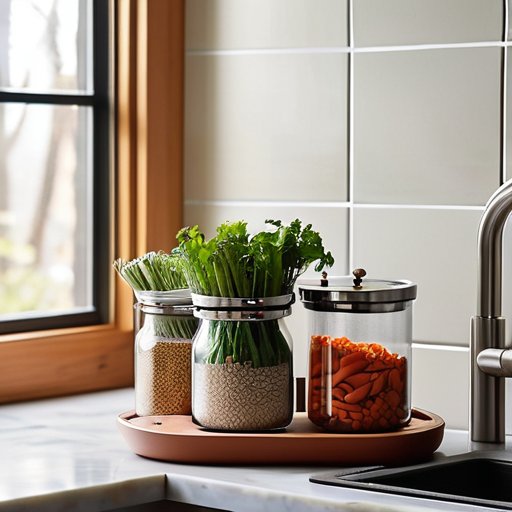
- 3. Then, I re‑think storage by swapping disposable wraps for reusable alternatives I collected on a train journey through the Swiss Alps. Beeswax cloths, silicone lids, and glass jars become my go‑to containers. I batch‑store staples like flour, lentils, and spices in airtight jars, which not only prolongs freshness but also eliminates the endless stream of cardboard.
- 4. After that, I plan my meals around “root‑to‑stem” cooking, a technique I learned while sharing a kitchen with a family in Kerala. I list each vegetable’s whole potential – stems, leaves, peels – and design recipes that honor every part. For example, carrot tops become a vibrant pesto, and broccoli stalks turn into a comforting broth, ensuring nothing is discarded without purpose.
- 5. Finally, I set a weekly “zero‑waste audit” on Sunday evenings, a habit inspired by the reflective pauses I take after a day of diplomatic negotiations. I weigh the compost bin, tally the recyclables, and note any stray waste. I record the data in a small notebook, celebrating successes and pinpointing where I slipped, then adjust the next week’s plan accordingly.
- 6. To keep the momentum alive, I create a “story board” on my kitchen wall, pinning photos, postcards, and snippets from the cultures that taught me these practices. Each time I glance at a faded image of a bustling market in Marrakech or a serene tea ceremony in Kyoto, I’m reminded that my zero‑waste kitchen is part of a larger, shared narrative of stewardship.*
Zero Waste Kitchen Global Stories Shaping Sustainable Home Cooking
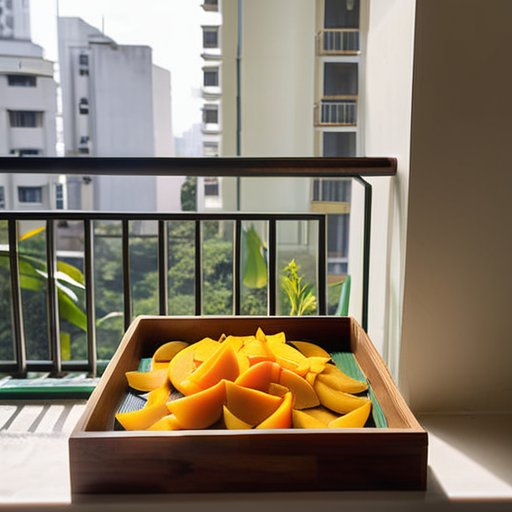
When I was staying with a family in Bangalore, their tiny balcony had become a miniature compost hub. Every citrus peel, coffee grounds, and wilted herb sprig was whisked into a woven bamboo bin, later mixed with dry leaves to keep odors at bay. Watching the matter transform into dark, fertile soil reminded me that composting food scraps at home isn’t a luxury reserved for sprawling backyards; it’s a quiet act of reciprocity with the earth, even in a high‑rise. Across the street, the kitchen shelves were lined with reusable beeswax wraps and glass jars—simple plastic‑free food storage ideas that turned leftover mango slices into a story of reuse rather than landfill.
In the coastal town of Valparaíso, I met a chef who fashioned cutting boards from reclaimed shipping pallets and turned old metal tins into herb planters, proving that upcycled kitchen utensil ideas can be both functional and beautiful. He swore by bulk buying pantry staples at the local cooperativa, reducing packaging trips and freeing up cabinet space. Meanwhile, his induction stove, a modest energy‑efficient cooking appliance, sliced cooking time in half while slashing electricity use. At the end of each day, a spray bottle of diluted white vinegar and citrus zest served as his go‑to DIY kitchen cleaning product, leaving surfaces sparkling without a single chemical whisper. These global snapshots remind us that sustainable cooking is as much about the stories we carry into our own homes as the tools we employ.
From Farm to Fork Composting Food Scraps at Home
When I was staying with a family in the terraced villages of the Philippines, I watched my host turn yesterday’s banana peels and fish bones into a dark, crumbly soil that fed the next rice seedlings. The ritual was silent, almost reverent, and it reminded me that every kitchen can become a miniature farm, a bridge between the plate we clear and the earth that eventually receives it.
Back home in London, I set up a compact bin under the sink, layering coffee grounds, citrus rinds, and spent tea bags with shredded newspaper. Within weeks the mix warmed, and the scent of turning matter became a subtle reminder that waste can be nourishment. The beauty of composting is that it doesn’t require a garden; a balcony, a windowsill, or even a shared community heap can turn today’s scraps into tomorrow’s seedlings, closing the loop we all crave.
Plastic Free Food Storage Ideas That Tell a Community Tale
I first learned that a humble oat sack can become a story‑telling vessel while staying with a family in the Basque Country. They line their pantry with linen pouches, each embroidered with the name of the village where the fabric was woven. When I swapped my plastic zip‑lock for a set of reclaimed ceramic jars, the potter who gifted them told me how the clay was sourced from a river that once powered a communal mill, and how each lid bears an imprint of the cooperative’s seal. Back home, I’ve started a “jar‑exchange” with neighbours: we rotate produce in glass, swapping recipes and the anecdotes that travel with them. The act of storing carrots in a bamboo box echoes the stalls of Chiang Mai, where vendors wrap greens in banana leaves, reminding us that every container can carry a community’s memory.
Key Takeaways: Weaving Zero‑Waste Into Everyday Life
Small, intentional swaps—like reusable containers and homemade broth—create a ripple effect that connects your kitchen to global sustainability narratives.
Composting isn’t just for farms; a simple bin on your windowsill turns peel‑backs into soil, closing the loop between your meals and the earth.
Community‑driven storage solutions—such as shared glass jars or neighborhood bulk‑buy groups—turn waste reduction into a shared story of resilience and cultural exchange.
A Kitchen Without Waste, A World Without Boundaries
A zero‑waste kitchen is less a checklist and more a dialogue—between the plate, the planet, and the countless stories we carry from one kitchen to the next.
Alexandra Thompson
From Global Tables to Local Plates: Closing the Circle in a Zero‑Waste Kitchen
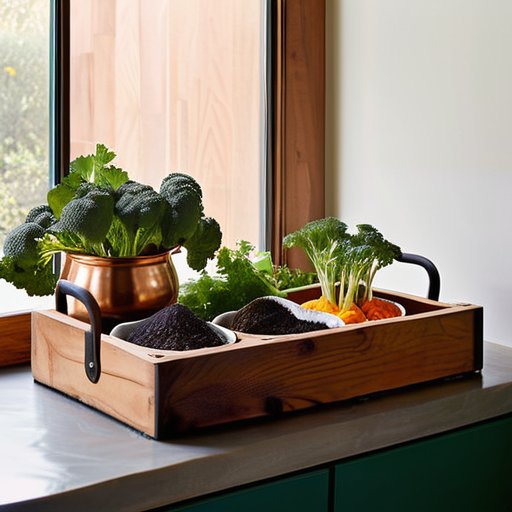
I’ve walked the spice‑laden markets of Marrakech, the bustling fish stalls of Busan, and the quiet courtyards of my grandparents’ London flat, watching how small habits ripple outwards. In this guide we unpacked the three pillars that turn a kitchen into a living laboratory: mindful sourcing that respects season and provenance, creative reuse that gives peel and pod a second act, and community‑centric storage that swaps disposable plastics for stories we share across neighbourhoods. By mapping the journey from farm to fork, embracing compost as a nutrient loop, and swapping jars for woven baskets, we’ve shown how the zero‑waste kitchen can be both practical and poetic.
Looking ahead, I imagine a world where every kitchen window frames a mosaic of cultures, each dish a dialogue, each scrap a seed of conversation. When we let the aroma of a simmering lentil stew mingle with the earthy scent of compost, we are reminded that sustainability is not a checklist but a shared narrative we write together. So I invite you—whether you’re a city‑dweller unpacking a suitcase in a hostel kitchen or a farmer’s child tending a backyard garden—to let your own zero‑waste story become a thread in the larger tapestry of global care. Let the globe on my shelf spin, and let your kitchen spin even greener.
Frequently Asked Questions
How can I start composting in a small apartment without a backyard?
Imagine turning kitchen scraps into an ecosystem, even without a balcony. I use a lidded bin—ceramic or stainless steel—and line it with a bag. Add shredded newspaper, then layer fruit peels, coffee grounds, and veggie trimmings, topping with dry material to curb odor. A charcoal filter or a drop of oil keeps the scent fresh. Stir gently every few days; within weeks you’ll have rich compost for a windowsill herb garden or to share with a community plot.
What are affordable alternatives to single‑use plastic for food storage?
Whenever I’m packing leftovers in a bustling market stall in Marrakech or whisking a picnic lunch on a remote Scottish island, I reach for the same heroes: glass jars with airtight lids, reusable silicone bags, beeswax‑coated wraps, and stainless‑steel containers. All of them are budget‑friendly—often cheaper than a pack of disposable zip‑locks after a few uses. A simple mason‑jar can store everything from salads to sauces, while a roll of beeswax cloth turns any parchment into a reusable wrapper.
How do I balance zero‑waste practices with occasional grocery shopping trips for bulk items?
Balancing zero‑waste habits with the reality of bulk shopping feels like a dance between intention and practicality. I start by mapping the items I need—spices, grains, beans—then choose a reusable tote or stainless‑steel basket for the store’s bulk bins. I keep a small, labeled jar at home for each staple, so I only refill what’s empty, avoiding over‑buying. When a trip is unavoidable, I bring containers, a reusable produce bag, and a checklist to stay focused.