I was halfway up a dock in the Philippines when a carpenter shouted, “Stop looking at that old pallet and start dreaming!” In that instant I realized the biggest myth about upcycling pallet furniture ideas is that they belong only in hip‑city lofts. The truth? A pallet can become a family table, a sunrise‑lit bookshelf in a mountain hut, or even a meditation platform on a desert caravan route. My first‑hand experiment—turning a salvaged pallet into a sturdy coffee table for my Marrakech hostel—taught me that the magic lies not in the wood but in the story you choose to tell.
In this guide I’ll walk you through the steps I wish someone had shown me: picking a pallet, prepping it without endless sanding, choosing finishes that survive monsoon and desert heat, and adding cultural touches—like hand‑carved brackets from a Bali workshop or reclaimed rope from a Nepalese tea house. You’ll get a checklist, safety shortcuts, and three projects you can finish in a weekend, no diplomatic paperwork required. By the end, you’ll feel confident turning discarded pallet into a conversation starter at your party or rooftop gathering.
Table of Contents
- Step-by-Step Instructions
- Global Tales Upcycling Pallet Furniture Ideas That Unite Communities
- From Sawdust to Social Hub Diy Pallet Coffee Table Tutorial
- Safe Sustainable Pallet Furniture Safety Tips for Global Crafters
- Five Fresh Tips to Turn Pallets into Global Gatherings
- Key Takeaways
- A Pallet’s Second Chance
- Wrapping It All Up
- Frequently Asked Questions
Guide Overview
Tools & Supplies
- Circular saw – for cutting pallet boards to size
- Power drill with drill‑bits – to pre‑drill holes and drive screws
- Orbital sander (or sandpaper) – to smooth rough edges
- Standard 48‑inch pallet – 1 (for a coffee table)
- 1‑inch wood screws – 1 lb box
- Wood stain or paint – 1 quart
- Clear polyurethane sealant – 8 oz
- Caster wheels (optional) – set of 4 (for a rolling pallet sofa)
Step-by-Step Instructions
- 1. First, hunt for the right pallet – I start by scouting local warehouses, flea markets, or even the side of the road where a weather‑worn pallet has been left to rest. Make sure it’s heat‑treated (look for the “HT” stamp) rather than chemically treated, and give it a quick visual inspection for broken slats or lingering nails. If you’re lucky, you might even strike up a conversation with the supplier about the pallet’s journey, turning a simple material hunt into a mini cultural exchange.
- 2. Next, disassemble and prep the wood – Using a pry bar and a hammer, gently separate the slats, keeping an eye out for hidden screws. Once you have a clean pile, sand each piece with medium‑grit paper to smooth rough edges, then finish with fine‑grit for that buttery feel. I always wear a dust mask—safety first, especially when the wood has traveled far and wide!
- 3. Then, sketch out your design and cut to size – Grab a sketchpad (or a digital app if you’re on the go) and map out the dimensions of your future piece—be it a coffee table, a bench, or a shelf. Measure twice, cut once: use a circular saw or a handsaw to trim the slats to your exact specifications, and don’t forget to label each cut for a smoother assembly later on.
- 4. After that, assemble the frame – Arrange the cut slats in your desired layout, then join them with wood screws or sturdy brackets, pre‑drilling holes to prevent splitting. For added stability, I like to incorporate a cross‑brace in the middle, which not only reinforces the structure but also adds a subtle visual interest that speaks to the pallet’s original purpose.
- 5. Now, add your personal finishing touches – Choose a finish that reflects your style: a bold, matte chalk paint for a rustic vibe, a sleek lacquer for a modern look, or even a hand‑stained hue that highlights the wood’s natural grain. If you’re feeling adventurous, attach a set of cushions or a woven seat pad to transform the raw pallet into a cozy spot for friends to gather.
- 6. Finally, place your masterpiece and share its story – Position your newly upcycled furniture in a meaningful spot—perhaps on a balcony overlooking a bustling market or beside a window that catches the golden hour. Take a photo, write a short caption about the pallet’s origins, and share it on social media to inspire others to see discarded wood as a canvas for connection.
Global Tales Upcycling Pallet Furniture Ideas That Unite Communities
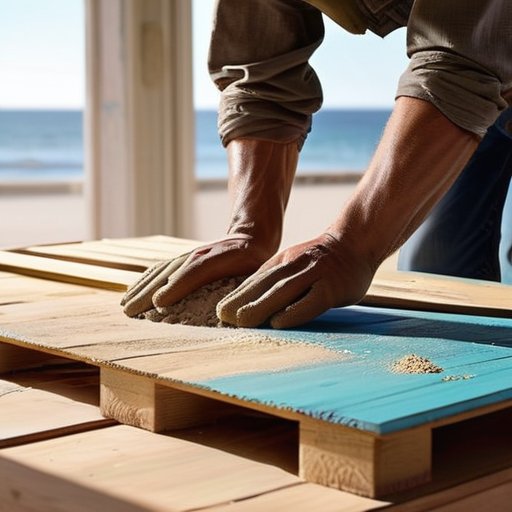
Whenever I land in a small coastal town, I’m drawn to the makeshift studios where locals gather around a stack of weather‑worn pallets. One afternoon in Oaxaca, I helped a group of artisans turn those crates into a sleek coffee table, following a simple DIY pallet coffee table tutorial anyone can print. The trick isn’t just the design—it’s the ritual of sanding: learning how to sand pallet wood for furniture properly prevents splinters and reveals the grain that gives each piece its story. I remind participants to wear a dust mask and work in a well‑ventilated space, because pallet furniture safety tips are unsung heroes of a project.
In a remote Nepali village, those same pallets became the backbone of a budget‑friendly pallet garden bench that now hosts morning tea circles for the whole community. Adding a few reclaimed crates as side shelves gave us creative pallet storage solutions that double as herb planters—an eco‑friendly pallet furniture design that feeds both bodies and friendships. Before you start, ensure the wood is nail‑free and apply a non‑toxic sealant; a quick safety check turns a bench into a lasting gathering spot.
From Sawdust to Social Hub Diy Pallet Coffee Table Tutorial
During a recent stint in Nairobi’s creative hub, a weathered pallet from a local market caught my eye. I saw the potential for a coffee table that could double as a meeting surface for my fellow freelancers. I stripped the old paint, sanded the boards smooth, and applied a thin coat of low‑VOC varnish that let the wood’s natural grain breathe. With reclaimed metal brackets for sturdy legs and two repurposed caster wheels from a nearby bike shop, the table became both mobile and stylish.
The finished piece quickly turned into our daily social hub. Over steaming cups of chai, colleagues from Kenya, Spain, and Brazil gathered around it to exchange ideas, sketches, and laughter. Even the sawdust we collected while sanding was later spread as mulch in a community garden, closing the loop between craftsmanship and sustainability.
Safe Sustainable Pallet Furniture Safety Tips for Global Crafters
When I sanded a weather‑worn pallet on a Marrakech rooftop, the cedar scent reminded me that each board carries a hidden story—and hidden risks. Before the first nail, I always check for heat‑treated stamps, which can signal chemicals like methyl bromide. A quick tap with a screwdriver reveals concealed nails or splinters; safety glasses and sturdy gloves become non‑negotiable companions. In coastal towns, reclaimed pallets often absorb salt, so a thorough wash and a coat of marine‑grade sealant protect both the wood and future users.
Crucial is the finish. I favor water‑based, low‑VOC stains that keep indoor air safe—a concern in Bangkok apartments where ventilation is limited. Collect sanding dust in a reusable bag; it can become a filler for plaster or seed starter for gardens. Secure the piece to a wall or floor in earthquake‑prone regions like Chile to prevent tipping.
Five Fresh Tips to Turn Pallets into Global Gatherings
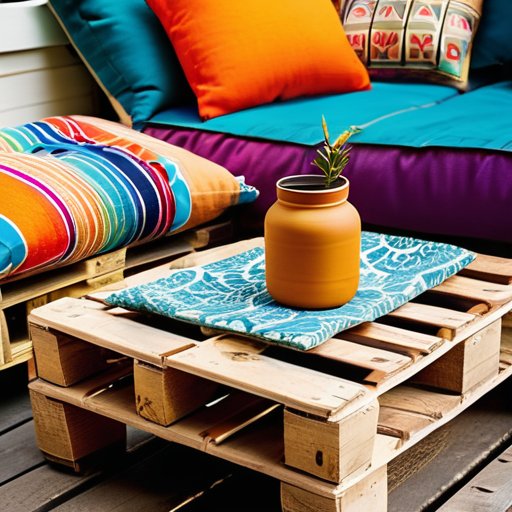
- Choose reclaimed wood with a story—each knot and grain whispers a different culture.
- Sand, sand, and…sand—use a dual‑grit approach for a smooth finish that feels like a passport stamp.
- Embrace modular design; a detachable side panel lets you re‑configure a coffee table into a bench for communal tea.
- Protect your creation with low‑VOC, water‑based sealants—good for the planet and the people sharing the space.
- Add a touch of local art—paint a map, stitch a fabric runner, or attach a handmade coaster set to spark conversation.
Key Takeaways
Upcycled pallet furniture can transform waste into functional art while fostering community collaboration.
Prioritizing safety—proper sanding, secure fastenings, and non‑toxic finishes—ensures lasting, family‑friendly pieces.
Sharing your DIY journey online or in local workshops amplifies the environmental impact and inspires others worldwide.
A Pallet’s Second Chance
“Every reclaimed board whispers a tale of transformation—turning humble timber into a gathering place, we discover that upcycling isn’t just about furniture, it’s about re‑imagining community, one pallet at a time.”
Alexandra Thompson
Wrapping It All Up
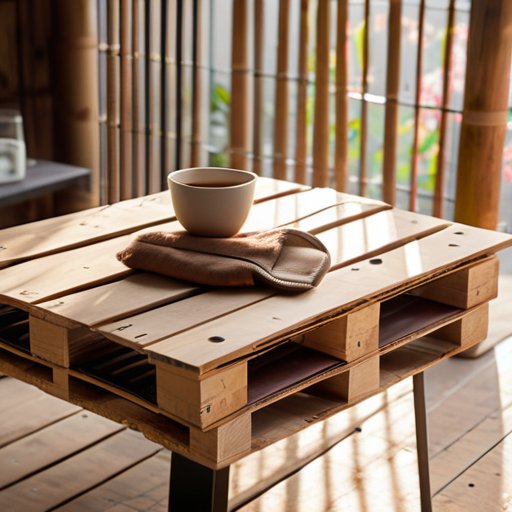
Looking back on the journey from raw pallet to polished centerpiece, we’ve walked through every essential stage: selecting a sturdy board, sanding away the past, treating the wood with eco‑friendly finishes, and assembling a piece that tells its own story. Along the way we highlighted safety habits—gloves, eye protection, and proper ventilation—that keep the workshop a sanctuary for creativity. We also explored how a single coffee table can become a social hub in a neighborhood, sparking conversations that echo across borders. From the bustling streets of Nairobi to the quiet verandas of Kyoto, reclaimed wood has echoed local traditions while cutting waste. In short, upcycled pallet furniture offers a hands‑on lesson in reuse, design, and community building.
Now, as I close my notebook beside a reclaimed coffee table that once lived on a shipping dock, I’m reminded that every scrap carries a passport to possibility. Whether you’re in a cramped city flat or a sun‑kissed village hut, the act of reshaping a pallet is an invitation to dialogue—between past and future, between strangers and neighbors. I challenge fellow makers to document their own transformations, post photos, and tag the stories that bloom from sawdust. Let’s turn workshops into crossroads, where scent of varnish mingles with laughter of a shared meal. When we choose to upcycle, we choose to connect, a piece of wood at a time.
Frequently Asked Questions
Where can I find affordable, clean pallets locally, and how do I verify they’re safe for indoor furniture projects?
If you’re hunting for affordable, clean pallets, start at your local big‑box home‑improvement store or a nearby warehouse—many keep surplus pallets they’ll gladly give away for free or a modest fee. Check community boards, Craigslist, or Facebook Marketplace; a moving company or local retailer often posts “pallets available.” Once you have a stack, inspect each board for splinters, loose nails, and the HT (heat‑treated) stamp; avoid any with chemical‑treatment markings. Sand, wash, and seal before bringing it indoors.
What are the essential tools and beginner‑friendly techniques I need to start upcycling a pallet into a sturdy coffee table?
First, gather a few basics: a sturdy screwdriver or drill, a hand‑saw or circular saw for trimming, sandpaper (80‑220 grit), a set of wood screws, a drill bit, a measuring tape, a carpenter’s square, safety glasses, gloves, and some wood filler. I start by carefully dismantling the pallet, discarding any broken slats, then sand each piece, reinforce the frame with corner brackets, attach a smooth top, and finish with a clear sealant. Simple, safe, and satisfying.
How can I customize my pallet furniture with sustainable finishes that protect the wood while keeping the look environmentally friendly?
First, sand the pallet smooth and wipe away dust. I love a blend of raw linseed oil and citrus‑based tung oil; it penetrates the grain, seals moisture, and leaves a warm amber hue without harsh VOCs. For a glossy finish, choose a water‑based polyurethane made from plant‑derived resins—a thin coat, sand lightly between layers, and you’ve got a durable, low‑odor shield. Finish with a beeswax rub for a natural sheen that feels as responsible as it looks.