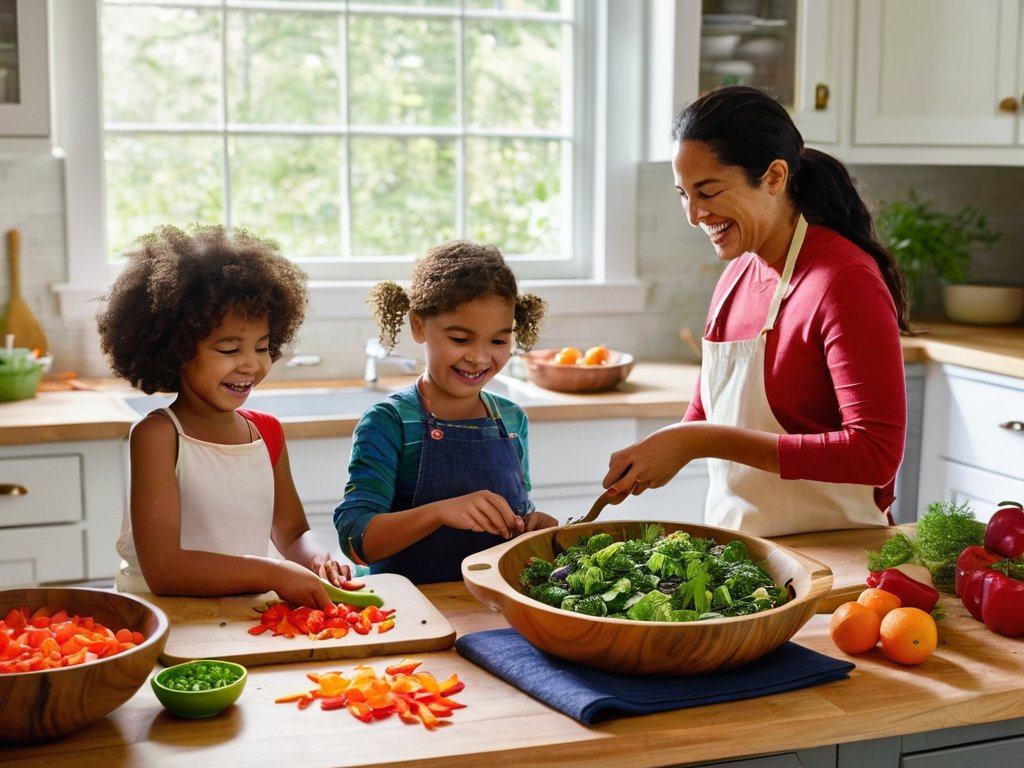
The saucepan is bubbling on the stove, and my eight‑year‑old Arjun is sprinkling cumin over the simmering lentils while I chase a runaway mango slice across the kitchen floor. In that chaotic moment I realized the myth “cooking with kids is just a recipe for disaster” is as misleading as a desert oasis forecast. The truth? The mess we dread is the conduit for curiosity, language, and cultural exchange that once sent me from a London tea room to a Delhi spice market. Cooking with kids can become a passport to stories we never imagined sharing.
Below, I break that myth wide open with a step‑by‑step guide that skips the fluff and gets straight to the heart of hands‑on learning. You’ll find how to pick age‑appropriate tasks, turn a simple grocery trip into a geography lesson, and keep the kitchen safe without stifling imagination. I also share three tried‑and‑tested recipes—from a Moroccan tagine that doubles as a storytelling canvas to a quick‑fix mango‑lime salsa that lets kids taste the world in minutes. By the end, you’ll have a toolbox that turns every family meal into a miniature diplomatic mission.
Table of Contents
- Project Overview
- Step-by-Step Instructions
- Cooking With Kids a Global Journey Through Flavorful Play
- Kid Friendly Kitchen Safety Tips for Curious Little Chefs
- Seasonal Recipes for Children That Teach Nutrition Through Fun
- Key Takeaways
- Stirring Futures Together
- Wrapping Up: The Joy of Cooking with Kids
- Frequently Asked Questions
Project Overview
Total Time: 1 hour 30 minutes
Estimated Cost: $20 – $40
Difficulty Level: Easy
Tools Required
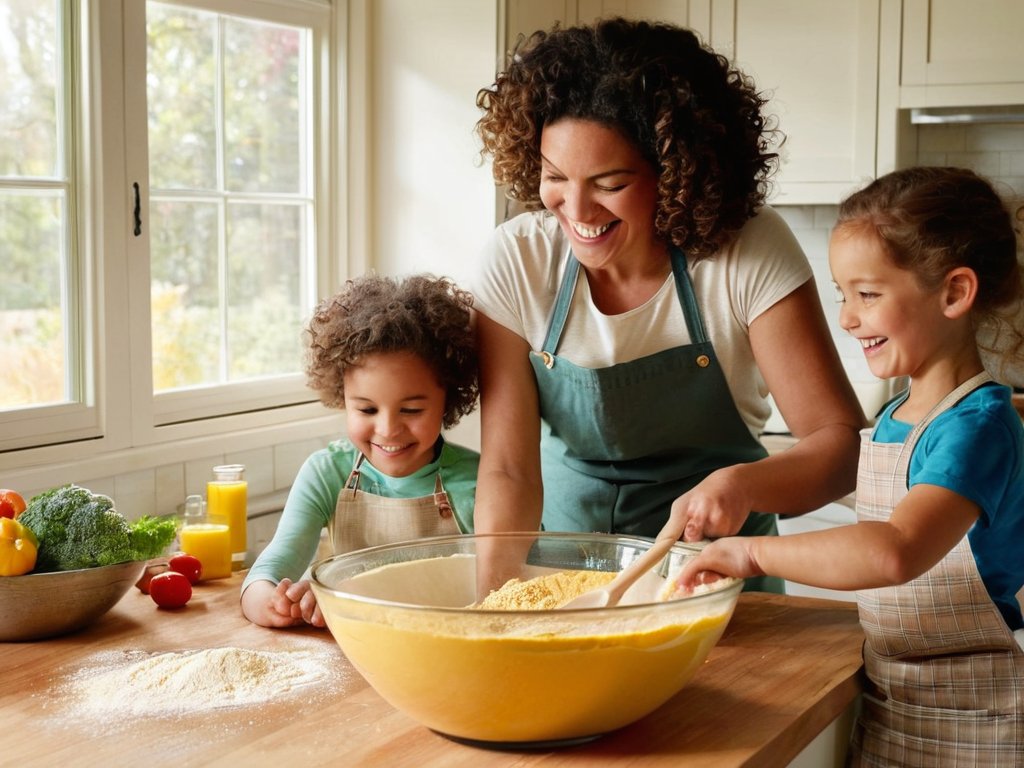
- Kid‑size mixing bowls ((plastic, easy to grip))
- Measuring cups and spoons ((color‑coded for kids))
- Silicone spatula ((heat‑resistant and flexible))
- Cookie cutters ((various fun shapes))
- Oven mitts ((child‑size, heat‑proof))
Supplies & Materials
- All‑purpose flour
- Granulated sugar
- Eggs
- Butter or margarine (softened)
- Chocolate chips (or other mix‑ins)
- Fresh fruit (sliced for toppings)
- Cleaning wipes (for quick clean‑up)
Step-by-Step Instructions
- 1. Gather the story ingredients first – I start by pulling together a few pantry staples that double as conversation starters: cumin from a market in Marrakech, dried mango from a family farm in Kerala, and a simple base like rice or pasta. While the kids help count the beans or measure the spices, I slip in a tiny anecdote about where each ingredient traveled, turning the prep into a mini‑world tour.
- 2. Set the stage with safety and curiosity – Before the heat hits the stove, I lay out kid‑friendly tools – plastic knives, small sieves, and colorful mixing bowls. I walk them through the “hot zone” rules, using a playful rhyme: “Hands stay low, eyes stay bright, the pot’s a dragon, but we’ll tame its fire tonight.” This ritual gives them confidence and a sense of responsibility.
- 3. Invite them to be flavor detectives – As we add spices, I let each child sniff and describe the aroma, prompting questions like, “What memory does this scent summon for you?” We then match the scent to a place on my vintage globe collection, linking the sensory experience to a geography lesson. The kids sprinkle the spices into the pan, watching the colors swirl and learning that a pinch can change an entire dish’s story.
- 4. Turn mixing into a cultural rhythm – While stirring, I play a short piece of music from the region we’re exploring – perhaps a tabla beat from India or a West African drum loop. I encourage the children to match their stirring tempo to the rhythm, turning a simple chore into a kinetic conversation about how food and music travel together across borders.
- 5. Taste test with a global lens – Once the dish simmers, we each take a tiny spoonful and describe the flavors using a “passport” worksheet I’ve designed: sweet, sour, salty, bitter, umami. I ask them to imagine which country might claim that taste as its own, sparking a dialogue about culinary identity and how borders blur on the palate.
- 6. Reflect and share the story – After the meal, we gather around the table with a blank world map and place a small flag where our dish’s ingredients originated. I prompt the kids to narrate the journey of the meal in one sentence, then we jot down their words in a shared journal. This final step cements the experience, turning a simple kitchen activity into a lasting memory of global connection.
Cooking With Kids a Global Journey Through Flavorful Play
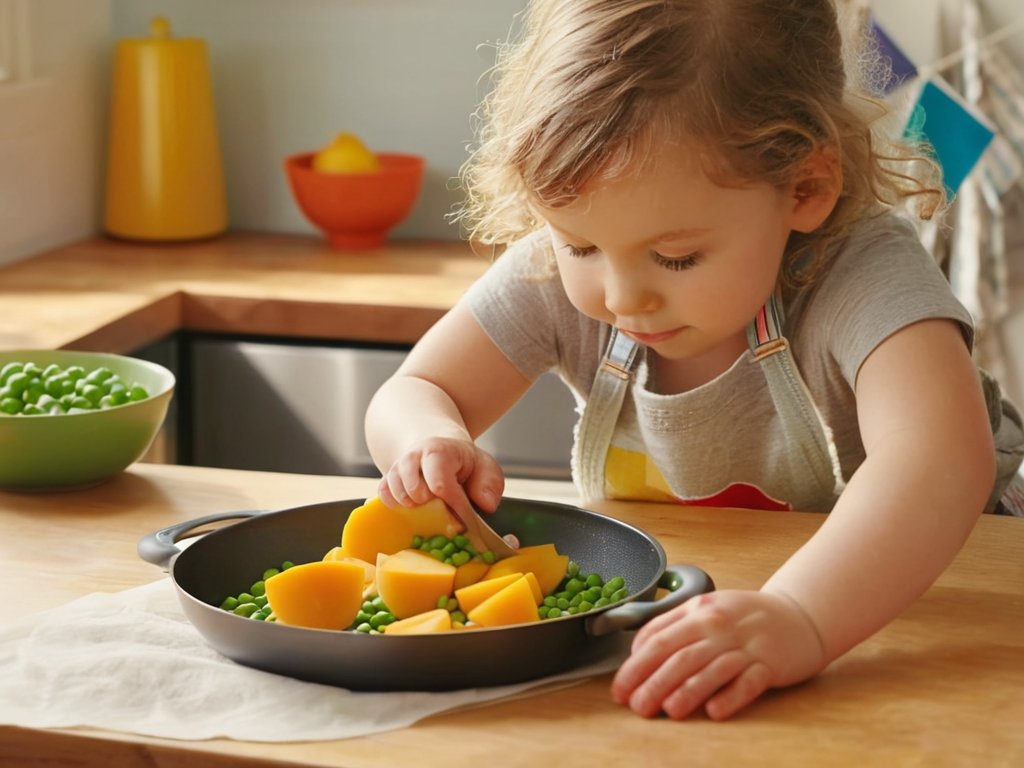
I’ve found that turning a simple stir‑fry into a miniature diplomatic mission can change the way a child sees the world. Before we even reach for the wok, I pause to run through a few kid‑friendly kitchen safety tips—like keeping the pan handle turned away from the edge and assigning the little helper a ‘dry‑hands’ station. Once the basics are set, we label spices with tiny flags, let my son trace a mango on parchment, and count peas like tiny ambassadors. Those interactive cooking activities become a language lesson without a textbook.
On tighter budgets, I lean on budget‑friendly family meals that still feel like a passport stamp. A winter‑time lentil soup, for example, doubles as a seasonal recipe for children and a lesson in protein power; we sprinkle in carrots shaped like tiny rockets to spark curiosity. When the pantry is stocked with colorful veggies, I invite my daughter to assemble her own mini‑tacos, turning nutrition education through cooking into a game of colour‑matching. The result is an easy meal for toddlers that tastes good, teaches balance, and leaves the whole family smiling.
Kid Friendly Kitchen Safety Tips for Curious Little Chefs
Every time I set up a kitchen on a terrace in Rajasthan or a cramped flat in London, the first thing I remind my little assistants is that curiosity is a privilege, not a license. Keep knives tucked behind a cutting board, offer plastic or silicone alternatives, and assign them the role of ‘safety scout’—a badge they wear while they hand‑me peeled carrots or stir the sauce. Small bowls that won’t tip, non‑slip mats on the counter, and a low‑height step‑stool turn a bustling workspace into a playground where the bruises are from laughter.
Heat, however, demands reverence. I teach my nephews to respect the stove by covering pot handles with bright silicone sleeves and only turning the knob after I say ‘ready.’ A ‘stop‑and‑listen’ chant—borrowed from a Japanese tea‑ceremony lesson—reminds them to pause before touching steam, turning danger into a mindful pause.
Seasonal Recipes for Children That Teach Nutrition Through Fun
When the first buds of spring unfurl, I invite my little explorers to coax bright green asparagus into a homemade whole‑wheat pizza, sprinkling it with a drizzle of lemon‑yogurt “paint” that doubles as calcium‑rich fun. The tactile act of arranging the spears teaches them that colour often signals nutrients: green means iron and fibre, while the golden crust whispers about complex carbs. Summer then rolls in with a layered berry parfait—local strawberries, blueberries, and a dollop of kefir—each spoonful a mini‑lesson in antioxidants, presented as a “rainbow tower” that they can stack and then devour. By tying the season’s bounty to simple, hands‑on stories, the recipes become more than meals; they turn the kitchen into a living classroom where nutrition is discovered, celebrated, and, most importantly, tasted.
Key Takeaways
Cooking together turns the kitchen into a cultural classroom—each recipe is a passport to a new story, and the act of sharing food builds empathy across borders.
Safety isn’t a checklist; it’s a dialogue. When kids understand why a hot pan is risky, they learn to respect tools and themselves, turning caution into confidence.
Seasonal, hands‑on recipes embed nutrition in memory. By letting children taste, measure, and create with fresh, locally‑available ingredients, we plant the seeds of lifelong healthy habits and a curiosity for the world’s diverse produce.
Stirring Futures Together
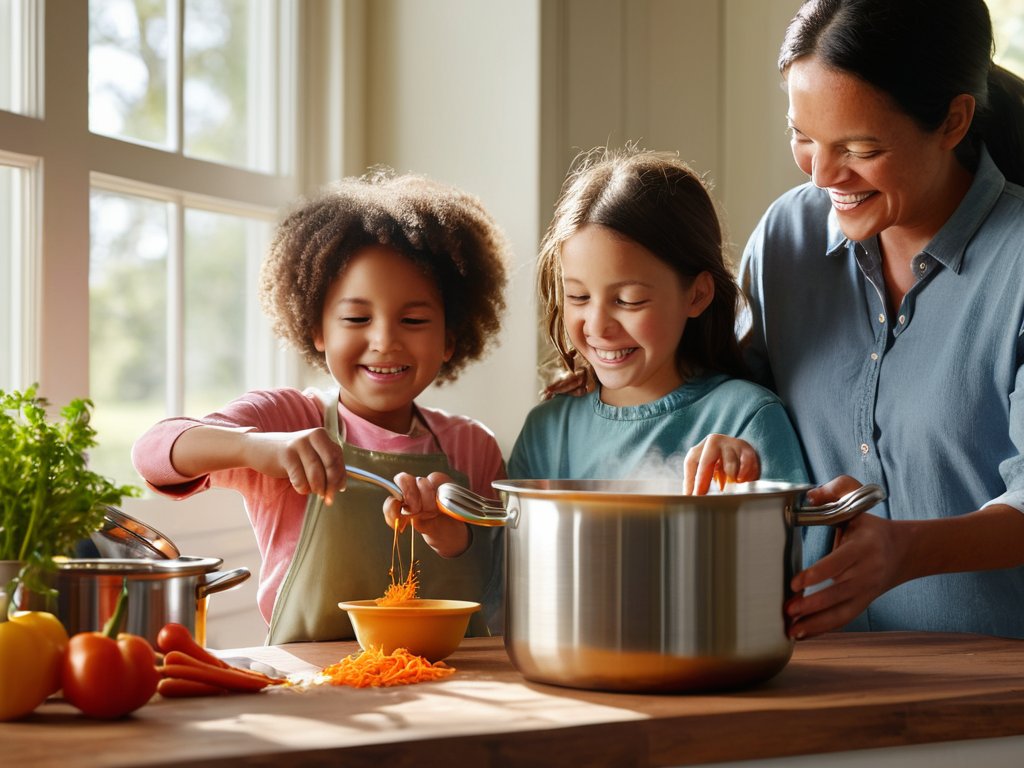
When children whisk, chop, and taste, they’re not just learning recipes—they’re tasting the world, learning empathy, and cooking up the bridges that will connect cultures tomorrow.
Alexandra Thompson
Wrapping Up: The Joy of Cooking with Kids
Throughout this guide we have unpacked why cooking with kids is more than a weekend pastime—it is a doorway to curiosity, confidence, and cultural connection. We began with a clear, step‑by‑step framework that lets little hands measure, stir, and see results in time, keeping the experience fun and manageable. From there, the global flavor journey invited families to sample spices from Morocco, sushi rolls from Japan, and tamales from Mexico, proving a single skillet can span continents. Safety reminders—like keeping knives out of reach and teaching the “stop, think, act” rule—kept junior chefs protected, while the seasonal recipes section turned calendar into a menu, embedding nutrition lessons in rhythm of harvests.
When the oven timer dings, the lesson isn’t finished; it’s only the opening of a lifelong conversation. I invite you to treat the kitchen as a classroom where stories simmer alongside sauces, and each shared bite becomes a passport to another world. Let the aromas of cumin, ginger, or fresh basil remind your children that borders are porous and curiosity can dissolve them. Keep the vintage globes on the shelf, but let the flavors you create spin them anew, stitching together memories that will outlast any recipe book. In the end, a simple act of cooking together can plant the seeds of empathy, turning ordinary evenings into the first chapters of a global narrative.
Frequently Asked Questions
How can I adapt complex recipes for a 5‑year‑old’s motor skills?
First, I break the recipe into bite‑size tasks that match a five‑year‑old’s hand‑eye coordination. I let them sprinkle dried herbs with a tiny spoon, mash soft avocado with a silicone spatula, or press pre‑measured dough balls onto a tray—each motion is a mini‑success. I swap heavy knives for child‑safe cutters and use color‑coded measuring cups so they can see the numbers. The key is rhythm: a short demo, a guided try, then a proud finish.
What are the best ways to involve kids in grocery shopping and ingredient selection?
On my trip to a market in Oaxaca, I invited my niece to pick the chilies for our salsa. Let her hold a simple list, then turn each item into a mini‑quest: spot the brightest apple, compare the weight of two carrots, or ask the vendor a story. Encourage her to read labels, note colors, and suggest a dish she’d love to create. When she’s part of the selection, the kitchen becomes a shared adventure.
How do I keep the kitchen safe while still letting children explore cooking?
I keep the kitchen a playground of possibility by turning safety into a shared “mission.” First, I set up a “chef’s zone” at child‑height—step‑stools, low‑shelf utensils, and a splash‑proof mat—so they’re never reaching over hot burners. I pair every tool with a quick “what‑if” question (e.g., “What happens if the pot boils over?”) and model the answer. A timer becomes a game: whoever beats the countdown gets a taste‑test. Finally, I keep a stocked “first‑aid kit” within arm’s reach, reminding us both that curiosity is welcome, but caution is the secret ingredient.


