
I still remember the first time I tried to make a carbonara recipe from scratch – it was a disaster. The cream was too rich, the noodles were overcooked, and the whole thing just felt like a soggy mess. But what really got my goat was that every recipe I found online seemed to be peddling the same old myths: that you need to add a ton of cream, or that it’s okay to use bacon bits instead of real, crispy pancetta. Let me tell you, those are lies. A good carbonara recipe is all about simplicity and restraint, not about piling on a bunch of extraneous ingredients.
So, what makes a truly great carbonara recipe? For me, it’s all about balance and technique. It’s about using high-quality ingredients, like farm-fresh eggs and guanciale, and combining them in a way that’s both rich and restrained. In this article, I’ll share my own personal approach to making carbonara, one that’s been honed through years of trial and error. I’ll give you the lowdown on the essential ingredients, the key cooking techniques, and the simple, straightforward instructions you need to make a truly unforgettable carbonara recipe. No fuss, no muss – just a delicious, authentic Italian dish that’s sure to become a staple in your kitchen.
Table of Contents
Recipe Details
Ingredients
- 12 oz spaghetti
- 4 oz pancetta or bacon diced
- 3 large eggs
- 1 cup grated Parmesan cheese freshly grated
- Salt and black pepper to taste
- Fresh parsley chopped (optional)
Tools & Supplies
- Large pot
- Colander
- Large skillet
- Whisk
- Measuring cups and spoons
Recipe Instructions
Step 1
First, let’s get our ingredients in order, because a killer carbonara starts with the freshest eggs, guanciale or pancetta, and parmesan cheese you can find. Make sure you have spaghetti, black pepper, and salt on hand as well.
Step 2
Next, bring a large pot of salted water to a boil and cook your spaghetti according to the package instructions until it’s al dente. You want it to still have a bit of bite, because that’s what makes carbonara so satisfying. Reserve 1 cup of pasta water before draining the spaghetti, as you’ll need it later to achieve the perfect consistency.
Step 3
While your pasta is cooking, cook your guanciale or pancetta in a large skillet over medium heat until it’s crispy. This is where most of your flavor comes from, so don’t rush it. Once it’s done, remove it from the heat and let it cool slightly.
Step 4
In a medium bowl, whisk together your eggs, parmesan cheese, and a pinch of salt and pepper. This is the sauce that will bind your carbonara together, so make sure it’s smooth and well combined. You can also add a bit of the reserved pasta water to the eggs if you want a creamier sauce.
Step 5
Now it’s time to assemble your carbonara. Add the cooked spaghetti to the bowl with the egg mixture and toss everything together until the pasta is well coated. If the mixture seems too thick, add a bit of the reserved pasta water. Then, add the crispy guanciale or pancetta and toss everything together once more.
Step 6
Finally, season with black pepper to taste and serve immediately. The key to a great carbonara is serving it right away, while the eggs are still creamy and the guanciale is still crispy. So, grab a fork and dig in, because you’ve just made yourself a killer carbonara that’s sure to become a favorite.
Carbonara Recipe Secrets
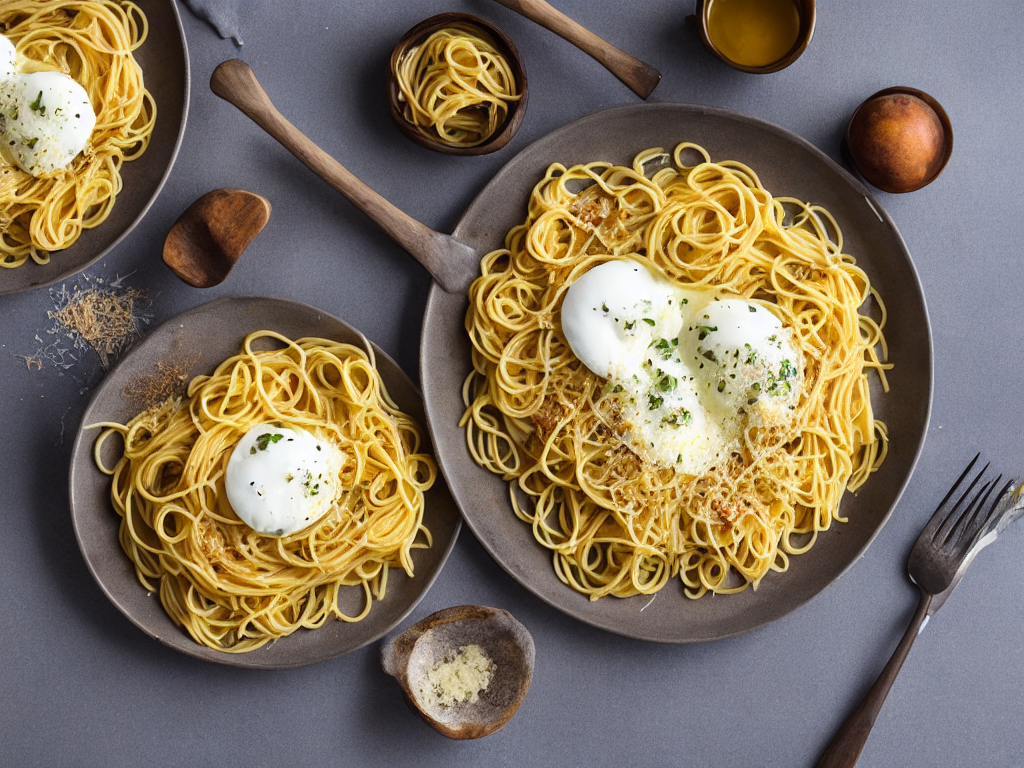
To take your spaghetti carbonara with bacon to the next level, it’s essential to understand the importance of using high-quality ingredients. Authentic italian carbonara techniques rely on the perfect balance of flavors, which can be achieved by using guanciale or pancetta instead of regular bacon. When it comes to the eggs and parmesan cheese ratio, it’s crucial to get it just right, as this will determine the creaminess of your dish.
One of the secrets to a great carbonara is making the carbonara sauce from scratch. This involves whisking together eggs, parmesan cheese, and a pinch of black pepper to create a smooth and creamy sauce. When cooking for easy carbonara for beginners, it’s best to start with a simple recipe and gradually experiment with different ingredients and techniques.
By using guanciale vs pancetta in carbonara, you can add a unique flavor profile to your dish. Guanciale, an Italian cured meat, provides a more delicate flavor, while pancetta offers a bolder taste. Authentic italian carbonara techniques often involve using one or both of these ingredients to create a rich and savory flavor.
Authentic Italian Techniques Revealed
To achieve an authentic Italian carbonara, it’s all about technique. You want to cook your spaghetti al dente, so it still has a bit of bite to it. Then, it’s time to whip up your egg mixture – and yes, it’s got to be fresh eggs and parmesan, none of that pre-shredded stuff. The key is to temper your eggs just right, so they’re smooth and creamy, not scrambled.
By combining these elements with your perfectly cooked bacon, you’ll be creating a dish that’s pure Italian bliss. The goal is to have each component shine, from the rich eggs to the smoky bacon, all tied together with a beautiful, velvety sauce.
Spaghetti Carbonara With Bacon Perfection
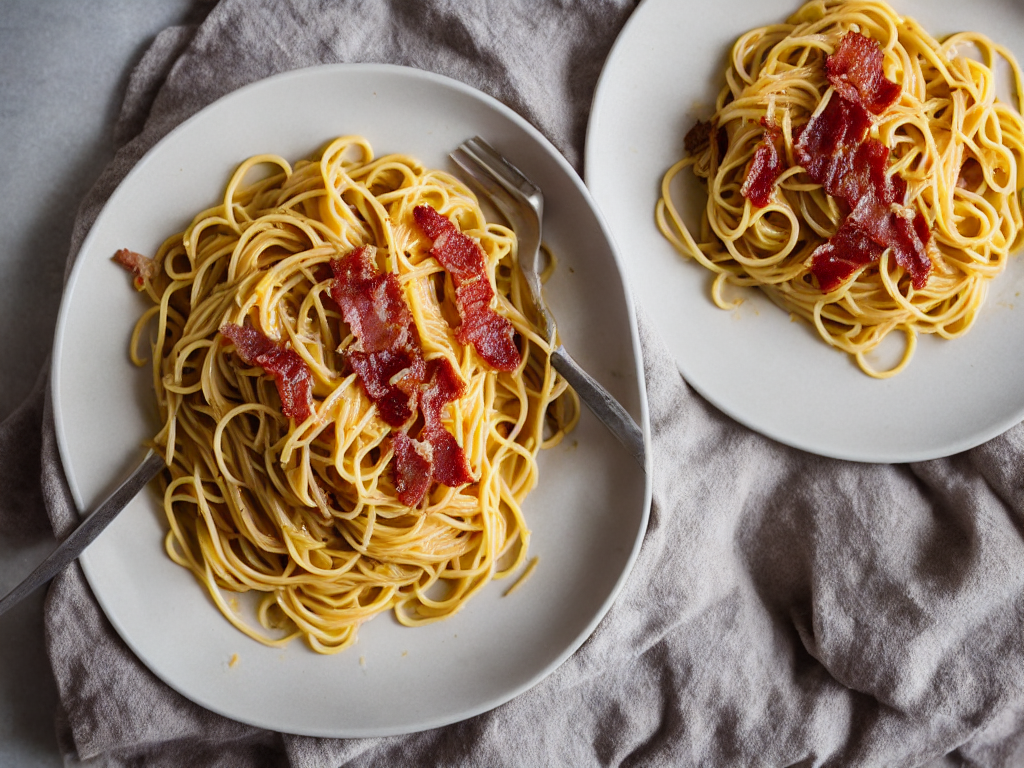
To achieve bacon perfection in your spaghetti carbonara, it’s all about the balance of crispy and chewy. You want to cook the bacon until it’s just golden, still retaining some of that delightful texture. Overcooking can make it bitter, which throws off the whole dish. A good trick is to cook the bacon in a skillet over medium heat, stirring frequently, until you reach that perfect golden brown. Then, set it aside on a paper towel-lined plate to drain excess fat, leaving you with a beautifully cooked, crispy bacon that’s ready to elevate your carbonara.
This step is crucial because the smoky, savory flavor of the bacon is what complements the richness of the eggs and parmesan. By getting the bacon just right, you create a harmony of flavors that makes each bite of spaghetti carbonara a delight.
Mastering the Art of Carbonara: 5 Essential Tips
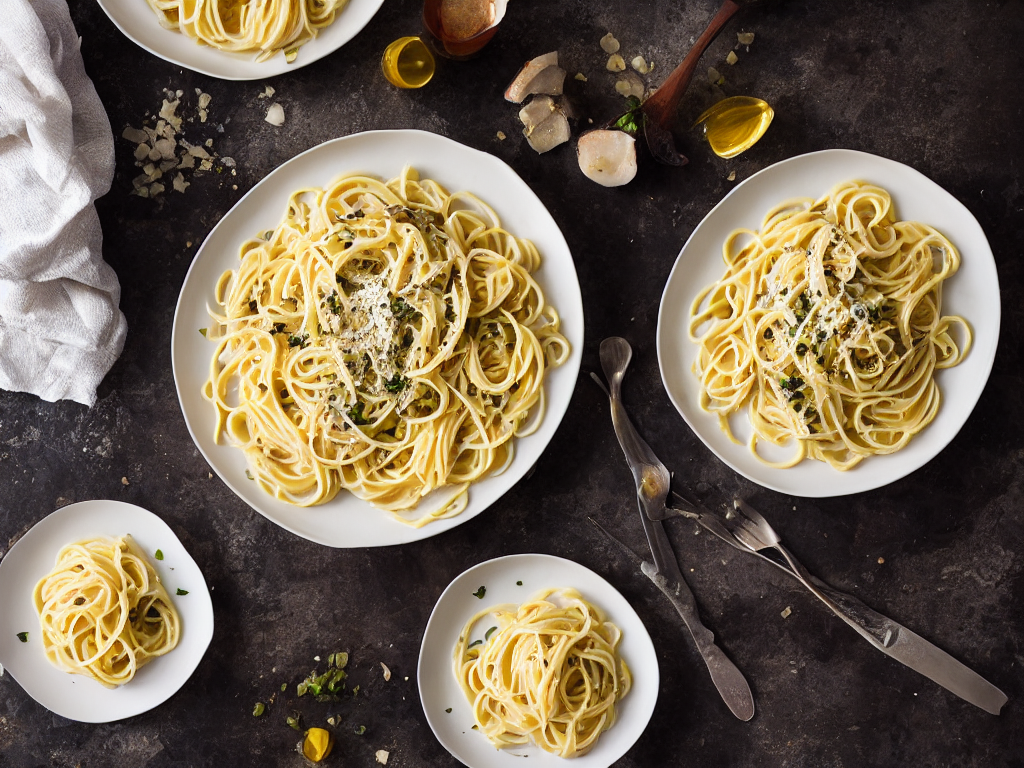
- Use guanciale or pancetta for an authentic Italian flavor, but bacon is a delicious substitute in a pinch
- Don’t overcook your spaghetti – a perfect al dente texture is crucial for a great carbonara
- Whisk your eggs with parmesan cheese before adding them to the pasta for a creamy, well-balanced sauce
- Add the egg mixture to the pasta immediately after cooking, while the noodles are still warm, to create a silky smooth texture
- Resist the temptation to add any cream or milk – a traditional carbonara recipe relies on the eggs and cheese for richness and creaminess
Carbonara Essentials to Remember
Use guanciale or pancetta for an authentic Italian flavor, but bacon is a delicious substitute in a pinch
Whisk eggs with parmesan before tempering with hot pasta water to achieve the perfect creamy sauce
Never overcook your spaghetti, aiming for a perfect al dente texture that will hold onto the rich carbonara sauce
The Heart of Carbonara
A great carbonara is not just about the ingredients, it’s about the love and chaos you bring to the kitchen, just like Nonna used to make – a little bit of mess, a whole lot of heart.
Alessia Bianchi
The Carbonara Legacy
In the world of Italian cuisine, few dishes have garnered as much attention and admiration as the humble carbonara recipe. From the spaghetti carbonara with bacon perfection to the authentic Italian techniques revealed, we’ve explored the depths of this beloved dish. The key to a truly exceptional carbonara lies in its simplicity, allowing each ingredient to shine in its own right. Whether you’re a seasoned chef or a culinary newcomer, the art of crafting a killer carbonara is within your grasp. By embracing the secrets of the carbonara recipe, you’ll be well on your way to creating a dish that’s sure to impress even the most discerning palates.
As you embark on your own carbonara journey, remember that the true beauty of this dish lies in its enduring legacy. It’s a testament to the power of tradition, community, and the simple pleasures in life. So go ahead, take a stab at creating your own carbonara masterpiece, and watch as the faces of your loved ones light up with delight. In the end, it’s not just about the food – it’s about the memories we create and the love we share with every delicious, satisfying bite. With a great carbonara recipe in your arsenal, you’ll be forever changed, and your taste buds will thank you.
Frequently Asked Questions
What type of pasta is best suited for a traditional carbonara recipe?
For a traditional carbonara, you want a pasta that’s gonna hold onto that creamy sauce. I’m talking about spaghetti, folks! It’s the classic choice for a reason. The long, thin strands coat perfectly with the egg, cheese, and bacon mixture. Trust me, it’s a game-changer. Other long, thin pasta shapes like linguine or fettuccine can work too, but spaghetti is the real MVP.
Can I use ham or sausage instead of bacon in a carbonara?
Listen, while you could sub in ham or sausage, it’s just not the same as crispy bacon in a classic carbonara. The smoky flavor and crunchy texture are essential. That being said, if you’re in a pinch, prosciutto or pancetta could work as alternatives, but sausage is a bit too dense and ham’s too salty – stick with the Italian staples for an authentic taste!
How do I prevent the eggs from scrambling when mixing them with the hot pasta?
To prevent scrambled eggs, whisk them like crazy before adding to the pasta, then toss everything together quickly, using the pasta’s residual heat to cook the eggs just until they’re creamy. Think gentle, sweeping motions, not vigorous stirring – you want to coax the eggs into a silky sauce, not scramble them into oblivion!
