I was crouched on the cold floor of a cramped attic in Jaipur, the scent of jasmine mingling with the city’s hum, when I realized the space I’d been using for meditation was anything but quiet. The walls were paper‑thin, the light harsh, yet I discovered a counter‑intuitive truth: a home meditation space doesn’t need silence or perfection—it needs intention. I slipped a faded vintage globe onto the ledge, and suddenly the world felt both vast and intimately present, reminding me that the backdrop matters less than the breath that fills it.
In the next minutes I’ll walk you through three fundamentals that turned that attic into a sanctuary I return to after every diplomatic briefing: choosing a niche that respects your rhythm, curating sensory cues that anchor you without overwhelming, and scaling the set‑up to fit any floor plan—from a studio flat in London to a family courtyard in Delhi. Expect no‑fluff, no‑hype suggestions, plus a handful of budget‑friendly tricks I’ve gathered from bazaars, embassies, and quiet corners of my globes collection. By the end, you’ll have a blueprint to create a home meditation space that feels yours.
Table of Contents
- Project Overview
- Step-by-Step Instructions
- Cultivating Shared Stillness a Home Meditation Space That Connects Us
- Crafting a Diy Meditation Altar With Minimalist Dcor
- Tiny Sanctuaries Small Space Meditation Ideas for Global Hearts
- Five Essential Tips for a Soul‑Nurturing Home Meditation Space
- Takeaways: Building Your Personal Meditation Nook
- A Quiet Corner, A World Within
- Bringing It All Together: Your Personal Sanctuary
- Frequently Asked Questions
Project Overview
Total Time: 3 hours 45 minutes
Estimated Cost: $150 – $300
Difficulty Level: Intermediate
Tools Required
- Measuring Tape ((12‑foot))
- Cordless Drill ((with assorted drill bits))
- Level ((torpedo level))
- Utility Knife ((with extra blades))
- Screwdriver Set ((Phillips and flathead))
- Hammer
Supplies & Materials
- Soft Flooring (e.g., 6‑mm foam interlocking tiles)
- Floor Pillows (large round meditation cushions)
- Ambient Lighting (LED strip lights or Himalayan salt lamp)
- Sound Dampening Panels (3‑inch acoustic foam tiles)
- Indoor Plants (low‑maintenance varieties like snake plant)
- Essential Oil Diffuser (with calming blends)
- Decorative Screens or Room Divider (optional for privacy)
Step-by-Step Instructions
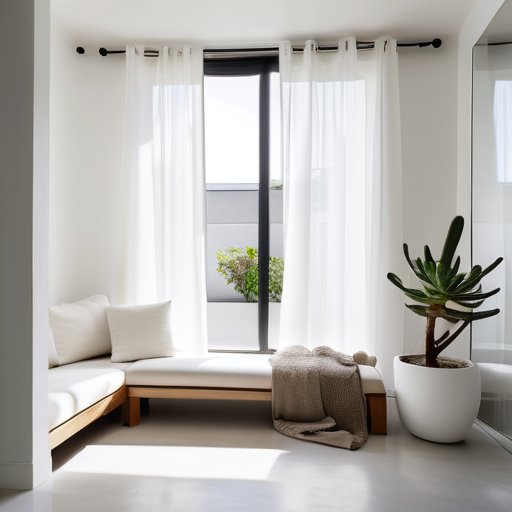
- 1. First, I scout the quietest corner of my home—whether it’s a sun‑lit nook by the window or a tucked‑away alcove behind the bookshelf. I clear away any clutter, because a minimalist backdrop helps the mind settle before the breath even begins.
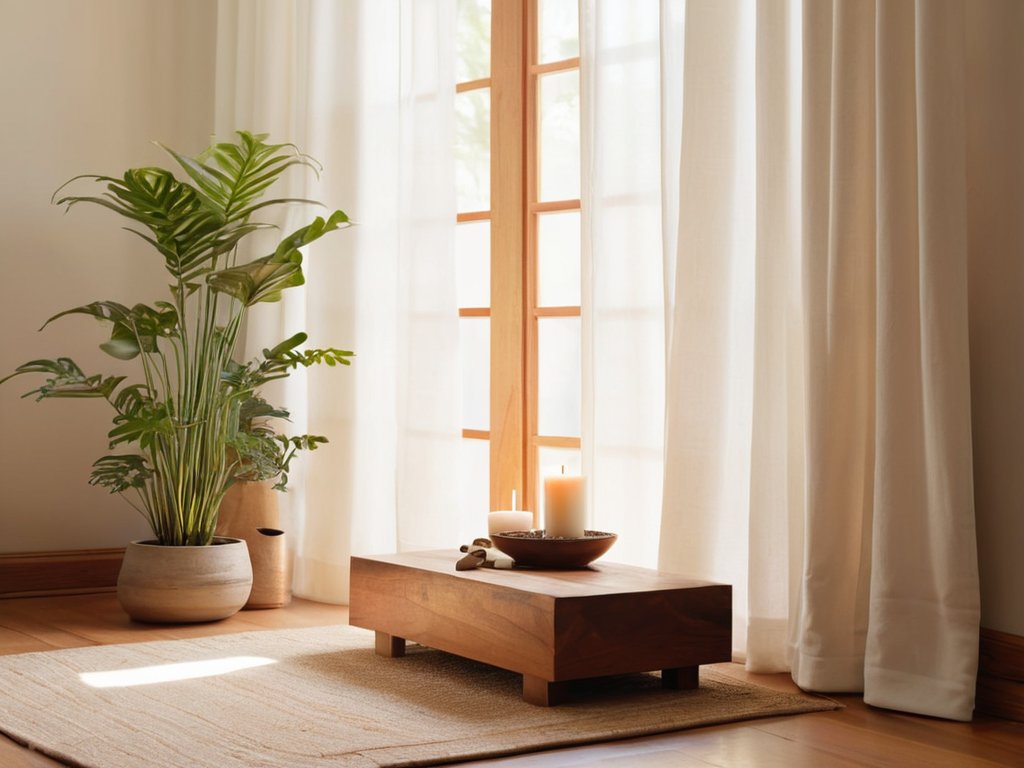
- 2. Next, I lay down a grounding foundation: a soft rug, a folded blanket, or a simple yoga mat. I choose textures that feel welcoming under my feet, and I make sure the surface is large enough for me to stretch out without feeling cramped.
- 3. Then, I invite gentle illumination by swapping harsh overhead lights for a warm lamp, a string of fairy lights, or a single candle. I position the light source so it casts a calm glow that mimics sunrise, encouraging a sense of openness without overwhelming the senses.
- 4. After that, I curate a subtle soundscape—perhaps a low‑volume playlist of ambient drones, distant ocean waves, or a single Tibetan singing bowl. I keep the volume just audible enough to mask household noise but not so loud that it becomes a distraction.
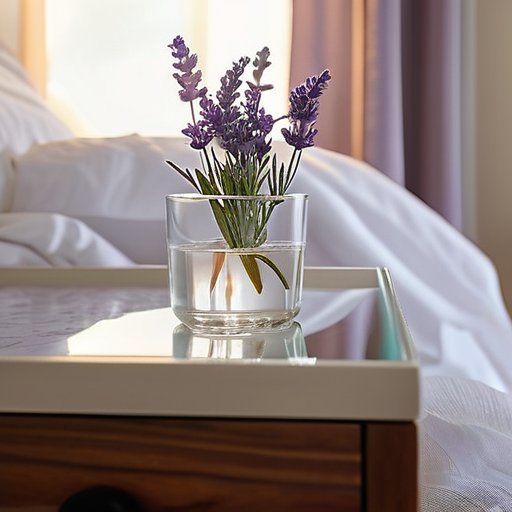
- 5. I then add a touch of nature, placing a small potted plant, a sprig of dried lavender, or a smooth river stone on a nearby shelf. These organic elements remind me of the world beyond four walls and anchor the practice in a living, breathing environment.
- 6. Next, I set a personal intention by writing a short phrase on a piece of paper or a tiny chalkboard: “ breathe, be present,” or “cultivate compassion.” I place it where my eyes will meet it as I settle, turning the space into a quiet reminder of why I’m here.
- 7. Finally, I protect the sanctuary with a simple ritual: I inform household members of my meditation window, close the door gently, and perhaps drape a light scarf over the doorway as a visual cue. This boundary signals to both me and others that the space is a temporary refuge for inner stillness.
Cultivating Shared Stillness a Home Meditation Space That Connects Us
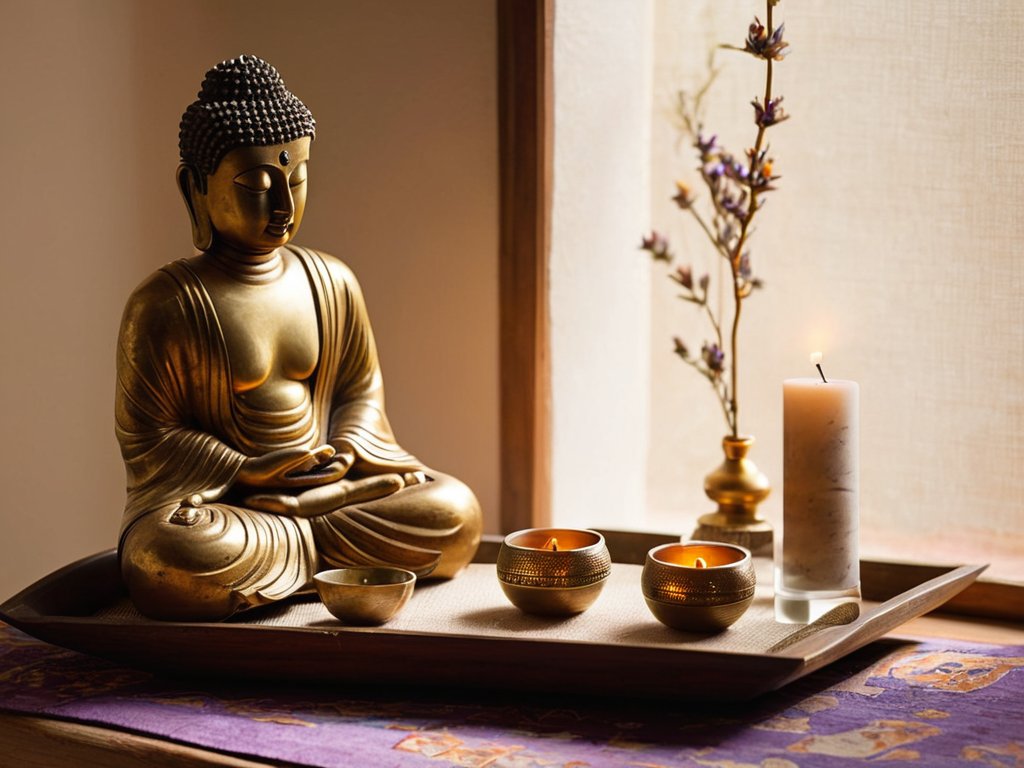
I often find that the most intimate moments of stillness emerge in the tiniest nooks—like the corner of my Delhi apartment where a low‑shelf holds a DIY meditation altar of worn incense sticks, a single brass Buddha, and a handwritten note from a fellow traveler. When space is at a premium, I lean on small space meditation ideas: a folded‑over rug that doubles as a cushion, a string of amber bulbs that follow the lighting tips for meditation room I picked up in a Scottish cottage. A few drops of lavender‑scented essential oil, diffused from a teacup, turn the air into an invitation to breathe.
On a recent stop in the highlands of Peru, I learned that silence can be engineered without expensive construction—simple weather‑stripping around a doorway and a folded blanket draped over a bookshelf create a soundproofing meditation area that feels like a private sanctuary. Pair that with minimalist meditation décor: a single, hand‑carved wooden stool and a muted teal wall hanging, and you have a budget‑friendly meditation corner that invites both body and mind to settle, no matter how far you are from the bustling streets outside.
Crafting a Diy Meditation Altar With Minimalist Dcor
I start every altar with a piece that tells a story—a tiny brass incense holder I picked up in a bazaar in Marrakech, its patina reminding me of desert evenings where prayers rise with wind. From there I layer essentials: a river stone from the Ganges, a folded prayer flag rescued from a Nepal trek, and a candle in a glass jar. The key is restraint; each object should breathe, not compete.
To keep the look minimalist, I mount a shelf against the wall and place the items on a linen runner that echoes my living room’s tones. A single vintage globe from my collection rests at the edge, grounding the space in a reminder that stillness spans continents. Aligned, the altar becomes a modest portal—no more than inches wide—yet it anchors my daily practice in the tapestry of the world.
Tiny Sanctuaries Small Space Meditation Ideas for Global Hearts
I’ve learned that silence doesn’t need a grand hall—just a corner that feels like a passport to calm. In the tiny loft of a Jaipur guesthouse, I tucked a fold‑away cushion beside a brass incense holder, letting the scent of sandalwood mingle with the faint hum of a street market outside; the world felt both vast and intimate. Back in my London flat, a repurposed wooden crate, painted with a faded map from my vintage globe collection, became a meditation pod on the balcony, where sunrise painted the Thames in gold. Even a sturdy suitcase, opened like a portable shrine, can house a soft shawl, a single candle, and a pocket‑size mantra card from a recent exchange in Oaxaca. These modest set‑ups remind me that wherever we are, a deliberately‑crafted nook can anchor the restless traveler’s heart and invite a shared stillness that stretches across continents.
Five Essential Tips for a Soul‑Nurturing Home Meditation Space
- Choose a corner where natural light filters in—morning sun can turn a simple nook into a gentle awakening ritual.
- Introduce a scent that tells a story: a whiff of sandalwood, jasmine, or a pinch of dried lavender can anchor your breath to memories of far‑flung places.
- Layer textures that invite touch—soft throws, woven mats, or a reclaimed‑wood stool—to create a tactile bridge between body and mind.
- Add a single, meaningful object—perhaps a vintage globe from my collection or a hand‑carved stone—that serves as a visual mantra during practice.
- Set a modest soundscape: low‑volume chants, distant waves, or the subtle hum of a wind chime can mask household clatter and deepen focus.
Takeaways: Building Your Personal Meditation Nook
A modest corner—whether a windowsill or a folded rug—can become a daily anchor, reminding you that stillness is a portable practice, not a luxury.
Incorporating elements that echo your own cultural story (a tea bowl, a woven tapestry, or a vintage globe) turns the space into a dialogue between your inner world and the wider world.
Consistent ritual, even just five minutes of breathwork, reinforces the habit; over time the nook evolves from a physical spot into a mental sanctuary you can summon anywhere.
A Quiet Corner, A World Within
In the hush of a humble corner, the walls of our home dissolve and we discover a universe inside, where each breath becomes a bridge linking cultures, histories, and hearts.
Alexandra Thompson
Bringing It All Together: Your Personal Sanctuary
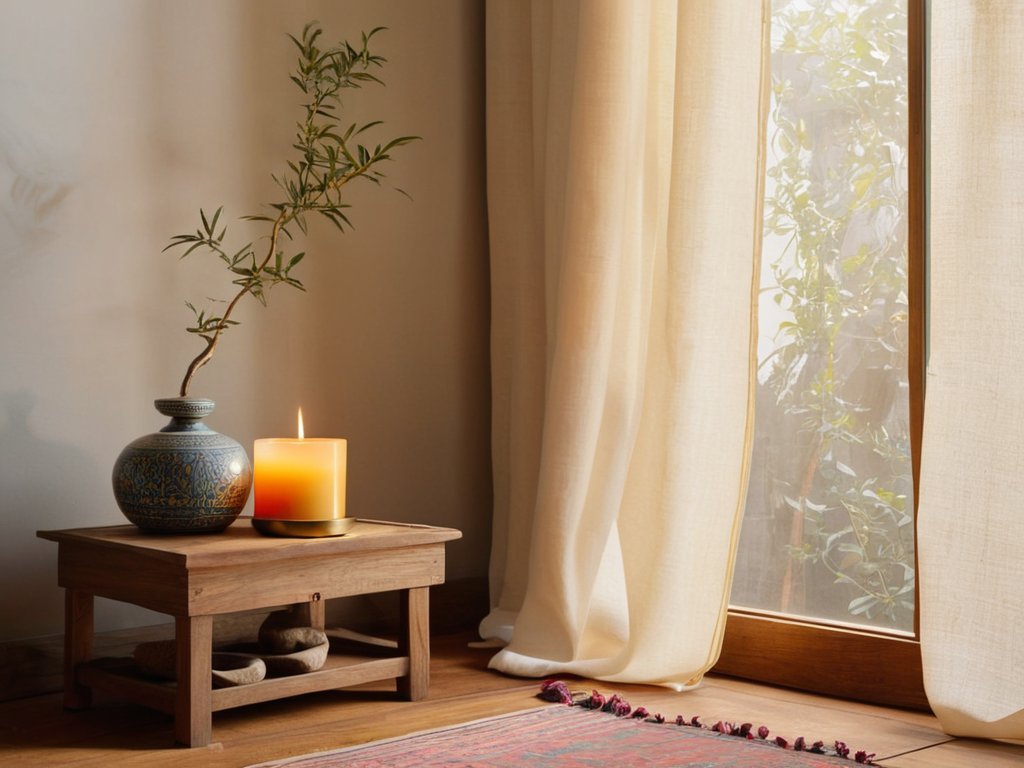
I’ve trekked from a Delhi bazaar to a quiet Scottish cottage, and each stop reminded me that a home meditation space thrives on intention, not square footage. First, pick a nook where light—or a warm lamp—creates a gentle horizon for the breath. Layer in a scent that evokes memory, a fabric swatch from a journey, and you instantly anchor the practice. Whether the area is a whole room or a windowsill, the formula stays the same: clear the clutter, set a focal point—perhaps a vintage globe from my collection—and, if you feel inclined, assemble a minimalist altar with a candle, a stone, and a handwritten mantra. These simple steps turn any corner into a sanctuary that honors personal rhythm and the world beyond.
Imagine stepping onto your mat and feeling the pulse of Kathmandu, the hush of Reykjavik, the rhythm of Lagos—all converging in a single breath. That is the promise of a thoughtfully crafted meditation corner: it becomes a portal where shared stillness transcends borders and reminds us that every heartbeat is part of a larger, interconnected song. I hope you’ll let your sanctuary grow with each new story you collect, just as my globes have gathered dust from decades of voyages. May your daily pause not only quiet the mind, but also amplify the compassion that binds us across continents.
Frequently Asked Questions
What are the best low‑light lighting options for a calming meditation nook?
When I shape a nook, I start with a warm‑glow LED strip I can dim to a candle‑like hue; it hugs the ceiling without stealing the view. A Himalayan salt lamp adds an amber pulse that feels like sunrise. I also love a single soy candle in a ceramic holder for a gentle flicker, and a paper lantern with a muted amber shade for a hint of market light. Together they keep the space hushed yet inviting.
How can I create a peaceful meditation corner in a small studio apartment without cluttering the space?
I start by picking the quietest nook—often the space beside my folded‑away sofa. I clear the floor to a single low‑pile rug that doubles as a yoga mat, then hang a thin bamboo screen to soften street noise without stealing square footage. A single candle, a tiny incense stick, and one vintage globe I keep on a floating shelf become my visual anchors. Only three items stay: mat, scent, and the globe, keeping the corner spacious and serene.
What affordable items can I use to personalize my meditation area while keeping it culturally inclusive?
I’ve learned that a few humble pieces can turn any corner into a crossroads of cultures. A hand‑woven prayer mat from Morocco, a small brass singing bowl from Nepal, reclaimed wooden incense sticks from Bali, and a printed fabric swatch—perhaps an ikat from India or a Peruvian textile—can be draped over a simple shelf. Add a couple of reclaimed glass jars for candles and a small world‑map postcard collage. All under $30, yet each whispers a story.