
As I sit in my study, surrounded by vintage globes from different decades, I often find myself pondering the complexities of global trade. The role of blockchain in supply chain management is a topic that has garnered significant attention in recent years, but I’ve grown tired of the hype and jargon that often accompanies it. It’s time to cut through the noise and explore the real implications of this technology on our increasingly interconnected world. I’ve had the privilege of traveling to remote locations and engaging in cultural exchange programs, and I’ve seen firsthand the impact that efficient supply chain management can have on local communities.
In this article, I promise to provide a no-nonsense look at the role of blockchain in supply chain management, drawing from my experience as a former diplomat and freelance journalist. I’ll share personal anecdotes and real-world examples to illustrate the potential benefits and challenges of implementing blockchain technology in supply chain management. My goal is to inspire informed discussions and broaden perspectives on this complex issue, and I invite you to join me on this journey of discovery. Together, let’s explore the ways in which blockchain can transform the way we think about global trade, and uncover the stories that connect us all.
Table of Contents
Blockchains Supply Chain Impact
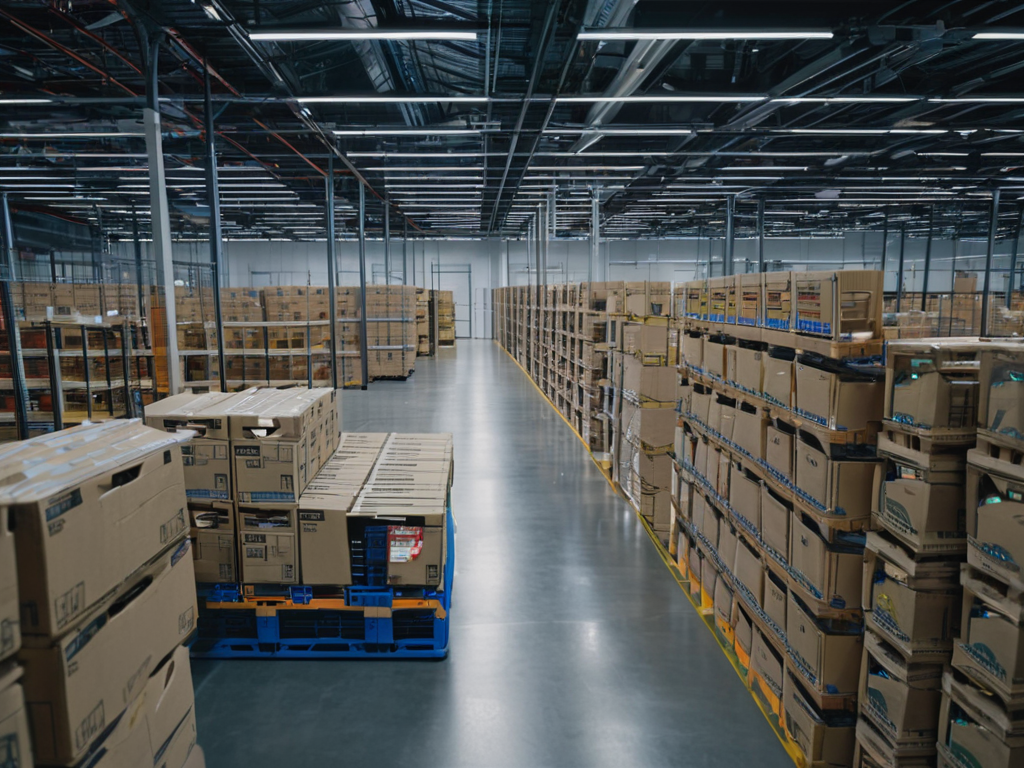
As I delve into the world of blockchain based inventory management, I’m struck by the potential for this technology to revolutionize the way companies track and manage their goods. By utilizing a decentralized, digital ledger, businesses can ensure that their inventory is accurately accounted for, reducing the risk of loss or theft. This, in turn, can have a significant impact on supply chain risk management, allowing companies to better anticipate and prepare for potential disruptions.
One of the most significant benefits of blockchain in logistics is the increased transparency it provides. With blockchain technology, shipping companies can track their goods in real-time, from the moment they leave the factory to the moment they arrive at their destination. This not only improves supply chain visibility, but also enables companies to provide better customer service, as they can give their clients up-to-the-minute updates on the status of their shipments.
The integration of blockchain technology for shipping companies is also being explored in conjunction with the internet of things (IoT). By equipping shipping containers and other logistics equipment with IoT sensors, companies can gather even more detailed data on the location and condition of their goods, further improving supply chain visibility and reducing the risk of loss or damage.
Benefits of Blockchain in Logistics
As I delve into the world of logistics, I’m struck by the potential of blockchain to streamline operations. One of the most significant advantages is the ability to reduce counterfeiting, which is a major concern in global supply chains. By utilizing blockchain technology, companies can create an immutable record of transactions, making it much harder for counterfeit goods to enter the supply chain.
The use of blockchain in logistics also enables real-time tracking, allowing companies to monitor the movement of goods with unprecedented accuracy. This not only improves efficiency but also helps to prevent losses due to theft or misplacement.
Improving Visibility With Blockchain
As I delve into the world of blockchain in supply chain management, I’m struck by its potential to improve transparency. By creating a digital ledger that’s accessible to all parties involved, blockchain technology can help track products from origin to delivery, reducing the risk of counterfeiting and errors.
The use of blockchain in supply chains can also streamline communication between different stakeholders, from manufacturers to logistics providers. By providing a single, shared source of truth, blockchain can help reduce misunderstandings and miscommunications, making it easier to identify and address issues as they arise.
Role of Blockchain in Supply Chain
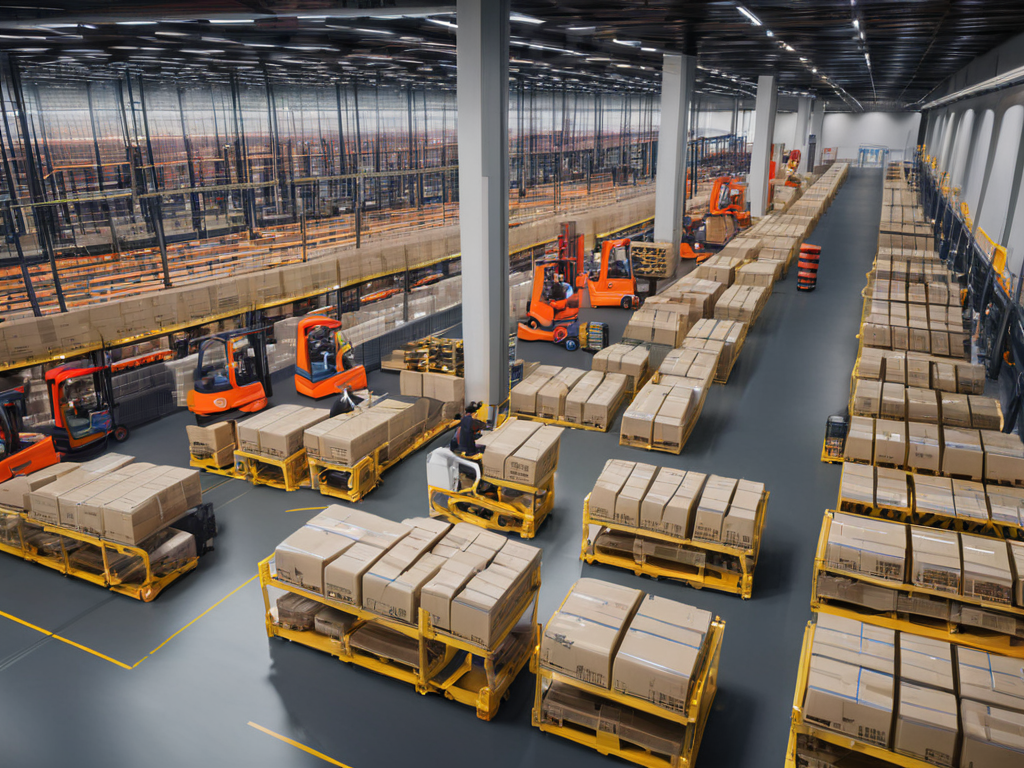
As I delve into the world of supply chain management, I’m struck by the potential of blockchain based inventory management to revolutionize the way companies track and manage their goods. By utilizing a decentralized, digital ledger, businesses can gain unprecedented visibility into their inventory levels, shipping routes, and delivery times. This increased transparency can help mitigate risks associated with supply chain disruptions, such as natural disasters or cyber attacks, by enabling companies to respond more quickly and effectively.
One of the most significant advantages of blockchain technology in supply chain management is its ability to improve supply chain visibility. By creating a permanent, tamper-proof record of all transactions, blockchain allows companies to track their products from raw materials to end consumers. This increased visibility can help companies identify and address potential issues before they become major problems, such as counterfeit goods or expired products. Furthermore, blockchain technology for shipping companies can help streamline logistics and reduce costs by automating tasks and increasing the efficiency of shipping routes.
The benefits of blockchain in logistics are numerous, and its potential to transform the supply chain industry is vast. By leveraging supply chain risk management using blockchain, companies can reduce the risk of errors, fraud, and other disruptions, resulting in cost savings and improved customer satisfaction. As I continue to explore the intersection of blockchain and supply chain management, I’m excited to see the innovative solutions that emerge and the positive impact they can have on businesses and communities around the world.
Blockchain Based Inventory Management
As I delve into the world of blockchain-based inventory management, I’m struck by the potential for streamlined tracking of goods. This technology enables companies to monitor their inventory levels in real-time, reducing the risk of stockouts and overstocking. By utilizing blockchain, businesses can create a transparent and tamper-proof record of all transactions, making it easier to manage their inventory.
The use of blockchain-based systems allows for automatic updates and alerts, ensuring that all stakeholders are informed about the status of their inventory. This not only improves efficiency but also helps to prevent fraud and errors, making the entire supply chain more reliable.
Supply Chain Risk Management Using Blockchain
As I reflect on my travels to remote locations, I’ve seen firsthand how supply chain disruptions can have a ripple effect on local economies. This is where blockchain technology can play a vital role in mitigating risks. By creating a transparent and tamper-proof ledger, blockchain can help identify potential bottlenecks and enable proactive measures to be taken.
In my experience, real-time tracking is a game-changer in supply chain risk management. With blockchain, companies can monitor their shipments and inventory in real-time, enabling them to respond quickly to any disruptions or anomalies. This not only helps to minimize losses but also ensures that goods reach their destination safely and efficiently.
Navigating the Future of Supply Chains: 5 Key Tips on Blockchain Implementation
- I’ve found that understanding the basics of blockchain technology is crucial before integrating it into supply chain management – it’s not just about adopting a new tool, but about transforming your entire operational mindset
- Implementing blockchain in supply chain management requires a thorough assessment of your current logistics and supply chain networks to identify areas where blockchain can add the most value, such as improving visibility or enhancing security
- Building a strong partnership with blockchain technology providers and other stakeholders is vital for successful integration – it’s a collaborative effort that involves not just your company, but your entire supply chain ecosystem
- Training your team on the applications and benefits of blockchain in supply chain management is essential for maximizing its potential – it’s about empowering your staff with the knowledge to leverage this technology effectively
- Monitoring and evaluating the impact of blockchain on your supply chain is critical for making data-driven decisions and continuous improvement – it’s an ongoing process that requires regular assessment and adaptation to changing circumstances and technologies
Key Takeaways from Blockchain's Impact on Supply Chain Management
I’ve learned that blockchain technology can significantly improve supply chain visibility, allowing for real-time tracking and reduced counterfeiting, which is a game-changer for global logistics and commerce
Through my research, I’ve discovered that blockchain-based inventory management can optimize supply chain operations by enabling automatic stock replenishment, reducing errors, and increasing the speed of transactions, making it an attractive solution for companies looking to streamline their operations
As I continue to explore the role of blockchain in supply chain management, I’m struck by its potential to mitigate risks through smart contracts, which can automatically execute actions when certain conditions are met, providing a level of security and trust that’s essential for international trade and commerce
Weaving Transparency
Blockchain is not just a technology, it’s a testament to the power of collaboration and transparency in supply chain management – it weaves an invisible thread that connects producers, distributors, and consumers, fostering trust and accountability in the most complex of global networks.
Alexandra Thompson
Conclusion
As I reflect on the role of blockchain in supply chain management, it’s clear that this technology has the potential to revolutionize the way we think about logistics and inventory management. From improving visibility to enabling blockchain-based inventory management, the benefits are numerous. We’ve explored how blockchain can enhance supply chain risk management, improve logistics, and increase transparency. These advancements can have a significant impact on businesses and communities around the world, making global trade more efficient and equitable.
As we move forward, it’s essential to recognize the potential for blockchain to weave a new narrative in global supply chains. By embracing this technology, we can create a more interconnected and compassionate world, where transparent and secure trade practices become the norm. As someone who’s passionate about cultural exchange and understanding, I believe that blockchain has the power to bridge gaps and foster greater cooperation among nations. Let’s harness this potential to build a brighter, more harmonious future for all.
Frequently Asked Questions
How can blockchain technology ensure the authenticity and quality of products in a supply chain?
I’ve seen firsthand how blockchain can guarantee authenticity and quality by creating an immutable record of a product’s journey, from raw materials to delivery, allowing for real-time tracking and verification of its origin, movement, and ownership.
What are the potential challenges and limitations of implementing blockchain in supply chain management for small to medium-sized businesses?
As I’ve seen in my travels, smaller businesses often face significant hurdles when adopting blockchain, including high implementation costs, limited technical expertise, and interoperability issues with existing systems.
Can blockchain-based systems provide real-time tracking and monitoring of shipments, and if so, how would this impact the overall efficiency of the supply chain?
I’ve seen firsthand how blockchain-based systems can provide real-time tracking and monitoring of shipments, boosting efficiency and reducing delays. By leveraging IoT sensors and GPS tracking, shipments can be monitored in real-time, enabling swift action in case of disruptions, and ultimately, streamlining the supply chain.