Every time I set foot in a new kitchen—whether it’s a cramped flat in Delhi’s Chandni Chowk or a loft in a Scottish fishing village—I’m reminded how the right tools can turn a hurried, health‑conscious intention into a nourishing ritual. Yet many of us stumble over flimsy gadgets or improvise with what we have, only to end up compromising flavor or nutrition. That’s why I’ve been gathering the essential kitchen tools for healthy cooking during my travels, seeking pieces that are sturdy, simple, and adaptable. Think of them as ambassadors that bridge tradition and science at the stovetop.
In the next few minutes I’ll walk you through five tools that have become my kitchen staples, each chosen for reasons beyond glossy marketing. You’ll discover a cast‑iron skillet that sears vegetables without oil, a precision mandoline that creates uniform ribbons for even cooking, a stainless‑steel pot that distributes heat evenly for vitamin‑rich soups, a compact immersion blender for instant purees, and silicone lids that replace disposable wrap while locking in moisture. By the end, you’ll own a compact, culturally‑savvy arsenal that turns healthy cooking from a chore into a shared adventure.
Table of Contents
The Trusty Chef’s Knife
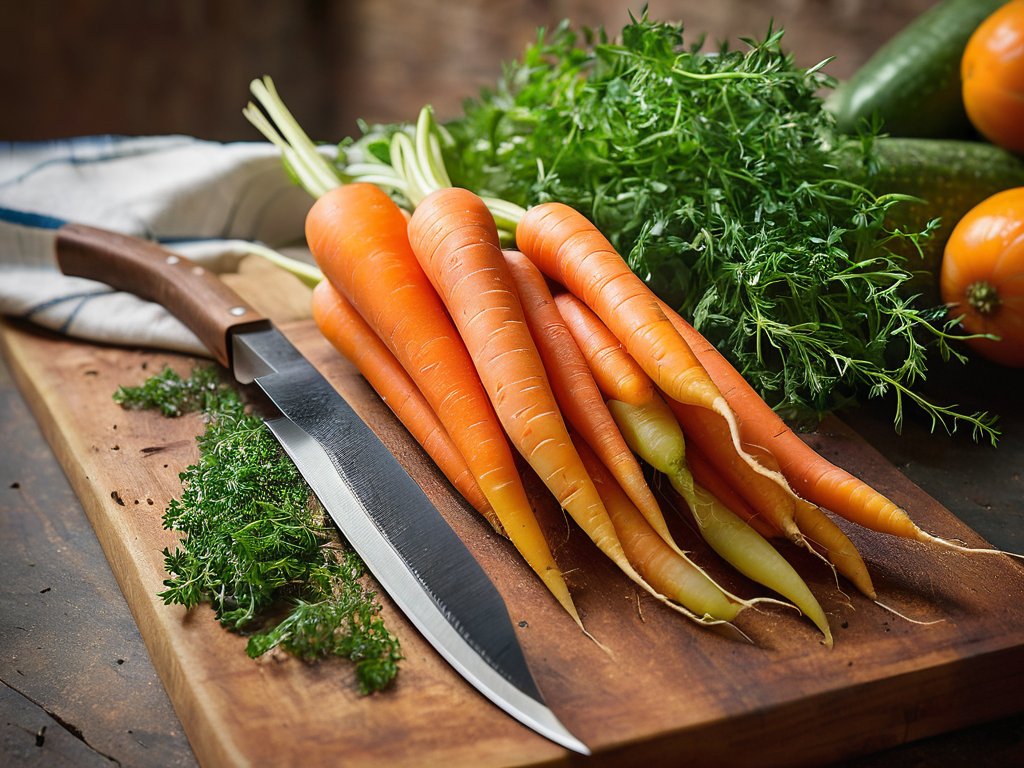
I still remember the first time I sliced a crisp cucumber in a bustling market in Marrakech; the precision cuts of my 8‑inch carbon‑steel chef’s knife turned a chaotic stall into a meditation on texture. That knife has become my passport to healthy cooking, letting me glide through vegetables, herbs, and lean proteins without bruising their nutrients.
Maintaining that edge feels like a ritual – a quick hand‑whetstone session each week reminds me that tools, like cultures, need care. When the blade sings, I’m able to julienne carrots in seconds, preserving their bright colour and crunch, which keeps my salads lively and my mind focused on the flavors ahead.
Cast‑Iron Skillet: Heat with Heart
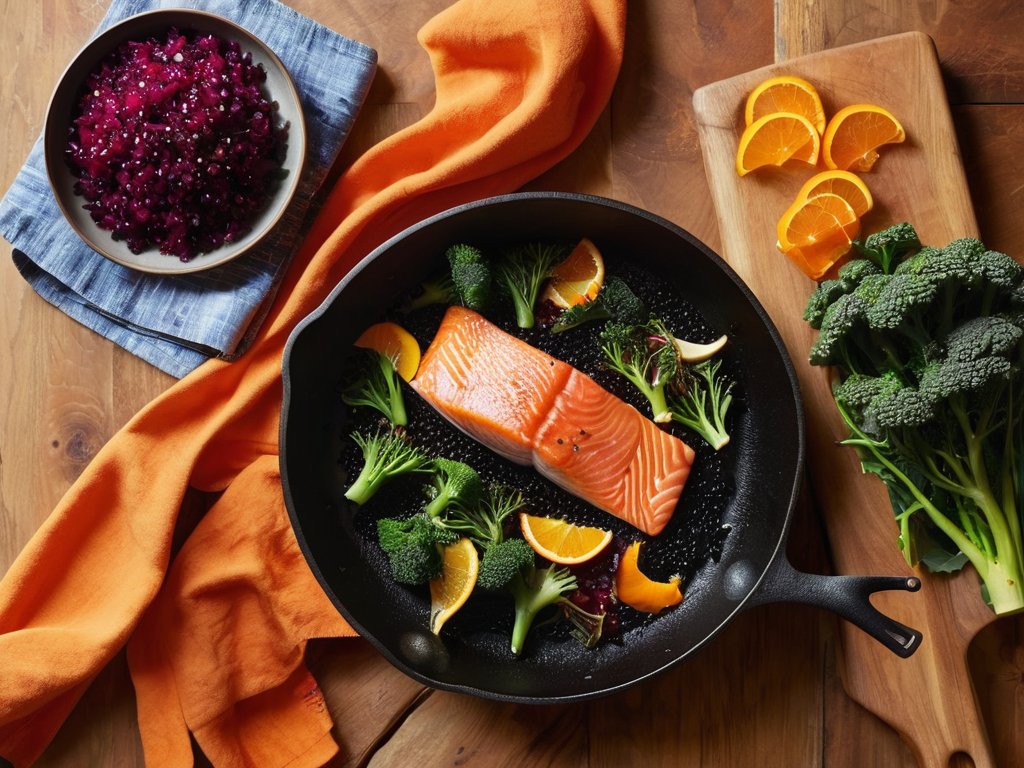
There’s something almost ceremonial about heating a cast‑iron skillet over a low flame before I toss in a handful of quinoa and seasonal vegetables; the pan’s even heat distribution locks in nutrients while developing a subtle, caramelised depth. I first fell in love with this sturdy companion while cooking a communal stew in the highlands of Peru, where the skillet’s resilience matched the locals’ spirit.
Seasoning the skillet is a story in itself – a thin coat of flaxseed oil, a gentle bake, and the surface becomes a living canvas that improves with each use. When I sear a piece of wild‑caught salmon, the pan’s natural non‑stick quality means I need no extra oil, allowing the fish’s own richness to shine through while keeping the dish heart‑healthy.
Multi‑Purpose Blender
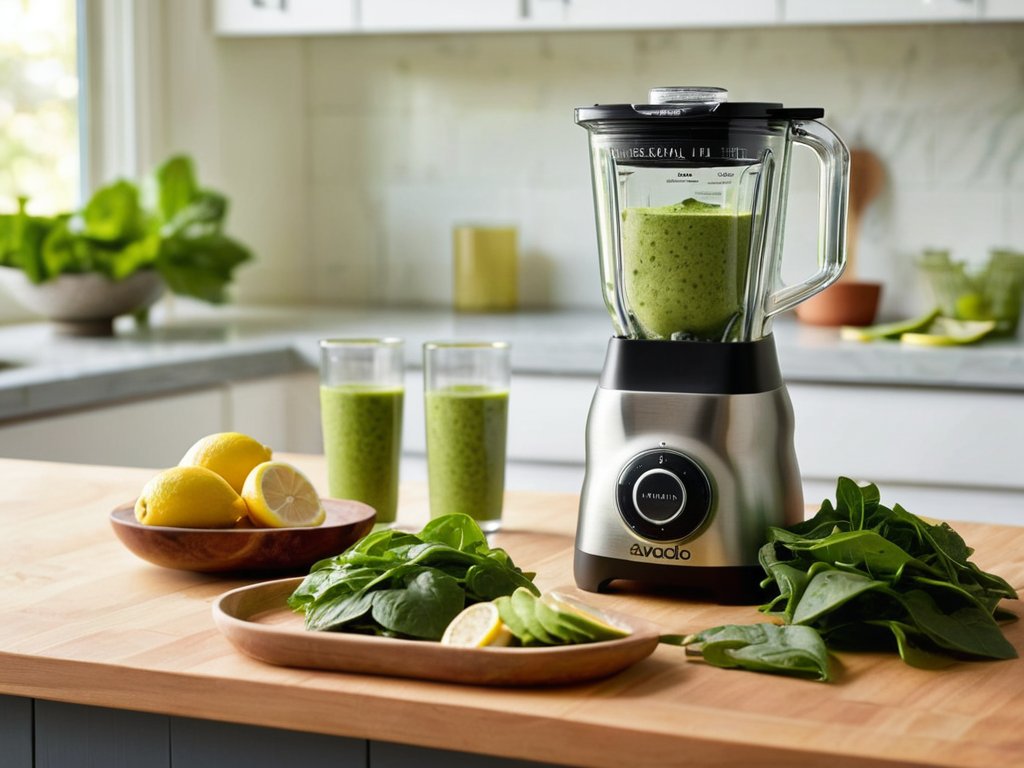
In my travels from the streets of Bangkok to the farms of Tuscany, I’ve learned that a good blender is the bridge between raw ingredients and nourishing soups, smoothies, and sauces. My portable high‑speed blender whirs through leafy greens, turning them into silky green juices that feel like a sip of sunrise.
Beyond smoothies, I rely on it to emulsify dressings without the need for commercial mayonnaise, which often hides hidden sugars. By blending avocado, lemon, and a pinch of sea salt, I create a creamy dip that delivers healthy fats and brightens any plate, all while keeping the countertop clutter to a minimum.
Steamer Basket: Gentle Power
When I’m in a cramped kitchen in a shared house in Berlin, the steamer basket is my quiet ally; it lets me preserve the natural vitamins of fish, dumplings, and leafy greens without drowning them in oil. The gentle rise of steam reminds me of the mist over the Ganges at dawn, a reminder that health often comes from subtlety.
I love pairing the basket with a simple infusion of ginger, lemongrass, and a splash of soy sauce, turning ordinary broccoli into a fragrant side that sings of far‑off markets. Because the steam cooks evenly, I never worry about over‑cooking, which means the bright green of the florets stays vivid, and the nutrients stay intact.
Ceramic Non‑Stick Pan
My favorite ceramic non‑stick pan arrived as a gift from a fellow journalist in Kyoto, and it quickly proved its worth during late‑night stir‑fry sessions. The smooth surface means I can sauté a rainbow of bell peppers with just a drizzle of sesame oil, keeping the dish light yet flavorful.
What I appreciate most is the pan’s resistance to high temperatures without releasing toxic fumes, a concern that often lingers with traditional Teflon coatings. When I whip up a quick chickpea hash for breakfast, the pan releases the spices effortlessly, and cleanup is as easy as a quick rinse – a small convenience that frees up mental space for the next story I’m chasing.
Three Takeaways for a Healthier Kitchen
A versatile, well‑maintained knife is the backbone of mindful prep—sharp, comfortable, and suited to the foods you love to explore.
Investing in a durable, heat‑responsive pan (like cast iron or stainless steel) lets you lock in nutrients without relying on excess oil.
A simple, reliable food processor or blender expands your menu, turning whole‑food ingredients into soups, sauces, and smoothies that keep global flavors within reach.
The Tool That Binds
A well‑crafted kitchen tool isn’t merely steel and wood—it’s a passport that lets us travel into healthier traditions, translating the flavors of distant kitchens into everyday nourishment.
Alexandra Thompson
Essential Kitchen Tools: A Global Perspective on Healthy Cooking
I’ve walked kitchens from a bustling market in Marrakech to a quiet apartment in Kyoto, and each time the same five tools have proved their worth. A sharp, well‑balanced chef’s knife lets you respect the ingredients, slicing with precision and less waste. A heavy‑bottomed cast‑iron skillet distributes heat evenly, turning simple vegetables into caramelised delights without excess oil. A sturdy food processor handles everything from hummus to nut butter, saving time for the conversations that matter. A digital scale gives you the confidence to measure portions accurately, while a set of clear glass containers keeps leftovers visible and inviting. Together, they form a modest yet powerful toolkit for healthier, more mindful cooking.
Think of these tools not merely as appliances, but as tiny passports that grant you entry into healthier habits and richer cultures. When a skillet sizzles with cumin‑spiced lentils, or a food processor whirls together mango‑chili salsa, you’re not just feeding your body—you’re sharing a story that spans continents. I invite you to let your kitchen become a laboratory of curiosity, where every chop, stir, and weigh‑in is an opportunity to honor the planet and the people who grow our food. Pick up one of these essentials, experiment with a recipe from a neighbor’s homeland, and watch how a simple meal can become a bridge between worlds.
Frequently Asked Questions
Which kitchen tool should I prioritize if my kitchen space is limited?
If space is at a premium, I’d put a sturdy, well‑balanced chef’s knife at the top of my list. A single knife can chop, slice, mince and even butter‑fly vegetables, turning a tiny countertop into a versatile prep station. Pair it with a compact cutting board, and you’ve got the core of almost any recipe covered—whether you’re whipping up a quick stir‑fry in a Tokyo apartment or a rustic dal in a Delhi flat.
How can I keep my cast‑iron skillet in optimal condition for healthy cooking?
I keep my cast‑iron skillet in shape by treating it like a travel companion. After each use I wipe it clean with a hot towel, then give it a quick scrub with coarse salt and a little water—no harsh detergents. I dry it over low heat, then rub a layer of flaxseed oil across the surface, letting it melt into the pores. Store it in a dry spot, and it stays naturally non‑stick and nutrient‑rich for years.
Is it possible to substitute an expensive food processor with a more budget‑friendly option without sacrificing nutritional benefits?
Absolutely—I’ve found that a sturdy hand‑blender with a whisk attachment, or even a manual mandoline, can handle most of the tasks a pricey processor does. Pair them with a wide‑bowl mixing bowl and a good‑quality chef’s knife, and you’ll still be chopping, pureeing, and emulsifying without losing the nutrients that come from quick, gentle processing. The trick is to work in small batches and keep everything chilled.