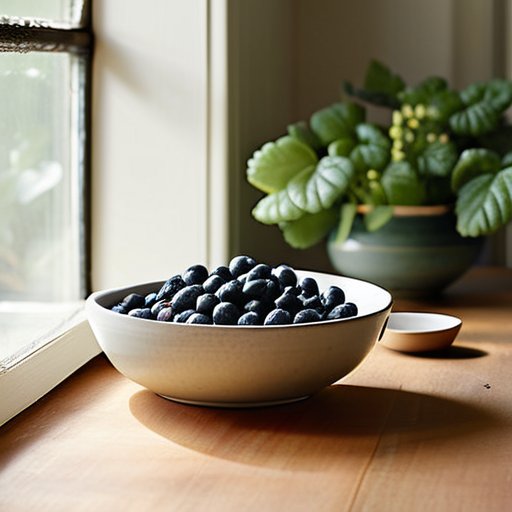
I was crouched over a battered tin stove in a tiny guesthouse on the outskirts of Oaxaca, black beans simmering and lime swirling around me, when my host laughed, “You don’t need a planner to eat well.” In that cramped kitchen I realized biggest myth about healthy meal prep—that it demands endless spreadsheets, pricey gadgets, and a perfect schedule—was a lie. The truth? All you need is a pinch of curiosity, versatile ingredients, and the willingness to let your day’s rhythm guide the plate. Time‑saving tricks are less about rigid routines and more about embracing the flow of the moment.
In the pages that follow I’ll walk you through a no‑hype, step‑by‑step system that turns chaotic evenings into a reliable routine: choosing nutrient‑dense staples that travel well, batch‑cooking without draining your energy, and storing everything so it stays fresh for a week. You’ll get a printable grocery checklist, a quick‑fix pantry guide, and three adaptable recipes you can swap to suit palate or budget. By the end you’ll have a budget‑friendly framework that lets you serve meals as intentional as a diplomatic briefing—without sacrificing flavor or sanity.
Table of Contents
- Project Overview
- Step-by-Step Instructions
- Healthy Meal Prep Global Flavors Sustainable Practices
- Batch Cooking Protein Sources for Diverse Palates
- Seasonal Vegetable Meal Prep Recipes That Unite Cultures
- Five Game‑Changing Tips for Nutritious Meal Prep
- Key Takeaways
- A Global Kitchen Mantra
- Wrapping Up: Your Global Kitchen Journey
- Frequently Asked Questions
Project Overview

Total Time: 4 hours (including cooking, cooling, and portioning)
Estimated Cost: $30 – $60
Difficulty Level: Intermediate
Tools Required
- Chef’s Knife ((8‑inch, sharp))
- Cutting Board ((preferably non‑slip))
- Meal Prep Containers (Reusable, BPA‑free, various sizes)
- Slow Cooker (2‑gallon capacity)
- Blender (High‑speed for sauces and smoothies)
- Measuring Cups and Spoons
- Food Scale (For precise protein portions)
- Large Saucepan (3‑quart)
Supplies & Materials
- Boneless Skinless Chicken Breast (1.5 lb)
- Quinoa (2 cups dry)
- Brown Rice (2 cups dry)
- Assorted Fresh Vegetables (e.g., broccoli, bell peppers, carrots, snap peas)
- Olive Oil (Extra‑virgin, 2 Tbsp)
- Low‑Sodium Soy Sauce (1 Tbsp)
- Spices & Herbs (Garlic powder, paprika, black pepper, dried oregano)
- Greek Yogurt (Plain, for sauces and snacks)
- Canned Beans (e.g., black beans, 1 can)
- Lemon (1, juiced)
Step-by-Step Instructions
- 1. First, I map out my weekly menu by sketching a simple table on a vintage globe‑themed notebook, pairing protein, whole grains, and at least two vegetables for each day. I keep the list flexible so I can swap in seasonal produce I discover at local markets, ensuring the plan feels both nourishing and adventurous.
- 2. Next, I batch‑cook the staples—a pot of quinoa, a tray of roasted chickpeas, and a gentle simmer of lentil broth. I set timers, toss everything with a drizzle of olive oil and a pinch of cumin, and let the oven work its magic while I brew a cup of chai, letting the aromas remind me of home kitchens across continents.
- 3. Then, I portion the cooked components into airtight containers, arranging them by color to make each meal a visual story. I reserve a small divider for fresh herbs, a squeeze of lemon, or a dollop of yoghurt, because those bright accents turn a practical lunch into a tiny celebration of flavor.
- 4. After that, I prep the quick‑cook items—chopping carrots, bell peppers, and snap peas, then blanching or lightly sautéing them so they stay crisp. I store each veggie in its own zip‑lock bag, sprinkling a dash of sea salt to enhance their natural sweetness, and label everything with the day of the week for easy grab‑and‑go.
- 5. Now, I assemble the daily meals by layering grains, proteins, and vegetables in the order I prefer: base, heart, and top. I add a spoonful of homemade hummus or a drizzle of tahini, then seal the containers, feeling a quiet satisfaction that each box is a balanced, portable feast.
- 6. Finally, I schedule a weekly review on Sunday evening, opening the fridge to see what’s left, noting which flavors sparked conversation at the office, and jotting down adjustments for the next round. This reflective pause turns routine prep into a continuous dialogue with my own palate and the cultures that inspire it.
Healthy Meal Prep Global Flavors Sustainable Practices
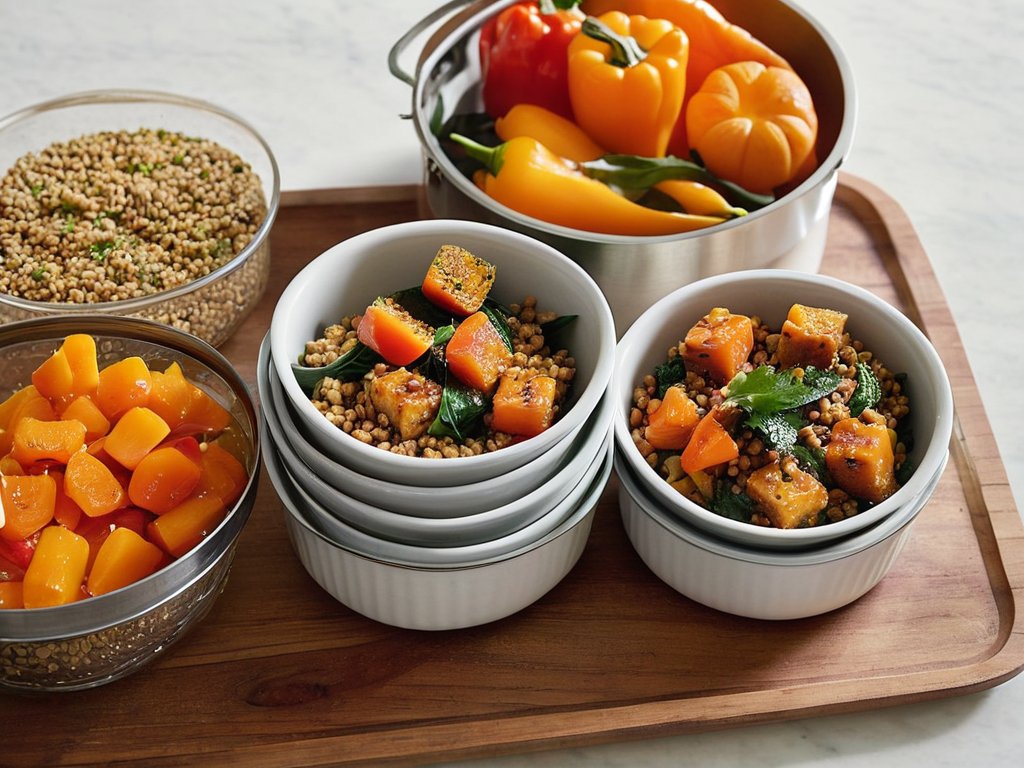
I’ve learned that the most rewarding way to keep my meals exciting is to lean into the protein traditions I encountered on the road—from the chickpea‑laden dal of Punjab to the miso‑marinated tempeh stalls of Osaka. By batch cooking protein sources at the start of the week, I can pair them with whatever seasonal vegetable meal prep recipes my local market offers—think crisp Swiss chard in autumn or bright zucchini in summer. A quick trick is to pre‑portion the cooked grains and legumes in portion control tips for meal prep sized containers; it curbs cravings and makes the daily assembly feel like a miniature cultural tasting menu.
When sustainability slips into the kitchen, I reach for low‑impact tools: low‑calorie meal prep containers made from recycled glass, which keep food fresh without adding plastic waste. For a sweet, energising start, I keep a jar of overnight oats for weight loss ready—mix oats, almond milk, a pinch of cardamom, and frozen berries, then let it sit overnight. A meal prep grocery shopping list, focused on bulk legumes, frozen herbs, and locally sourced produce, turns budget‑friendly ideas into a lasting habit.
Batch Cooking Protein Sources for Diverse Palates
When I’m planning a week’s worth of meals, I start by looking at the globe on my desk and asking, “Which continent is craving a voice on my plate today?” A single batch of marinated tempeh, seasoned with Ethiopian berbere and a splash of lime, can be cubed into salads, tossed with quinoa, or folded into a quick stir‑fry. On the other side of the world, I simmer a pot of chick‑pulses infused with Indian mustard seeds and a whisper of smoked paprika; the resulting protein‑rich broth becomes a base for both a comforting dal and a chilled lentil‑salad for lunch. For those who prefer animal protein, I roast a tray of responsibly sourced line‑caught sardines with Moroccan ras el hanout, then portion them for Mediterranean grain bowls. By cooking these proteins in bulk, I not only honor diverse palates but also cut down on energy use and food waste, turning each meal into a miniature cultural exchange.
Seasonal Vegetable Meal Prep Recipes That Unite Cultures
I’m always reminded that a single market‑garden carrot can travel from a spring field in England to a street stall in Oaxaca, and in the kitchen it becomes a bridge. When I harvest the first zucchini of the season, I slice it into ribbons, toss it with toasted cumin, lime zest, and a dash of Japanese miso, then freeze the mix in portioned bags. Later, a quick sauté brings together the sweet earthiness of British peas, the bright heat of South‑Indian mustard greens, and the umami depth of Korean kimchi‑infused broth. By anchoring each recipe to what’s at its peak, I reduce waste, honor local farmers, and give my meals a story that spans continents—proof that sustainable prep isn’t just about efficiency, it’s about weaving cultures together, one seasonal bite at a time.
Five Game‑Changing Tips for Nutritious Meal Prep

- Plan your weekly menu around a single global theme—think “Mediterranean‑Mongolian Fusion” or “South‑Asian Street‑Food Staples”—so every bite feels like a mini‑cultural exchange while keeping nutrition in focus.
- Choose whole‑food protein anchors (legumes, lentils, tofu, fish, or free‑range poultry) and batch‑cook them in bulk; they store well, cut prep time, and let you swap flavors with different sauces or spices each day.
- Load your containers with a rainbow of seasonal vegetables—buy locally when you can—to maximize micronutrients, support sustainable agriculture, and keep the plates visually inviting.
- Invest in airtight, portion‑sized containers (glass jars, BPA‑free bins, silicone bags) and label each with the date and main ingredients; this prevents waste, ensures food safety, and makes grab‑and‑go effortless.
- Reserve a “flavor‑boost” slot each day: a pinch of smoked paprika, a splash of tamarind, or a drizzle of fermented chili oil. Small, globally inspired accents transform the same base meals into fresh experiences and keep cravings at bay.
Key Takeaways
Plan ahead with versatile protein bases—think lentils, chickpeas, tofu, or sustainably sourced fish—so you can quickly remix dishes across cuisines throughout the week.
Embrace seasonal vegetables from your local market; they not only lower your carbon footprint but also let you weave together flavors from different regions in one cohesive meal plan.
Batch‑cook in bulk, portion into reusable containers, and store with a mix of herbs, spices, and sauces that reflect the cultures you love—making every reheated bite feel like a fresh, global discovery.
A Global Kitchen Mantra
Healthy meal prep isn’t just about calories and convenience; it’s a portable passport that lets us taste the world, honor seasonal cycles, and feed our bodies with the same curiosity we bring to every border we cross.
Alexandra Thompson
Wrapping Up: Your Global Kitchen Journey
Looking back on the journey we’ve taken through this guide, I’m reminded how healthy meal prep is more than a kitchen routine; it’s a roadmap that blends nutrition, efficiency, and cultural curiosity. We unpacked a step‑by‑step framework, from planning shopping lists to mastering storage, then dove into batch‑cooking protein sources that honor diverse palates—from lentils of South Asia to smoked tempeh of Indonesia. The seasonal vegetable recipes showed how the rhythm of the earth can unite flavors from Mexico to Morocco, while sustainable practices—like minimizing waste and choosing local produce—kept our plates kind to the planet. Together, these pieces form a nutrient‑rich foundation anyone can build upon.
Now I invite you to see each prep session as a passport stamp on your own culinary map. When you portion quinoa with Ethiopian berbere or fold Thai basil into a chickpea salad, you’re not just feeding a body—you’re threading stories across continents and time zones. Let the rhythm of chopping, the scent of simmering broth, and the hum of the fridge remind you that consistency in the kitchen mirrors the dialogue we need in our global community. Keep that vintage globe on your shelf, and let it inspire you to experiment, share, and celebrate the countless ways food can bridge gaps. May your next week of healthy meal prep feel like a small, delicious act of diplomacy.
Frequently Asked Questions
How can I adapt meal‑prep portions for a fluctuating work schedule that spans different time zones?
I treat my meals like a passport, adjusting each portion to the hours I’ll actually be awake. I start by calculating my daily calories, then divide them into three flexible blocks: a hearty breakfast‑protein, a mid‑day “bridge” of carbs and veg, and a lighter evening plate. Keep two ready‑to‑heat containers—one for a quick bite when a meeting runs late, another for a pre‑flight snack. Label each box with the intended time zone, then swap as needed.
What are affordable, shelf‑stable protein options that still honor diverse cultural flavors?
I often reach for pantry staples that travel well across borders. Canned chick‑peas, spiced with cumin and coriander, echo Middle‑Eastern mezze; lentil‑and‑rice packets seasoned with berbere bring Ethiopian warmth. Sun‑dried soy‑chunks, rehydrated with soy‑sauce and ginger, echo East Asian umami. Textured vegetable protein, flavored with smoked paprika, nods to Spanish tapas. Finally, tuna tins tossed with harissa or lime‑coconut drizzle let me honor North African or Southeast Asian vibes without leaving the cupboard.
How do I minimize food waste while still keeping a variety of seasonal vegetables on hand?
I keep a small notebook—half grocery list, half memory of the markets I’ve roamed—where I jot the vegetables at their seasonal peak. I buy only what I’ll use in a week, then freeze any surplus in portion‑size bags, labeling each with a quick recipe idea. Stems, leaves and peels become broth or stir‑fry bases, and leftovers transform into soups or pickled relishes. Planning meals around versatile staples—carrots, kale, squash—lets me keep variety alive while waste fades.