Do you ever feel that the moment you sit down to manage your stress, the very act of trying to control it only tightens the knot? I learned this paradox not in a quiet office, but on a sweltering night in Dharamshala, where a sudden thunderstorm forced a group of diplomats and local activists into a cramped tea house, and the only thing louder than the rain was the collective breathlessness of everyone trying to keep composure. In that cramped space, I realized that the most effective stress management isn’t about suppressing the surge, but about inviting it to speak.
In the pages that follow I’ll walk you through three no‑fluff tools that helped me keep my diplomatic nerves steady on a UN briefing and calm my mind while navigating Marrakech’s souks. You’ll learn a micro‑pause technique that fits between a passport stamp and a flight gate, a simple journaling habit that turns anxiety into data, and a culturally‑rooted breathing practice any traveler can adopt. By the end, you’ll have a pocket‑sized stress‑management kit that feels less like a checklist and more like a trusted companion on every journey.
Table of Contents
- Project Overview
- Step-by-Step Instructions
- Global Perspectives on Stress Management Stories and Strategies
- Holistic Approaches to Stress Management From Herbs to Harmony
- Workplace Stress Coping Strategies Global Voices Share Solutions
- Five Practical Tips to Tame the Daily Tide
- Key Takeaways
- Stress as a Compass
- Conclusion
- Frequently Asked Questions
Project Overview

Total Time: 1 hour to 2 weeks (initial setup 30 minutes, ongoing practice 10‑30 minutes per day)
Estimated Cost: $15 – $60
Difficulty Level: Easy
Tools Required
- Smartphone or Tablet ((for meditation apps, timers, and music))
- Journal or Notebook ((for daily reflection and gratitude entries))
- Yoga Mat ((optional, for stretching or yoga exercises))
Supplies & Materials
- Guided Meditation Audio or App Subscription (Free options available; premium versions $5‑$15 per month)
- Essential Oil (e.g., lavender or peppermint) (A few drops in a diffuser or on a cotton ball)
- Stress Ball or Hand Grip (Inexpensive tool for quick tension release)
Step-by-Step Instructions
- 1. I start by mapping my stress hotspots—a quick notebook or a notes app where I jot down the moments, people, or tasks that tighten my chest. Over a week I look for patterns, noting the time of day, the environment, and even the aroma that surrounds me; this simple audit turns vague anxiety into concrete data I can work with.
- 2. Whenever the pressure builds, I give myself a 30‑second breathing pause: inhale for four counts, hold for two, exhale for six, then repeat. I place my hand on my heart or a smooth stone from my globe collection to anchor the rhythm, letting the pulse remind me that I’m still present in this moment.
- 3. I schedule a movement micro‑break at least twice daily—whether it’s a brisk walk through my city’s hidden alleyways or a five‑minute stretch in the living room. The goal isn’t a marathon but a shift in posture that releases tension and reminds my body that it can adapt, much like the nomadic routes I’ve traced on old maps.
- 4. When a stressful thought loops, I practice cultural reframing: I ask myself how a friend from a different background might view the same situation. This mental switch often uncovers fresh perspectives, turning a looming deadline into a collaborative opportunity rather than a threat.
- 5. I nurture a global support circle, reaching out to a colleague in Nairobi, a fellow traveler in Buenos Ayres, or a mentor from my diplomatic days. A brief message—“How are you navigating today?”—creates a ripple of shared resilience that softens isolation.
- 6. At the end of each week I conduct a stress audit: I review my journal entries, note which strategies felt most grounding, and adjust the next week’s plan accordingly. This habit of reflection turns stress management from a one‑off fix into a living, evolving practice.
Global Perspectives on Stress Management Stories and Strategies
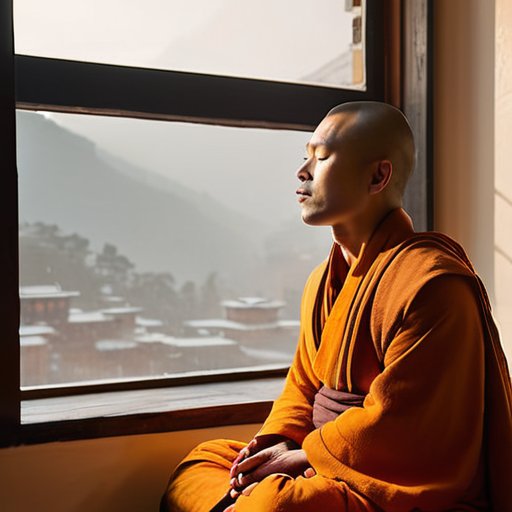
When I spent a month in a remote monastery in the Himalayas, I discovered that the locals treat tension not as a problem to be solved but as a signal to pause. Their daily mindfulness techniques for stress relief—simple chants woven into the rhythm of sunrise and sunset—invite the mind to settle before the day’s duties begin. I tried the same practice back in my flat in London, pairing it with stress reduction breathing exercises that last just sixty seconds. The result was a surprising steadiness that lingered through commuter crowds and late‑night editorial deadlines, reminding me that a breath can become a bridge between chaos and calm.
Across the corporate towers of Singapore, I met a team of designers who have turned workplace stress coping strategies into a cultural habit. Every afternoon they gather for a five‑minute “reset”—a guided stretch, a quick gratitude circle, and a shared herbal tea infused with ashwagandha, a natural supplement for anxiety control they source responsibly. Integrating these moments into a daily self‑care routine for mental wellness has not only lowered absenteeism but also sparked creative collaborations. It is a reminder that holistic approaches to stress management thrive when we honor both the body’s needs and the community’s rhythm.
Holistic Approaches to Stress Management From Herbs to Harmony
When I was sipping rooibos tea in a remote South African village, an elder explained that the plant’s red hue is more than a visual cue—it’s a reminder of the body’s own circulatory rhythm, a subtle invitation to breathe slower. Across the globe, similar threads weave through Ayurveda’s ashwagandha, the Japanese practice of forest‑bathing (shinrin‑yoku), and the Nordic tradition of alternating sauna heat with icy dips. Each of these herbs or rituals is rooted in a philosophy that stress is not merely a mental glitch but a disharmony between body, environment, and community. I’ve begun to see my vintage globes not just as decorative objects but as maps of these intersecting pathways, where a single leaf of sage can echo a Tibetan chanting circle. By honoring these holistic tools—whether a handful of lavender, a daily sunrise walk, or a communal drum circle—we invite a quieter, more resonant harmony into the hectic tempo of modern life.
Workplace Stress Coping Strategies Global Voices Share Solutions
I remember stepping into a bustling co‑working space in Nairobi, where Amina—an urban planner—paused her spreadsheet to brew chai using a battered kettle. She told me her team combats deadline pressure by instituting a “15‑minute pause” every two hours, during which everyone steps outside, stretches, and shares a quick story. The ritual, she says, rewires the nervous system and reminds us that productivity thrives on human connection.
Half a world away, in Osaka, my former diplomatic contact Hiroshi explained the power of “kin‑hō,” a brief silent breathing exercise performed before meetings. Employees close their laptops, place palms on their thighs, and inhale for four counts, exhale for six, grounding themselves before the agenda begins. Both practices, though culturally distinct, converge on one principle: intentional moments of stillness reshape the workday’s rhythm. I now take a two‑minute breath break before every interview.
Five Practical Tips to Tame the Daily Tide

- Pause for a mindful breath: set a timer for a 60‑second grounding exercise whenever tension spikes
- Create a cultural pause: spend five minutes each day reading a short story or poem from a tradition you admire
- Move like a nomad: integrate micro‑walks or stretch breaks that mimic the rhythms of the places you’ve visited
- Connect over a cup: schedule a brief, virtual coffee with a friend from another continent to share perspectives and lighten the load
- Curate a sensory sanctuary: use a scent, sound, or tactile object (like a vintage globe) that instantly transports you to a calm, familiar place
Key Takeaways
I learned that stress isn’t just a personal hurdle—it’s a cultural conversation; listening to how colleagues in Nairobi, Seoul, and São Paulo navigate pressure reveals common threads and unique solutions alike.
Integrating small, locally‑sourced practices—whether a tea ritual from Kerala, a breathing pause inspired by Inuit throat‑singing, or a micro‑walk through a community garden—can turn daily tension into a bridge between self‑care and cultural appreciation.
Sustainable stress management thrives when we share stories, adapt them to our own rhythms, and keep the dialogue open across borders; the more we exchange, the richer our collective resilience becomes.
Stress as a Compass
When we learn to sit with the tremors of anxiety—whether on a bustling Delhi street or a quiet Scottish highland—we discover that stress is not a wall but a waypoint, pointing us toward the places within ourselves that need the most gentle attention.
Alexandra Thompson
Conclusion
Looking back on the path we’ve walked together, three threads emerge as the backbone of effective stress management. First, the step‑by‑step toolkit—recognizing triggers, pausing for breath, and carving micro‑breaks—offers a practical scaffold anyone can apply, whether in a bustling Delhi office or a quiet London flat. Second, the voices from around the world reminded me that workplace stress is rarely a solo battle; sharing coping rituals—from Japan’s “ikigai” check‑ins to Brazil’s coffee‑break storytelling—creates a community safety net. Finally, the holistic chapter on herbs, movement, and sound showed that wellbeing thrives when we honor both body and spirit, weaving ancient wisdom into modern routine.
As I close this wandering conversation, I’m reminded of the vintage globes gathering dust on my shelf—each one a reminder that stress, like a weather pattern, shifts across latitude and culture, yet the human heart beats the same rhythm beneath it. Imagine a world where we treat every sigh not as a sign of weakness but as a signal to pause, connect, and co‑create solutions. By carrying these practices back to our own neighborhoods, we become ambassadors of calm, stitching together a tapestry of shared resilience that stretches from the Himalayas to the Hudson. Let us pledge to listen, to learn, and to let the quiet moments guide the next chapter of our collective story.
Frequently Asked Questions
How can I create a simple daily routine that reduces stress without feeling overwhelmed?
Each morning I set a three‑minute anchor: a gentle stretch, a sip of chai, and a quick glance at the vintage globe on my desk, reminding me that today is one small point on a vast map. I then jot down three realistic priorities, leaving room for a short walk or a brief call to a friend. In the evening, I switch off screens, light a candle, and breathe for five minutes, letting the day dissolve.
What are culturally specific stress‑relief practices that I can adapt to my own life?
In my travels I’ve gathered a handful of practices that feel portable. In Japan, the tea‑ceremony ritual of chanoyu offers slow preparation that can be recreated with any herbal blend. In Morocco, the habit of sipping mint tea while listening to a prayer creates a calming pause. The Indian tradition of sitali breathing—cooling the tongue with a cloth—works anywhere. Finally, the Nordic habit of ‘friluftsliv,’ stepping outside for a walk, reminds me that fresh air is an antidote.
How do I recognize when work‑related stress is turning into burnout and what steps should I take?
First, I pause and ask myself: am I feeling exhausted all the time? Do I dread checking email, and has my patience for colleagues evaporated? When mistakes pile up and I can’t disconnect, the warning lights are flashing. To step back, I schedule a ‘digital sunset’—no screens after sunset—for a week, then talk with my manager about workload, and finally, I reclaim micro‑breaks: a walk, a breath, a cup of tea, before rebuilding sustainable rhythms.