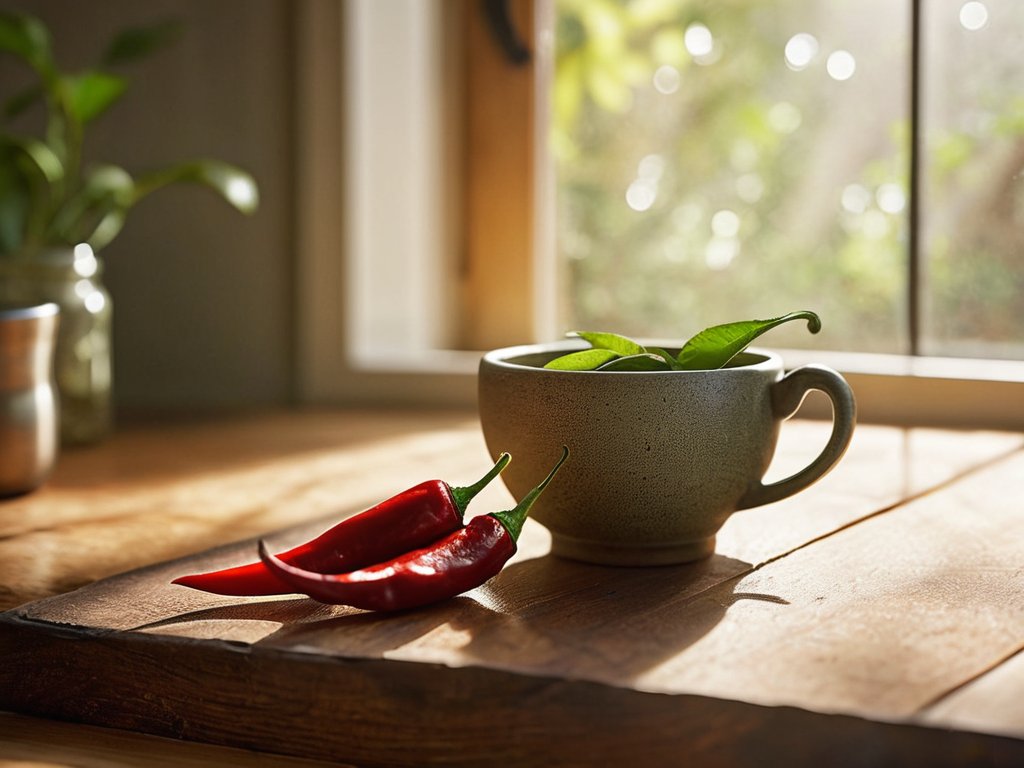
I was halfway up a narrow stone staircase in a wind‑swept monastery perched on a Tibetan plateau when the chef—an elderly monk with a laugh that echoed through the prayer hall—asked me to help crack a handful of eggs for his humble egg recipe. The air was thin, the sunrise pink, and the only kitchen tool was a repurposed prayer bowl. In that quiet moment I realized that the most memorable dishes aren’t about fancy gadgets or exotic spices, but about the simple act of sharing a warm, protein‑filled circle with strangers. Even the thin air seemed to season the broth.
That sunrise kitchen taught me that a good egg recipe is as much a diplomatic negotiation as a culinary one. In a few minutes I’ll walk you through timing that turns a simple scramble into a conversation starter, share pantry staples I’ve gathered from markets in Delhi, Nairobi, and Reykjavik, and reveal tiny cultural rituals—like a pinch of cumin in Morocco or a splash of soy in Osaka—that turn an everyday breakfast into a passport‑stamp for palate. No fluff, steps you can try tonight.
Table of Contents
Recipe Details
Ingredients
Recipe Instructions
Step 1
Gather your ingredients – two fresh eggs, a pinch of sea salt, a dash of black pepper, a splash of butter (or ghee for a South Asian twist), and, if you like, a handful of finely chopped herbs like cilantro or chives. Lay everything out on a clean countertop so you can see the colors and feel the anticipation of the dish you’re about to create.
Step 2
Warm the pan gently – place a non‑stick skillet over low to medium heat and let a thin layer of butter melt until it sizzles just enough to coat the surface. This subtle heat will coax the eggs into a silky texture without the dreaded rubbery edges.
Step 3
Crack the eggs – tap each shell against a sturdy surface, then gently split them over a small bowl. Let the golden yolks sit beside the whites, giving you a moment to admire the simple beauty of the ingredients before they meet the pan.
Step 4
Whisk lightly – using a fork or a small whisk, stir the eggs just until the whites and yolks are combined, but stop before they become frothy. This gentle mixing preserves a tender crumb that will remind diners of the soft sunrise over a distant horizon.
Step 5
Cook with care – pour the beaten eggs into the warmed pan, letting them spread naturally. As the edges begin to set, use a silicone spatula to fold the softer center toward the edges, creating delicate folds. Sprinkle the salt, pepper, and herbs at this stage so the flavors meld as the eggs finish cooking.
Step 6
Serve immediately – slide the fluffy scramble onto a warm plate, perhaps accompanied by crusty bread or a side of spiced lentils. Take a moment to breathe in the aroma; each bite is a reminder that even the humblest egg can carry stories across borders.
Egg Recipe Odyssey From Sunrise Breakfasts to Sunset Suppers
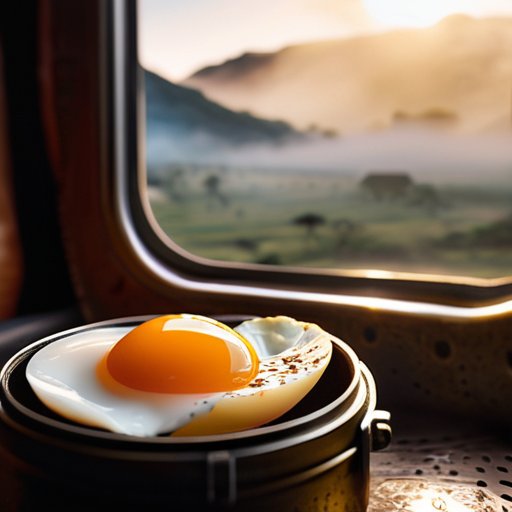
On a sunrise train to the highlands of Peru I keep a small tin of pre‑peeled eggs in my bag. A quick dip in hot water turns them into one of my favorite easy boiled egg dishes, and the trick is timing: a gentle 6‑minute whirl yields a yolk while the whites stay firm. A pinch of smoked paprika or a drizzle of tahini can instantly shift a snack into a bite, echoing how Delhi street vendors toss spices onto breakfast plates.
For evenings when the sky blushes pink, I reach for a pan and whip up a spicy egg stir‑fry. Toss the boiled halves with sliced chilies, ginger, and a splash of soy—within ten minutes you have a vibrant, plate that fits neatly into any healthy egg dinner ideas list. The beauty lies in its speed: a simple dinner recipe that feels like a celebration rather than a chore.
If you’re feeding a crowd, consider an egg bake for families: layer shredded potatoes, cheese, and herbs over a base of gently crumbled boiled eggs, then bake until golden. It’s a comforting casserole that turns leftovers into tomorrow’s lunch.
Easy Boiled Egg Dishes That Unite Family Tables
I’ve often found that the simplest boiled egg can become a quiet ambassador at the family table. In my grandmother’s kitchen in Delhi, we’d tap a hard‑boiled egg into a shallow bowl, drizzle a whisper of mustard oil, sprinkle toasted cumin, and watch the whole household gather, laughing as the yolk cracked like a sunrise. Across my London flat, a quick “egg‑and‑avocado toast”—sliced boiled eggs, a smear of ripe avocado, a pinch of sea salt—has become the ritual that pulls my partner and our friends together after a long day. Whether it’s a crisp, pepper‑spiced egg salad that travels from a train carriage in the Scottish Highlands to a picnic in the Scottish Borders, or a humble deviled egg seasoned with smoked paprika that sparks stories of my time at the United Nations, these boiled‑egg dishes remind me that nourishment is as much about shared moments as it is about flavor.
Spicy Egg Stirfry Adventures for Global Palates
I first encountered the notion of a spicy egg stir‑fry on a humid evening in Penang, where hawkers tossed beaten eggs into a wok already humming with chili paste, lemongrass, and a splash of fish sauce. The aroma—sharp, sweet, and unmistakably fiery—caught me off guard, reminding me that a simple protein can become a passport to a region’s culinary history. I watched a grandmother sprinkle fresh cilantro at the last moment, turning the dish into a fragrant bridge between generations.
Back home, I adapt that street‑side alchemy by whisking eggs with a pinch of smoked paprika, a dash of gochujang, and a handful of sliced scallions, then racing them over heated oil until the edges curl like sunrise over the Himalayas. The result is a comforting bowl that whispers stories of night markets, diaspora kitchens, and the thrill of flavor that transcends borders.
Five Egg‑Cooking Secrets Worth a Global Passport
- Master the art of gentle simmering—start with cold water and let the pot come to a rolling boil before timing your eggs for perfect soft‑boiled centers.
- Add a pinch of salt or a splash of vinegar to the water; it helps the shells peel away cleanly and keeps the whites tender.
- For a silky scramble, whisk eggs with a splash of milk or cream, then cook low‑and‑slow, stirring constantly to create cloud‑like curds.
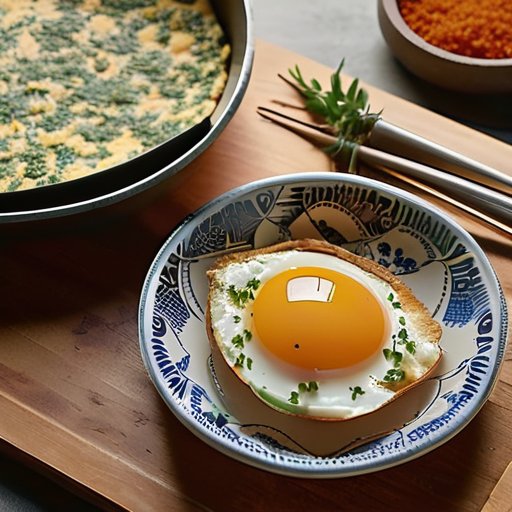
- Elevate a simple fried egg by toasting a slice of sourdough, spreading a thin layer of avocado, and sprinkling smoked paprika for a bite of world flavor.
- Preserve fresh eggs longer by storing them in their original carton in the fridge, keeping them away from strong odors that can seep through the shells.
Quick Takeaways on Egg‑Centric Cooking
Simple boiled‑egg dishes turn everyday meals into warm, family‑centered moments.
A spicy egg stir‑fry invites you to explore global spice palettes with a single, versatile ingredient.
Mastering basic egg techniques unlocks endless breakfast‑to‑dinner possibilities, proving eggs are a universal culinary bridge.
Shells of Connection
“A humble egg, cracked and stirred, becomes a canvas where borders dissolve—each bite a reminder that the simplest recipes can bridge continents and cultures.”
Alexandra Thompson
Wrapping It All Up
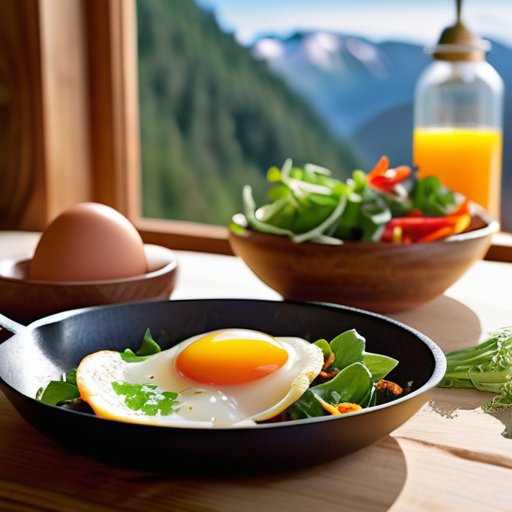
Looking back on our egg‑centric journey, we’ve seen how a simple shell can become a breakfast‑to‑dinner bridge, a comforting boiled‑egg salad that gathers grandparents around the kitchen table, and a fiery stir‑fry that carries the aromas of street markets from Seoul to Lagos. By swapping a pinch of smoked paprika for a dash of garam masala, we discovered that the humble egg is a versatile canvas for both tradition and invention. Whether you’re whipping up a quick snack during a sunrise hike or planning a communal brunch after a day of trekking, the techniques we explored prove that eggs can adapt to any palate while still honoring the shared rituals of sharing food.
As we close this culinary chapter, I invite you to see each egg as a tiny passport, stamped with the flavors of the world you choose to explore. The next time you crack an egg into a sizzling pan, imagine the caravan of spices that have traveled across continents to meet it, and let that curiosity guide your own kitchen experiments. Bring a neighbor, a traveler, or a child to the table and watch how a simple omelet can spark stories about sunrise markets in Marrakech or midnight street stalls in Osaka. In the end, it’s not just about the perfect yolk—it’s about the connections we forge when we share them.
Frequently Asked Questions
How can I adapt the boiled‑egg dishes for a vegan‑friendly gathering without compromising the comforting flavor?
I’ve found that a block of firm tofu, pressed and sliced, can stand in for a boiled egg when you soak it briefly in soy sauce, add a pinch of smoked paprika and a whisper of nutritional yeast. For that comforting “egg‑y” texture, try a chickpea‑based “egg” salad, mashing the beans with turmeric, mustard, and a splash of olive oil, then topping with sliced pickles and fresh herbs. The result feels just as warm and communal as the original.
What are some pantry staples I should keep on hand to whip up the spicy egg stir‑fry on a whim, even when traveling?
I keep a compact “stir‑fry kit” in every suitcase. A small bottle of soy sauce, a jar of chili‑garlic paste or Sriracha, dried red‑pepper flakes, a tin of minced garlic, a ginger‑root patch, a travel‑size sesame‑oil vial, a bag of quick‑cook rice or noodles, a handful of dried scallions, and a pinch of smoked paprika. Toss these together with fresh eggs and you’ve got a passport‑ready, spicy stir‑fry anytime, and anywhere you roam today too.
Can I safely store leftover egg preparations for next‑day meals, and what reheating tips preserve texture and taste?
Yes, you can safely keep cooked eggs in the fridge for up to 24 hours, but treat them like any other perishable protein: cool them quickly, store in an airtight container, and keep the temperature below 40°F (4°C). When reheating, gently warm them—microwave on 50 % power for 30‑45 seconds, or steam them for a minute—to avoid rubbery whites. A splash of broth or a drizzle of olive oil can revive flavor without sacrificing that silky texture you love.