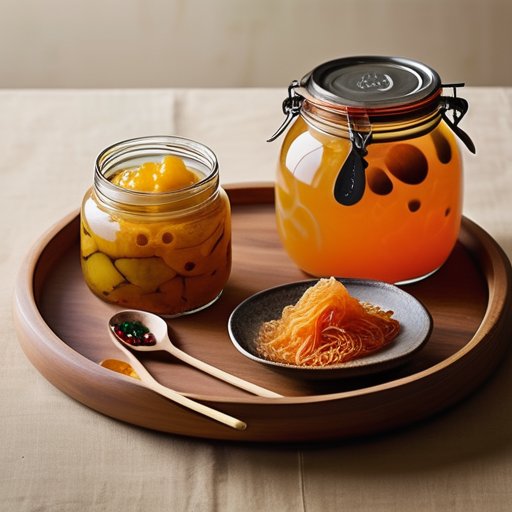
I was standing in a cramped kitchen on the edge of a bustling night market in Chiang Mai, watching a local family coax a bubbling jar of kimchi into life while the scent of garlic and chilies swirled through the humid air. For years I’d heard the myth that fermented foods are only for science‑lab geeks, that you need fancy equipment and sterile conditions to get a safe, tasty result. The truth? All you really need is a bit of patience, a clean jar, and respect for the centuries‑old rituals that give rise to traditional fermented foods like sauerkraut, miso, and kefir. I learned that the real magic lies not in high‑tech gadgets but in listening to the subtle fizz of a living culture.
In the next few minutes I’ll walk you through a roadmap: how to choose the right salt, why a glass jar can be your ally, the exact timing that turns cabbage into sauerkraut without a lab coat, and quick‑fix tricks seasoned home‑fermenters swear by when a batch misbehaves. By the end, you’ll be ready to start your living pantry and share stories these jars carry.
Table of Contents
- Project Overview
- Step-by-Step Instructions
- Traditional Fermented Foods Stories That Link Cultures and Health
- Ancient Fermentation Methods Around the World Unveiled
- Probiotic Benefits of Fermented Vegetables for Global Wellness
- Five Savvy Secrets for Fermenting Tradition‑Rich Delights
- Core Takeaways from Our Fermentation Journey
- Fermentation – A Global Thread
- Wrapping It All Up
- Frequently Asked Questions
Project Overview
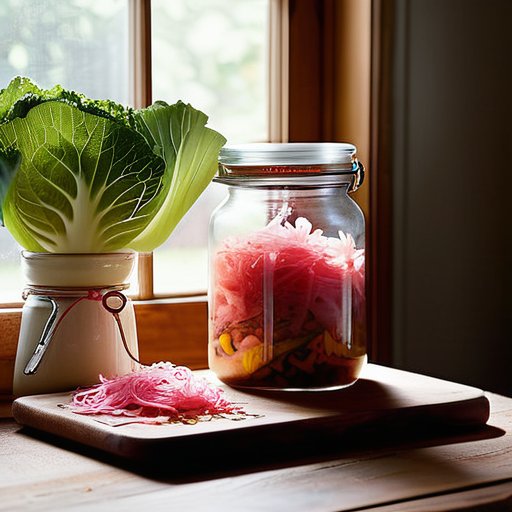
Total Time: 3‑7 days (plus 30‑60 minutes prep)
Estimated Cost: $20‑$40
Difficulty Level: Beginner
Tools Required
- Glass fermentation jar (wide‑mouth, 1‑2 L) – holds the ferment and allows visual monitoring
- Fermentation weight or clean stone (to keep veggies submerged)
- Cheesecloth or breathable lid (prevents contaminants while allowing gases to escape)
- Kitchen scale (for precise salt‑to‑water ratio)
Supplies & Materials
- Fresh cabbage (1 medium head, ~1 kg)
- Sea salt (20 g per 500 g cabbage, ~40 g total)
- Filtered water (enough to cover vegetables, ~500 ml)
- Carrot, garlic, and ginger (optional flavor enhancers, ~100 g total)
- Clean rubber band or jar ring (to secure cloth)
Step-by-Step Instructions
- 1. Start with a story‑filled pantry. I gather the raw ingredients that will become the heart of my ferment—cabbage for sauerkraut, napa cabbage for kimchi, or fresh carrots for a tangy brine. I always choose organic produce when possible, because the natural microbes on the skins are the first actors in our culinary drama. Once I’ve washed and trimmed everything, I set them aside in a clean bowl, ready for the next act.
- 2. Create the perfect salty environment. I dissolve sea‑salt in filtered water at a ratio of about 2 % (20 g per litre) to coax the friendly lactic‑acid bacteria into action. The brine should be at room temperature, neither too hot nor too cold, because temperature is the silent director of fermentation. I pour the brine over the vegetables, making sure they’re fully submerged beneath the salty surface.
- 3. Pack the mixture tightly but gently. Using a clean wooden pestle or my hands (gloved, of course), I press the vegetables down until they release their own juices, forming a natural brine that will keep them under water. I then place a fermentation weight—a clean glass jar or a weighted stone—on top, and seal the container with a breathable cloth or a fermentation‑specific lid, allowing gases to escape while keeping unwanted microbes out.
- 4. Let time work its magic. I store the sealed vessel in a cool, dark spot—usually my pantry or a kitchen cabinet—monitoring the temperature to stay between 60–70 °F (15–21 °C). Over the next 3–14 days, I check daily, listening for the gentle fizz of CO₂ and tasting for that perfect balance of sourness and crunch. Patience is key; each day adds a new layer to the flavor narrative.
- 5. Taste, adjust, and decide when it’s ready. Once the ferment reaches a tangy snap that pleases my palate, I transfer the jars to the refrigerator to slow the fermentation. Here, the flavors continue to deepen, but the process is paused, giving me a shelf‑stable, probiotic‑rich snack for weeks to come. I label each jar with the date, so future me can trace the timeline of this edible story.
- 6. Share the harvest and the story. I love gifting a small batch of my fermented vegetables to friends and neighbors, pairing each jar with a handwritten note about its origin—perhaps a nod to the Korean kimchi I learned to make in Seoul, or the German sauerkraut tradition from a family I met in Berlin. By sharing, the ferment becomes a conversation starter, connecting cultures one bubbly bite at a time.
Traditional Fermented Foods Stories That Link Cultures and Health
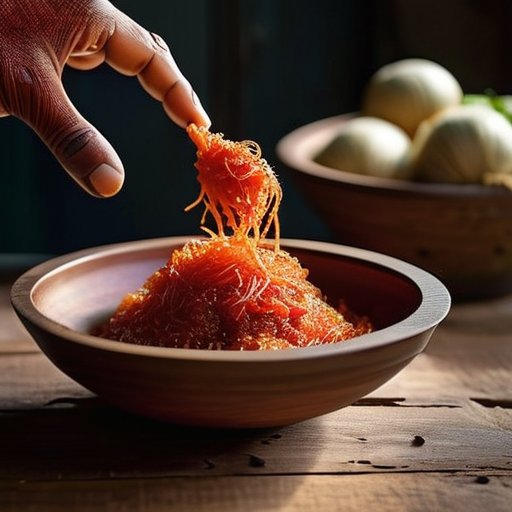
When I first tasted the briny tang of Korean kimchi beside a bowl of Ethiopian injera, I realized that ancient fermentation methods around the world are more than culinary tricks—they’re living archives. A grandmother in Oaxaca might still be coaxing wild yeasts into a masa‑based salsa, while a farmer in the Swiss Alps tends a wooden crock of sauerkraut that has been passed down for generations. Those regional fermented condiments and their uses not only season a meal but also carry the probiotic benefits of fermented vegetables that modern science now hails as gut‑friendly allies. In each bubble and fizz lies a story of community rituals, seasonal calendars, and the quiet resilience of families who learned to preserve harvests long before refrigeration.
Later, while setting up a modest kitchen lab to explore how to ferment dairy at home, I learned that safety is as essential as curiosity. Following basic fermentation safety tips and guidelines—like monitoring temperature, using clean vessels, and keeping an eye on acidity—helps prevent unwanted microbes while preserving the buttery richness of homemade kefir or yogurt. I also fell in love with traditional sourdough starter techniques, watching a simple mixture of flour and water evolve into a lively culture that leavens bread and connects bakers across continents. These practices remind me that every fizz, crumb, and spoonful is a bridge between health and heritage, inviting us to taste history responsibly.
Ancient Fermentation Methods Around the World Unveiled
On a breezy afternoon in the highlands of Ethiopia, I watched a family coax the milky liquid from fresh goat’s milk into earthen jars, sealing them with a pinch of smoked rosemary. That simple, centuries‑old “ergo” technique—no starter cultures, just the ambient microbes of the valley—produces a tangy, probiotic‑rich cheese that has nourished nomadic herders for generations. In the same breath, I recalled my time in the remote valleys of Yunnan, where locals still wrap glutinous rice in banana leaves, letting wild yeasts ferment it into a sweet, slightly fizzy delicacy called “bai jiu” that doubles as a seasonal offering to ancestors.
Back in the stone‑laden kitchens of the Basque Country, I learned that the secret to their legendary “txakoli” lies in a single, hand‑crushed grape‑skin inoculation, a practice that predates modern enology by millennia. Each of these ancient rites—whether a Tibetan barley mash left to sit in a sun‑warmed yak‑skin bag or a Korean kimchi jar buried beneath a thatched roof—reminds me that fermentation is less about the lab and more about the stories we seal inside every bubbling vessel.
Probiotic Benefits of Fermented Vegetables for Global Wellness
Whenever I slip a handful of briny kimchi into my lunchbox on a rainy Seoul afternoon, I’m reminded that that humble cabbage leaf hosts a bustling army of lactobacilli. Those friendly microbes not only aid digestion but also train the immune system, synthesize vitamins B12 and K2, and signal the brain through the gut‑brain axis, easing the stress that follows a long diplomatic briefing. In Ethiopia’s highlands, I watched women coax wild greens into a tangy, probiotic‑rich relish that bolsters community health.
What’s remarkable is that the same probiotic principle appears in a German sauerkraut jar, a Moroccan pepper taktouka, or an Indian carrot achar. Regularly feeding these living foods nurtures a diverse microbiome, supporting metabolic balance, reducing inflammation, and even lifting mood. In this simple act, a spoonful of fermented veg becomes a quiet, tasty contribution to global wellness for all.
Five Savvy Secrets for Fermenting Tradition‑Rich Delights
- Start with clean, local produce—freshness is the foundation of authentic flavor.
- Honor the native starter cultures; a pinch of mother‑culture can bridge centuries of taste.
- Keep temperature steady (ideally 65‑75°F) to let wild microbes work their magic without spoilage.
- Trust your senses—visual bubbles, subtle aromas, and a gentle tang signal a successful ferment.
- Document each batch in a journal; noting time, temperature, and flavor notes turns every jar into a cultural story.
Core Takeaways from Our Fermentation Journey
Fermentation is a cultural bridge—each bubble and fizz tells a story of community, tradition, and shared heritage across continents.
The probiotic power of fermented vegetables isn’t just a health fad; it’s a time‑tested ally for gut resilience and overall wellness.
Embracing these ancient techniques today invites us to savor history, nourish our bodies, and celebrate the interconnectedness of global kitchens.
Fermentation – A Global Thread
“In every bubbling jar I encounter, there’s a chorus of distant kitchens—a living archive where ancient hands, regional spices, and probiotic science converge, reminding us that health is as cultural as it is biological.”
Alexandra Thompson
Wrapping It All Up
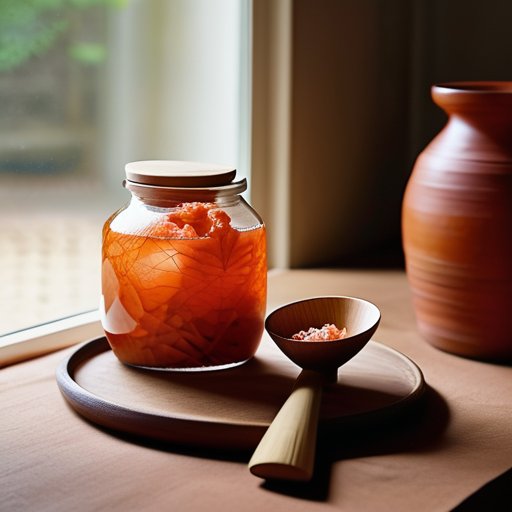
Looking back on our journey from the clay pots of the Andes to the bamboo jars of rural Korea, we’ve seen how ancient fermentation methods turn humble vegetables into living, tangy archives of history. The step‑by‑step guide reminded us that a pinch of salt, a patient lid, and a curious mind are all we need to coax out the probiotic power that supports gut health and, surprisingly, community well‑being. We also traced the way kimchi, sauerkraut, and kvass have traveled along trade routes, tying together festivals, family stories, and even diplomatic gatherings. In short, every bubble in a jar tells a larger tale of resilience and shared nourishment.
So, whether you’re unpacking a suitcase in a bustling market of Marrakech or setting a mason jar on your city‑apartment counter, remember that fermenting is an invitation to join a global conversation that has been bubbling for millennia. Each fizz, each sour note, is a passport stamped by generations of hands that dared to let nature do the work. I invite you to experiment, share your own brine stories on a blog or a dinner table, and keep the ancient tradition alive in our kitchens. Let’s let these living foods remind us that, in a world that often feels divided, a spoonful of fermented veggies can be a bridge, a reminder that we’re all part of the same flavorful world.
Frequently Asked Questions
How can I respectfully incorporate traditional fermentation techniques from different cultures into my own kitchen without appropriating their heritage?
First, I’m always digging into the stories behind each ferment—read community‑sourced recipes, watch local makers, and note the cultural context. Then I give credit where it’s due, naming the region or family tradition that inspired me. I stick to authentic techniques, using the same vessels and timings, but I adapt only what my kitchen can handle, never claiming invention. Finally, I share my results with humility, inviting dialogue and offering to support the original custodians.
What are the most common misconceptions about the health benefits of fermented vegetables, and how do scientific findings support or challenge these beliefs?
I’ve heard three myths pop up whenever I chat about kimchi, sauerkraut, or pickles: that they’re miracle gut‑healers, that “more is always better,” and that the probiotic punch stays intact forever. Science confirms they do boost microbial diversity, but the strains are strain‑specific, and excess salt can blunt the benefit. Research also shows many of those live cultures die during storage or cooking, so the health boost isn’t a guaranteed, endless fountain—just a tasty, modest ally in a balanced diet.
Where can I find authentic, community‑sourced starter cultures or recipes if I want to explore lesser‑known fermented foods from remote regions?
If you’re chasing the hidden ferments of a Himalayan village or a coastal Peruvian hamlet, start with community‑driven platforms like the Global Fermentation Forum on Reddit and the Seed Savers Exchange’s “World Cultures” thread, where home‑brewers share starter slips from their grandparents’ jars. I’ve also found treasure in the newsletters of the Slow Food Presidia network and UNESCO’s “Living Heritage” portals, which list local cooperatives willing to ship starter cultures directly to curious kitchens.