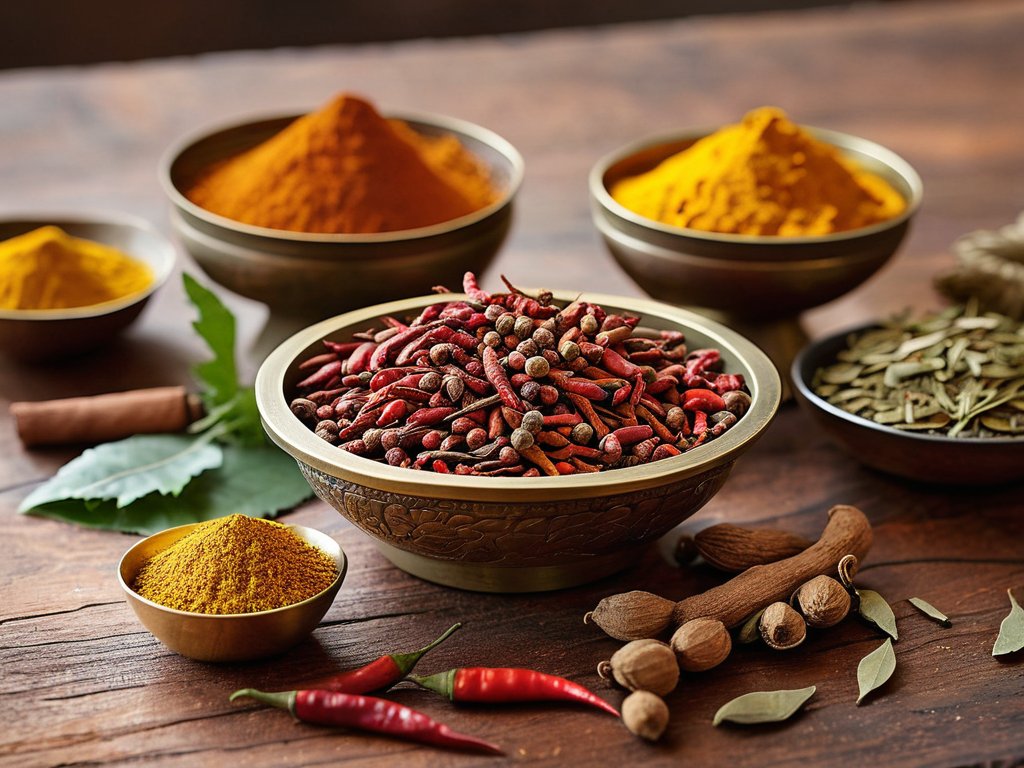
I was huddled in a cramped Delhi market stall, the air thick with the scent of toasted cumin and the sharp bite of dried red chilies, when a vendor—who’d been grinding masala with a stone mortar for generations—leaned over and whispered, ‘All the recipes you’ve read miss the rhythm of the spice.’ In that moment I realized every glossy cookbook I’d consulted was treating Indian spices like a checklist, not a conversation. That epiphany sparked my quest to create an Indian spices guide that honors the stories behind each seed, leaf, and bark, not just their culinary function.
What you’ll find in the next few pages is a no‑fluff, step‑by‑step roadmap: how to decode the five‑letter names that hide regional histories, which pairings truly amplify a curry’s depth, and the simple storage tricks that keep your turmeric vibrant for months. I’ll walk you through the essential pantry staples, demystify the art of toasting and grinding, and hand you a cheat‑sheet for building your own spice blends from scratch. By the end, you’ll be able to season with confidence, turning every dish into a dialogue across borders.
Table of Contents
- Project Overview
- Step-by-Step Instructions
- Global Citizens Indian Spices Guide Flavors Stories and Market Trends
- How to Store Indian Spices Spice Roasting Techniques and Substitution Tips
- Regional Indian Spice Blends and Their Surprising Health Benefits
- Spice Savvy: 5 Essential Tips for Navigating Indian Flavors
- Key Takeaways
- Spice Wisdom
- Spice Journey's End: Connecting Palates and Peoples
- Frequently Asked Questions
Project Overview
Total Time: 2 hours 30 minutes
Estimated Cost: $30 – $60
Difficulty Level: Easy
Tools Required
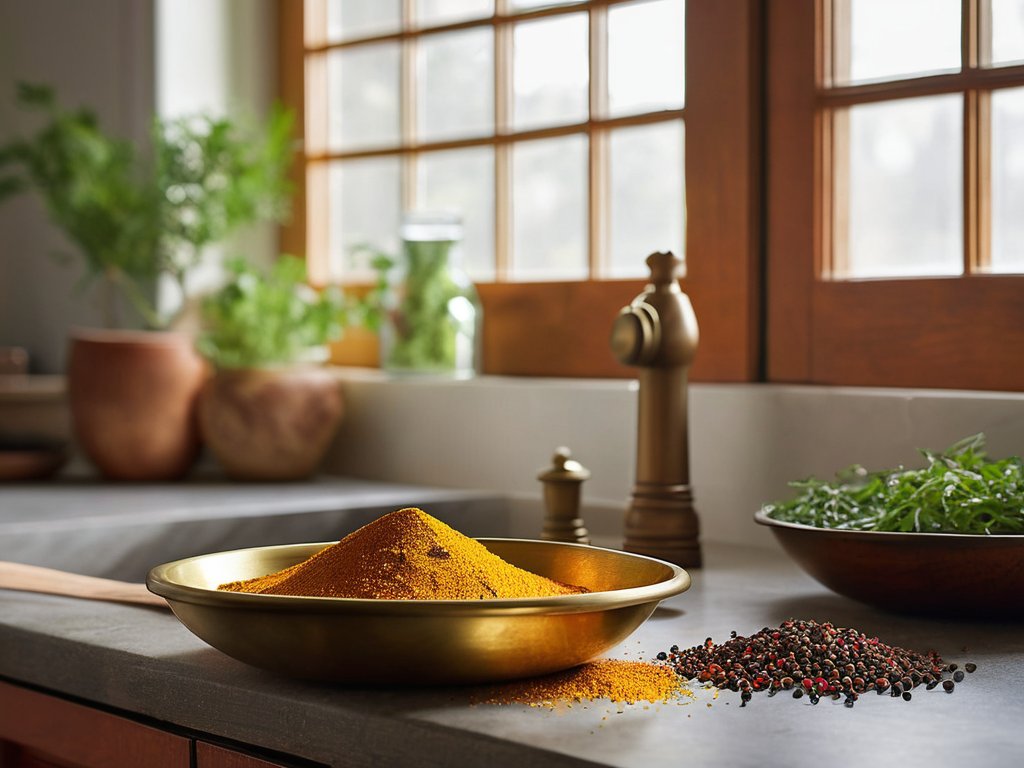
- Mortar and Pestle ((for grinding whole spices))
- Spice Grinder ((electric, optional))
- Measuring Spoons (Set of 1/4, 1/2, 1 teaspoon)
- Airtight Glass Jars (Small (4 ounce) to medium (8 ounce))
- Label Maker or Sticker Paper ((for labeling jars))
Supplies & Materials
- Cumin Seeds
- Coriander Seeds
- Turmeric Powder
- Red Chili Powder
- Mustard Seeds
- Fenugreek Seeds
- Cardamom Pods
- Cloves
- Cinnamon Sticks
- Bay Leaves
- Dried Curry Leaves
- Garam Masala Blend (Optional pre-made blend)
Step-by-Step Instructions
- 1. First, I take inventory of the spices already lining my pantry shelves—cumin seeds, coriander, fennel, mustard, fenugreek, and the vibrant turmeric. I pull out a notebook, jot down the dates I bought each jar, and note any that are missing. If anything feels stale, I make a quick call to the local spice market or search for a reputable online source, ensuring I’m starting with fresh, high‑quality ingredients.
- 2. Next, I toast the whole spices over low heat in a dry skillet, listening for that subtle pop and watching the aromas lift. I keep the pan moving, shaking it gently every few seconds, until the seeds turn a deeper amber and release a fragrant perfume. This step unlocks hidden flavor layers; I then set them aside to cool on a paper towel, resisting the urge to rush the process.
- 3. Once cooled, I grind the spices using a traditional mortar and pestle, feeling the rhythm of the pestle against the stone. I work in small batches, first crushing the larger seeds like fennel and mustard, then adding the finer ones such as cumin and coriander. The goal is a uniform, fine powder that still retains a hint of texture—a tactile reminder of the spice’s journey.
- 4. With the freshly ground blend ready, I store it in a clean, airtight glass jar, preferably one with a dark amber hue to shield the pigments from light. I label the lid with the blend name and the date, then tuck the jar into a cool, dark cupboard. Proper storage preserves the potency of the spices for months, keeping the flavors vibrant for future dishes.
- 5. Now I craft a basic masala by measuring out the ground spices: 2 parts cumin, 2 parts coriander, 1 part turmeric, ½ part fenugreek, and a pinch of asafoetida for depth. I stir the mixture in a small bowl, tasting a pinch between each addition to balance heat and earthiness. This foundational blend becomes my go‑to for lentils, vegetables, and even a quick curry sauce.
- 6. Finally, I experiment with regional twists, adding a dash of smoked paprika for a Punjabi flair or a pinch of cardamom for a South‑Indian nuance. I record each variation in my spice journal, noting the proportions, the dishes I paired them with, and the sensory notes—a living map of flavor journeys that I can revisit and share with fellow food explorers.
Global Citizens Indian Spices Guide Flavors Stories and Market Trends
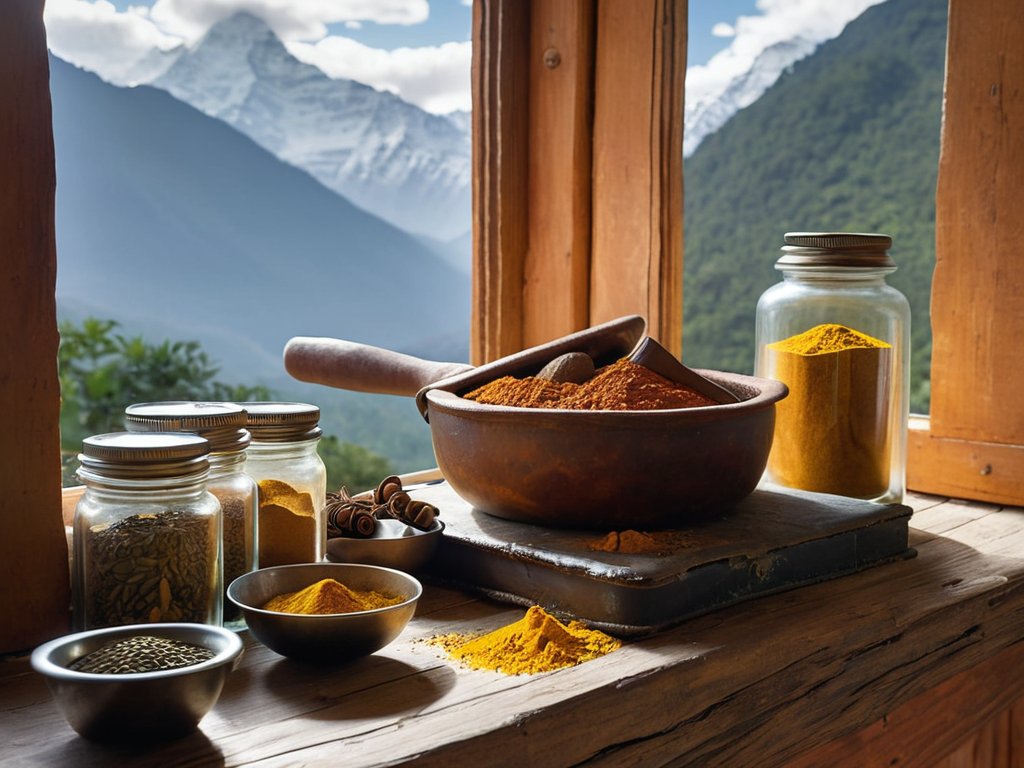
When I’m packing a suitcase for a remote research stint in the Himalayas, the first thing I check is my tiny glass jars. How to store Indian spices properly can mean the difference between a fragrant burst of cumin and a flat, stale whisper. I keep whole seeds—cardamom, mustard, coriander—in airtight tins tucked away from sunlight, then toast them lightly in a dry skillet before grinding; this spice roasting technique unlocks hidden nutty notes and preserves the antioxidants that make turmeric, ginger, and fenugreek such celebrated health benefits of Indian spices. A quick grind right before cooking not only maximizes flavor but also keeps the oils from oxidising, ensuring every curry feels like a fresh conversation between the pantry and the pan.
Later, when I’m experimenting with a coastal Kerala recipe in a modest kitchen in Delhi, I rely on my growing map of regional Indian spice blends. Knowing that a Gujarati garam masala leans on cinnamon and cloves, while a Bengali panch phoron celebrates fennel and nigella, lets me perform a thoughtful spice substitution for Indian cooking without losing authenticity. I’ve also been tracking Indian spice market trends: the surge in ethically‑sourced, organic chilies and the revival of heritage blends like Kalpasi (black stone flower). Keeping an eye on these shifts helps me recommend ingredients that are not only delicious but also support the small producers who keep these centuries‑old flavors alive.
How to Store Indian Spices Spice Roasting Techniques and Substitution Tips
I’ve learned that the longevity of a spice is as much about the story it tells as the container it lives in. My rule of thumb: airtight glass jars tucked into a cool, dark pantry—think the back of the cupboard where the sunlight never reaches—preserve the vibrancy of turmeric, cumin, and the delicate fennel seeds for months. For whole spices, a quick “roast” over low heat in a dry skillet can revive their perfume; I usually swirl the pan, letting the seeds crackle for 30‑45 seconds until they turn a shade deeper, then transfer them straight to a jar to lock in that freshly‑toasted aroma.
When a recipe calls for a spice I can’t find, I treat substitution as a dialogue between flavors. A pinch of smoked paprika can stand in for Kashmiri chilies, while a blend of equal parts coriander and ground ginger mimics the warmth of garam masala in a pinch. Just remember to adjust the quantity—Indian spices love to speak loudly, so start small and taste as you go.
Regional Indian Spice Blends and Their Surprising Health Benefits
When I stepped into a modest kitchen in Kutch, the air was thick with the earthy perfume of a dry‑roasted blend I later learned is called Goda masala. This rustic mix of coriander, cumin, cinnamon, and black pepper is more than a flavor anchor for dal; the cumin and cinnamon work together to stabilize blood sugar, while the black pepper boosts the bioavailability of curcumin from the turmeric often added at the table. In the lush hills of Kerala, a pinch of Chettinad masala—rich in fennel, mustard seeds, and curry leaves—has become my go‑to for soothing a restless stomach, thanks to fennel’s antispasmodic properties and mustard’s gentle digestive fire.
On the eastern frontier, I discovered Panch phoron, a quintet of fenugreek, cumin, mustard, fennel and nigella; each seed contributes its own antioxidant punch, and together they support cardiovascular health while keeping the palate curious.
Spice Savvy: 5 Essential Tips for Navigating Indian Flavors
- I always toast whole spices lightly in a dry pan before grinding – it unlocks hidden aromatics that transform a simple dal into a story.
- When a recipe calls for a blend, I keep a small “starter kit” of base spices (cumin, coriander, fennel, mustard seeds) and add regional tweaks, so I can improvise without losing authenticity.
- I store my spices in airtight amber glass jars away from sunlight; a pinch of rice in each jar absorbs moisture and prolongs freshness for months.
- If I’m missing a specific powdered spice, I crush the whole version and finish it with a quick grind; the flavor intensity stays true to the original blend.
- I treat each spice like a passport stamp – note the region, harvest season, and any health lore in a tiny notebook, so every pinch reminds me of the journey behind it.
Key Takeaways
Each Indian spice blend is a cultural fingerprint—understanding its regional roots reveals stories of trade, migration, and local ingenuity.
Proper storage and gentle roasting unlock deeper aromas and preserve the health‑boosting compounds that make these spices more than just flavor enhancers.
Whether you substitute or experiment, the true magic lies in respecting the spice’s original purpose while letting your own palate write the next chapter.
Spice Wisdom
A well‑curated Indian spices guide is a passport to memory—each pinch carries the echo of bustling bazaars, centuries‑old trade routes, and the quiet resilience of the hands that cultivated them, reminding us that flavor is the most intimate form of cultural dialogue.
Alexandra Thompson
Spice Journey's End: Connecting Palates and Peoples
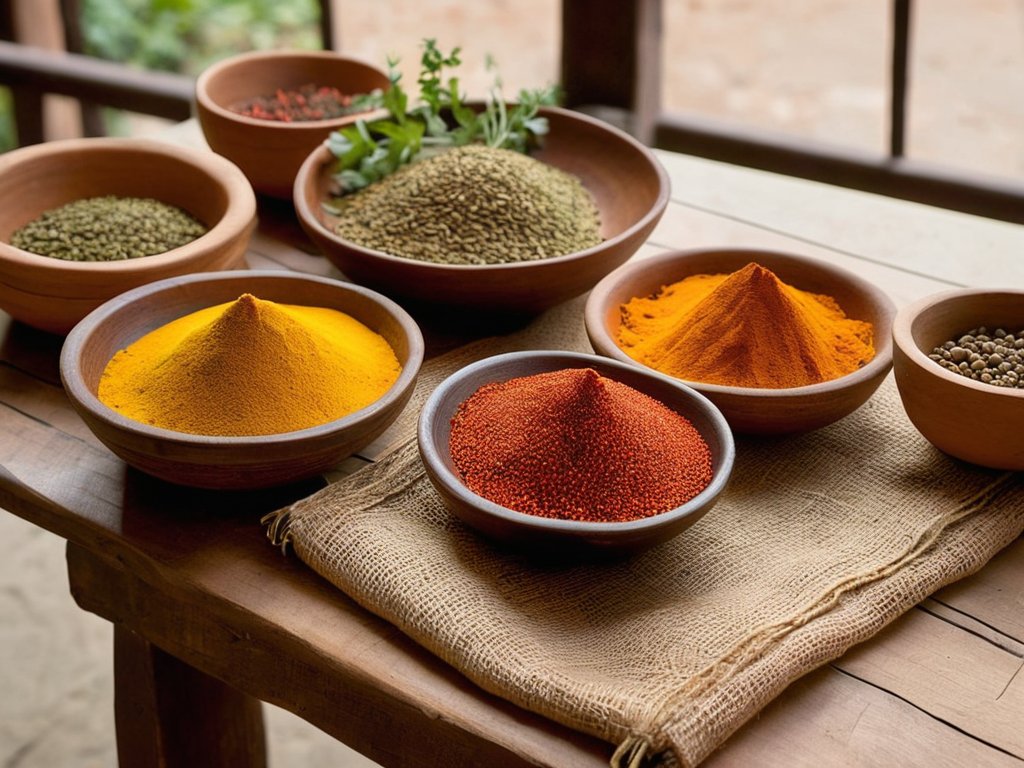
Looking back on the road I’ve traveled from the bustling bazaars of Delhi to the quiet tea gardens of Darjeeling, I see Indian spices as living archives of geography, history, and health. In this guide we unpacked the core families—cumin, coriander, turmeric, mustard, and fenugreek—before diving into regional blends like Garam Masala of the North, Chettinad pepper mix of the South, and the fragrant panch phoron of Bengal. We explored how each blend carries surprising health benefits, from anti‑inflammatory curcumin to digestion‑supporting asafoetida, and we demystified practical matters: airtight storage, gentle roasting to awaken volatile oils, and smart substitutions when a pantry falls short. Finally, we surveyed market trends, noting the rise of ethically sourced, small‑holder cooperatives that are reshaping the global spice trade.
Yet the true power of these powders lies not in their shelf‑life but in the conversations they spark across continents. When I sprinkle a pinch of cardamom into a morning chai in London, I’m recalling ancient caravan routes that once linked the Malabar coast to the Mughal courts. Each aroma invites us to step beyond the kitchen and into a story, reminding us that flavorful conversations can bridge borders as surely as any treaty. So I encourage you to experiment, to honor farmers who nurture each seed, and to let every dish become an act of diplomacy—one bite at a time.
Frequently Asked Questions
Which Indian spice blends are essential for a beginner’s pantry?
Whenever I unpack my suitcase in a new city, the first thing I reach for is a handful of Indian blends that turn ordinary meals into conversations. For a beginner’s pantry I keep garam masala – a warm, pepper‑sweet mix that works in soups, stews and roasted veggies; chaat masala for fruit, salads and street snacks; and sambar powder that brings South Indian lentil soups to life. A pinch of panch phoron adds a subtle, floral kick to any dish.
How can I adapt traditional Indian spice mixes for gluten‑free or vegan recipes?
I’ve found the easiest way to keep Indian masalas both gluten‑free and vegan is to make them from scratch. Start with whole cumin, coriander, fennel, mustard seeds, dried chilies and a pinch of asafoetida (hing) – none of these contain gluten, and hing adds that savory depth often supplied by animal‑based bouillon. Roast lightly, grind, then blend with turmeric, garam masala or curry powder. If you buy a pre‑made blend, scan the label for wheat‑starch or hidden dairy; swapping ghee for coconut or avocado oil lets the spices shine without compromising your diet.
What’s the best way to keep spices fresh in humid climates without losing their aroma?
I’ve learned in the monsoon‑soaked kitchens of Kerala that airtight jars alone aren’t enough. I line a glass container with a sheet of rice, then seal it with a copper‑clad lid; the rice mops up excess moisture while the copper repels it. Store the jars in a dark pantry or a wooden box lined with parchment, and slip a silica packet into each lid. By keeping temperature steady and avoiding sunlight, spices stay vibrant for months.