The night the monsoon drenched the rooftop of a tiny dharma centre in Kerala, I found myself clutching the edge of a weather‑worn balcony, lungs burning from the humidity, while the guide whispered a simple mantra: inhale through the nose, exhale through the mouth. In that instant, the myth that “the deeper you breathe, the quicker you’ll reach enlightenment” cracked open—what really matters is the rhythm, not the volume. That revelation sparked my lifelong curiosity about breathing techniques for meditation, and it’s the same paradox I keep encountering in bustling London cafés and remote Himalayan huts alike.
Over the next few pages I’ll strip away the jargon and give you three no‑fluff breathing techniques that work whether you’re perched on a Delhi rooftop at sunrise or squeezing a five‑minute pause into a boardroom. You’ll learn how to calibrate the inhale‑exhale ratio, when to pause, and how to anchor each breath to a sensory cue so the practice stays grounded in the present moment. By the end, you’ll have a pocket‑sized toolkit—complete with common pitfalls to dodge and a quick‑start checklist—that lets you breathe with intention, not distraction, wherever you are.
Table of Contents
- Project Overview
- Step-by-Step Instructions
- Breathing Techniques for Meditation Pranayama Paths to Global Calm
- Box Breathing Guide 4 7 8 Rhythm and Alternate Nostril Benefits
- Diaphragmatic Breathing for Meditation a Grounded Guide
- Five Breath‑Based Practices to Deepen Your Meditation
- Takeaways for Mindful Breathing
- Breath as a Bridge Between Worlds
- Conclusion
- Frequently Asked Questions
Project Overview
Total Time: 30 minutes – 1 hour
Estimated Cost: $0
Difficulty Level: Easy
Step-by-Step Instructions
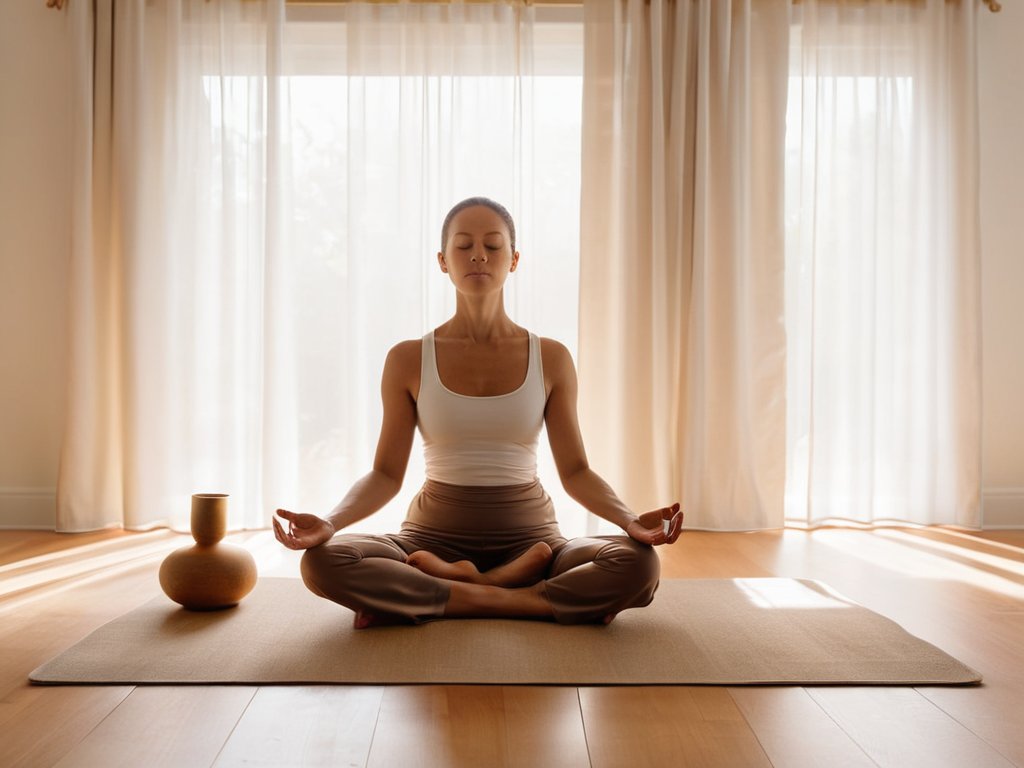
- 1. First, I find a place where the world feels a little quieter—whether it’s a corner of a bustling café in Marrakech or the shade of an ancient banyan tree in Kerala. I sit with my spine tall, shoulders relaxed, and feet firmly grounded, allowing the gravity of the earth to anchor me before I even turn my attention inward.
- 2. I bring my awareness to the breath itself, watching the rise and fall of my chest as if it were a tide. I place one hand lightly on my belly and the other on my sternum, feeling the subtle dance between inhale and exhale, and I let each breath become a gentle reminder that life is a series of cycles.
- 3. To give the mind a foothold, I begin to count each breath silently: “one” on the inhale, “two” on the exhale, and so on up to ten before returning to one. When thoughts drift—perhaps a memory of a distant market or a diplomatic negotiation—I simply note the distraction, smile, and gently guide my count back, treating the mind like a well‑traveled traveler who occasionally takes a detour.
- 4. Once the counting feels natural, I introduce box breathing: inhale for four counts, hold for four, exhale for four, and hold again for four. I picture the four sides of a vintage globe I keep on my shelf, each side representing a continent I’ve visited, and let the rhythmic square shape bring a sense of balance and steadiness to the practice.
- 5. With the breath now steady, I expand my focus to the surrounding sounds—a distant call to prayer, the rustle of leaves, the hum of a city street—allowing them to weave into the breath without pulling my attention away. This sound‑breath integration deepens the meditation, turning the environment from a distraction into a subtle accompaniment, much like a foreign language that becomes familiar with repeated listening.
- 6. I conclude by returning to gratitude, inhaling a sense of thank‑fulness for the moment, the cultures that have shaped me, and the simple act of breathing. I exhale any lingering tension, open my eyes slowly, and carry that calm forward, knowing that each breath is a bridge connecting me to every corner of the globe I’ve yet to explore.
Breathing Techniques for Meditation Pranayama Paths to Global Calm
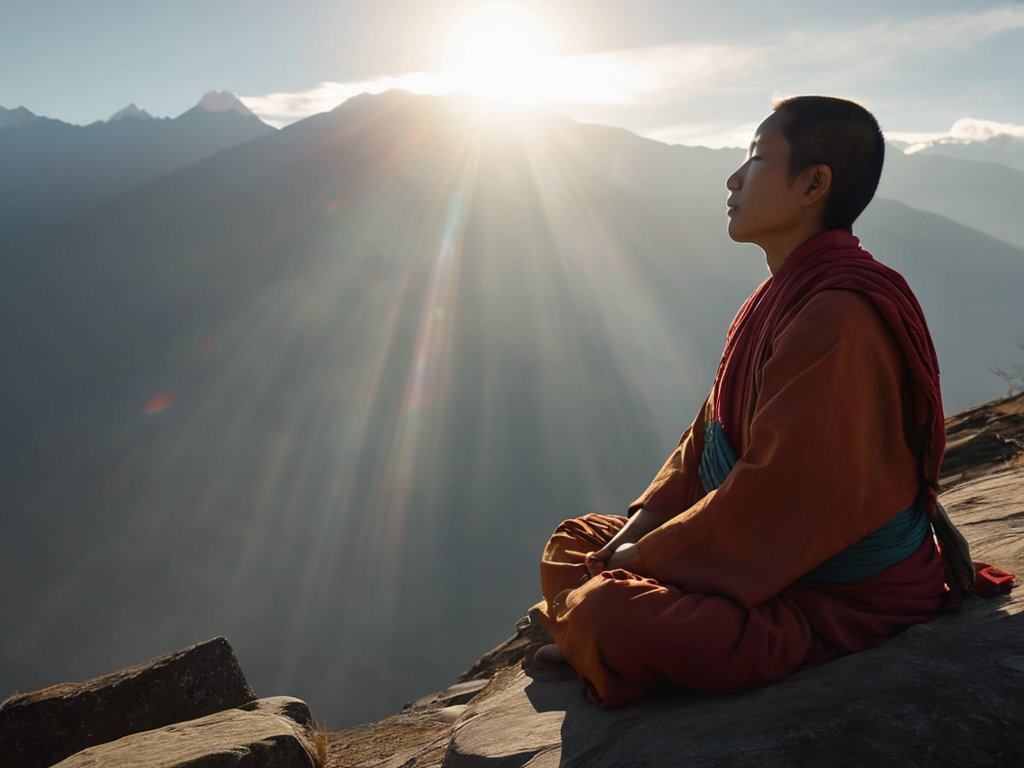
When I first sat on a sun‑warmed stone in Bhutan’s highlands, I discovered that diaphragmatic breathing for meditation feels like a quiet dialogue between my ribs and the sky. Drawing the breath deep into the belly softens the nervous system and steadies the mind enough to hear distant prayer flags. I often pair this with a box breathing method guide—inhale four counts, hold, exhale, hold—creating a mental square that any traveler can follow. Curious about the alternate nostril breathing benefits? Switch sides each cycle; the left‑right balance leaves me surprisingly centered.
On a terrace in Oaxaca, I turned to the 4-7-8 breathing technique meditation when the afternoon heat crowded my thoughts. Inhaling for four seconds, holding for seven, then exhaling for eight creates a gentle tide that pulls stress away, and I pair it with progressive muscle relaxation breathing—tensing each limb on the inhale, releasing on the exhale. If you prefer a counted rhythm, the mindful breathing count steps of three‑inhale, three‑hold, three‑exhale keep the practice grounded. When a deadline looms, I rely on pranayama breathing for focus to sharpen my attention like a compass.
Box Breathing Guide 4 7 8 Rhythm and Alternate Nostril Benefits
Whenever I’m stuck in an airport lounge or the air of a Himalayan village, I turn to box breathing – a rhythm that steadies pulse and mind. I inhale for four counts, hold for four, exhale for four, then pause for four. The symmetry feels like a compass, aligning my nervous system and quieting the chatter that fills my thoughts. After a few cycles the tension in my shoulders eases, and the world outside seems less frantic.
Another favorite is the 4‑7‑8 rhythm, a technique for the nervous system I learned from a Tibetan monk in Kathmandu. Inhale through the nose for four seconds, hold seven, then release through the mouth for eight. The exhale drops cortisol and invites sleep. I pair it with alternate‑nostril breathing – inhaling left, exhaling right, then swapping – to balance hemispheres. The result is an equilibrium, as if two sides of my inner map meet.
Diaphragmatic Breathing for Meditation a Grounded Guide
When I first sat on a floor in a lodge outside Fez, the only instruction I received was to let my belly rise and fall like the tide. I call that diaphragmatic breathing – the simplest yet most grounding of all pranayama paths. By placing one hand lightly over the ribs and the other on the chest, you give yourself a tactile map of where the breath belongs: the lower belly expands, the upper torso stays soft.
In practice, inhale through the nose for four counts, feeling the belly balloon outward, then exhale through pursed lips for six, letting the diaphragm glide back. This slow, abdominal rhythm quiets the mind and anchors you in the present—whether you’re navigating a bustling Delhi market or a quiet London park. Try it tonight and notice how the world settles into a calmer hue.
Five Breath‑Based Practices to Deepen Your Meditation
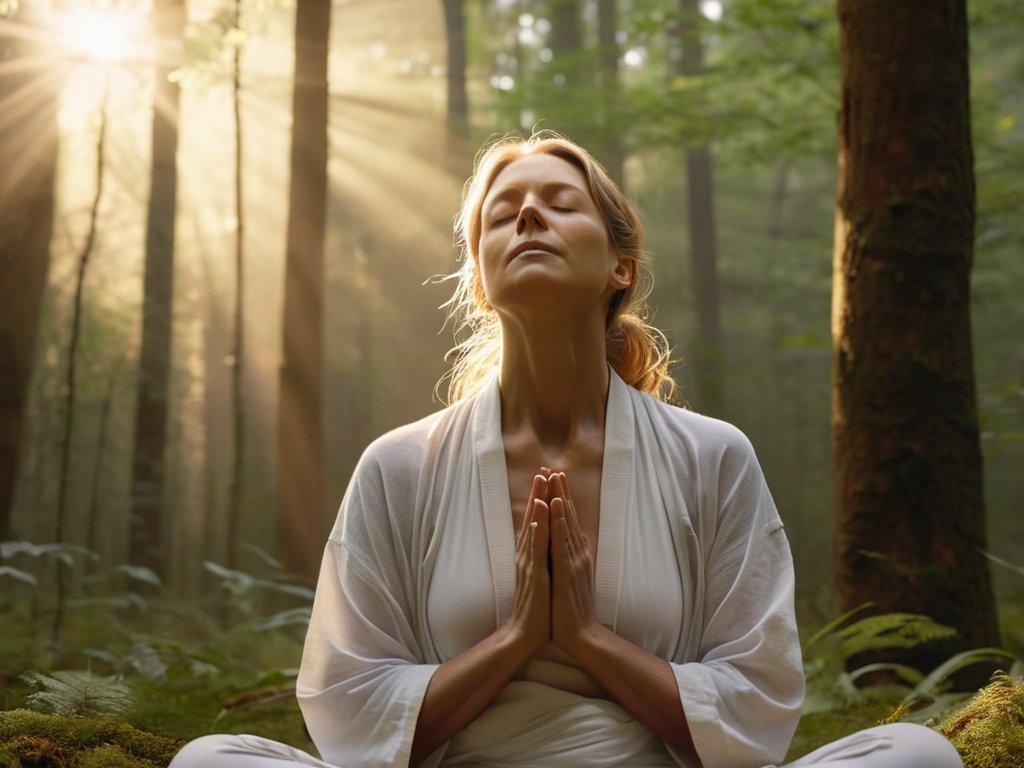
- Anchor each inhale and exhale to a subtle sensation—like the rise of a tide or the whisper of wind—so the breath becomes a bridge between body and world.
- Pair a gentle diaphragmatic breath with a soft visual cue (a spinning globe on your desk or a distant mountain) to anchor mindfulness in a cultural context.
- Experiment with a 4‑7‑8 rhythm during sunrise, letting the longer exhale mirror the fading night and invite a natural sense of release.
- When you feel tension, try alternate‑nostril breathing while recalling a conversation with someone from a different culture; the balance of left‑right mirrors the balance of perspectives.
- End each session with three slow, full breaths, silently offering gratitude for the air that connects us all—across continents, histories, and stories.
Takeaways for Mindful Breathing
Consistent diaphragmatic breathing anchors the mind, turning each inhale into a bridge between body and global awareness.
Box breathing and the 4‑7‑8 rhythm act like a universal pulse, helping you sync with different cultural tempos while easing stress.
Alternate‑nostril practice balances the hemispheres, reminding us that harmony within mirrors the balance we seek in the world.
Breath as a Bridge Between Worlds
When we breathe mindfully, we stitch together the silent threads of distant cultures—each inhale carries a story, each exhale releases a shared humanity.
Alexandra Thompson
Conclusion
Looking back on the techniques we explored, the common thread is simple yet profound: a mindful breath can anchor us wherever we are. Diaphragmatic breathing offers a grounded foundation, inviting the belly to rise and fall like the tide I once watched on the Kerala coast. Box breathing and the 4‑7‑8 rhythm give structure to the nervous system, while alternate‑nostril practice weaves together the left and right hemispheres, echoing the balance I observed in the tea ceremonies of Kyoto. Together, these methods form a portable toolkit—no matter if you’re perched on a Himalayan ridge or tucked into a bustling London flat—ready to calm, focus, and reconnect you to the present moment.
As I pocket my vintage globe and recall the murmur of prayers in a Marrakech souk, I’m reminded that breath is a quiet form of diplomacy—one that transcends language, borders, and agenda. Each inhale becomes a bridge to another culture’s rhythm, each exhale releases the weight of division, inviting shared humanity to surface. I invite you to let this practice travel with you, turning ordinary moments into micro‑retreats that echo the larger conversations we crave in a fragmented world. When the next sunrise paints the sky over a remote village or a city skyline, pause, breathe, and let that simple act remind you that we are all part of the same, ever‑expanding story.
Frequently Asked Questions
How can I choose the right breathing technique for my meditation style and experience level?
Choosing the right breath work feels like picking a companion – it should match your destination and comfort level. If you’re just beginning, start with diaphragmatic or box breathing: rhythms anchor the mind without overwhelming it. For practice, try 4‑7‑8 to deepen relaxation. If you lean toward yoga or contemplative prayer, Nadi Shodhana offers balance. Test each for a week, notice how steady or restless you feel, and let the technique that leaves you grounded become your go‑to.
What are the common pitfalls beginners face when practicing diaphragmatic or box breathing, and how can I avoid them?
I’ve seen newcomers rush into diaphragmatic or box breathing and stumble on a few traps. First, they hold their breath too long, turning a rhythm into tension; I count silently and pause only when timer whispers. Second, the belly stays rigid—letting the lower ribs do the work keeps the breath deep. Third, they chase a perfect pattern and get frustrated; I treat each cycle as an experiment, adjusting speed and posture until the flow feels natural.
Can I combine different breathing methods, like Pranayama and 4-7-8, within a single meditation session without disrupting focus?
I’ve tried it on a sunrise trek in the Atlas Mountains, and the short answer is yes—just treat each technique as a chapter in the same story. Begin with a grounding Pranayama round, let the breath settle, then gently shift into the 4‑7‑8 rhythm to deepen calm. The key is a smooth transition and a clear intention; abrupt jumps can scatter focus, but a mindful flow lets the two traditions complement each other.