I was crouched over a simmering tagine in a sun‑bleached courtyard in Marrakesh, the afternoon heat pressing against the blue tiles, when the chef—an elderly man with a silver turban—tossed a handful of fresh rosemary into the bubbling broth. The scent that rose was not the piney punch I’d been warned to use sparingly; it unfolded like a memory of cedar forests back home in the New Delhi hills, weaving the dish together in a way no cookbook could predict. That moment cracked a long‑standing myth about rosemary culinary uses: it isn’t a ‘just‑a‑sprinkle’ herb, but a bridge between flavors, seasons, and stories.
In the next minutes I’ll walk you through the three techniques that turned that tagine into a conversation starter at my table—fresh‑leaf infusions, oil‑based aromatics, and slow‑roast rubs—plus a handful of unexpected pairings from Mediterranean olives to Indian lentils. You’ll learn when to keep rosemary subtle, when to let it dominate, and how to store it so the flavor stays bright for months. By the end, you’ll have a no‑hype toolkit that lets you wield rosemary with confidence, whether you’re feeding one or a crowd.
Table of Contents
- Project Overview
- Step-by-Step Instructions
- Rosemary Culinary Uses Global Flavors That Unite Kitchens
- Meat Meets Herb Rosemary Pairings Seasoning Blends and Stories
- Preserving Freshness Store Rosemary Infuse Olive Oil Garnish Ideas
- Rosemary Revelations: Five Essential Tips for the Modern Kitchen
- Key Takeaways
- Rosemary: The Herb that Bridges Palates
- Conclusion
- Frequently Asked Questions
Project Overview
Total Time: 45 minutes
Estimated Cost: $10 – $20
Difficulty Level: Easy
Tools Required
- Chef’s Knife (Sharp)
- Cutting Board
- Small Saucepan (2-quart)
- Fine Mesh Strainer
- Airtight Glass Jars (for storage)
- Mortar and Pestle (optional)
- Measuring Spoons
Supplies & Materials
- Fresh rosemary sprigs (about 1 cup loosely packed)
- Extra-virgin olive oil (1 cup)
- Sea salt (1/2 cup)
- Unsalted butter (1/2 cup, softened)
- Lemon zest (1 teaspoon)
- Honey (optional, 1 tablespoon)
Step-by-Step Instructions
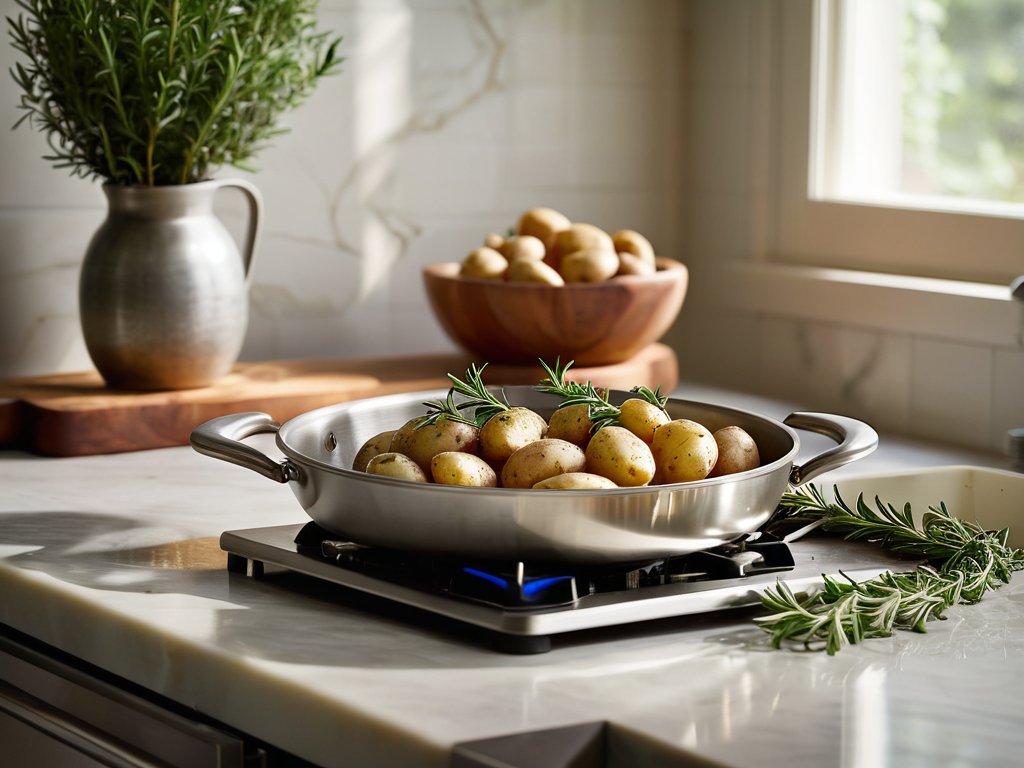
- 1. First, I gather the rosemary – fresh sprigs from the market or my own balcony garden, rinsing them gently under cool water and patting them dry. I like to strip the needles from the woody stems, keeping only the tender tops that will release the aromatic oils without turning bitter. A handful of bright green needles is all you need to start weaving flavor into a dish.
- 2. Next, I toast the needles to unlock their piney perfume. I heat a dry skillet over medium heat, toss the rosemary in, and stir constantly for about 30 seconds until the scent rises like a Mediterranean sunrise. This quick toast not only deepens the herb’s flavor but also makes it easier to crush later on.
- 3. Then, I create a fragrant base by sautéing minced garlic and finely diced shallots in olive oil, adding the toasted rosemary once the aromatics are golden. I let everything mingle for another minute, allowing the rosemary’s essence to infuse the oil – the perfect canvas for meats, vegetables, or legumes.
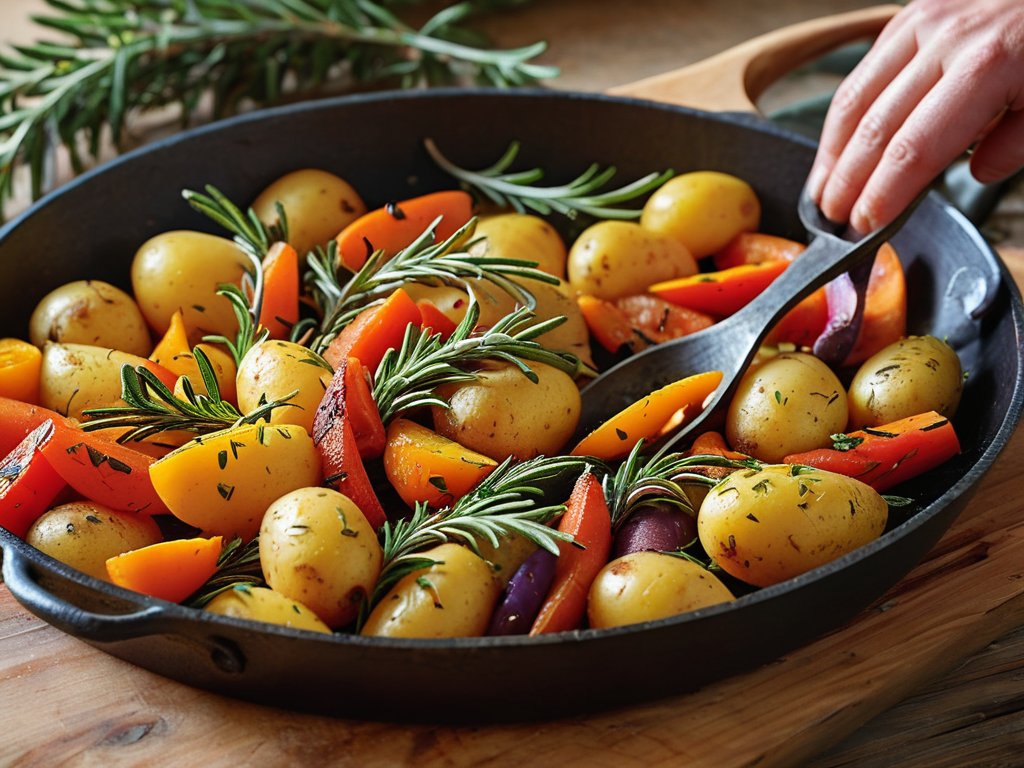
- 4. After that, I season the main ingredient. Whether it’s a slab of lamb, a bunch of roasted potatoes, or a pot of hearty bean stew, I rub the rosemary‑infused oil over the surface, sprinkling a pinch of sea salt and cracked black pepper. The herb’s resinous notes cling to the food, promising a lingering, herbaceous finish.
- 5. Now comes the slow cook – I transfer the seasoned item to a preheated oven at 180 °C (350 °F) for poultry or fish, or let it simmer gently on the stove for soups and stews. I keep the rosemary sprigs whole in the pot, letting them release their flavor gradually; I usually remove them after 20‑30 minutes to avoid overpowering the dish.
- 6. Towards the end, I finish with a bright lift by zesting a lemon over the cooked dish and drizzling a splash of extra‑virgin olive oil. The citrus cuts through the earthiness, while a final sprinkle of fresh rosemary leaves adds a pop of color and a burst of aromatic freshness.
- 7. Finally, I serve and share the dish with a story. I place a small vintage globe from my collection on the table as a reminder that rosemary’s journey began in ancient Mediterranean gardens, now traveling to our plates worldwide. A simple herb, a global connection.
Rosemary Culinary Uses Global Flavors That Unite Kitchens
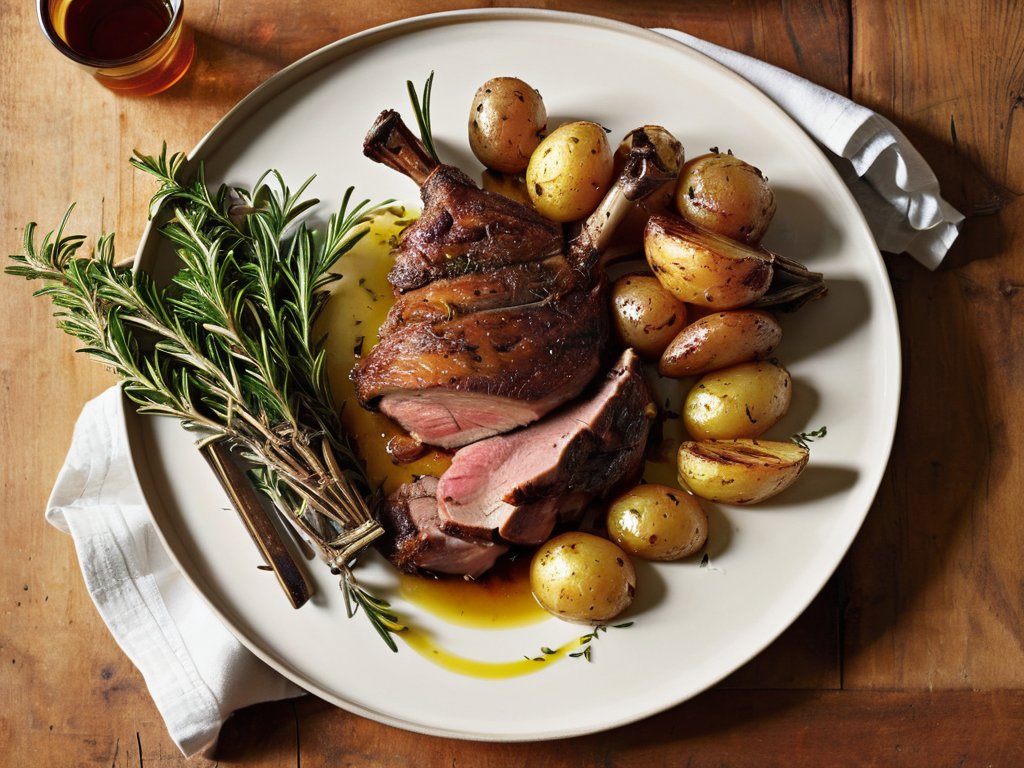
When I first brushed a handful of rosemary onto a slow‑roasted lamb in the hills of Tuscany, I was struck by its rosemary flavor profile—earthy, piney, with a whisper of citrus that seems to echo the Mediterranean wind. That same aromatic punch works wonders with beef short ribs, pork tenderloin, or even a simple grilled chicken thigh; the herb’s resinous notes cut through rich fats, creating a balance that feels both rustic and refined. A quick tip I’ve learned on the road is to finish a dish with a few rosemary garnish ideas—a sprig lightly toasted on an open flame adds a smoky aroma, while a shaved needle tossed over a bowl of roasted potatoes brightens the plate instantly.
Back home, I keep my fresh rosemary alive by treating it like a tiny traveler: trim the stems, place them in a glass of water, and cover the pot with a damp paper towel before tucking it into the fridge—this is essentially how to store fresh rosemary without losing its vigor. Once you’ve harvested a generous handful, I love to swirl the leaves into warm olive oil, letting the scent seep in for a few days; the result is a fragrant rosemary infused olive oil that transforms simple bruschetta or grilled vegetables into something that feels globally connected. For those who enjoy a ready‑made boost, mixing dried rosemary with sea salt, smoked paprika, and a pinch of lemon zest creates a versatile rosemary seasoning blend that can be dusted over everything from popcorn to pan‑seared fish.
Meat Meets Herb Rosemary Pairings Seasoning Blends and Stories
When I first met a shepherd in the hills of Castilla‑La Mancha, he offered me a slice of cordero asado, its skin crisped by a rub of rosemary, sea‑salt, and smoked paprika. The piney needle of the herb clung to the lamb’s fat, turning each bite into a fragrant reminder of the olive groves that shadowed the valley. In my kitchen, I echo that memory by whisking fresh rosemary into butter for roast chicken, letting the herb melt into the skin as the Spanish sun melts into the earth.
Back in the bustling markets of Marrakech, I learned to grind rosemary with cumin, coriander, and preserved lemon into a paste that coats goat. That blend—equal parts fire and forest—travels with me in a jar, ready to revive pork tenderloin or mushroom stew whenever I feel the pull of campfires.
Preserving Freshness Store Rosemary Infuse Olive Oil Garnish Ideas
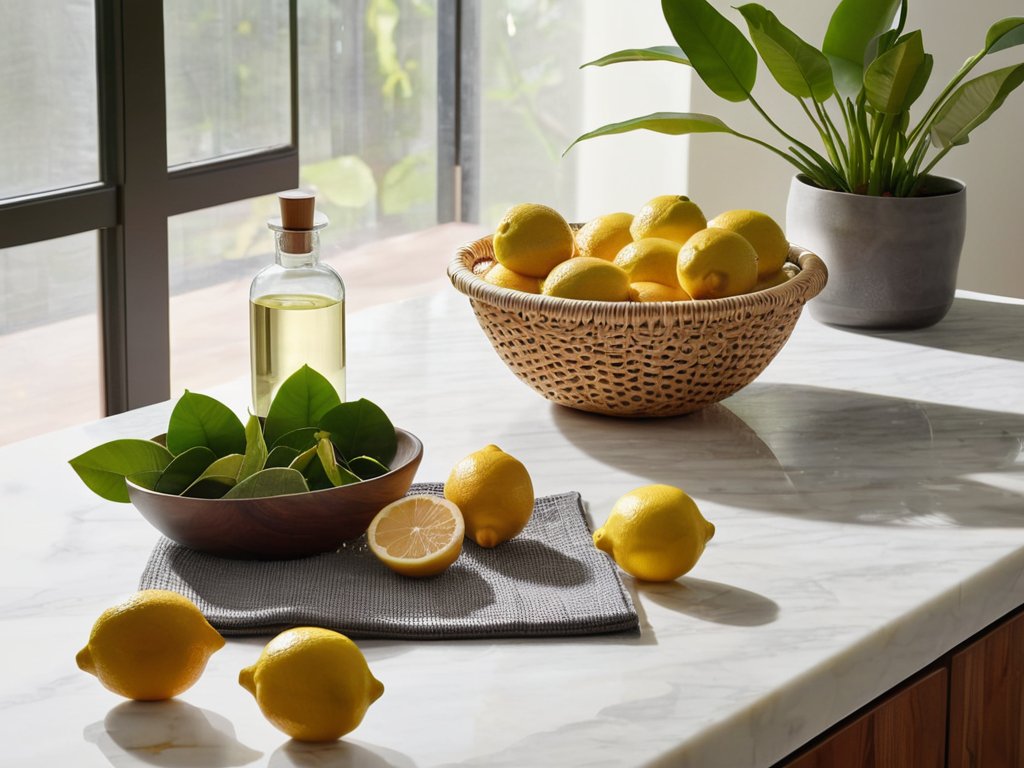
I’ve found that the secret to keeping rosemary bright and aromatic lies in treating it like a traveler with a passport—give it a little moisture and a cool, dark lounge. I rinse the sprigs, pat them dry, then wrap them loosely in a damp paper towel before slipping them into a zip‑lock bag in the fridge; they’ll stay lively for up to two weeks. For a longer stay, I strip the needles, layer them in a glass jar, and cover with extra‑virgin olive oil, letting the herb infuse for a week. The oil turns a verdant green, perfect for drizzling over grilled halloumi in Crete or whisking into a vinaigrette for a Moroccan carrot salad. When I’m plating, I use a few fresh needles as a fragrant garnish—think roasted lamb chops in Patagonia or a simple lemon‑rosemary focaccia in Tuscany—adding a burst of piney perfume that ties the dish back to its roots.
Rosemary Revelations: Five Essential Tips for the Modern Kitchen
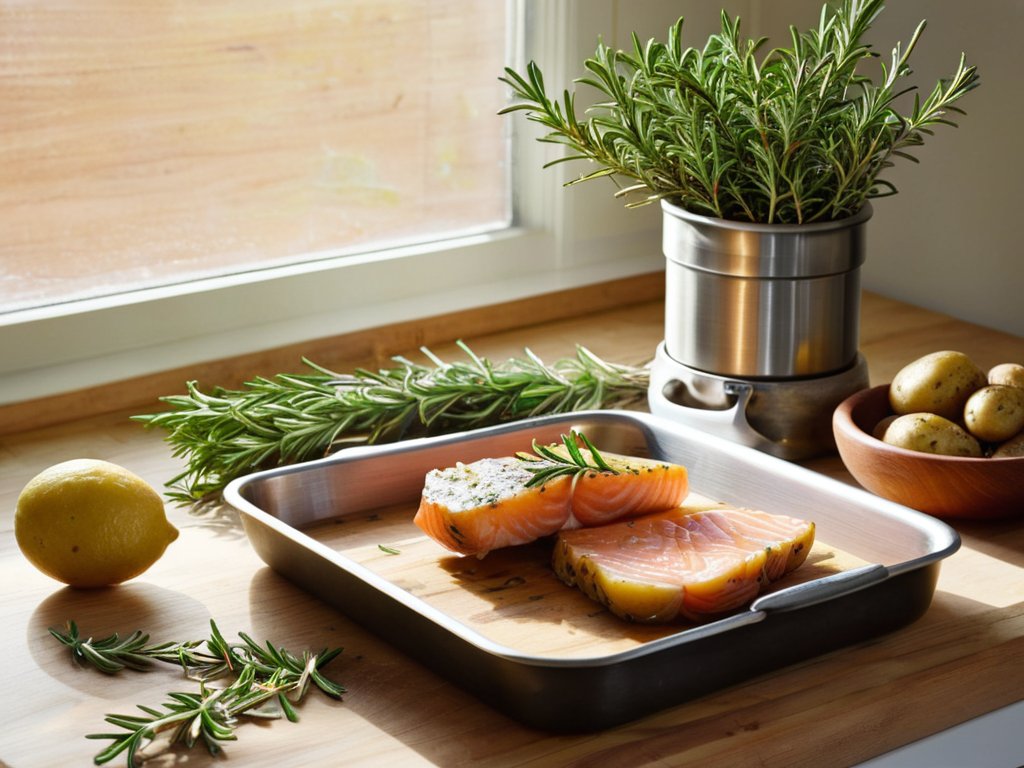
- Toast the needles lightly before grinding to unlock deeper, pine‑sweet aromatics that cling to roasted vegetables and meats alike.
- Blend fresh rosemary with lemon zest and sea salt for a quick, all‑purpose finishing salt that brightens soups, grilled fish, and even avocado toast.
- When infusing oils, bruise the sprigs gently and let them steep for 24‑48 hours in a cool, dark spot; strain before use to keep the oil vibrant and prevent bitterness.
- Use rosemary as a natural flavor‑preserver: tuck a few sprigs into the cavity of whole poultry or a roast before cooking to keep the meat moist and fragrant.
- Pair rosemary with unexpected partners—think mango salsa, goat cheese, or dark chocolate—to create surprising, cross‑cultural flavor bridges that spark conversation at the table.
Key Takeaways
Rosemary’s piney, citrus‑bright notes make it a natural bridge between meat, vegetables, and grains across cuisines—from Mediterranean lamb to Indian roasted potatoes.
Fresh rosemary keeps its flavor longest when stored upright in a glass of water or wrapped in a damp paper towel, and it transforms ordinary olive oil into a versatile finishing drizzle.
Simple seasoning blends—like rosemary‑garlic‑lemon for poultry or rosemary‑smoked paprika for grilled veggies—let you infuse global stories into everyday meals with just a pinch.
Rosemary: The Herb that Bridges Palates
In every needle of rosemary lies a whisper of the Mediterranean—its pine‑bright scent turning a simple roast into a story of trade routes, family tables, and the quiet moments where cultures meet over a shared meal.
Alexandra Thompson
Conclusion
Looking back over the journey we’ve taken through rosemary’s many faces, it’s clear that this evergreen does far more than perfume a dish. Its pine‑scented needles can turn a simple roast into a story of the Mediterranean coast, while a quick rub of rosemary, garlic and lemon can echo the open‑air grills of the Australian outback. I walked you through the classic meat pairings, the bold seasoning blends that mingle with cumin or smoked paprika, and the subtle ways the herb brightens vegetables and legumes. We also covered practical tips—how to keep rosemary fresh in the fridge, how to coax its essence into extra‑virgin olive oil, and a handful of garnish ideas that finish a plate with a whisper of wilderness. In short, rosemary’s piney perfume is a passport that lets any home cook travel from the hills of Tuscany to the spice markets of Marrakech without leaving the stove.
For me, every sprig of rosemary is a reminder that food is one of the most intimate forms of diplomacy—an invitation to sit down, share stories, and discover common ground. So I challenge you to let rosemary’s green thread weave through your next dinner, whether you’re simmering a stew in Delhi or grilling lamb on a terrace in Crete. May the herb’s resilience inspire a culinary curiosity that keeps your palate wandering and your heart open.
Frequently Asked Questions
Can I substitute dried rosemary for fresh in recipes, and how does the flavor change?
I often reach for dried rosemary when I’m cooking in a cramped hostel kitchen, but I know the swap isn’t seamless. A good rule of thumb is to use one‑third the amount of dried herb—its oils are concentrated, so 1 tsp dried mimics about 1 tbsp fresh. The flavor shifts from bright, piney bursts to a deeper, almost resinous note that lingers longer in stews and roasts. If you miss the fresh snap, add a splash of rosemary‑infused oil at the end.
What are some unexpected dishes—like desserts or drinks—where rosemary can shine?
One of my favorite surprises is a rosemary‑honey ice cream—whisk the herb into a warm custard, let it steep, then swirl in golden honey for a piney, floral chill. I’ve also drizzled rosemary‑infused simple syrup over lemon shortbread, where the herb brightens buttery crumbs. In drinks, a splash of rosemary‑gin tonic or a rosemary‑lemonade fizz feels like a garden breeze. Even a dark chocolate bark dotted with rosemary needles adds a smoky kiss to dessert.
How long can infused rosemary olive oil be safely stored, and what signs indicate it’s gone bad?
I keep my rosemary‑infused olive oil in a sterilised glass bottle, tucked into the fridge or, on a cooler day, a pantry, and it stays bright and safe for about two weeks—four weeks if I’ve boiled‑blanched the rosemary first. After that, watch for a cloudy veil, a sour or rancid smell, or any specks of mold. If the oil turns yellow‑green or feels sticky, it’s time to let it go; better a fresh batch than a hidden hazard.