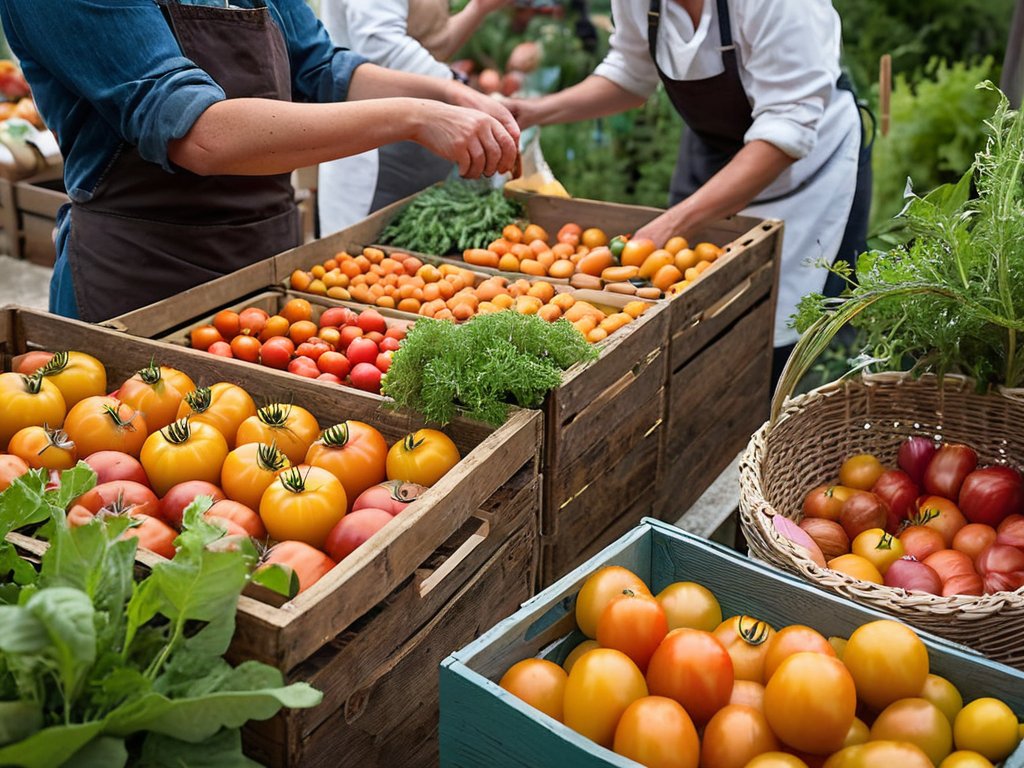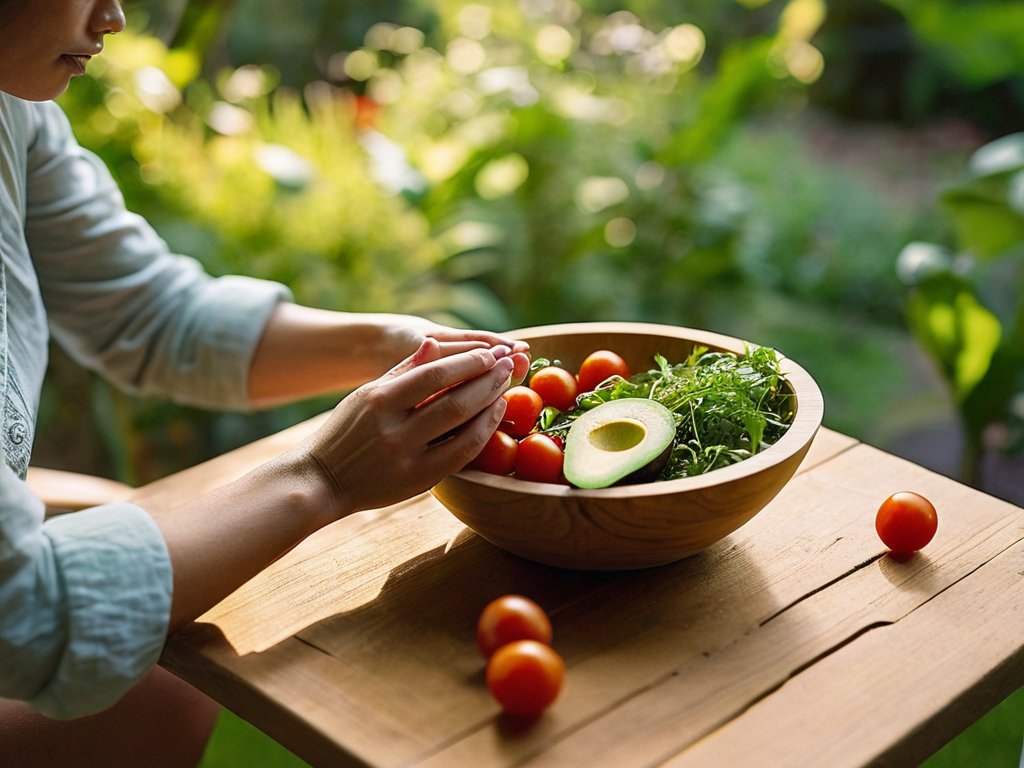
As I sat in a small café in Tokyo, watching the locals savor their meals with intention and care, I couldn’t help but think about the mindful eating movement back home. It’s a concept that’s often watered down to a series of expensive workshops and trendy diets, losing sight of its true essence. I’ve seen friends and acquaintances jump on the bandwagon, only to be left feeling guilty or inadequate when they can’t stick to the rigid rules and guidelines. It’s time to strip away the hype and get back to the heart of what mindful eating is really about.
In this article, I promise to share my own experiences and insights on how to cultivate a genuine practice of mindful eating. I’ll dive into the cultural significance of slowing down and being present with our food, and provide practical advice on how to make this a sustainable part of your daily life. My goal is to inspire a new wave of mindful eaters who are more concerned with nourishing their bodies and souls than with following the latest fad. By the end of this journey, you’ll have a deeper understanding of what it means to truly savor your food, and the profound impact it can have on your relationship with the world around you.
Table of Contents
Mindful Eating Uncovered
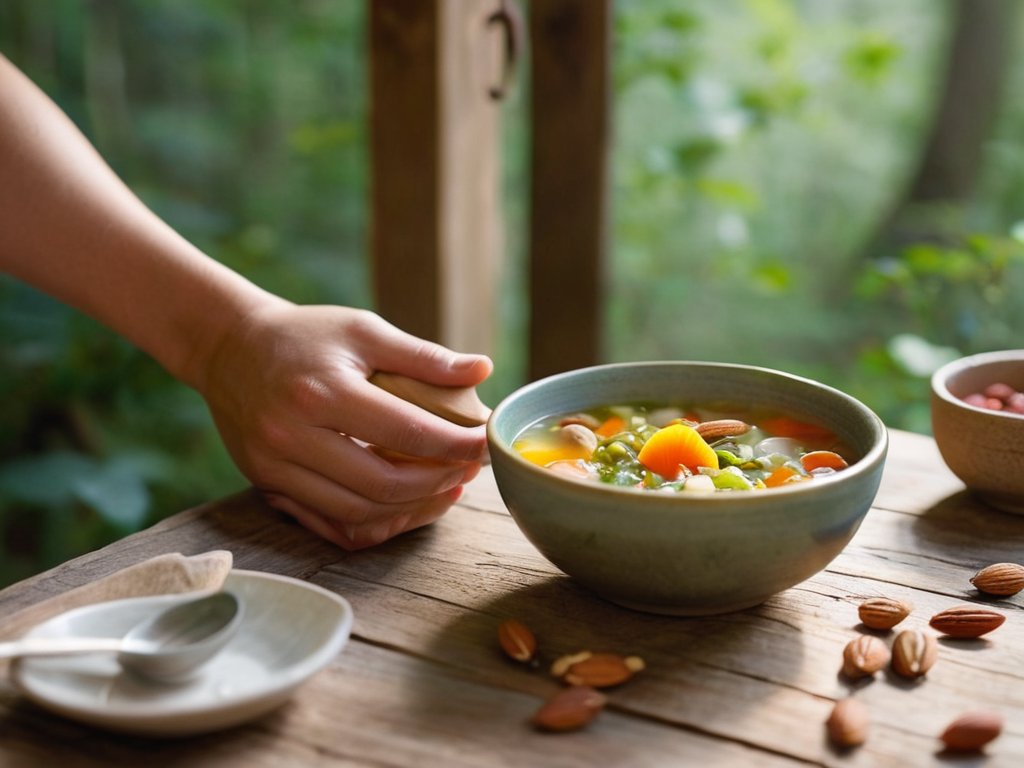
As I delve into the world of intuitive eating practices, I’ve come to realize that it’s not just about the food on our plates, but about the journey of self-discovery that comes with it. By embracing a slower pace, we can tap into the benefits of slow eating, allowing us to truly savor each bite and develop a healthier relationship with the food we consume. This, in turn, can have a profound impact on our mental well-being, as eating for mental health becomes a vital aspect of our overall wellness.
Through my travels to remote locations, I’ve had the opportunity to engage with various cultures and their unique approaches to mealtime. In many traditional societies, mindful meal planning is an integral part of daily life, where each ingredient is carefully selected and prepared with intention and care. This thoughtful approach to food not only fosters a sense of community but also encourages a deeper appreciation for the simple pleasures in life.
As we explore the concept of developing self-awareness with food, we begin to uncover the intricate dynamics at play between our emotions, thoughts, and eating habits. By cultivating a more nuanced understanding of our relationship with food, we can work towards establishing healthy relationships with food, free from guilt, shame, or anxiety. This journey of discovery is one that requires patience, compassion, and an openness to new experiences, ultimately leading us towards a more balanced and fulfilling approach to nourishing our bodies and souls.
Benefits of Slow Eating Revealed
As I reflect on my travels to remote locations, I’ve noticed that slow eating is a common thread that weaves together cultures and communities. In Japan, for example, the art of savoring each bite is deeply ingrained in the tradition of mindfulness. By adopting this approach, we can reconnect with our food and the people around us, fostering a sense of belonging and togetherness.
In my experience, slow eating has numerous benefits, including improved digestion and increased satisfaction. By paying attention to each bite, we can tune into our body’s hunger and fullness cues, leading to a more balanced relationship with food. This, in turn, can have a profound impact on our overall well-being, allowing us to approach life with greater clarity and purpose.
Intuitive Eating for Mental Clarity
As I reflect on my travels to remote locations, I’ve noticed that intuitive eating is often deeply rooted in cultural traditions. In many indigenous communities, meals are savored as a celebration of life, rather than just a means to sustain it. This approach to food has taught me the value of mindful moments, where the simplicity of a meal can evoke a profound sense of connection to the world around us.
In my experience, embracing intuitive eating has been a journey of self-discovery, leading to greater mental clarity. By tuning into my body’s natural hunger and fullness cues, I’ve been able to quiet the noise of external expectations and focus on what truly nourishes me, allowing me to cultivate a deeper sense of inner peace.
Nourishing Body and Soul

As I reflect on my travels to remote locations, I’ve come to realize that nourishing our bodies and souls is deeply connected to the way we approach food. In many cultures, meals are seen as an opportunity to foster community and connection, rather than just a means to satisfy our physical needs. By embracing intuitive eating practices, we can begin to develop a healthier relationship with food, one that prioritizes self-awareness and self-care.
Through my experiences with cultural exchange programs, I’ve learned that the benefits of slow eating extend far beyond the physical realm. When we take the time to savor our food, we’re not only nourishing our bodies, but also cultivating a sense of mindful awareness that can have a profound impact on our mental health. By slowing down and being more present in our daily lives, we can begin to break free from the cycle of stress and anxiety that often accompanies our fast-paced lifestyles.
As I sit amidst my collection of vintage globes, I’m reminded of the diverse ways that people around the world approach food and nutrition. From the emphasis on healthy relationships with food in some cultures, to the eating for mental health practices that prioritize nourishment and self-care, it’s clear that our relationship with food is complex and multifaceted. By embracing this complexity and seeking to understand the many ways that food can nourish both body and soul, we can begin to cultivate a more holistic approach to wellness, one that honors the interconnectedness of our physical, emotional, and spiritual selves.
Developing Self Awareness With Food
As I reflect on my own journey with mindful eating, I’ve come to realize that developing self awareness is crucial in understanding our relationship with food. It’s about recognizing the emotional triggers that lead us to overeat or make unhealthy choices. By being more aware of our thoughts and feelings, we can begin to break free from the cycle of mindless eating.
Through my travels to remote locations, I’ve witnessed how different cultures approach food with intention and reverence. This has taught me the importance of embracing imperfection in my own eating habits, allowing myself to make mistakes and learn from them. By doing so, I’ve become more attuned to my body’s needs and more compassionate towards myself, ultimately cultivating a healthier and more mindful relationship with food.
Mindful Meal Planning for Wellness
As I reflect on my travels to remote locations, I’ve noticed that mindful meal planning is a common thread that weaves together the fabric of various cultures. It’s not just about preparing a meal, but about creating an experience that nourishes both body and soul. I recall a particular evening in a small village in Japan, where the community came together to prepare a traditional meal, emphasizing the importance of seasonal ingredients.
In my own life, I’ve found that adopting a mindful approach to meal planning has been a game-changer. By taking the time to plan and prepare my meals, I’m able to slow down and appreciate the simple joys of cooking and sharing meals with others. This mindful approach has also allowed me to develop a greater appreciation for the cultural significance of food in different societies, and how it can bring people together in meaningful ways.
Savoring the Flavor: 5 Essential Tips for Mindful Eating

- Eat with intention: before each meal, take a moment to acknowledge the people, places, and processes that brought the food to your table
- Engage your senses: notice the colors, textures, smells, and sounds of your food, and let the experience unfold slowly
- Listen to your body: pay attention to your hunger and fullness cues, and let them guide your eating, rather than eating on autopilot
- Choose whole, unprocessed foods: allow yourself to appreciate the simplicity and beauty of natural ingredients, and the stories they tell about the land and culture they come from
- Make mealtime a ritual: set aside distractions, light some candles, and create an atmosphere that invites mindfulness, gratitude, and connection with the people and food you share
Key Takeaways from My Mindful Eating Journey
As I reflect on my experiences with mindful eating, I’ve come to realize that it’s not just about the food, but about cultivating a deeper connection with my body and the world around me.
Through practices like intuitive eating and slow eating, I’ve discovered that mental clarity and self-awareness can be profoundly impacted by our relationship with food, and that’s a lesson that can be applied to many areas of life.
Ultimately, my exploration of mindful eating has taught me that nourishing our bodies and souls is not just about the meals we plan, but about embracing a mindset that values presence, gratitude, and community – one that I believe has the power to weave together cultures and communities, one bite at a time.
Savoring Wisdom
As we linger over each bite, we not only nourish our bodies, but also weave a tapestry of moments, cultures, and connections that remind us of our place within the global community, and the profound impact that mindful eating can have on our collective well-being.
Alexandra Thompson
Conclusion
As I reflect on my journey through the world of mindful eating, I am reminded of the profound impact it can have on our lives. From intuitive eating to slow eating, and from mindful meal planning to developing self-awareness with food, each aspect of mindful eating offers a unique opportunity for growth and transformation. By embracing this approach, we can cultivate a deeper connection with our bodies, our communities, and the world around us.
As we embark on this path of mindful eating, let us remember that it is a journey of discovery, one that weaves together cultures, communities, and individual stories. By savoring each moment, and truly being present with our food and with each other, we can create a more compassionate, more empathetic, and more connected world – one delicious, slow bite at a time.
Frequently Asked Questions
How can I incorporate mindful eating into my busy daily routine and make it a sustainable habit?
As I’ve learned from my travels, mindful eating can be as simple as dedicating a few minutes each day to savoring your food, free from distractions. Start by allocating a quiet moment for each meal, and gradually increase the duration as you cultivate this new habit, allowing it to become an integral part of your daily routine.
What role does cultural background and traditional cuisine play in shaping our relationship with food and mindful eating practices?
As I reflect on my travels, I’ve seen how cultural heritage and traditional cuisine profoundly influence our connection with food, with mindful eating practices often rooted in ancestral rituals and community bonding, weaving a rich tapestry of flavors, stories, and values.
Can mindful eating have a positive impact on not just our physical health, but also our mental wellbeing and stress levels?
As I reflect on my travels, I’ve seen how mindful eating can be a powerful tool for mental clarity and stress relief. By savoring each bite, we can calm our minds and nourish our bodies, leading to a deeper sense of well-being and resilience in the face of life’s challenges.