I was perched on a wooden stool in a Delhi market, the scent of cumin and mangoes swirling around me, when a vendor handed me a steaming samosa and said, “Eat it as if it’s your last.” In that split second, I realized the most common advice about mindful eating—“just sit still and focus on your fork”—was a myth. You don’t need a silent yoga studio to be present; you need the willingness to let the world’s noise become part of the flavor. That noisy moment taught me that mindful eating can thrive amid chaos, not despite it.
I’ll walk you through three no‑nonsense steps that turned my chaotic plate into a compass: (1) grounding the bite with a single sensory cue, (2) pausing to name the flavors before they dissolve, and (3) using a brief gratitude pause that anchors the meal. You’ll leave with a pocket‑sized toolkit you can deploy at a lunch, a street‑food stall, or a quiet kitchen—no guru training needed. Let’s make mindful eating a habit that feels as natural as checking the time on one of my vintage globes.
Table of Contents
Project Overview
Total Time: 1 hour to get started, then ongoing practice
Estimated Cost: $10 – $30 for basic supplies
Difficulty Level: Easy
Tools Required
- Smartphone or timer ((to set short eating intervals or reminders))
- Pen or stylus ((for journaling))
Supplies & Materials
- Food journal or notebook (To record hunger levels, emotions, and reflections)
- Reusable water bottle (Helps track hydration and mindful sipping)
- Portion plates or measuring cups (Assist in visualizing portion sizes)
Step-by-Step Instructions
- 1. Pause before the plate. I take a slow, deliberate breath, look at the food, and ask myself what story it might carry—from the farmer’s field to the market stall. This brief moment of gratitude sets the tone for a conscious meal.
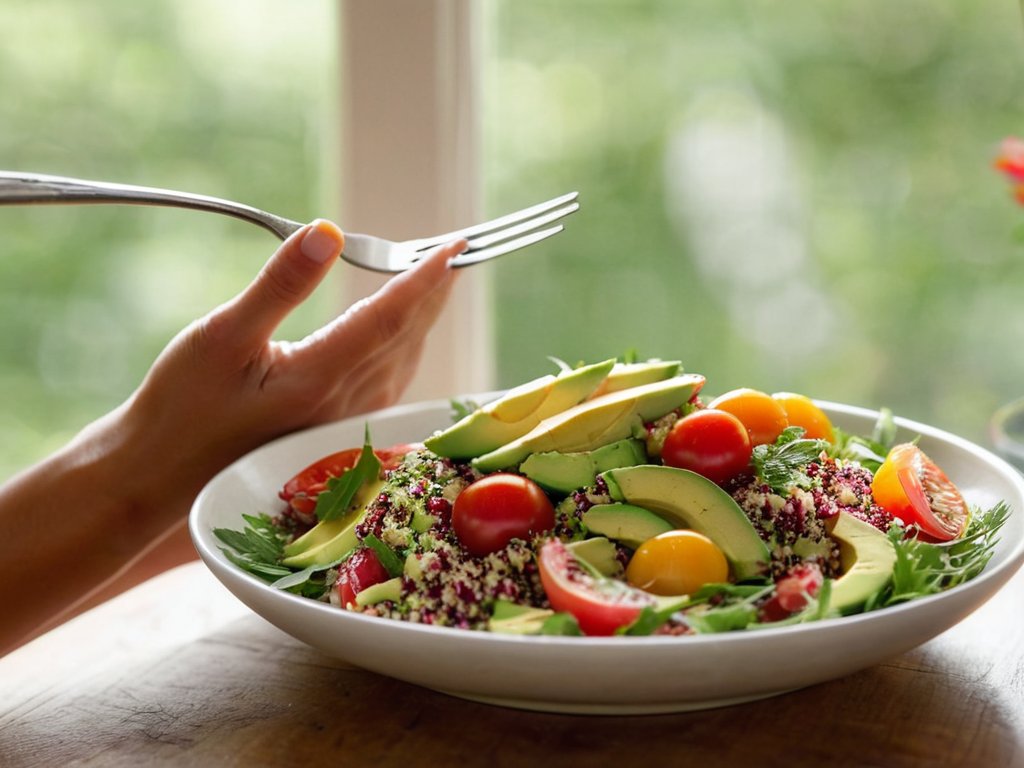
- 2. Engage the senses one by one. I notice the colors, the aroma, the texture, and even the faint sounds of a crisp bite. By naming each sensation—vibrant orange, earthy scent—I anchor my attention in the present.
- 3. Take a bite with intention. I place a modest portion in my mouth, chew deliberately, and let the flavors unfold before I swallow. I count to three on each chew, allowing the taste to travel across my palate before deciding if I need another bite.
- 4. Check in with your body. Mid‑meal, I pause to sense any signals of fullness, satisfaction, or lingering cravings. I place my hand on my stomach, notice the subtle rise and fall, and honor the feedback my body offers.
- 5. Reflect on the journey of each ingredient. I ask myself where the grain was grown, who harvested the vegetables, and what cultural traditions might be woven into the dish. This mental map transforms a simple meal into a global conversation.
- 6. Savor the silence. I deliberately mute background noise—turn off the TV, set the phone aside—and let the act of eating become a quiet ceremony. In that stillness, the experience feels richer and more personal.
- 7. Close with gratitude and intention. I finish by acknowledging the effort behind the meal, thank those who contributed, and set a small intention for the rest of the day—whether it’s to carry the same mindfulness into a meeting or a walk through the city. This final pause stitches the mindful moment into the larger tapestry of my day.
Savoring Global Stories Mindful Eating as a Bridge
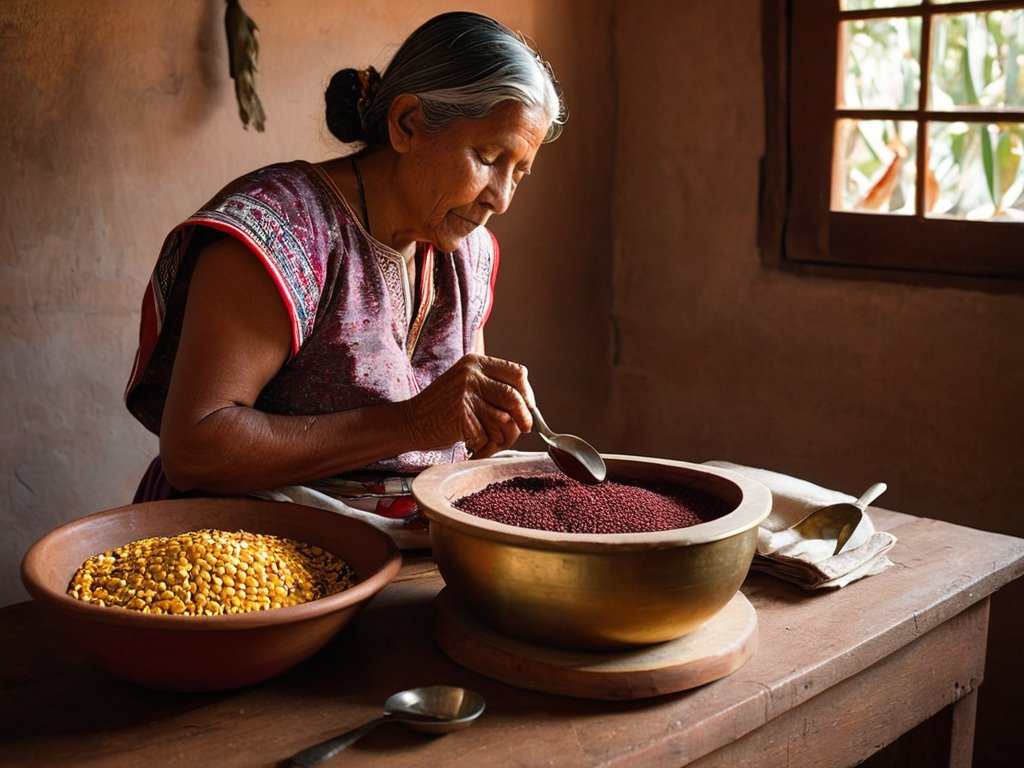
I often find that the most vivid lesson about how to practice mindful eating arrives on a dusty kitchen table in a remote village, not in a polished wellness blog. In Oaxaca, I asked a grandmother to share the story behind her mole, then we lingered over each spoonful, noting spice, texture, and the memory it evoked. To capture that richness, I keep a small notebook beside my vintage globe, jotting mindful eating journal prompts like “What aroma tells you where this dish traveled?” or “Which bite reminded you of home?” The habit turns a meal into a miniature cultural exchange.
Back in the bustle of Delhi’s commuter trains, I learned that even a fifteen‑minute pause can unlock mindful eating benefits for digestion. A simple technique—placing your fork down between bites and noticing the subtle shift in your stomach’s rumble—keeps you anchored when the day races ahead. If you’re racing from one meeting to the next, try the ‘three‑senses check’: glance at the plate, inhale the aroma, then listen for the first chew. Those exercises often translate into steadier energy and support weight‑management goals without a calorie‑counting obsession.
Everyday Practices How to Practice Mindful Eating on the Go
When I’m hopping between a bustling Delhi street stall and the train compartment that will take me to the Scottish Highlands, I treat each bite as a passport stamp. Before I unwrap a samosa or a granola bar, I pause—just long enough to notice the aroma, texture, and story woven into the ingredients. A single mindful inhale turns a hurried snack into a sensory dialogue with the place that produced it.
On the go, I keep a reusable tin of mixed nuts and dried fruit—my “global garden.” I pause at the next bench, close my eyes, and count three breaths before the flavors unfold, noting the crunch of roasted chickpeas from Gujarat or the sweet chew of Ethiopian coffee‑kissed raisins. A gratitude note on my phone seals the moment, reminding me that even a rushed lunch can be a bridge across cultures.
Mindful Eating Journal Prompts for Global Reflection
I keep a notebook beside my vintage globe, and whenever I sit down to a new dish I pause to jot a quick note. What flavors recall a city I’ve visited, and why do they linger? How does the texture of a street‑food samosa echo Delhi’s markets, or the crisp bite of a Nordic rye loaf whisper Oslo’s cold mornings?
Another prompt asks me to trace an ingredient’s path: from a farmer in the Andes to the plate in my kitchen. Who are the unseen hands behind the spice, and what stories do they carry? I also ask what gratitude feels like in that moment—does recognizing the global web of labor make the meal taste richer, or simply remind me that each bite is a tiny act of cultural exchange? Writing these reflections turns a snack into a portable passport.
Key Takeaways
Mindful eating turns every meal into a cultural conversation, inviting you to notice flavors, origins, and the stories behind each ingredient.
Simple practices—like pausing before a bite, chewing slowly, and noting sensations—fit even into the busiest travel schedule, keeping you grounded wherever you are.
Keeping a brief journal of taste, mood, and reflections helps you track personal growth and deepens your connection to the global tapestry of food.
A Bite of Presence
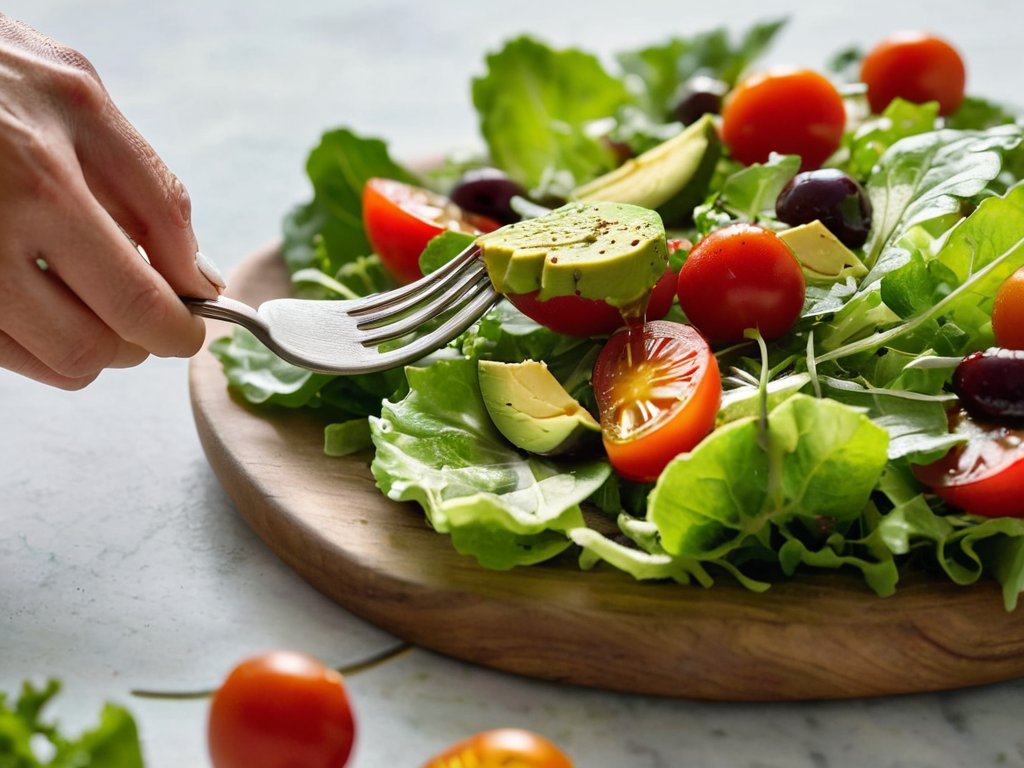
When I sit down to eat, I’m not just nourishing my body—I’m listening to the stories of the soil, the hands that harvested, and the cultures that shaped each flavor, turning a simple bite into a moment of global dialogue.
Alexandra Thompson
Conclusion: A World on a Plate
In the pages that have led us here, I’ve walked you through the simple yet transformative steps of mindful eating: slowing down, noticing texture, and honoring the story behind each ingredient. We then let those practices travel beyond the kitchen, exploring how a commuter can pause at a bustling market stall, or how a quick lunch in a co‑working space can become a moment of cultural exchange. The journal prompts reminded us that recording sensations, emotions, and the origins of our meals turns a personal habit into a map of global connections. Together, these tools show that mindful eating is not just a diet—it is a passport to deeper empathy.
As I close this chapter, I invite you to let each bite become a conversation with the world—a reminder that the plate is a meeting table for continents, histories, and futures. When we bring curiosity back to the fork, we carry the spirit of a diplomat’s listening into our own kitchens, turning ordinary meals into acts of peacebuilding. So, next time you unwrap a street‑food wrap in Bangkok or share a family‑grown lentil stew in a London flat, remember that you are writing a story that stretches far beyond the palate. May your curiosity stay hungry, and may your taste the world mindset keep you wandering, one mindful mouthful at a time.
Frequently Asked Questions
How can I stay mindful about eating while traveling across time zones?
Whenever I hop between continents, I treat each meal as a tiny diplomatic briefing. Before I board, I note the local sunrise, the climate, and my hunger level in a pocket notebook. I sip water, choose protein‑rich snacks, and set my watch to the destination’s time, eating only when the new schedule calls for breakfast, lunch or dinner. A single mindful bite—chewed slowly, savoured, and paired with a quick cultural note—keeps my body synced and my mind curious.
What simple techniques can I use to practice mindful eating during a hectic workday?
On a packed day I keep a small ritual: before I sip my coffee, I pause, inhale the aroma, and notice the warmth of the cup against my fingers. I set a timer for each bite of lunch, chewing slowly enough to hear the texture. I place my phone face‑down, close the laptop, and simply watch the colors on my plate. Finally, I jot a one‑sentence note about how the food makes me feel, anchoring the moment.
Can mindful eating help me understand cultural food traditions better?
Absolutely—mindful eating is a passport to a culture’s soul. When I slow down to truly taste a biryani grain or a Japanese miso broth, I’m listening to the stories of harvest cycles, regional trade routes, and family rituals that shaped those dishes. By noticing textures, aromas, and the emotions they stir, you uncover the values and histories woven into each bite. So, treat every meal as a field‑note session: observe, reflect, and let the flavors guide you into the heart of the community.