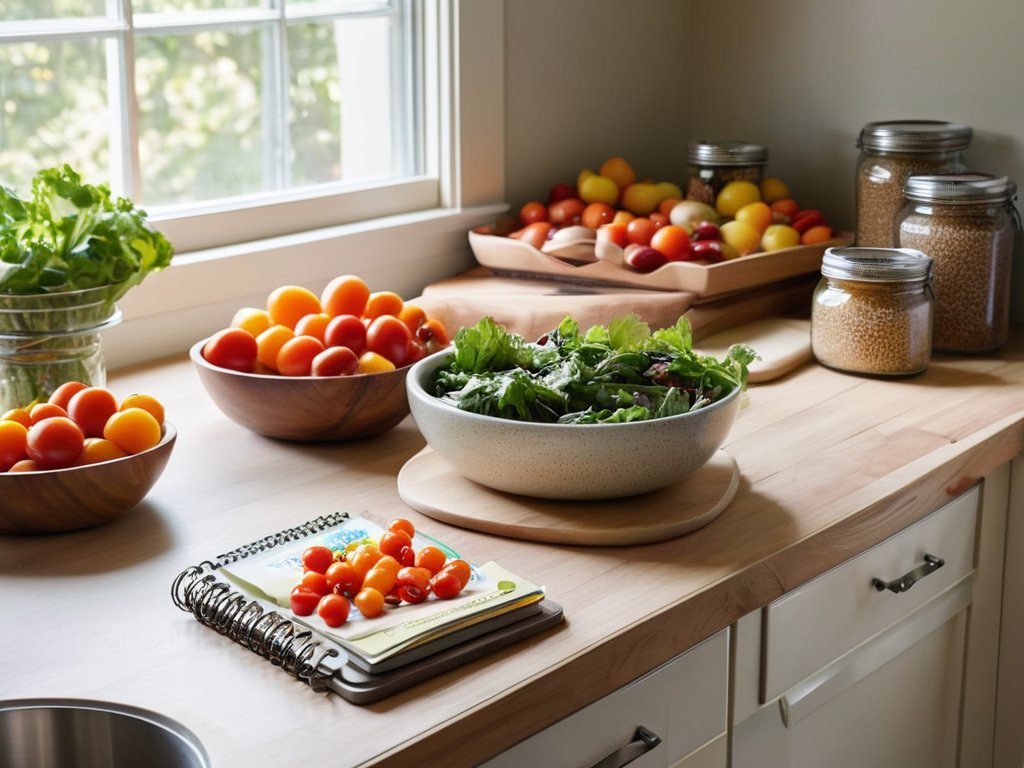
Imagine me, a former diplomat, standing on a sun‑warmed kitchen floor in a bustling Marrakech riad, the scent of cumin and fresh mint swirling around a battered copper pot. I was juggling a handful of spices, a half‑empty fridge, and the nervous hope that tonight’s dinner would honor my host’s traditions and keep my schedule intact. That chaotic moment taught me the most counter‑intuitive truth about meal planning: it isn’t about rigid menus, but about building a flexible framework that respects the rhythm of the day and the surprise of the road.
In a few minutes I’ll strip away jargon and give you a step‑by‑step roadmap any kitchen‑novice can follow. You’ll learn how to audit what you already have, weave in a dash of local flavor, and set up a simple two‑day prep rhythm that frees evenings for conversation rather than chopping. I’ll also share the spreadsheet trick that saved my team in Nairobi and a handful of pantry staples across time zones. By the end, you’ll have a real‑world meal‑planning system that feels less like a chore and more like a passport to shared meals.
Table of Contents
- Project Overview
- Step-by-Step Instructions
- Meal Planning as a Global Narrative Mapping Weekly Kitchen Journeys
- Budget Friendly Meal Planning Tips Using Seasonal Produce and Portion Contr
- Designing a Weekly Meal Prep Schedule That Honors Cultural Rhythms
- Five Savvy Strategies to Elevate Your Meal Planning
- Key Takeaways for a Globally-Inspired Meal Plan
- Meal Planning as a Bridge Across Borders
- Conclusion
- Frequently Asked Questions
Project Overview
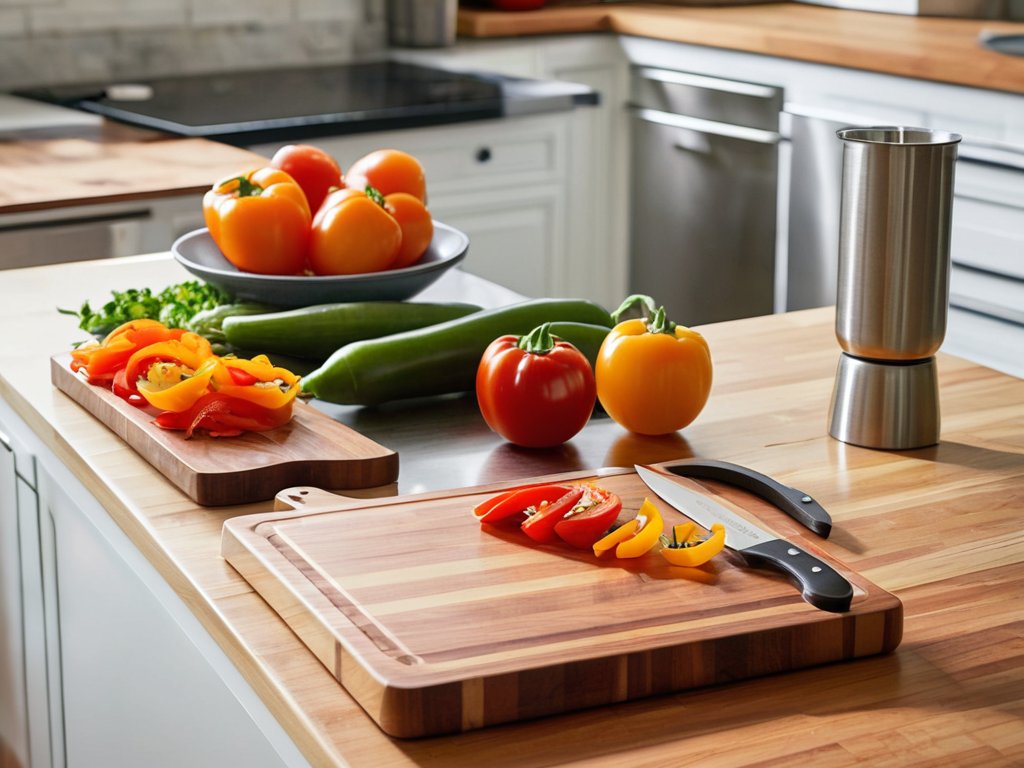
Total Time: 2 hours
Estimated Cost: $0 – $20
Difficulty Level: Easy
Tools Required
- Pen or Pencil ((any writing instrument you prefer))
- Computer or Smartphone ((for using apps or digital templates))
- Spreadsheet Software ((e.g., Excel, Google Sheets) optional)
Supplies & Materials
- Meal Planning Template (Printable or digital format)
- Sticky Notes (For quick meal ideas and reminders)
- Reusable Grocery Bags (Helps with organized shopping trips)
Step-by-Step Instructions
- 1. First, I map out the rhythm of my week. I pull out my calendar—digital or paper, whichever feels more tactile—and highlight work meetings, family gatherings, and any cultural events that might influence my meals. By visualising when I’ll be home, I can earmark the evenings that call for quick fixes versus those that deserve a slower, more experimental cooking session.
- 2. Next, I conduct a pantry sweep. I open every cabinet, fridge, and freezer, jotting down what’s already there, especially leftovers that can be repurposed. This inventory not only prevents waste but also sparks ideas: a half‑full jar of chickpeas might become the base for a Moroccan tagine, while wilted spinach could transform into a vibrant frittata.
- 3. With ingredients in sight, I choose a weekly culinary theme that ties my meals together. Perhaps it’s “spice routes of the Silk Road” or “coastal cuisines of the Indian Ocean.” Selecting a theme lets me weave stories into my plates, turning dinner into a mini‑cultural exchange rather than a routine task.
- 4. I then draft a simple planning sheet—a spreadsheet, a bullet‑journal spread, or a whiteboard grid works fine. I list each day’s main dish, side, and any prep tasks, leaving a column for notes on portion sizes or dietary tweaks. By keeping the layout clear, I can glance at the week ahead and instantly see where I need fresh produce or a quick pantry refill.
- 5. Shopping becomes a purpose‑driven expedition. I take my list to the local market, prioritising seasonal produce and ethically sourced proteins. While I’m there, I chat with stall owners about the origins of their goods; those conversations often inspire a new twist on the night’s menu, and I end up supporting the community that fuels my table.
- 6. Back home, I batch‑prepare and store with intention. I chop vegetables, pre‑cook grains, and portion sauces into reusable containers, labeling each with the day it’s intended for. This step frees up evening time for the joy of cooking rather than the stress of scrambling, and it keeps flavors fresh—think a week‑long supply of fragrant turmeric‑infused oil ready to enliven any dish.
- 7. Finally, I review and reflect at week’s end. I note which meals sparked the most conversation, which ingredients I barely used, and how the theme resonated with my family or guests. This brief pause informs the next cycle, turning each meal‑planning round into a continuous learning loop that deepens my connection to food, culture, and the people around my table.
Meal Planning as a Global Narrative Mapping Weekly Kitchen Journeys
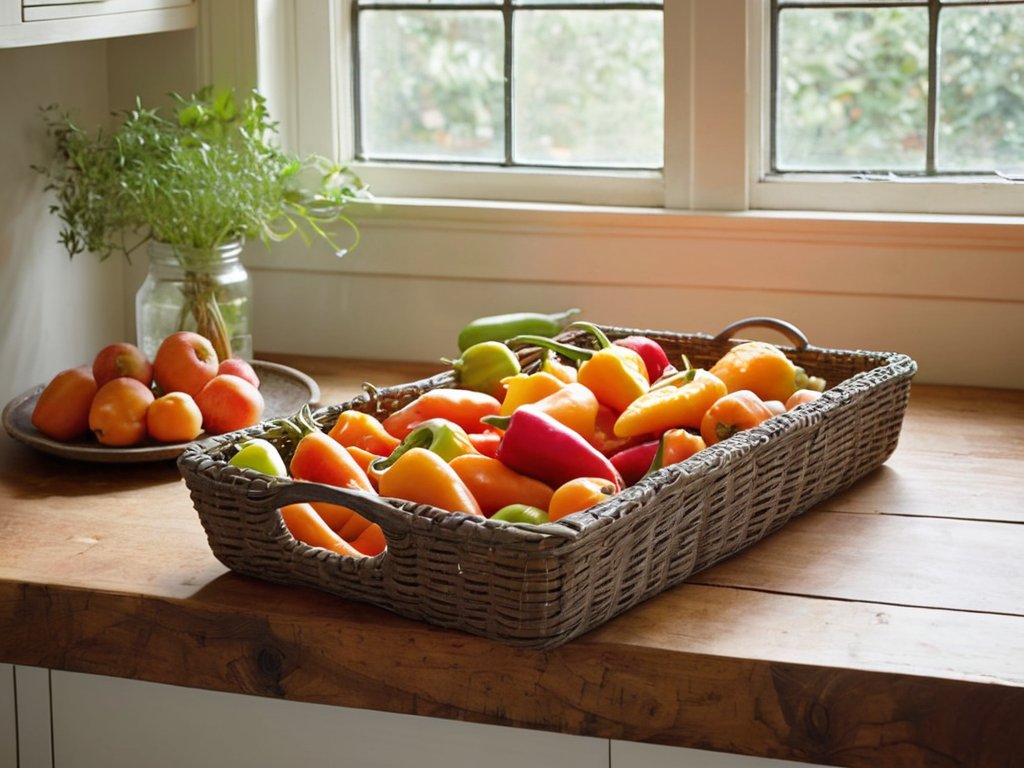
I often treat my kitchen like a small embassy, charting a weekly meal prep schedule that mirrors the rhythm of the world outside my window. By anchoring each day to a seasonal‑produce theme—say, the crisp apples of an English autumn or the bright chilies of a monsoon‑laden Delhi—I keep costs low and flavors high, which is one of my favorite budget‑friendly meal planning tips. When the pantry shelves echo the colors of the harvest, the whole process feels less like a chore and more like a diplomatic exchange across continents.
At the heart of any sustainable kitchen itinerary lies a thoughtful approach to portion control strategies; I like to use a handful of beans or a palm‑sized scoop of rice as quiet signposts that keep calories in check without sacrificing satisfaction—especially when the goal is weight loss. For families, I weave in family‑friendly meal plans that invite kids to assemble their own bowls, turning dinner into a mini cultural workshop. The trick is to let the plate tell a story, so every bite becomes a passport stamp on our collective journey.
Budget Friendly Meal Planning Tips Using Seasonal Produce and Portion Contr
I’ve learned that the cheapest, most vibrant meals arrive at the doorstep of a local market at the height of its harvest. In Jaipur, a handful of sun‑kissed mangoes in June can stretch into a fragrant chutney that flavors a week of lentil stews; in a Scottish village, crisp carrots in October become the backbone of a broth that feeds a family of four without breaking the bank. By anchoring my weekly list to whatever the season gifts, I slash grocery bills and honor the land’s rhythm.
Portion control, for me, is storytelling through leftovers. I serve a modest portion, then repurpose the surplus into a next‑day stir‑fry or soup. A simple kitchen scale or the ‘fist‑size’ rule keeps calories honest, while nothing goes to waste—leaving both my wallet and palate pleasantly full even in my busy schedule daily.
Designing a Weekly Meal Prep Schedule That Honors Cultural Rhythms
When I draft my weekly prep sheet, I start by looking at the calendar as a cultural map rather than a to‑do list. I ask myself: Which community days, religious observances, or family rituals fall in the next seven days? In a recent stint in Oaxaca, I discovered that the Thursday “tlayuda market” is a communal feast, while Friday evenings belong to the quiet, plant‑based “comida de ayuno” many households observe. By penciling those anchors into my schedule first, the rest of the meals fall into place—spices, proteins, and side dishes become the connective tissue that respects those rhythms. I often colour‑code each day: bright saffron for a South‑Asian celebration, deep indigo for a Buddhist meditation dinner, allowing the visual cue to remind me why I’m cooking, not just what I’m cooking.
From there, I build the prep cadence around the natural flow of the week. I batch‑cook grains or legumes on the day that follows a heavy‑protein celebration, so they’re ready to accompany a lighter, palate‑cleansing lunch later. I keep a “cultural pantry” list—ingredients like fermented black beans, berbere spice, or Japanese miso—that I rotate according to the upcoming rhythm, ensuring each dish feels authentic rather than a token garnish. This dance between calendar and kitchen not only streamlines the logistics but also turns every meal into a quiet homage to the lived traditions that shape our daily lives.
Five Savvy Strategies to Elevate Your Meal Planning
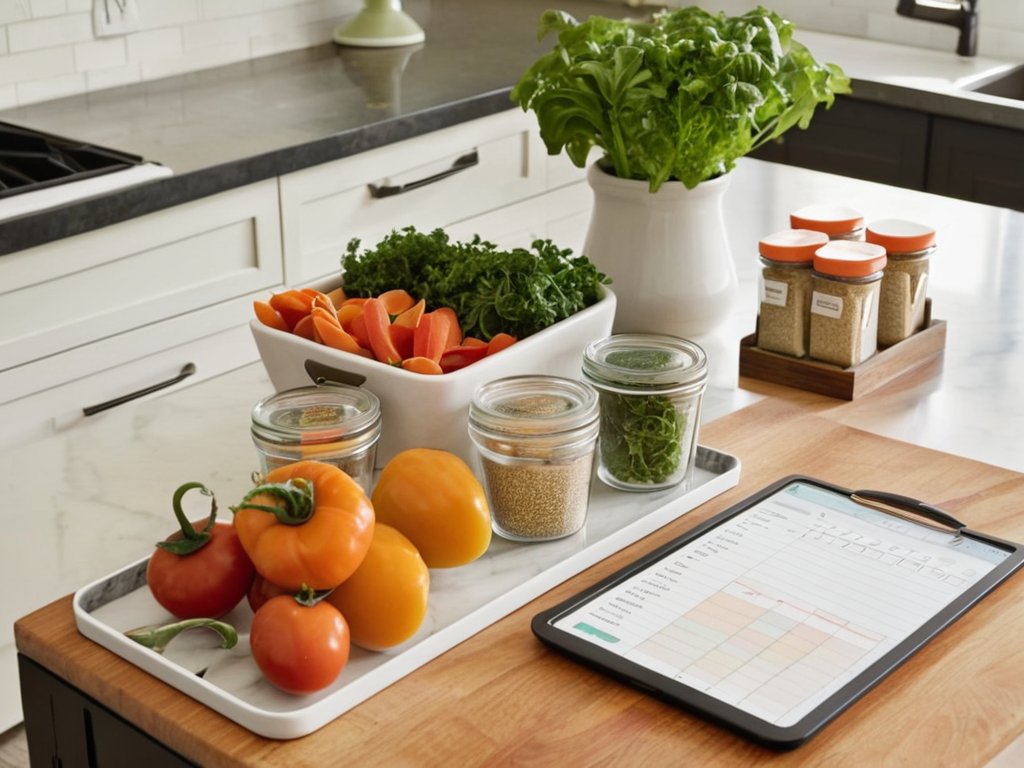
- Map your menu to the cultural calendar – align dishes with festivals, regional holidays, and family traditions for a kitchen that tells a story.
- Shop the season, not the fad – let local markets guide your produce choices, reducing cost while boosting flavor and nutritional diversity.
- Batch‑cook with a purpose – prepare versatile base components (like spiced legumes or roasted vegetables) that can be recombined into multiple meals throughout the week.
- Portion with intention – use reusable containers and simple visual cues (hand‑size portions, color‑coded lids) to curb waste and keep budgets in check.
- Invite collaboration – turn meal prep into a shared experience, assigning simple tasks to household members and swapping recipes across cultures to keep the process lively.
Key Takeaways for a Globally-Inspired Meal Plan
Align your weekly menu with cultural rhythms—let festivals, regional harvests, and family traditions guide your ingredient choices.
Embrace seasonal produce and smart portioning to keep costs low while preserving flavor and nutritional balance.
Create a flexible prep schedule that blends batch cooking with daily creativity, allowing space for spontaneous culinary discoveries.
Meal Planning as a Bridge Across Borders
When we map our meals week by week, we are not merely counting calories; we are charting a dialogue between seasons, cultures, and the stories that nourish both body and community.
Alexandra Thompson
Conclusion
Throughout this guide we have traced the arc of thoughtful meal planning from the practical to the poetic. The step‑by‑step framework gave you a clear roadmap for inventory, batch‑cook, and schedule, while the section on Meal Planning as a Global Narrative reminded us that every ingredient carries a story. By designing a weekly prep schedule that respects cultural rhythms, you can align dinner with festivals, fasting periods, or family traditions, turning the kitchen into a living calendar. Finally, the budget‑friendly tips on seasonal produce and portion control showed how mindful choices keep costs low without sacrificing flavor or nutrition. Remember, the habit of reviewing your plan each Sunday turns routine into reflection.
Think of your weekly menu as a passport, each dish a stop on a journey that bridges continents and generations. When you place a sprig of coriander beside a bowl of lentils, you are echoing markets in Delhi and kitchens in Oaxaca, inviting conversation at the table. Let curiosity be the spice that seasons your plans; experiment with a new grain, a forgotten family recipe, or a swap that reduces waste. By turning meal planning into a ritual of discovery, you not only nourish bodies but also weave a global narrative that celebrates diversity, resilience, and joy of sharing a plate with those who matter most. May each meal become a story you write together, season after season.
Frequently Asked Questions
How can I adapt my weekly meal plan to accommodate both vegetarian and meat‑based dishes without compromising flavor?
Whenever I map a week’s menu, I start with a flavor anchor—spices, herbs, or a sauce—that can travel from a lentil stew to a chicken tagine. I build each day around that anchor, swapping the protein while keeping the base broth, aromatics and garnish the same. A batch of smoked paprika‑infused tomato sauce, for example, will dress a chickpea curry at lunch and a beef braise at dinner, preserving flavor while honoring both vegetarian and meat‑based appetites.
What strategies help keep grocery costs low while still using fresh, seasonal produce throughout the week?
On the road I learned to let the market’s rhythm set my menu. Each week I visit the local farmer’s stall, note which vegetables are at peak—usually the cheapest because they’re abundant. I build a core of versatile staples (carrots, onions, leafy greens) and design meals that swap proteins or spices, echoing the cuisines I love. Bulk‑cook grains, freeze leftovers, and reuse the same produce in salads, soups, and stir‑fries to stretch freshness without inflating the bill.
How can I build a flexible prep schedule that fits a busy diplomatic travel itinerary yet respects cultural food rhythms?
I start each trip by mapping the host country’s meal‑times onto my own calendar, then carve out two “anchor” windows—one early morning for a quick, portable protein (think Greek yogurt or a boiled egg) and one evening slot that aligns with the local dinner rhythm. I keep a lightweight “core pantry” (spices, canned legumes, instant rice) in my suitcase, and a digital “swap‑list” where I note any market finds that can replace a planned dish. When a sudden meeting pushes me later, I simply shift the evening slot, using the same flexible ingredients to honor the region’s flavors without missing a beat.