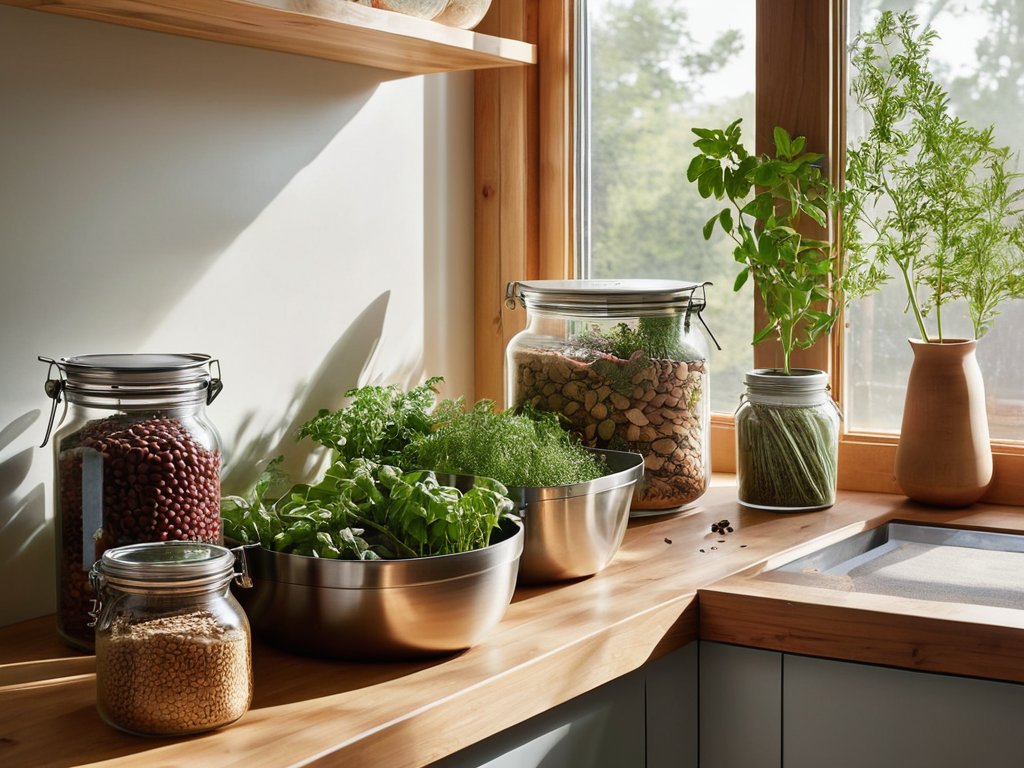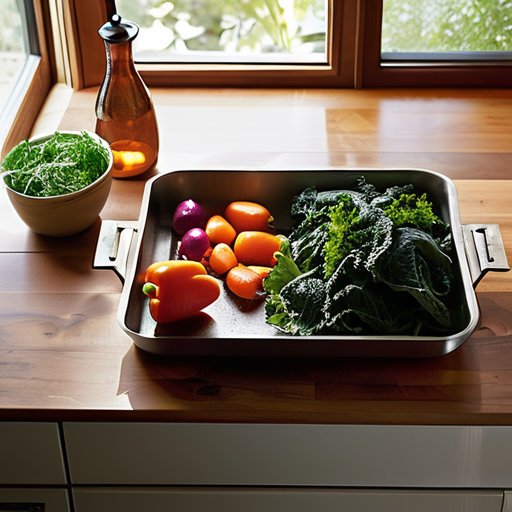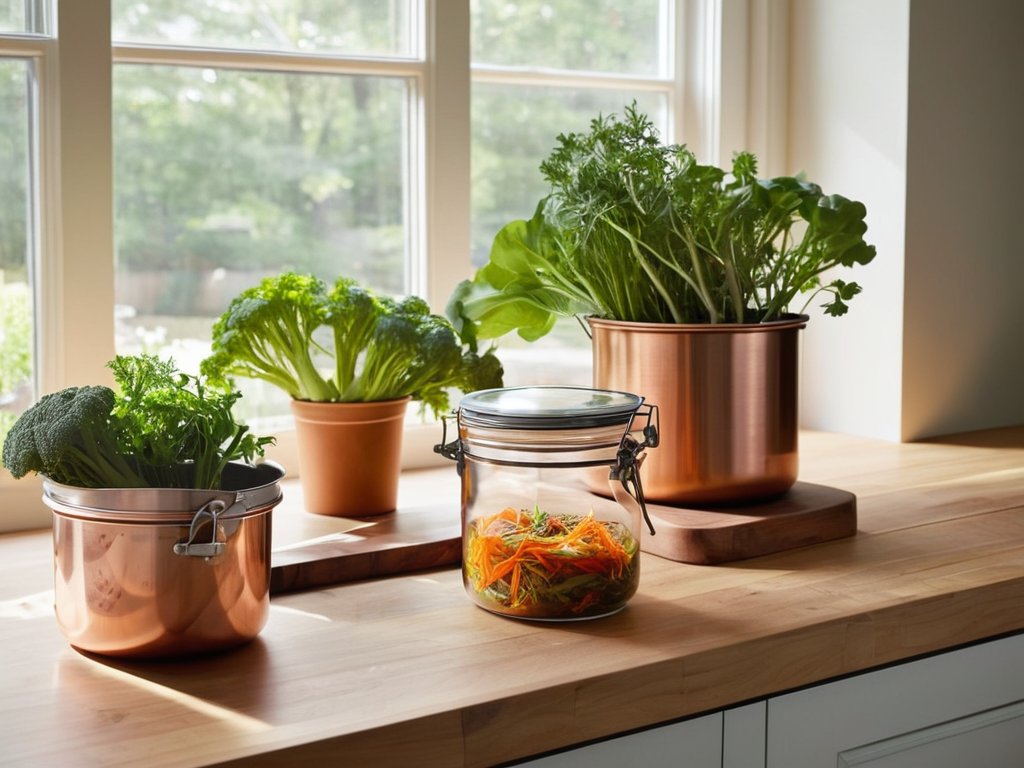
In a stone kitchen perched on an Andean hillside, I was scrambling to rescue a basket of wilted quinoa that the host promised would be dinner’s centerpiece. The only tools were a copper pot, a wooden spoon handed down from her grandmother, and a stack of newspaper scraps smelling faintly of rain. In that cramped space I realized that zero waste cooking isn’t about gadgets or perfection—it’s simply about listening to what ingredients beg you to do before they turn to waste. Myth that you must throw away every peel or scrap is as misleading as a diplomatic brief that omits local voice.
In the pages that follow I’ll walk you through a three‑step framework that has kept my own kitchen—and the homes of families I’ve stayed with—from overflowing with scraps: (1) a quick inventory habit that turns every peel into a stock base, (2) a “bridge‑the‑gap” technique for repurposing leftovers into new dishes, and (3) a simple pantry audit that rescues forgotten cans before they expire. Expect clear, bite‑sized actions, no‑fluff recipes, and the cultural anecdotes that remind us why food waste matters beyond the plate.
Table of Contents
- Project Overview
- Step-by-Step Instructions
- Zero Waste Cooking Global Kitchen Practices for Shared Stewardship
- Batch Cooking for Waste Reduction With Leftover Ingredient Meal Ideas
- Compostable Kitchen Scraps and Plastic Free Food Storage Tips
- Zero Waste Cooking: Five Practical Tips to Transform Your Kitchen
- Key Takeaways
- Zero Waste Cooking: A Recipe for Global Harmony
- Conclusion
- Frequently Asked Questions
Project Overview
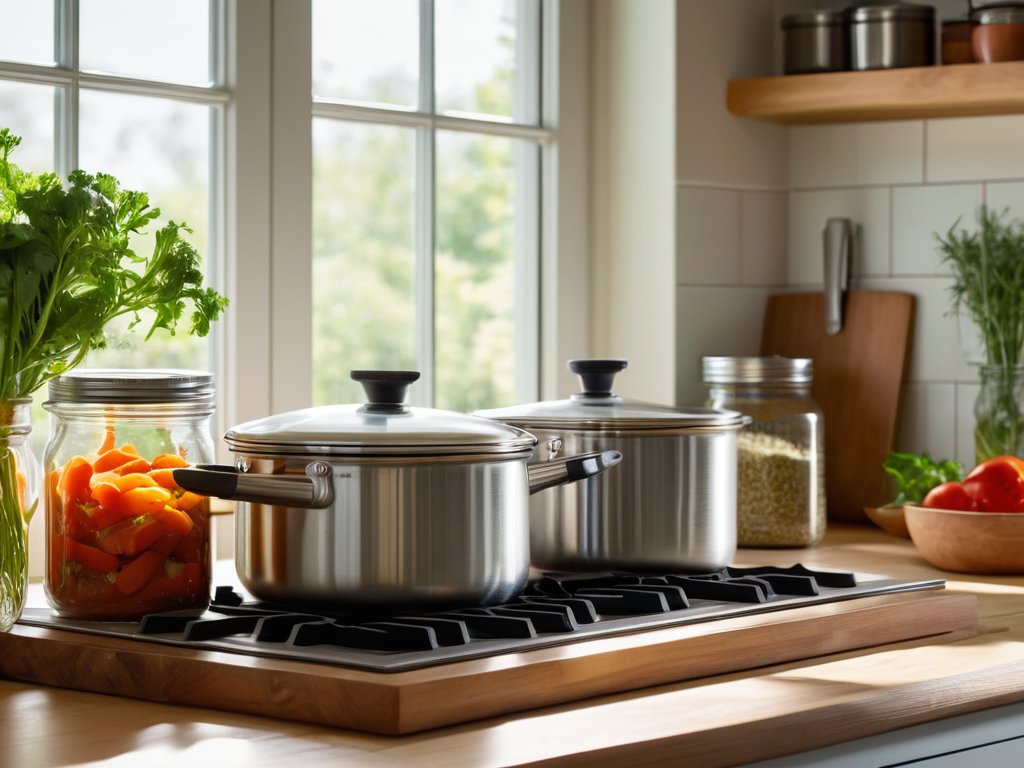
Total Time: 2 hours (initial setup) + ongoing as needed
Estimated Cost: $35 – $80
Difficulty Level: Intermediate
Tools Required
- Reusable Food Storage Containers (Glass jars, stainless steel boxes, silicone bags)
- Digital Food Scale (For precise portioning and bulk buying)
- Compost Bin (Kitchen countertop size with charcoal filter)
- Mandoline Slicer (For thin, uniform cuts to reduce waste)
- Pressure Cooker / Instant Pot (Energy‑efficient cooking)
- Meal Planning Notebook or App (Track ingredients, leftovers, and shopping lists)
Supplies & Materials
- Bee’s Wrap or Reusable Silicone Food Covers (Replace single‑use plastic wrap)
- Reusable Silicone Baking Mats (Eliminate parchment paper and aluminum foil)
- Cloth Napkins (Replace paper towels)
- Bulk Spice Jars with Labels (Buy spices in bulk and store in reusable containers)
- Reusable Produce Bags (Mesh or cotton bags for fruits and vegetables)
- Compostable Trash Bags (For any non‑compostable waste, if needed)
Step-by-Step Instructions
- 1. Start with a pantry audit – I pull everything out, group items by category, and note expiration dates. By arranging the shelves so the oldest products sit front and centre, I can prevent forgotten ingredients from turning into waste before they’re used.
- 2. Plan meals around what you already have – I sketch a quick menu for the week, weaving together the vegetables, grains, and proteins that are already in my kitchen. This habit lets me transform odds‑and‑ends into cohesive dishes, reducing the need for extra grocery trips.
- 3. Embrace whole‑ingredient cooking – When I peel carrots, I reserve the peels in a sealed jar for stock; citrus zest is saved for flavor boosts, and stale bread becomes crunchy croutons. By reimagining scraps as flavor foundations, every part of the food earns its place on the plate.
- 4. Master the art of batch‑wise prep – I cook larger portions of staples—like rice, beans, or roasted vegetables—and store them in portioned containers. These ready‑made components become the building blocks for new meals, so leftovers become assets rather than forgotten leftovers.
- 5. Utilize the freezer strategically – Over‑ripe fruits become smoothies, wilting greens turn into soups, and excess sauces are spooned into ice‑cube trays. Freezing in bite‑size portions extends shelf life and gives me flexibility to assemble meals on the fly.
- 6. Engage in a community swap – I join a local food‑exchange group where neighbours trade surplus produce, herbs, or homemade preserves. This collaborative sharing not only cuts waste but also weaves a network of stories and flavors across the neighborhood.
Zero Waste Cooking Global Kitchen Practices for Shared Stewardship
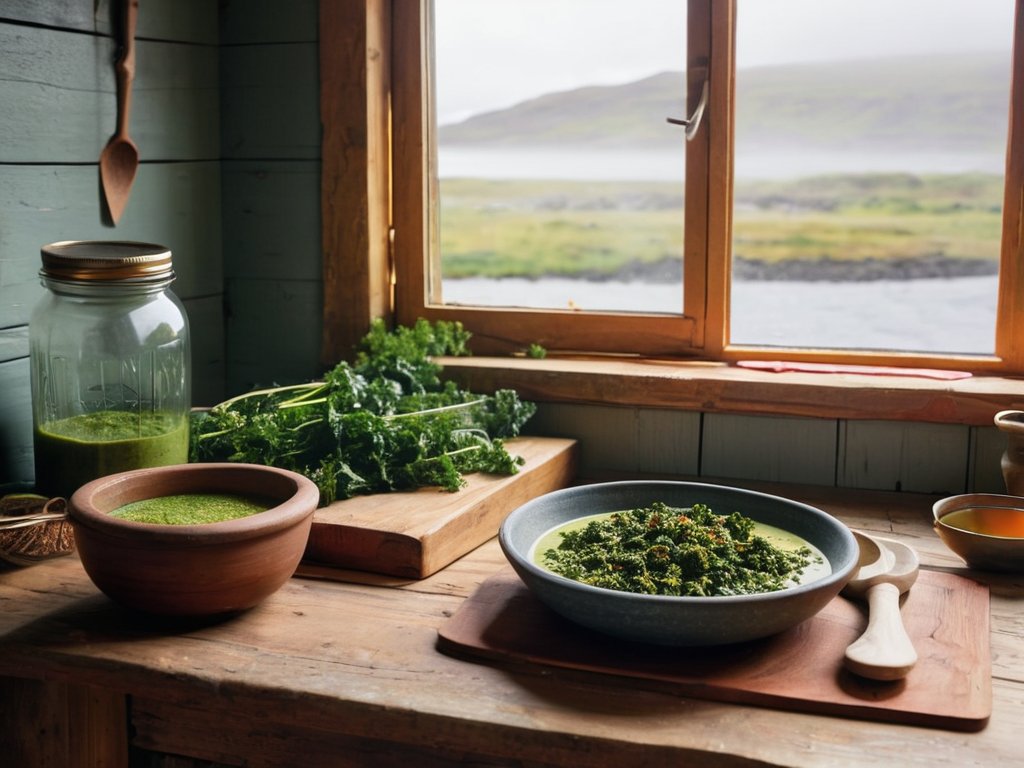
In a remote Icelandic fishing village, the household survived on what the sea and pantry gave that day. I learned that turning yesterday’s carrot tops into a broth is more than frugality—it becomes a story we tell around the table. Today I start my week with batch cooking for waste reduction, preparing a base of lentils, rice and spices that can be recombined into a stew, a tangy salad, or a quick stir‑fry. By keeping a mental inventory of leftover ingredient meal ideas, I rescue wilted kale for pesto or a half‑used can of coconut milk for a silky soup, turning potential waste into a culinary bridge across continents.
Back home in Delhi, my neighbors taught me to turn peelings into compostable kitchen scraps that feed a rooftop garden, while our grandparents swear by plastic‑free food storage tips—glass jars, beeswax wraps, and woven baskets. Stocking a few zero waste pantry staples like dried beans, sea salt and whole‑grain flour means I can whip up a nourishing dish when the market is closed, and I choose energy‑efficient cooking methods such as simmering with a lid or using a solar oven.
Batch Cooking for Waste Reduction With Leftover Ingredient Meal Ideas
When I’m back from a week‑long field trip in the highlands of Ethiopia, the fridge is often a mosaic of wilted kale, half‑cooked lentils, and a stubborn sack of rice that never quite made it to the table. Instead of letting those ingredients slip into oblivion, I batch‑cook a versatile base—think fragrant quinoa‑lentil pilaf spiced with berbere—that can be reheated, tossed cold, or transformed into stuffed peppers. The same logic applies to leftovers from any cuisine: stale naan becomes crunchy croutons for a Mediterranean salad, overripe mangoes melt into a tangy chutney that brightens a Caribbean‑style fish stew, and vegetable trimmings simmer into a broth that anchors a Japanese miso soup. By cooking once, portioning mindfully, and reimagining scraps as new dishes, I not only stretch my grocery budget but also honor the stories each ingredient carries across borders.
Compostable Kitchen Scraps and Plastic Free Food Storage Tips
I still recall slipping carrot tops into the modest compost bin under my Delhi rooftop kitchen sink. Within weeks the wet mix darkened into crumbly soil that fed the community garden next door, yielding tomatoes that later appeared in my London lunchbox. That single peel taught me how a tiny scrap can cross continents, turning waste into nourishment for many plates.
Back in the UK I swapped cling film for beeswax‑wrapped cheese and glass mason jars capped with bamboo lids—each click a quiet promise to shun plastic. In Kyoto I tried reusable silicone bags for dried seaweed and miso, keeping flavors fresh without a single polymer. These modest swaps stitch a global tapestry of stewardship, one lid, one peel at a time, and remind me that the stories we store in our pantries can be as sustainable as the meals we serve.
Zero Waste Cooking: Five Practical Tips to Transform Your Kitchen
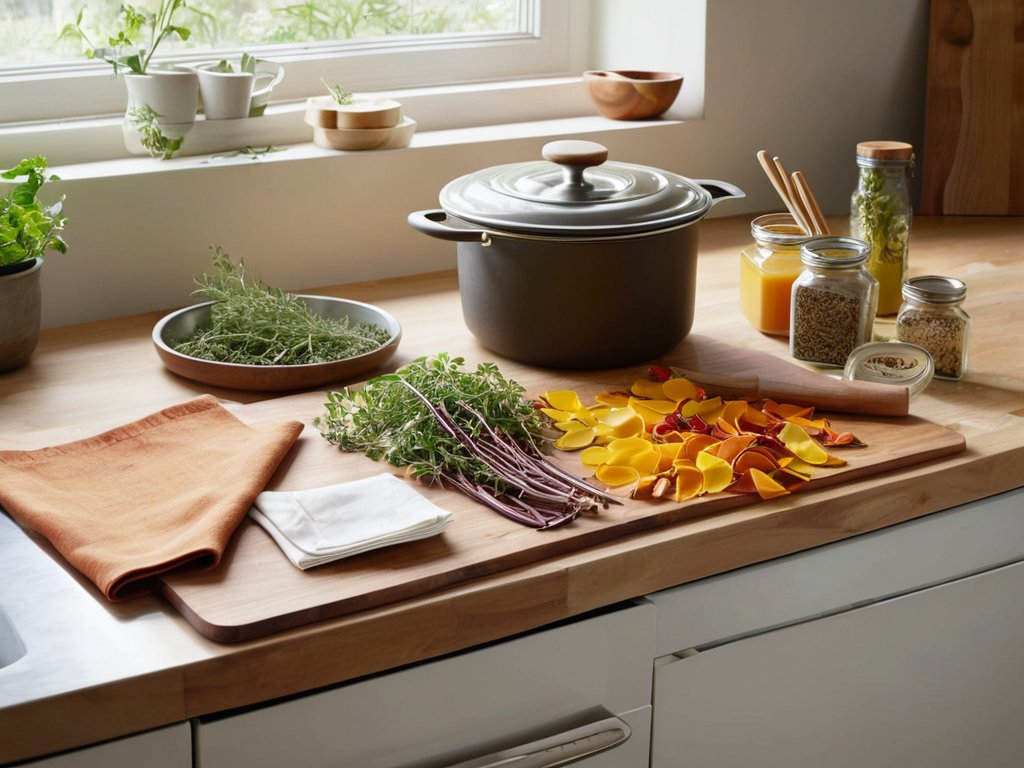
- Plan meals around what you already have—use a weekly inventory list to spot ingredients before you shop
- Turn stems, peels, and ends into homemade stocks or flavor‑infused water, turning scraps into culinary gold
- Buy in bulk and transfer to reusable containers; a simple glass jar can replace dozens of single‑use packages
- Embrace “root‑to‑leaf” cooking by using every part of vegetables, from beet greens to carrot tops
- Freeze surplus produce in portioned bags or make sauces and freezer‑ready meals to avoid last‑minute waste
Key Takeaways
Embracing zero‑waste cooking turns leftovers into cultural bridges, letting us share flavors while cutting waste.
Batch‑cook with mindful portioning and repurpose surplus ingredients, creating versatile meals that honor both palate and planet.
Compost scraps and choose plastic‑free storage to close the loop, turning kitchen waste into fertile ground for future harvests.
Zero Waste Cooking: A Recipe for Global Harmony
When we turn every peel, stem, and stray grain into a dish, we’re not just feeding ourselves—we’re weaving a story of respect across borders, one plate at a time.
Alexandra Thompson
Conclusion
Looking back over what we’ve unpacked, the core of zero waste cooking is simple yet powerful: plan deliberately, embrace every ingredient, and close the loop before anything slips into the bin. We walked through a step‑by‑step framework—from inventory checks and smart shopping lists to creative repurposing of stems, skins, and leftovers. The global kitchen practices we highlighted showed how cultures from Kyoto’s nori‑savvy households to Oaxaca’s mole‑making traditions already embody waste‑free wisdom. Our batch‑cooking ideas turned surplus produce into nourishing meals, while the compostable‑scrap guide and plastic‑free storage tips gave you tools to keep the cycle clean and circular.
In the end, every plate we plate becomes a small diplomatic mission—an invitation for neighbours, friends, and strangers to share a story that transcends borders. When we choose a root vegetable over a disposable wrapper, we are not just cutting waste; we are weaving a thread of shared stewardship that links the bustling markets of Delhi to the quiet farms of Iceland. I carry this conviction wherever my vintage globes spin, reminding me that the world feels a little tighter when we honor what the earth gives us. So I challenge you: let your next meal be a conversation, a pledge, and a proof that sustainable cooking can be as rich and diverse as the cultures we cherish.
Frequently Asked Questions
How can I start a zero‑waste kitchen on a tight budget without sacrificing variety?
Starting a zero‑waste kitchen on a shoestring is more about mindset than money. I begin by scouting my neighbourhood market for imperfect produce—often half‑price and full of flavour—and buying staples like rice, beans, and lentils in bulk, using my own jars. I rotate herbs and spices from small, refillable containers, and turn every peel, stem, or stale crumb into a broth or compost. Finally, I swap recipes with friends, so variety grows from shared creativity, not cost.
What are the best ways to store fresh produce long‑term without using plastic containers?
I keep my vegetables thriving for weeks by swapping plastic for breathable alternatives. A cotton‑linen produce bag lets leafy greens stay crisp, while beeswax‑coated cloth wraps gently seal sliced fruit without suffocating it. For root crops, I bury carrots, beets and potatoes in a cool, dark cellar lined with sand or sawdust. Ceramic crocks filled with a brine solution preserve cucumbers and peppers, and glass jars with a damp cloth lid keep herbs fresh longer.
Can you suggest simple meal‑prep ideas that turn common leftovers into exciting new dishes?
I’ve learned that a few humble leftovers can become the centerpiece of a fresh meal. Turn yesterday’s roasted veg into a vibrant grain‑bowl: toss with quinoa, a drizzle of tahini, and pomegranate seeds. Shred stale naan into crispy croutons for lentil soup. Combine wilted greens with cooked rice, a splash of soy‑ginger sauce, and a fried egg for a quick fried‑rice‑style stir‑fry. A pinch of curiosity makes each repurposed bite feel like a new adventure.