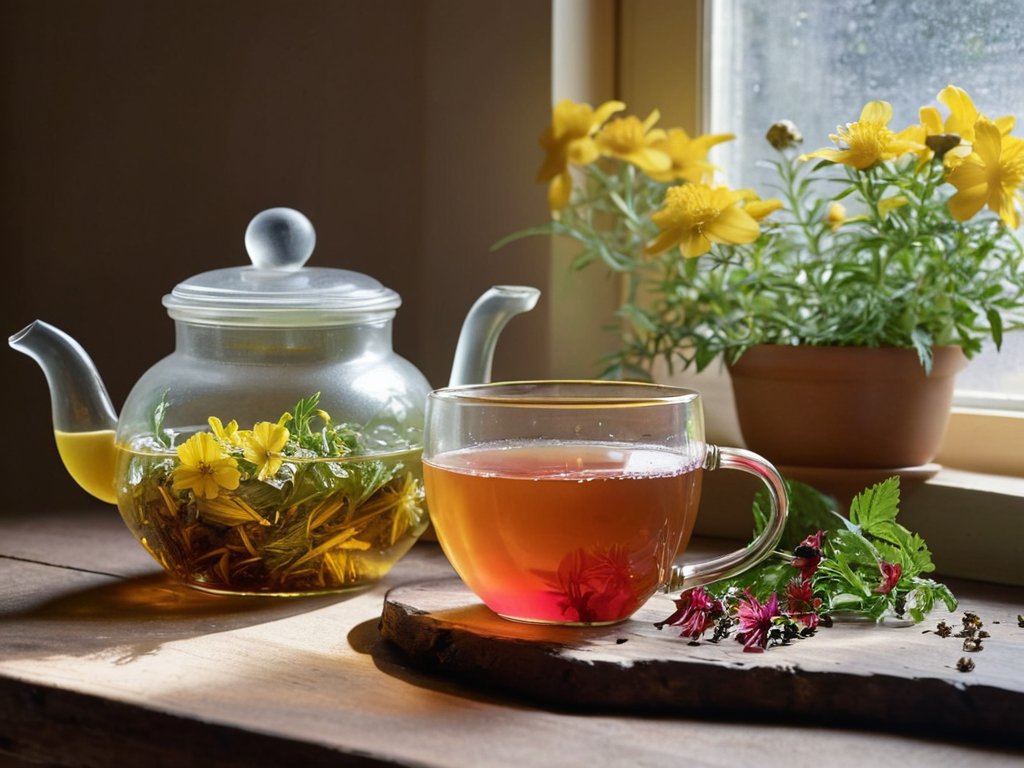
I was perched on a rickety wooden bench in a high‑altitude tea house in Ladakh, the wind tugging at my scarf, when the kettle sang and the attendant poured a steaming cup of nettle infusion. In that moment I realized that herbal teas for health are not just a trendy wellness buzzword—they’re a centuries‑old conversation between the land and the body. The bright, slightly bitter sip reminded me of the countless evenings I’ve spent swapping stories over vintage globes, and it sparked a question that has followed me from the corridors of the United Nations to the backrooms of remote villages: how do we separate genuine healing from marketing hype?
In the next few minutes I’ll walk you through the three practical steps that have helped me, from the bustling streets of Delhi to a quiet monastery in the Andes, to choose the right herb, brew it without losing its potency, and listen to what your body is actually telling you. Expect no‑fluff charts, dosage tips grounded in field research, and a quick checklist you can print before your next tea ritual, for lasting wellness and mindful moments.
Table of Contents
Project Overview
Total Time: 30 minutes to 1 hour (including steeping time)
Estimated Cost: $15 – $30
Difficulty Level: Easy
Tools Required
- Kettle or pot ((electric or stovetop))
- Tea infuser or fine mesh strainer
- Measuring spoons ((1‑teaspoon and 1‑tablespoon sizes))
- Mortar and pestle ((optional, for crushing whole herbs))
- Heat‑proof mug or teacup
Supplies & Materials
- Dried herbs (e.g., chamomile, peppermint, ginger, hibiscus, lemon balm) (Choose 1‑2 varieties per blend)
- Honey or natural sweetener (Optional, to taste)
- Lemon slices or fresh mint leaves (Optional garnish)
- Filtered water
Step-by-Step Instructions
- 1. First, I gather the right ingredients. I head to the local market (or my kitchen pantry) and select fresh, organic herbs—think peppermint, chamomile, ginger, or turmeric—making sure each leaf or root is free from dust and pesticides. I also keep a small notebook to jot down the origin of each herb, because knowing where it comes from adds a layer of respect and curiosity to the brew.
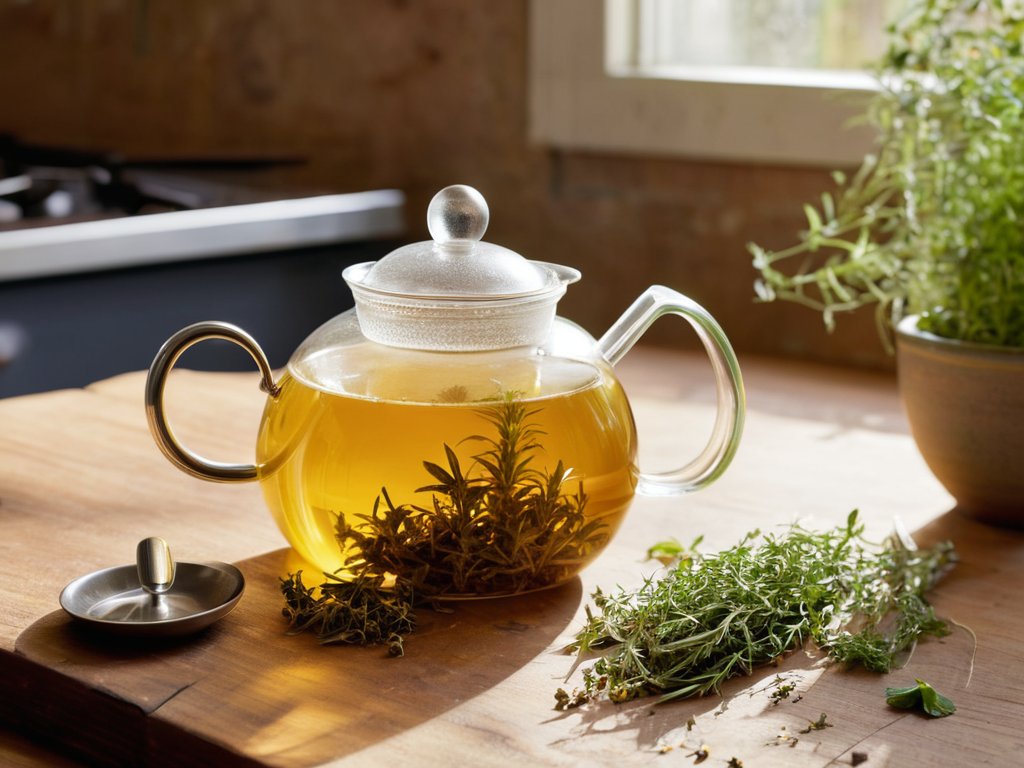
- 2. Next, I prepare a clean brewing vessel. I rinse a glass teapot or stainless‑steel kettle with hot water to warm it up, which helps maintain the tea’s temperature longer. While the vessel heats, I measure out roughly one teaspoon of dried herbs per cup (or a generous tablespoon of fresh leaves) and place them in a reusable tea infuser or a muslin cloth bag.
- 3. Then, I steep with intention. I pour water heated just below boiling—about 95 °C for delicate greens like lemongrass, and a rolling boil for robust roots like ginger—over the herbs. I set a timer for 3–5 minutes, watching the liquid turn amber, and I use this pause to reflect on the cultural story behind the tea, whether it’s a Himalayan yak butter tradition or a Japanese sencha ceremony.
- 4. After steeping, I strain and personalize the brew. I gently press the infuser to release any lingering essence, then taste the tea. If it feels too bitter, I add a splash of raw honey or a slice of lemon; if it’s too mild, a pinch of sea salt or a dash of cinnamon can deepen the flavor. I always note the adjustments in my notebook for future reference.
- 5. Finally, I enjoy mindfully. I pour the tea into a favorite cup—perhaps a vintage ceramic I collected in Morocco—and sit by a window, allowing the aroma to guide my thoughts. I sip slowly, feeling the warmth travel through my body, and I take a moment to consider how this simple ritual connects me to the farmers, the climate, and the centuries of tradition behind each leaf.
- 6. To keep the ritual sustainable, I store the herbs properly. I transfer any leftover dried herbs into airtight glass jars, label them with the date and origin, and store them in a cool, dark pantry. Fresh herbs get a damp paper towel and a zip‑lock bag in the fridge, extending their life by a few days. By preserving the herbs carefully, I ensure each future cup remains as vibrant and health‑fulfilling as the first.
Herbal Teas for Health Global Brews That Unite
When I first tasted a pine‑needle infusion in the mist‑cloaked highlands of Oaxaca, I realized that the timing of each sip can be as purposeful as the ingredients themselves. Morning is ideal for a gentle immune boosting herbal tea blend, letting the spices mingle with your first breath and set a resilient tone for the day. By mid‑afternoon, a lighter rooibos‑based brew can smooth the post‑lunch lull without the spike of caffeine, while an evening chamomile‑lemon mix helps wind down. I always keep a modest herbal tea dosage recommendation in mind—about one to two teaspoons of dried leaves per cup—to avoid over‑concentration, especially when the blend leans heavily on potent adaptogens like ashwagandha or elderflower.
On the road, I’ve learned that the story behind a cup matters as much as the flavor. In the bustling markets of Kathmandu, vendors stress the importance of organic herbal tea sourcing, explaining how shade‑grown, pesticide‑free leaves retain more antioxidant rich tea ingredients than their mass‑produced counterparts. When you can trace a tea back to a small‑scale farmer who harvests sustainably, you’re not just drinking a detoxifying tea recipe—you’re supporting a community’s health and preserving the biodiversity that makes each brew unique. This mindfulness turns every cup into a quiet act of global solidarity.
Detoxifying Tea Recipes for Mindful Renewal
When I was stationed in the highlands of Oaxaca, I watched a grandmother coax a simmering pot of hibiscus, cinnamon, and a pinch of dried orange peel into a crimson brew. She called it “té de desintoxicación,” a ritual she swore cleared the mind after the day’s market chatter. I tried it that evening, letting the tart‑sweet steam curl around my senses, and felt lightness that lingered long after the last sip.
Back in Delhi, I paired the Ayurvedic staples—turmeric, fennel seed, and fresh mint—into an amber infusion I sip before sunrise, letting the golden hue mirror the city’s light. The ritual isn’t about cleansing; it’s a pause, a mindful invitation to release lingering stress and invite clarity. Across continents, these blends remind me that detox can be as quiet as a shared cup, a moment where geography and intention converge.
Immune Boosting Herbal Tea Blends Across Cultures
One of my favorite moments on the road was swapping tea recipes with a family in the hills of Darjeeling, where they steep fresh tulsi leaves with a pinch of ginger and a drizzle of jaggery. The fragrant brew feels like a warm hug against the monsoon chill, and the combination of eucalyptol‑rich basil and zingy ginger is a time‑tested shield against colds. Across the Pacific, my host in a small coastal town of Hokkaido introduced me to yuzu‑infused green tea, its citrus sparkle marrying the antioxidant power of catechins with vitamin C‑laden fruit—perfect for bolstering immunity during the harsh winter months. In the sun‑baked valleys of Oaxaca, I learned to simmer hibiscus petals with cinnamon, clove and a splash of lime; the ruby‑red concoction, known locally as agua de jamaica, delivers a tart, polyphenol‑rich punch that feels both festive and restorative. Each blend, rooted in its own geography and tradition, reminds me how a simple cup can carry centuries of communal health wisdom.
Key Takeaways
Herbal teas act as cultural bridges, offering health benefits rooted in centuries‑old traditions from around the world
Immune‑boosting blends—whether it’s Indian tulsi, Russian sea buckthorn, or Mexican hibiscus—share antioxidant profiles that can help fortify your body’s defenses
Detoxifying teas support mindful renewal, but their best impact comes when paired with adequate hydration, balanced nutrition, and restful sleep
Steeping Wellness Across Borders
A cup of herbal tea is more than a remedy; it’s a conversation between the earth and our bodies, reminding us that health is a shared story written in leaves and water.
Alexandra Thompson
Conclusion
Looking back on our journey through the world of herbal teas for health, I’m reminded how a simple infusion can be both medicine and story. We began by mapping the basic steps—selecting fresh leaves, measuring, steeping, and savoring—so anyone can brew with confidence. From there we trekked across continents, tasting the immune‑boosting blends of South‑Asian tulsi, the immune‑supporting rooibos of South Africa, and the adaptogenic yak‑root concoctions of the Himalayas. We also uncovered detoxifying recipes that pair lemon‑bright ginger with cleansing dandelion or cooling mint, each designed for mindful renewal. Together these traditions illustrate how herbs, water, and intention unite to nurture body and spirit.
As I close this cup‑filled chapter, I hope the stories behind each blend inspire you to become a traveler of taste as much as a seeker of wellness. The next time you lift a steaming mug, picture the sunrise over the Khasi hills where ginger meets green tea, or the quiet tea‑house in Kyoto where matcha whispers of centuries‑old healing rituals. Let those images remind us that health is never a solitary pursuit; it is a shared conversation across borders, a gentle invitation to pause, breathe, and reconnect with the world. May your daily brew be a passport to curiosity, a bridge to new friendships, and a quiet act of global solidarity that ripple across continents.
Frequently Asked Questions
Which herbal teas are safest to drink daily for immune support?
I’ve found that a few gentle, well‑studied herbs make reliable daily allies for the immune system. Green tea offers catechins and EGCG, while ginger‑lemon tea delivers warming anti‑inflammatory zing. Elderflower or echinacea infusions can be soothing, but I keep them to a cup a day to avoid overstimulation. A modest cup of rooibos, rich in antioxidants and caffeine‑free, rounds out the routine. Consistency, moderate portions, and listening to your own body are the safest recipe.
How do I adjust traditional herbal tea recipes to suit my local ingredients while preserving their health benefits?
When I’m abroad, I start by mapping the key “hero” herb in a recipe—its flavor profile and the health claim it carries. Then I hunt for a local cousin that mirrors those qualities: for a chilly Russian chaga brew, I might swap in our native reishi; for a Mediterranean sage infusion, wild rosemary from the hills works just as well. Keep the ratios similar, preserve the steeping time, and add a pinch of native honey or citrus to balance taste while letting the original benefits shine.
Can I combine multiple herbal blends for a synergistic effect, and are there any contraindications I should watch out for?
Yes, I love layering herbs so their benefits amplify—like a calming chamomile‑lavender base brightened with ginger for circulation, or hibiscus‑rosehip paired with a touch of echinacea for immunity. Just watch for overlapping actions: avoid mixing multiple stimulants (guarana, ephedra) if you’re sensitive to heart‑rate spikes, and steer clear of blood‑thinners (ginkgo, high‑dose cinnamon) when on anticoagulants. When in doubt, a quick chat with a trusted herbalist or your doctor keeps the brew both pleasant and safe.


