Mid‑flight, the cabin lights dimmed and the stewardess placed a tray of bright green smoothies in front of me. I was on a diplomatic mission to a remote Himalayan village, and the last thing on my mind was a detox meal plan—yet there I was, sipping a concoction that tasted of fermented ginger and wild honey, while the engine hummed beneath us. My usual skepticism about “quick cleanse” trends surged, but the reality in that cramped seat was different: the promise of cleansing was less about starving the body and more about honoring the rhythms of the places we travel through. I realized then that a true detox is a conversation between culture, climate, and the foods we allow ourselves to truly digest.
In the guide below, I’ll strip away the hype and give you a step‑by‑step detox meal plan that respects your schedule, budget, and the flavors I’ve collected from Delhi street stalls to Icelandic farms. You’ll get a three‑day grocery list, simple prep hacks, and cultural notes that explain why each ingredient matters, so you can feel energized without sacrificing the stories behind your food.
Table of Contents
- Project Overview
- Step-by-Step Instructions
- Detox Meal Plan a Global Journey Through Cleanse Culture
- From Kitchen to Community Anti Inflammatory Detox Foods Explained
- Sipping Stories Cleanse Smoothie Recipes That Unite Traditions
- Five Essential Tips to Keep Your Detox Journey Grounded and Global
- Key Takeaways
- A Fresh Lens on Cleansing
- Conclusion: Weaving Health and Heritage
- Frequently Asked Questions
Project Overview
Total Time: 1 week planning and prep, then 30 minutes daily cooking
Estimated Cost: $30 – $60 per week
Difficulty Level: Easy to Intermediate
Tools Required
- Chef’s Knife (Sharp, 8‑inch blade preferred)
- Cutting Board (Non‑slip, preferably wood or bamboo)
- Blender (High‑speed for smoothies and soups)
- Steamer Basket (Fits inside a pot for vegetables)
- Measuring Cups and Spoons (Standard set)
- Food Scale (For accurate portion control)
- Glass Storage Containers (Meal‑prep sized, BPA‑free)
Supplies & Materials
- Mixed Leafy Greens (Spinach, kale, arugula)
- Cucumber (Sliced for salads and water infusion)
- Lemon (Fresh juice for dressing and detox water)
- Fresh Ginger (Grated for smoothies and teas)
- Turmeric Powder (Anti‑inflammatory, add to soups)
- Apple Cider Vinegar (Organic, unfiltered)
- Quinoa (Whole‑grain base for bowls)
- Chia Seeds (Soaked for pudding or added to smoothies)
- Almond Milk (unsweetened) (For smoothies and overnight oats)
- Fresh Berries (Blueberries, strawberries for antioxidants)
- Garlic (Minced for flavor and detox benefits)
- Herbal Tea (e.g., dandelion, green tea) (For hydration and liver support)
- Olive Oil (extra‑virgin) (For dressings and light sautéing)
- Sea Salt (Moderate amount for electrolytes)
Step-by-Step Instructions
- 1. First, I pause to set my intention for the week ahead – a gentle reminder that this isn’t a punishment but a reset for body and mind. I write down a simple mantra (“ nourish, hydrate, reflect ”) and take a quick inventory of my pantry, removing processed snacks, sugary drinks, and anything that feels out of sync with the detox vibe. This clearing space makes room for fresh, purposeful ingredients and helps my kitchen feel like a sanctuary.
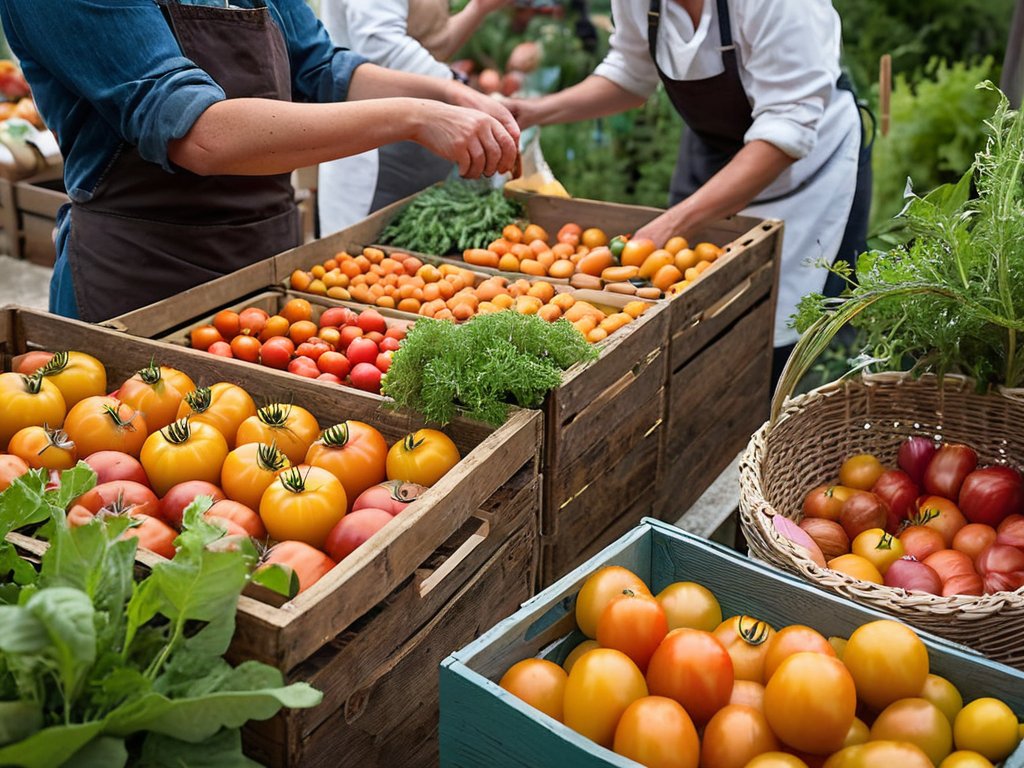
- 2. Next, I head to the local market (or the farmer’s stall in the nearest town) and hand‑pick seasonal produce that reflects the region’s climate – think crisp kale from the highlands, bright carrots from the valley, and fragrant herbs like cilantro or mint. Choosing locally‑sourced foods not only boosts flavor but also connects me to the community’s agricultural rhythm, turning each bite into a cultural exchange.
- 3. With the vegetables gathered, I prepare a nourishing broth as the foundation of my meals. I simmer water with sliced ginger, lemongrass, a splash of apple cider vinegar, and a handful of seaweed or mushroom stems for umami. After 20‑30 minutes, I strain the liquid, season lightly with sea salt, and keep the broth chilled in a glass jar – it becomes a warm, soothing base for soups, stews, and even a light sipping ritual at night.
- 4. For each main meal, I assemble a balanced plate: a generous serving of leafy greens, a colorful medley of roasted or lightly sautéed vegetables, a modest portion of plant‑based protein (like lentils, chickpeas, or tempeh), and a drizzle of healthy fat such as avocado oil or a few slices of ripe avocado. I sprinkle herbs and a pinch of turmeric or cumin to add depth, remembering that flavorful spices are the storytellers of global cuisines.
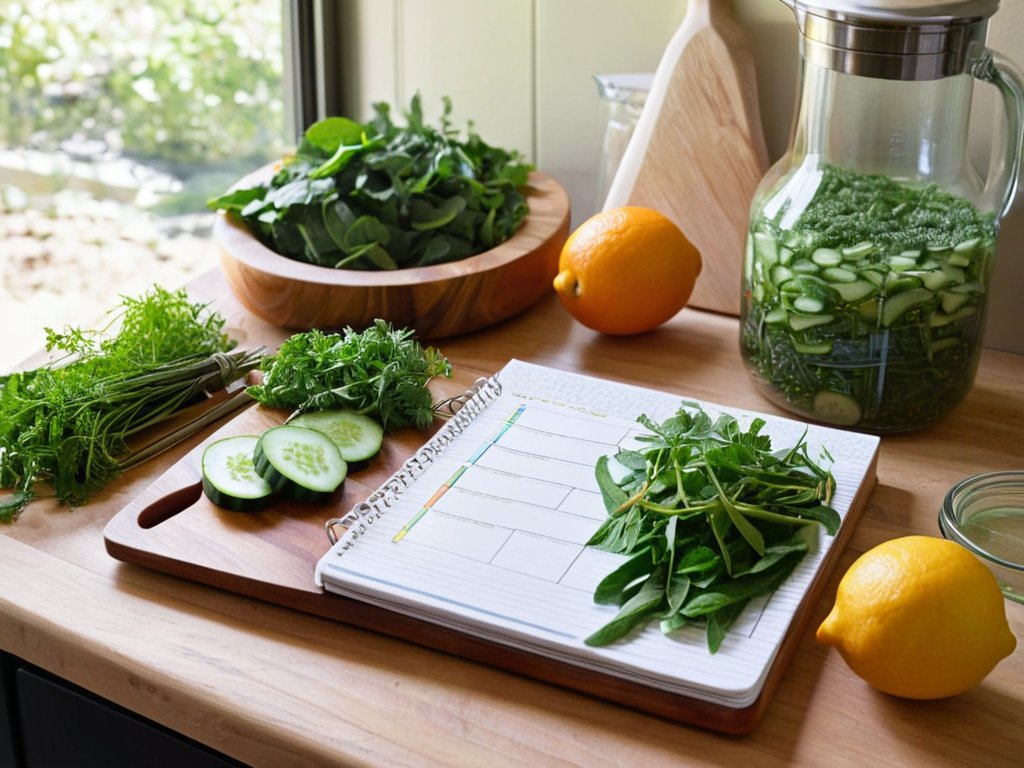
- 5. Hydration is the silent hero of any detox, so I commit to drinking at least eight glasses of water daily, interspersed with herbal teas like dandelion root, hibiscus, or peppermint. I infuse water with cucumber slices and a sprig of rosemary for a refreshing twist, turning the act of sipping into a mindful pause that grounds me between tasks.
- 6. Finally, I practice mindful eating by turning off screens, setting my plate on a wooden board, and chewing slowly, savoring each texture and aroma. After each meal, I jot a quick reflection in my travel journal – noting how the flavors remind me of a distant market I once visited or a conversation with a local farmer. This closing ritual transforms the detox from a diet into a storytelling journey that nurtures both body and curiosity.
Detox Meal Plan a Global Journey Through Cleanse Culture
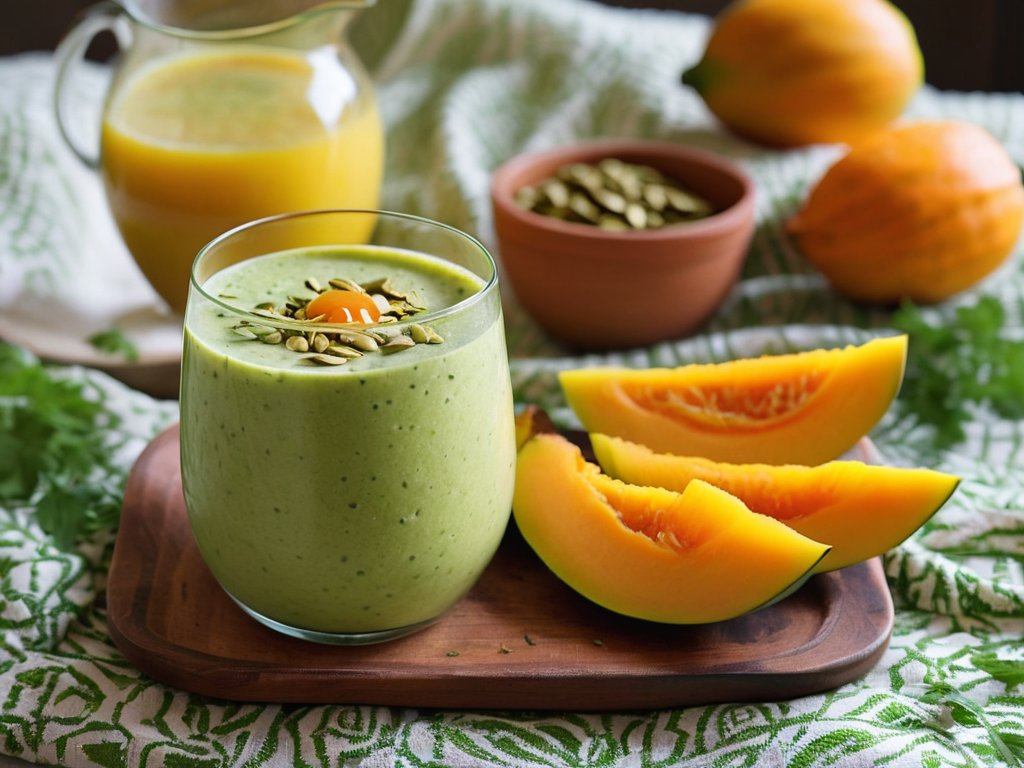
When I was stationed in Oaxaca, I discovered that a simple anti‑inflammatory detox foods lineup—think turmeric‑spiced carrots, ripe papaya, and a handful of toasted pepitas—can turn a routine cleanse into a celebration of place. I now start each morning with a cleanse smoothie recipe that blends local ingredients: a splash of kefir from the Andean highlands, frozen mango, a pinch of moringa powder, and a drizzle of honey harvested from nearby hives. The bright flavors not only wake the palate but also supply the antioxidants my body craves during a reset. Pair that with hydration tips for detox—adding a slice of cucumber, a few mint leaves, and a squeeze of lemon to still water—helps keep the system flushing gently, echoing the river rituals I witnessed in Kerala’s Ayurvedic retreats.
Planning ahead makes the journey smoother. I map out a detox meal prep schedule every Sunday, chopping vegetables and portioning detox snack options like spiced chickpeas or sea‑salted edamame so nothing feels like a compromise when the cravings hit. For breakfast, I rotate detox breakfast ideas—overnight oats with goji berries, a miso‑infused quinoa bowl, or a simple poached egg on rye—each chosen for its gut‑friendly fibers. By weaving these global touches into the gut health detox plan, the cleanse becomes less of a restriction and more of a passport to flavors that nourish both body and curiosity.
From Kitchen to Community Anti Inflammatory Detox Foods Explained
When I first walked through the bustling souks of Marrakech, a stall vendor offered me a bowl of golden turmeric lentil soup, its steam carrying whispers of centuries‑old anti‑inflammatory wisdom. That humble bowl reminded me that many of the foods we label ‘detox’ are simply age‑tested allies against chronic inflammation: turmeric’s curcumin, ginger’s zing, and the omega‑rich chia seeds that once floated in Andean rivers. Each ingredient works like a quiet diplomat, calming the body’s fire while supporting liver enzymes that filter toxins.
Back home, I’ve turned those lessons into communal tables: a weekly ‘anti‑inflammatory potluck’ where neighbors bring fermented kimchi, antioxidant‑dense blueberries, or a Moroccan carrot‑cumin salad. Sharing the dishes turns a personal cleanse into a collective narrative, reinforcing the idea that detox is less about isolation and more about weaving health into the fabric of community.
Sipping Stories Cleanse Smoothie Recipes That Unite Traditions
In the highlands of Oaxaca, a market vendor handed me a glass of hibiscus‑cacao agua fresca, its ruby hue promising sunrise in a cup. Later, in Delhi, my aunt swirled ripe mango with kala namak and probiotic curd, calling it ‘a gut sunrise.’ Those moments reminded me that a detox smoothie can be a passport stamped with spice, season, and story—not just a calorie count.
From those memories I built three blends. The first combines Peruvian camu camu powder, coconut water, and lime—a tang that echoes breezes. The second swirls Georgian quince purée, kefir, and a drizzle of honey, nodding to the country’s “wine‑of‑the‑earth” heritage. The third fuses African baobab, Ethiopian coffee, and frozen banana, a tribute to sunrise rituals. Each sip feels like a dialogue between my palate and the places that inspired it, while the antioxidants keep my liver humming.
Five Essential Tips to Keep Your Detox Journey Grounded and Global
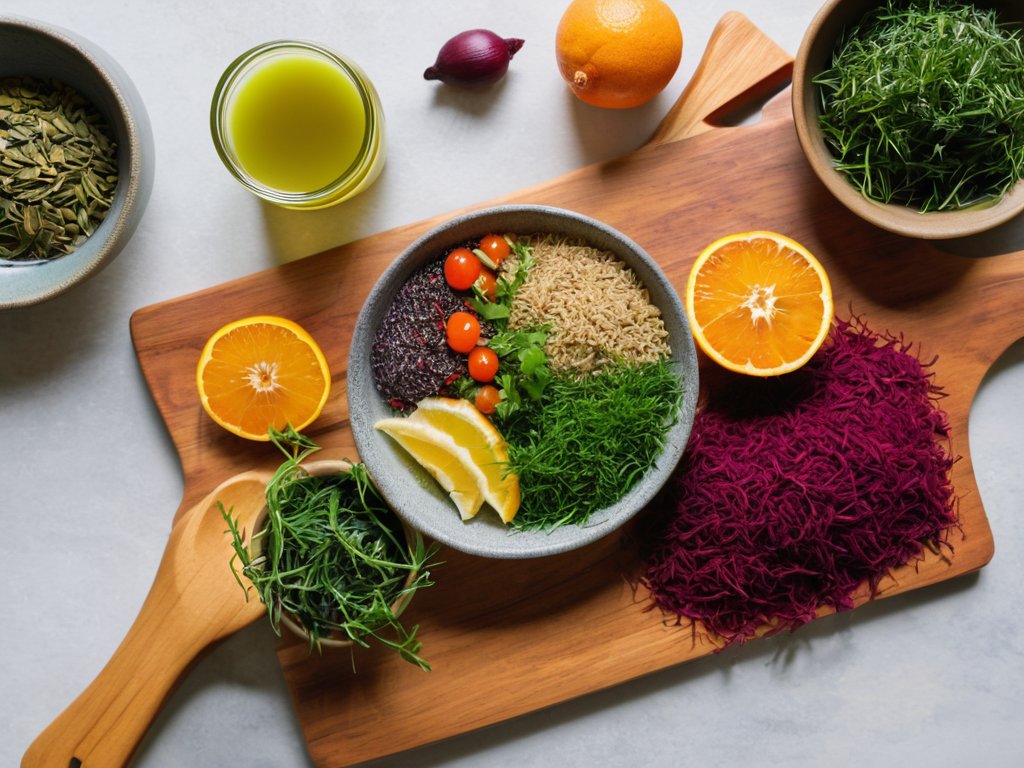
- Choose whole, seasonal ingredients—preferably sourced from local markets—to honor the land and keep the cleanse nutrient‑dense.
- Hydrate with infused water that reflects regional flavors (e.g., lemongrass‑lime, hibiscus‑mint) to add cultural zest while flushing toxins.
- Balance macro‑nutrients by pairing anti‑inflammatory veggies with plant‑based proteins (lentils, chickpeas, tofu) so you stay energized throughout the cleanse.
- Incorporate mindful pauses—short walks, breathwork, or listening to traditional music—to support mental detox and reinforce the cultural narrative of your meals.
- Document your experience daily, noting taste, mood, and any cultural connections you discover; turning the detox into a story deepens its impact and inspires others.
Key Takeaways
A detox plan isn’t just about what we eliminate—it’s a chance to invite flavors and practices from around the world, turning a cleanse into a cultural exchange.
Balancing anti‑inflammatory foods with mindful preparation (like spice‑infused broths or fermented drinks) sustains energy and supports gut health throughout the 7‑day journey.
Consistent hydration and community‑focused meals—whether sharing a turmeric‑lime smoothie in a Delhi courtyard or a beet‑ginger juice on a Scottish loch—turn personal wellness into a shared story that lasts beyond the cleanse.
A Fresh Lens on Cleansing
A detox meal plan isn’t just a reset for the body; it’s a passport to the flavors, stories, and traditions that nourish our shared humanity.
Alexandra Thompson
Conclusion: Weaving Health and Heritage
Throughout this guide we have mapped a detox meal plan that does more than strip away excess—it stitches together nutrition, tradition, and intention. Starting with the three‑day reset, we outlined how to phase in whole‑grain bases, plant‑rich proteins, and hydration, ensuring steady energy without the crash. The smoothie chapter reminded us that a single blend can carry the scent of a Moroccan mint tea, the tang of a Peruvian lucuma, and the soothing warmth of Indian turmeric, turning a sip into a cultural passport. By unpacking anti‑inflammatory staples—from Icelandic skyr to Mexican hibiscus—we showed how each ingredient carries a story of place and purpose, and how sharing these dishes can turn a kitchen into a community hub.
I invite you to let this detox meal plan become a passport for your own kitchen, a canvas where every bite sketches a new conversation. When you blend a mango‑lime smoothie at sunrise, think of the fishermen on a Thai coast who first harvested that fruit; when you stir turmeric‑spiced lentils, hear the echo of ancient spice routes that linked continents. By nourishing our bodies with these mindful choices, we also nourish the bridges between cultures, reminding us that health is a shared language. So gather the ingredients, invite a neighbor, and watch the simple act of cleansing transform into a celebration of global connections—one plate, one story, one heartbeat at a time.
Frequently Asked Questions
How can I modify the detox meal plan to honor my cultural food traditions without compromising its cleansing goals?
I love that you want your cleanse to feel like home. Start by swapping the generic greens for the leafy staples your family cherishes—think mustard leaves from Punjab or bitter melon leaves from West Africa—then pair them with the same light broth or lemon‑lime dressing. Keep the “clean” principle (minimal oil, no processed sugars) but honor spice traditions: a pinch of turmeric, a dash of berbere, or a whisper of asafoetida can boost metabolism and flavor without breaking the fast. Finally, honor communal rituals—share a small bowl of fermented kimchi or homemade pickles at the end of each day; the probiotics support detox while keeping the cultural thread alive.
What are the signs that my body is responding well—or not—to the detox, and when should I adjust the plan?
After a week I notice clearer skin, steadier energy, fewer afternoon cravings—those are my green lights. Conversely, lingering dizziness, persistent fatigue, or sudden irritability signal my body is protesting. If I’m losing more than a pound a day, or my bathroom trips become painful, it’s time to pause. I usually tweak the plan by adding a broth‑rich day, upping hydration, or re‑introducing a small serving of whole grains. Listening, not just counting, keeps the cleanse kind‑hearted.
Can I incorporate locally sourced, seasonal ingredients into the detox recipes while still maintaining their anti‑inflammatory benefits?
Absolutely—you can weave local, seasonal produce into every detox recipe without sacrificing its anti‑inflammatory power. I start by mapping the region’s peak harvest (think spring ramps, summer berries, autumn root veg) to the nutrients I need: omega‑3s, curcumin, quercetin, and vitamin C. Swap kale for native mustard greens, or turmeric‑spiced broth for locally‑grown ginger broth; the phytochemicals stay intact, and you get the added bonus of supporting farmers and preserving the season’s story in each sip.