Ever found yourself in a tiny kitchen on a plateau in Patagonia, juggling a portable stove, a handful of dried beans, and the ambition to craft a balanced meal prep plan—only to end up with a soggy, flavor‑less mash that feels more like a chore than a celebration? I’ve been there, watching the sunrise over the Andes while wondering why every “quick‑fix” guide seems to ignore the very thing that makes food meaningful: the cultural context and the simple joy of a well‑proportioned plate. Let’s unpack that myth together.
Soon I’ll walk you through a balanced meal prep plan that works whether you’re stationed in a bustling Delhi market or a cottage in the Scottish Highlands. You’ll learn how to portion protein, carbs, and vegetables without a calculator, source affordable ingredients that honor local flavors, and build a reusable prep routine that survives power cuts and travel delays. By the end of this guide, you’ll have a flexible playbook that turns any kitchen—no matter how modest—into a launchpad for nutritious, culturally resonant meals. And yes, you’ll have room for that cup of chai you love on a rainy afternoon.
Table of Contents
- Project Overview
- Step-by-Step Instructions
- Crafting a Balanced Meal Prep Plan That Bridges Cultures
- Macrobalanced Meal Prep Recipes for Global Palates
- Timesaving Meal Prep Strategies With Portion Control Tips
- Key Takeaways: Balancing Nutrition, Culture, and Time
- Nourishing Balance Across Borders
- Bringing It All Together
- Frequently Asked Questions
Project Overview
Total Time: 3 hours 45 minutes
Estimated Cost: $40 – $70
Difficulty Level: Intermediate
Tools Required
- Chef’s Knife ((8-inch, sharp for chopping))
- Cutting Board ((preferably non-slip))
- Food Scale ((digital, for portion control))
- Large Stockpot ((for cooking grains and beans))
- Sheet Pan ((for roasting vegetables))
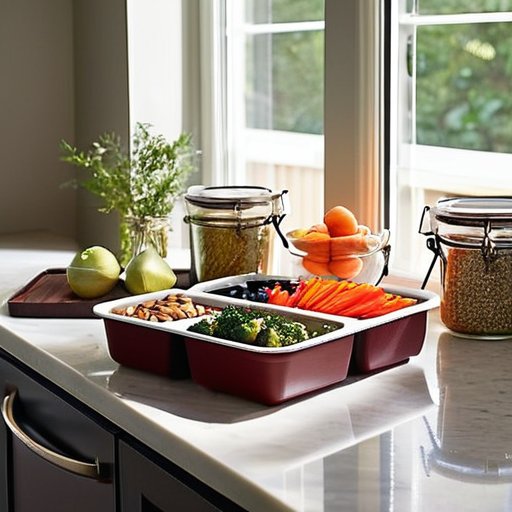
- Meal Prep Containers ((BPA‑free, with compartments))
Supplies & Materials
- Chicken Breast (≈ 1.5 pounds, boneless, skinless)
- Brown Rice (2 cups uncooked)
- Quinoa (1 cup uncooked)
- Mixed Vegetables (e.g., broccoli, bell peppers, carrots (about 4 cups total))
- Olive Oil (2 tablespoons for cooking)
- Seasonings (Salt, pepper, garlic powder, paprika)
- Legumes (Canned chickpeas or black beans (1 can, drained))
- Fresh Herbs (Parsley or cilantro for garnish)
Step-by-Step Instructions
- 1. First, I sit down with a notebook and audit my pantry, pulling out staples from my London flat and the spices my Delhi kitchen never parts with; I note what’s plentiful, what needs restocking, and set a theme for the week that reflects the cultures I love most.
- 2. Next, I calculate my macronutrient ratios based on my activity level and any dietary preferences, using a simple spreadsheet to balance protein, carbs, and fats, then I translate those numbers into concrete portion sizes for each meal.
- 3. Then I sketch a menu map, drafting three breakfast, three lunch, and three dinner options that weave together lentils, whole grains, seasonal veg, and lean proteins, ensuring each dish includes at least one ingredient from a different continent to keep my palate traveling.
- 4. After the menu is set, I head to the market with a shopping list organized by aisle, buying fresh produce, pantry basics, and a few surprise items—like Ethiopian berbere or Mexican chorizo—to inject unexpected flavor, and I budget wisely by prioritizing bulk buys.
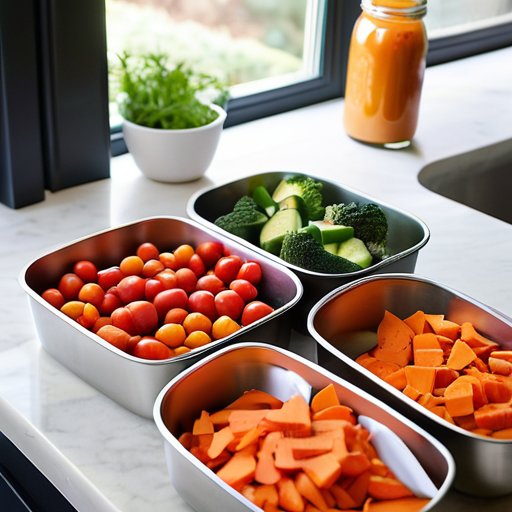
- 5. Back home, I batch‑cook the foundations: I roast a tray of mixed root vegetables, simmer a pot of quinoa‑bulgur blend, and grill a batch of marinated chicken or tofu, labeling each container with the date and a quick serving suggestion.
- 6. Finally, I assemble individual meal kits in reusable containers, pairing proteins with grains, veggies, and a splash of sauce, sprinkling a cultural garnish—such as fresh cilantro or toasted sesame seeds—and I store them in the fridge for easy grab‑and‑go meals throughout the week.
Crafting a Balanced Meal Prep Plan That Bridges Cultures
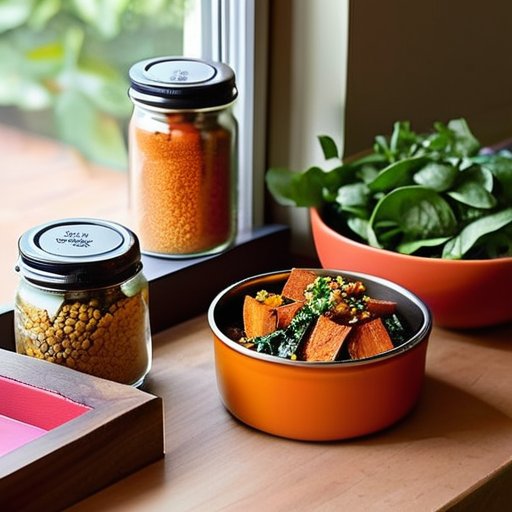
When I start my Sunday kitchen ritual, I treat the pantry like a passport — each spice jar is a ticket to another corner of the world. By swapping a Western‑style grain for red kunni in an Indian dal, or pairing Ethiopian injera with a Mexican‑inspired black‑bean salsa, I can build macro‑balanced meal prep recipes that honor both protein, carbs and healthy fats while telling a story on the plate. A quick portion control meal prep tip that never fails me is to use a set of colour‑coded containers: green for leafy vegetables, orange for complex carbs, and purple for lean proteins, which makes the visual check‑in as satisfying as the flavors themselves.
I also keep an eye on the wallet, because good food shouldn’t be a luxury. Planning a budget‑friendly balanced meals week means buying seasonal produce at local markets—think Moroccan carrots in winter or Peruvian quinoa in summer—and stretching them across a time‑saving meal prep strategy such as batch‑cooking a single broth that can be repurposed into soups, stews, and quick‑simmered grain bowls. The result is a weekly calendar that feels like a culinary road‑trip, yet fits neatly into a busy schedule and nourishes body and curiosity alike.
Macrobalanced Meal Prep Recipes for Global Palates
I’ve learned that a macro‑balanced plate can be a passport to another kitchen. I start with a Moroccan chickpea tagine, simmered in ras el hanout and olive oil, paired with quinoa for carbs and toasted almonds for healthy fats. Later in the week I swap in Japanese salmon teriyaki, glazing the fish with low‑sodium soy, ginger, and sesame oil, served over brown rice and edamame to hit protein and fiber.
For a quick lunch I toss black beans, corn, and diced avocado into a Mexican‑spiced quinoa bowl, finishing with lime juice and cilantro; the beans supply plant protein, the avocado provides monounsaturated fat, and the quinoa steadies the glycemic load. By portioning each dish into 4‑oz protein, ½‑cup carbs, and a tablespoon of fat, I can see the numbers on my phone and feel like I’m traveling the world with every bite.
Timesaving Meal Prep Strategies With Portion Control Tips
I’ve learned that the fastest way to keep a week‑long menu both exciting and nutritionally sound is to treat the prep table like a miniature marketplace—lay out a handful of “global staples” (a sack of quinoa, a tin of chickpeas, a bundle of frozen edamame, a jar of kimchi) and then assign each a pre‑measured container the size of a vintage globe I keep on my kitchen shelf. While the grains steam, I batch‑cook the proteins, chopping a medley of spices that echo the street food stalls of Delhi, Marrakech, and Oaxaca. When the timer dings, I portion everything into clear, compartmentalised boxes: half a cup of carbs, a palm‑sized serving of protein, and a generous scoop of vegetables, leaving a small “spice slot” for a drizzle of tahini or a splash of soy‑ginger sauce. This visual cue not only trims prep time to under an hour on Sunday, but it also forces me to respect portion boundaries, so each lunch feels balanced without the guesswork of calorie counting.
Key Takeaways: Balancing Nutrition, Culture, and Time
A truly balanced meal prep blends macro‑nutrient ratios with flavors from around the world, proving that health and heritage can coexist on one plate.
Portion control isn’t just about calories—it’s a passport to tasting diverse cuisines without overindulging, using measured servings to keep meals light yet satisfying.
Smart batch‑cooking techniques—like prepping base grains, proteins, and sauces separately—let you mix‑and‑match global dishes throughout the week, saving time while keeping every meal fresh and exciting.
Nourishing Balance Across Borders
A balanced meal‑prep plan is more than a checklist of macros; it’s a daily ritual that stitches together the flavors of distant kitchens, the rhythms of our bodies, and the stories we carry from one continent to the next.
Alexandra Thompson
Bringing It All Together
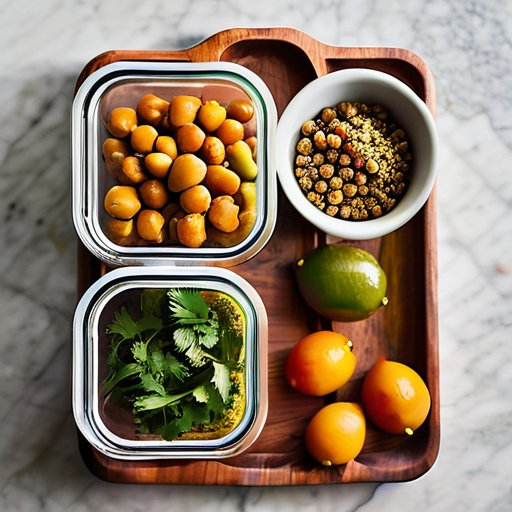
Throughout this guide we have traced the arc from a simple idea—pre‑planning our plates—to a balanced meal prep plan that honors both nutrition and narrative. I walked you through the step‑by‑step framework, then showed how a handful of macro‑balanced recipes can speak to global palates, pulling flavors from Delhi’s spice markets to Lisbon’s olive groves. We unpacked time‑saving tricks, from batch‑cook cycles to smart portion containers, ensuring that each serving stays nutritionally sound without demanding hours in the kitchen. In short, the plan fuses health, efficiency, and cultural curiosity into a single, repeatable routine.
Imagine your kitchen as a crossroads where diplomacy meets dough, where the scent of cumin can spark a conversation about climate policy, and where a humble lunchbox becomes a passport to tomorrow’s dinner table. By embracing the structures we’ve outlined, you are not just feeding a body—you are nurturing a dialogue that stretches across continents. I invite you to experiment, to swap stories with neighbors, and to let each prep session become a small act of cultural exchange, much like the vintage globes that line my study, each one a reminder that the world is both vast and intimately connected. May every bite you pack today echo the promise of a more interconnected, healthier future.
Frequently Asked Questions
How can I adapt a balanced meal‑prep plan to honor the dietary customs and restrictions of different cultures I encounter?
Whenever I land in a new neighborhood, I start by listening—talking to locals, reading community cookbooks, and noting prayer‑time fasting windows or halal, kosher, vegetarian mandates. I then map those guidelines onto my macro ratios, swapping beans for lentils, coconut milk for dairy, or spicing with regional herbs. Batch‑cook a versatile base (grain, protein, veg) and keep sauces separate, so each family can assemble plates that respect both nutrition and tradition.
What are affordable, sustainable ways to source diverse, nutrient‑rich ingredients while traveling or living in remote areas?
Whenever I set up camp in a village, I start by chatting with market elders about what’s in season; a handful of beans, millet or wild greens often costs less than a packaged snack. I trade a few photographs from my travels for herbs, and I join gardens where seedlings are shared freely. Drying chilies, fermenting cabbage, and buying bulk pulses from co‑ops let me keep meals varied, nutritious, and gentle on my wallet and the environment.
How can I store and transport pre‑prepared meals safely when moving between climates and time zones?
I always start by vacuum‑sealing each dish in a BPA‑free bag, then nest those bags in a hard‑sided cooler lined with reusable ice packs (or dry ice for longer hauls). A thermal insulated tote keeps the cold side below 40 °F, while a separate insulated flask maintains hot meals above 140 °F. Pack a small digital thermometer, label every container with the prep date, and give yourself a two‑hour buffer after crossing time zones before reheating. This “cold‑and‑hot” double‑layer system lets the food stay safe and tasty, whether you’re hopping from a Delhi monsoon market to a London rain‑soaked office.