I still remember stepping into a cramped street‑side kitchen in Hoi An, the air thick with the fragrant swirl of lemongrass and ginger, while a battered steel steamer hissed like a restless train. The chef—a silver‑haired grandmother who had been perfecting the steaming technique for decades—lifted a lid to reveal glistening fish parcels that seemed to steam out stories of the Mekong. Watching that simple, almost reverent ritual, I realized that all the glossy kitchen gadgets and pricey cookbooks were missing the point: steam isn’t a gimmick, it’s a conversation between heat and water.
In the pages that follow I’ll strip away the hype and hand you an no‑nonsense guide to mastering that humble steamer, whether you’re cramped in a London flat or camping beside the Ganges. Expect practical tips on temperature control, timing tricks I learned from a rooftop market in Kathmandu, and a quick rundown of the three dishes that prove steam can be as bold as any grill. By the end, you’ll be able to let steam do the talking, turning everyday meals into cross‑cultural conversations and a pinch of curiosity.
Table of Contents
- The Steaming Technique a Global Lens on Culinary Tradition
- How to Steam Fish for Maximum Flavor and Weightloss Benefits
- Steaming Nutrient Preservation Tips and Safety Guidelines for Home Cooks
- From Kitchen to Culture Why Steaming Beats Boiling
- Benefits of Steaming vs Boiling Health Flavor and Tradition
- Steaming Time Guidelines for Vegetables Achieving Perfect Crunch
- Steaming Savvy: Five Essentials for Perfect Results
- Key Takeaways
- The Whisper of Steam
- Wrapping Up the Steam Journey
- Frequently Asked Questions
The Steaming Technique a Global Lens on Culinary Tradition
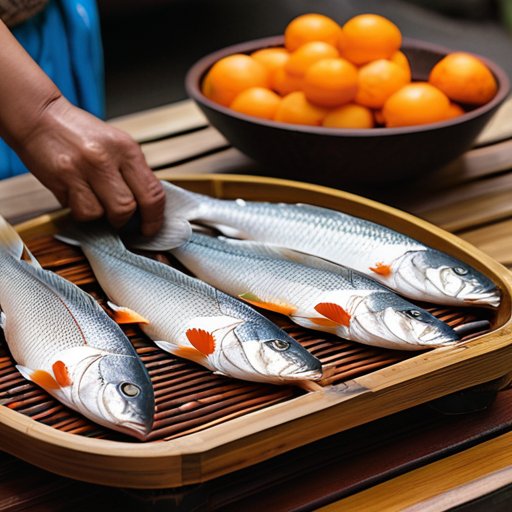
I’ve watched street vendors in Hanoi fold bamboo steamers over glistening fish, and I’ve sat beside a Māori marae where kumara is tucked into a woven basket over hot stones. The act of how to steam fish for maximum flavor becomes a quiet ceremony—salt, ginger, a splash of sake—each element whispering its own story. In those moments, I’m reminded why the benefits of steaming vs boiling feel less like a kitchen shortcut and more like a cultural dialogue, preserving the fish’s delicate texture while letting the broth carry its aroma across the table.
Back home, I keep a notebook of steaming time guidelines for vegetables—broccoli at 4 minutes, carrots at 6, and delicate greens no longer than 2—to lock in that emerald punch. The science aligns with the folklore: steaming keeps up to 90 % of vitamins, a fact that fuels my advocacy for steaming nutrient preservation tips in families. For anyone eyeing a lighter plate, remember that steaming for weight loss isn’t a fad; it’s simply letting steam do the lifting. And, as any seasoned chef will tell you, never crowd the basket—steaming safety tips start with space.
How to Steam Fish for Maximum Flavor and Weightloss Benefits
When I’m on a coastal village in Vietnam, I head to the market at dawn, selecting a glistening snapper. I rinse it, score the skin lightly, then place it on a bamboo steamer with sliced ginger and scallions. A splash of soy‑sauce and a whisper of lime adds a subtle brine, and I cover the pot, letting the water whisper at a simmer. In eight minutes, flesh turns tender, broth fragrant, and the fish is steamed to perfection.
Taste, method keeps the omega‑3s intact and trims calories—no oil, no frying, protein. I finish the dish with drizzle of sesame oil and a sprinkle of toasted sesame seeds, adding a crunch without tipping the calorie balance. The result feels like a lean, flaky delight that satisfies cravings while keeping waistline friendly, making it a go‑to for anyone watching macros on a brief itinerary.
Steaming Nutrient Preservation Tips and Safety Guidelines for Home Cooks
One of the simplest ways to keep vegetables bright and nutritious is to treat steam like a gentle hug rather than a raging boil. Use a pot with a snug, lock‑tight lid and just a half‑inch of water, then place the produce in a perforated basket for just enough time to turn tender. You’ll retain up to 90% of water‑soluble vitamins while still enjoying that satisfying snap.
Safety isn’t an afterthought; it’s the backbone of a reliable steam session. Keep the pot on a stable burner, never leave it unattended, and always confirm there’s enough liquid before the timer dings—dry‑bottom incidents scorch a kitchen fast. When you lift the lid, pull it away from you so the escaping steam dissipates, and always verify internal temperature with a calibrated probe, especially for fish or poultry.
From Kitchen to Culture Why Steaming Beats Boiling
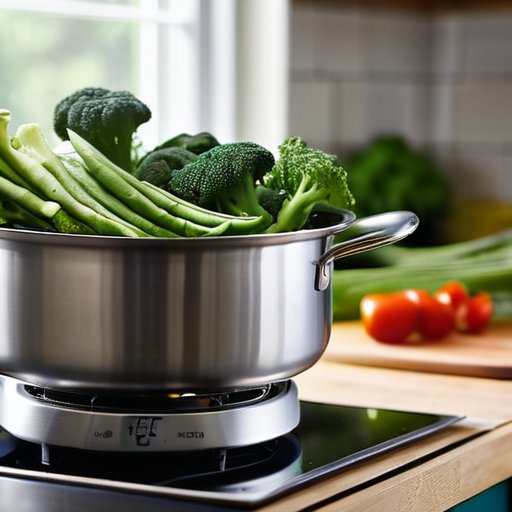
Whenever I set a pot of water to a rolling boil, I can’t help but think of the invisible nutrients slipping away with the steam. That’s why the benefits of steaming vs boiling have become a mantra in my kitchen. By keeping the food suspended above the water, I preserve the vivid colors of broccoli, the delicate snap of green beans, and, crucially, the vitamins that would otherwise dissolve away. It’s also an ally for anyone watching the scale; the steaming for weight loss approach means you’re not adding extra fat, yet you still enjoy a satisfying, moist bite.
On a trip to a village in Kerala, I watched a grandmother coax a whole sea bass into a bamboo steamer, humming as she adjusted the heat. She whispered the secret: how to steam fish for maximum flavor—a precise 8‑minute window, just enough for the flesh to turn opaque while the aromatic broth pools beneath. She also reminded me of the steaming time guidelines for vegetables, a quick 4‑minute dash for carrots that keeps them crisp. Those moments reminded me that steaming isn’t just a method; it’s a cultural dialogue.
Benefits of Steaming vs Boiling Health Flavor and Tradition
I remember wandering a night market in Penang, where steam rose like a thin veil over fresh vegetables. Unlike boiling, which washes away water‑soluble vitamins, a bamboo steamer keeps the pigments and antioxidants locked in, so each bite feels like a quiet victory for my health. The nutrient retention power of that gentle mist reminds me that a simple kitchen trick can be a diplomatic act of self‑care.
What truly captivates me, however, is the way steam carries cultural memory. In a Kyoto ryokan, the clatter of bamboo baskets is more than kitchenware; it is a conduit for centuries‑old soulful steam rituals that honor the fish’s delicate flesh while preserving the broth’s whisper of seaweed. The result is a flavor profile that’s simultaneously clean and profound, proving that tradition can be a palate‑pleasing science.
Steaming Time Guidelines for Vegetables Achieving Perfect Crunch
When I’m at a morning stall in Chiang Mai, I watch locals drop bok choy into a bamboo steamer and set a kitchen timer. For most cruciferous vegetables—broccoli, cauliflower, or snap peas—a brisk 2‑minute “crunch checkpoint” suffices to turn the florets bright green while preserving that satisfying snap. If the timer dings and the stems still feel firm, the veg have hit the sweet spot; any longer and texture turns soggy.
I’ve learned altitude matters—at higher elevations water boils later, so I add a minute for carrots or sweet potatoes. After the timer, I plunge the veg into ice water, a trick I picked up in a Portuguese coastal town, to lock in that crisp finish. A quick shake, a dash of sea salt, and the vegetables are ready for a salad or stir‑fry, still boasting that coveted crunch.
Steaming Savvy: Five Essentials for Perfect Results
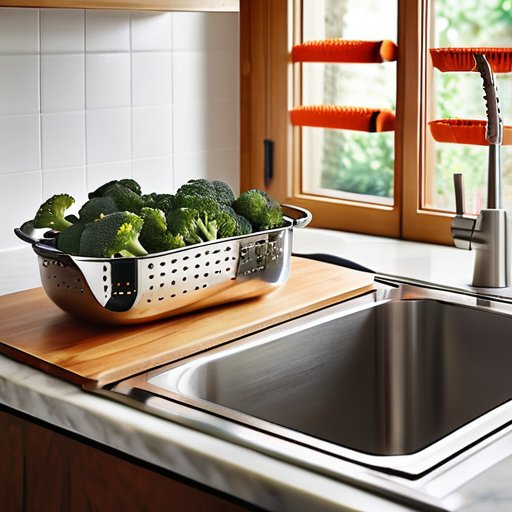
- Master the water‑to‑steam ratio—just enough to hiss, never a rolling boil.
- Pre‑season your vessel; a pinch of salt or a splash of citrus in the water adds subtle aroma.
- Layer foods strategically—denser items on the bottom, delicate greens on top to ensure even cooking.
- Keep the lid snug and resist the urge to peek; every lift drops temperature and extends cook time.
- Finish with a quick “steam‑burst”—remove the food, uncover, and let residual steam finish the job for that flawless texture.
Key Takeaways
Steaming locks in nutrients and flavor, offering a healthier alternative to boiling while preserving the integrity of delicate ingredients.
Mastering timing and water levels is essential—just a few minutes can transform veggies from soggy to crisp, and fish from bland to buttery.
Embracing steaming connects you to global culinary traditions, from Asian dim sum to Nordic fish dishes, turning a simple technique into a cultural journey.
The Whisper of Steam
“Steaming isn’t just a cooking method; it’s a quiet dialogue between water and heat, a cultural handshake that lets ingredients retain their story, their nutrients, and their soul—proving that the simplest technique can carry the most profound flavors of the world.”
Alexandra Thompson
Wrapping Up the Steam Journey
By now we’ve seen that a simple pot of steam can do more than just soften vegetables—it can lock in vitamins, keep fish buttery, and shave calories without sacrificing taste. The science of vapor pressure explains why steaming preserves up to 90 % of water‑soluble nutrients, while boiling can leach them into the pot. We also traced the technique’s lineage from Chinese dim sum carts to Scandinavian fish markets, proving that culture and health travel together. Practical tips—like pausing the lid, timing carrots at four minutes, and never overcrowding the basket—ensure safety and flavor in any home kitchen. Whether you’re prepping a weekday dinner or a festive dim sum spread, steaming scales effortlessly.
The real magic of steaming lies in its invitation to pause, to watch a cloud of water transform ordinary produce into a celebration of texture and taste. When I first tried a humble steamed mussel broth on a mist‑shrouded pier in Ha Long Bay, the vapor felt like a bridge between continents, reminding me that the simplest culinary choices can spark conversation across borders. So I challenge you: let your next pot be a passport. Embrace the global kitchen of steam, and you’ll discover that every bite carries a story, a health benefit, and a reminder that we are all steaming toward a more connected world. Let each puff of steam remind you that curiosity is a passport without a stamp.
Frequently Asked Questions
How can I adapt traditional steaming methods when traveling in regions where standard steamers aren’t available?
On the road without a proper steamer, I improvise with everyday kitchen gear. A medium pot with a snug lid turns into a steam chamber; set a heat‑proof colander, sieve, or bamboo basket above a couple of inches of simmering water. Cover, let the vapor do its work, and gauge doneness with a quick simple finger‑prick. Sprinkle local herbs or line the basket with a banana leaf for a regional delicious twist today.
What are the best practices for steaming delicate proteins, like fish or tofu, without overcooking them?
Steaming delicate proteins is all about heat and timing. I always start with a tight‑fitting lid and a basket that lets vapor circulate without touching the fish or tofu. Keep water just below boiling, and let broth simmer—no rolling bubbles. For fish, 4‑6 minutes per inch of thickness is a safe rule; for tofu, 3‑4 minutes until warm and translucent. Finish with a splash of citrus or a drizzle of soy‑ginger glaze to lock in moisture.
Are there eco‑friendly ways to enhance flavor during steaming, such as using locally sourced herbs or reusable steam baskets?
Absolutely—there are a handful of low‑impact tricks that turn a plain steam session into a fresh tasting adventure. I love gathering locally grown thyme, lemongrass, or rosemary and tucking the sprigs into a cheesecloth “herb pouch” that hangs over the basket; the vapor extracts their aroma without loss. Reusable bamboo or stainless‑steel steamers replace disposable foil, and a splash of citrus zest or a drizzle of infused olive oil before serving adds brightness without extra waste.