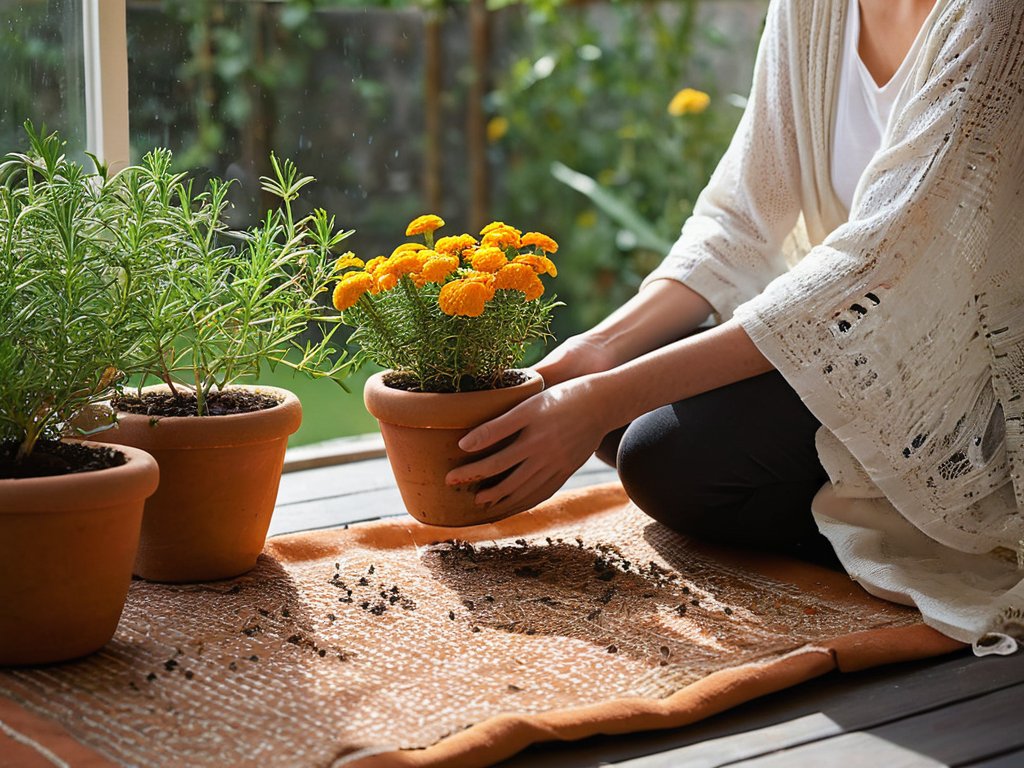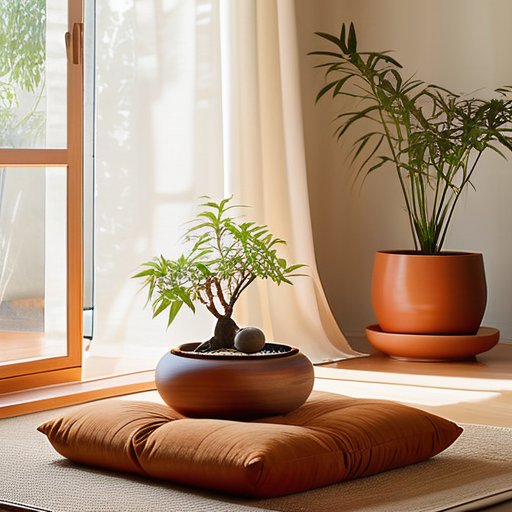
I was halfway up the narrow stairwell of a centuries‑old house in Marrakesh when the call to prayer slipped through the cracked shutters, and I found myself pressing my back against the cool plaster, eyes closed, breath syncing with the distant muezzin. In that cramped, sun‑dappled alcove I realized that a home meditation space doesn’t need a dedicated room or exotic décor; it simply needs a pocket of intention. The myth that you must clear an entire floor to find peace was quickly dispelled by that modest, fragrant corner.
In the pages that follow I’ll walk you through a step‑by‑step blueprint for turning any quiet corner of your living room, balcony, or even a narrow hallway into a sanctuary that feels as expansive as a Himalayan monastery. We’ll cover lighting that mimics sunrise, scent‑scapes that echo the markets of Delhi, budget‑friendly furnishings, and a simple ritual to signal the shift from daily hustle to stillness. By the end of this guide you’ll have a concrete plan, a checklist, and the confidence to claim your own home meditation space—no square‑footage miracle required.
Table of Contents
- Step-by-Step Instructions
- Small Space Meditation Corner Ideas With Calming Color Palette
- Essential Items Lighting Tips and Soundproofing for a Peaceful Nook
- Five Essentials for a Soul‑Friendly Meditation Nook
- Key Takeaways for Your Home Meditation Sanctuary
- A Sanctuary Within Four Walls
- From Corner to Calm: Closing the Circle
- Frequently Asked Questions
Guide Overview
Tools & Supplies
- Measuring tape – for measuring the intended meditation area
- Drill with assorted bits – to assemble or mount furniture and décor
- Screwdriver set – for fastening screws and brackets
- Level – to ensure shelves or wall mounts are perfectly horizontal
- Hand saw or jigsaw – to cut wood if customizing a small table or shelf
- Wooden pallet or small side table – 1
- Floor cushion or meditation pillow – 2
- Soft lighting (string lights or a low‑watt lamp) – 1 set
- Essential‑oil diffuser – 1
- Small indoor plant (e.g., snake plant) – 1
- Scented candles or incense sticks – a few
- Decorative fabric or throw blanket – 1
- Small shelf or wall‑mounted organizer – 1
- Rug or floor mat – 1
- Storage basket for accessories – 1
Step-by-Step Instructions
- 1. Choose a nook that already feels a little sacred – I start by scanning my flat for that quiet corner where the afternoon light drifts in just right. It doesn’t need to be a whole room; even a modest alcove near a window can become a personal sanctuary once I clear away the everyday clutter and let the space breathe.
- 2. Lay down a foundation of comfort – I unfurl a simple, natural-fiber rug or a folded yoga mat, then add a few plush cushions or a low‑profile floor pillow. The tactile warmth of these basics invites my body to settle, signalling to my mind that this is a place for stillness.
- 3. Introduce subtle scent cues – I light a small, responsibly sourced soy candle or place a few drops of lavender essential oil on a diffuser. The gentle aroma creates an invisible veil that helps me transition from the buzz of daily life into a calmer inner rhythm.
- 4. Curate a visual anchor – I place a single piece of art—a small, travel‑inspired photograph or a vintage globe from my collection—at eye level. This focal point reminds me of the wider world while grounding my attention in the present moment.
- 5. Set a gentle sound backdrop – I cue a low‑volume playlist of ambient tones or distant nature sounds, just enough to mask the city hum without demanding attention. The rhythmic hum becomes a soft echo that guides my breath and steadies my thoughts.
- 6. Establish a ritual of entry – Before each session, I pause at the threshold, pause to inhale, and mentally declare this space as my meditation haven. This simple act of acknowledgment turns a physical corner into a sacred portal, ready for the practice that follows.
Small Space Meditation Corner Ideas With Calming Color Palette
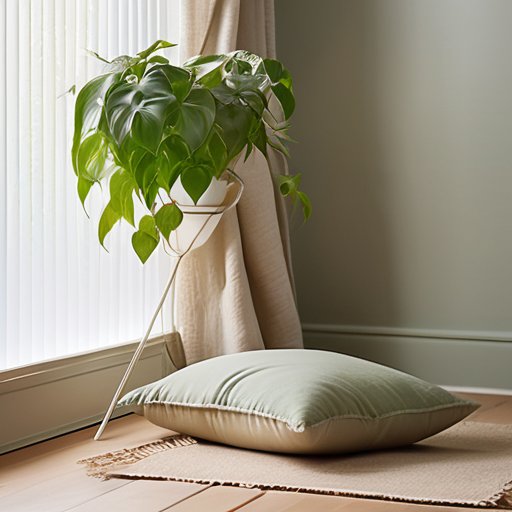
When floor space is at a premium, think of the wall as your canvas. A muted color palette for relaxation room—soft sage, muted lavender, or warm sand—can instantly enlarge the perception of a nook. Pair these hues with a low‑profile floor cushion, a folded blanket, and a single candle; each item counts as one of the essential items for a home meditation nook without breaking the bank. A trailing pothos or a petite bamboo palm not only brings a splash of green but also filters the city’s buzz, turning a cramped corner into a living, breathing sanctuary.
Lighting, however, can make or break the vibe. Opt for a warm, dimmable lamp or a string of amber LEDs to create a gentle glow—these are classic lighting tips for meditation space that require no wiring overhaul. If you share the room with a television or a bustling hallway, a simple tapestry or a set of acoustic panels can serve as an inexpensive soundproofing a meditation area hack. Even a folded, sound‑absorbing rug under your cushion will mute footfalls, letting you drift deeper into stillness while staying within a tight budget.
Essential Items Lighting Tips and Soundproofing for a Peaceful Nook
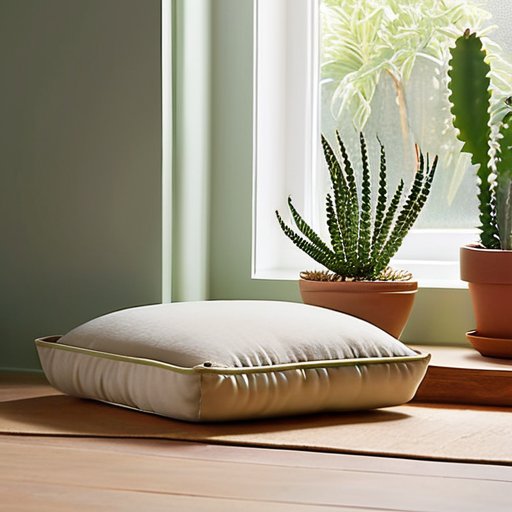
I started by listing the essential items for a home meditation nook that keep the space functional yet airy. A low‑profile floor cushion or a fold‑away meditation stool provides a sturdy base without consuming precious square footage. I added a compact bamboo mat for grounding, a slim notebook for post‑session reflections, and a trio of succulents—tiny plants for a calming meditation environment that bring life without demanding a garden. A muted sage wall decal completes the budget‑friendly look, echoing the color palette for relaxation rooms I love.
Lighting is the conductor of a meditation rhythm, so I followed a few lighting tips for meditation space that feel practical. A warm‑white, dimmable LED strip tucked behind a sheer curtain casts a soft halo, while a single Himalayan salt lamp offers an amber glow. At sunrise, a lightweight bamboo blind softens the glare, preserving a waking ambience.
Finally, I tackled soundproofing a meditation area with simple, affordable tricks. A plush rug underfoot mutes footsteps, while a large fabric tapestry on the opposite wall absorbs echo. A portable acoustic panel folds flat when I’m done, instantly creating a pocket of quiet.
Five Essentials for a Soul‑Friendly Meditation Nook
- Choose a corner that feels secluded yet connected to the heart of your home, letting natural light spill in when possible.
- Anchor the space with a single, meaningful object—a vintage globe, a travel‑touched prayer bead, or a piece of art that reminds you of a far‑off place.
- Layer textures—soft rugs, plush cushions, and a lightweight throw—to invite the body to settle as the mind settles.
- Curate a scent profile with a subtle diffuser of sandalwood or jasmine, echoing the breezes of distant markets you’ve explored.
- Keep a “mindful toolkit” nearby: a journal, a timer, and a simple candle, so each session begins with intention and ends with gratitude.
Key Takeaways for Your Home Meditation Sanctuary
Simplicity wins – a tidy, uncluttered corner invites the mind to settle more easily than an elaborate setup.
Light and sound are allies; soft, adjustable lighting paired with gentle ambient noise creates a sensory cocoon for deeper focus.
Personal touches, from a favorite scent to a cherished memento, turn a functional space into a reflective refuge that feels uniquely yours.
A Sanctuary Within Four Walls
“A home meditation space isn’t merely a corner of the house; it’s a passport to the world inside, where every breath sketches a new continent of calm.”
Alexandra Thompson
From Corner to Calm: Closing the Circle
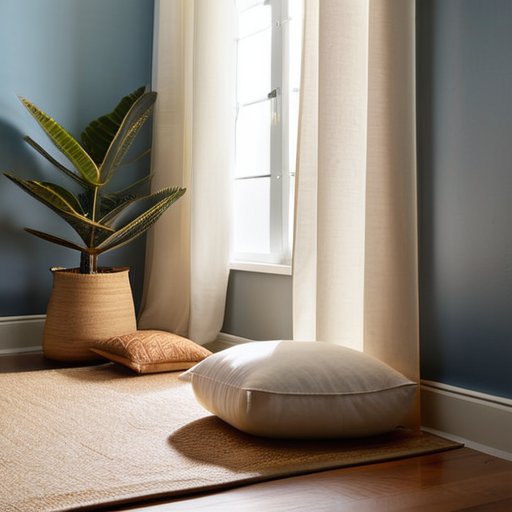
To create a home meditation space that feels like a personal oasis, we began by identifying a quiet corner—whether a narrow hallway, a spare bedroom, or a sun‑lit alcove. A calming color palette, from soft blues to muted earth tones, sets the tone, while essential items like a comfortable cushion, a small altar, and a scented candle anchor the practice. Thoughtful lighting—whether natural daylight filtered through sheer curtains or a low‑glow lamp—creates a gentle ambience, and a few sound‑absorbing elements—rugs, curtains, or a portable screen—help keep the world at bay. By layering these simple steps, you’ve turned four walls into a sanctuary that invites breath, stillness, and presence.
Beyond the décor, the true power of your meditation nook lies in the intention you bring to it. Each time you step onto that cushion, you embark on a small pilgrimage, reminding yourself that peace is not a distant destination but a habit cultivated within familiar walls. Let this space become a daily compass, guiding you back to balance whenever the outside world feels chaotic. As you close your eyes and feel the world soften, remember that the stillness you nurture at home ripples outward—quietly influencing the conversations you have, the decisions you make, and the connections you forge across continents. May your personal sanctuary be the first step toward a more compassionate, globally aware you.
Frequently Asked Questions
How can I create a meditation nook that feels both intimate and connected to the larger world beyond my walls?
Start by choosing a corner that feels like a sanctuary and then invite the world in. Hang a world‑map tapestry or a vintage globe from your ceiling, letting continents drift into view. Use a soft, neutral palette with a single accent hue that mirrors sunrise or sunset horizons. Add a speaker for ambient nature sounds, and place a single object—a carved incense holder from a distant market—to remind you your breath is part of a wider rhythm.
What low‑budget lighting tricks can transform a cramped corner into a serene sanctuary without pricey gadgets?
First, swap a harsh overhead bulb for a warm‑white LED string—wrap it loosely around the frame of a small bookshelf or drape it across a nearby curtain rod for a gentle glow. Next, place a couple of battery‑powered tea‑light lanterns on a low table; their flicker mimics candlelight without fire risk. Finally, repurpose a clip‑on desk lamp with a dimmer switch, angling it toward a soft fabric backdrop to diffuse shadows and create a cozy, meditative halo.
Which scents or natural elements are most effective for deepening focus when space and ventilation are limited?
When my tiny studio apartment feels a bit stifled, I lean on a few scent‑savvy tricks that keep focus sharp without demanding a breeze. A single dab of sandalwood essential oil—just a few drops on a cotton ball tucked behind a bookshelf—creates an earthy, grounding hum that steadies the mind. I also love the subtle lift of citrus; a tiny grapefruit peel tucked into a drawer releases a bright, alerting note. Finally, a sprig of fresh rosemary, placed on a windowsill, offers a clean, herbal stimulus that sharpens concentration without overwhelming the limited air flow.