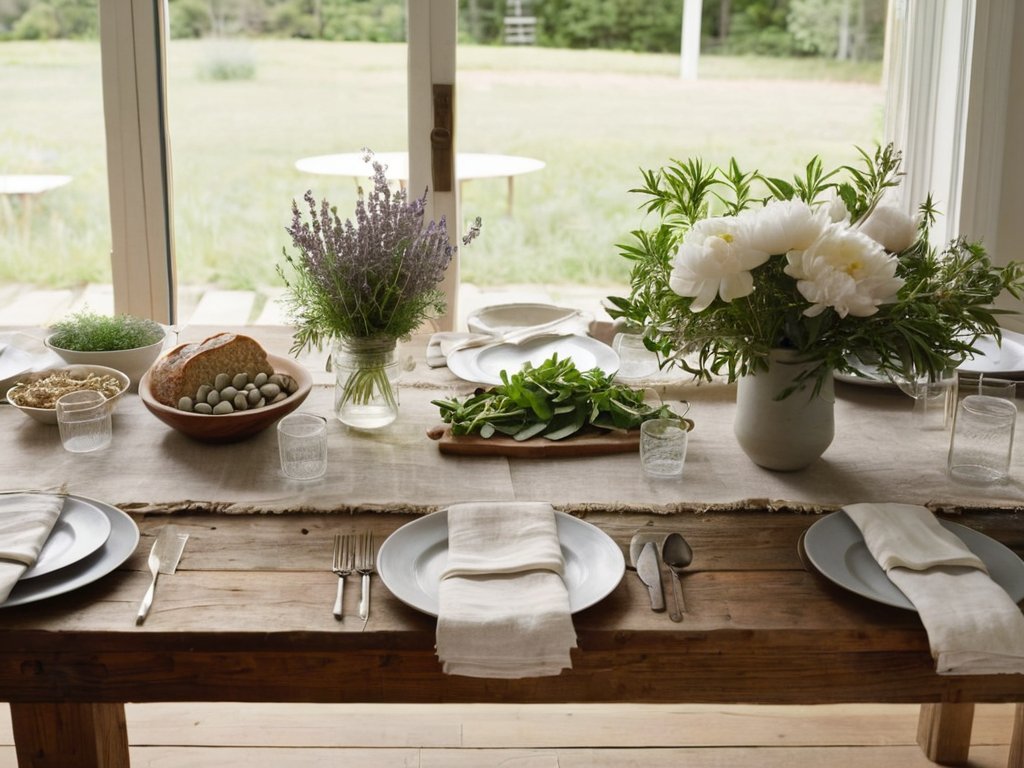
I was arranging the last place setting in a kitchen in Oaxaca when the kettle whistled, and my guests—an elderly weaver from a nearby village and a young climate‑activist from Berlin—both reached for the same cup. In that moment I realized the mindful dinner party isn’t about flawless etiquette or a perfectly curated menu; it’s about creating a space where disparate stories can meet over a shared bowl of soup. That night, while the vintage globe on my shelf spun, I learned that true hospitality is less about perfection and more about presence.
In the guide that follows, I’ll strip away the buzzwords and give you a clear roadmap to host a mindful dinner party that feels intimate and globally resonant. You’ll discover how to source seasonal ingredients responsibly, design a seating plan that sparks dialogue, weave simple breathing rituals into the flow, and keep the conversation grounded without policing it. By the end, you’ll have a toolkit that lets you welcome strangers as friends, serve dishes that tell a story, and leave everyone lingering over the last sip of tea, wondering when the next gathering will happen.
Table of Contents
- Project Overview
- Step-by-Step Instructions
- Mindful Dinner Party a Global Gathering of Stories and Senses
- Ecoelegant Arrangements Mindful Table Setting Ideas and Sustainable Dinner
- Opening the Circle Guided Meditation for Guests and Thoughtprovoking Conver
- Five Mindful Touches to Elevate Your Dinner Gathering
- Key Takeaways for a Mindful, Global Dinner Party
- Savoring Presence at the Table
- Bringing the World to the Table: A Closing Reflection
- Frequently Asked Questions
Project Overview
Total Time: 3 hours (including prep, cooking, and mindful setup)
Estimated Cost: $150 – $300
Difficulty Level: Intermediate
Tools Required
- Bluetooth speaker (for soft background music or guided meditation audio)
- Timer (to keep cooking and mindfulness intervals on track)
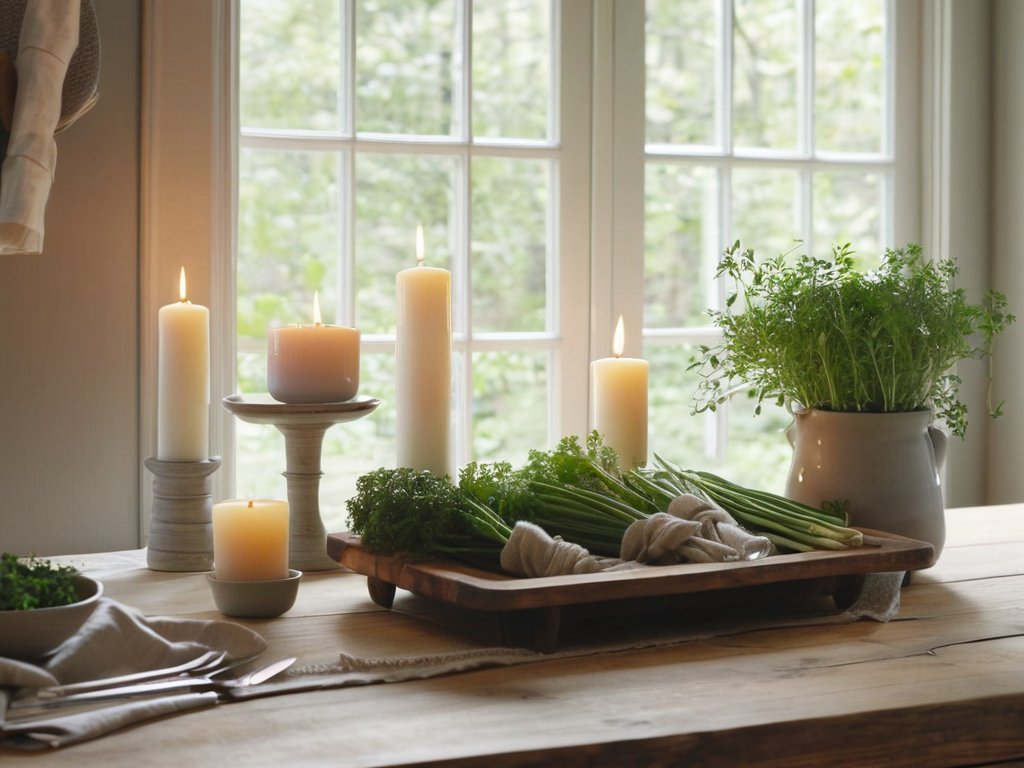
- Candles or soft lighting fixtures (creates a calm ambiance)
- Essential oil diffuser (optional, for soothing scents)
Supplies & Materials
- Organic, seasonal produce (focus on fresh, whole‑food ingredients)
- Reusable dinnerware and cloth napkins (promotes sustainability and tactile mindfulness)
- Herbal tea or infused water (served as a calming beverage)
- Guided meditation script or mindfulness prompts (short 5‑minute practice before the meal)
- Simple, balanced recipes (e.g., roasted vegetables, grain bowl, and a light dessert)
Step-by-Step Instructions
- 1. Start with intention: I begin by writing a short note to myself about why this gathering matters—perhaps to celebrate a cultural milestone or simply to listen deeper. I then translate that intention into a concise invitation, inviting guests to bring a story, a song, or a small token that reflects their heritage.
- 2. Curate a mindful menu: I research recipes that honor the diverse backgrounds of my guests, favoring seasonal, plant‑based ingredients sourced from local markets. I list each dish alongside a brief cultural note, so diners can savor both flavor and context.
- 3. Set the space for dialogue: I arrange the table in a round formation, removing any hierarchical head seats, and sprinkle candlelight and a few vintage globe figurines for visual intrigue. Soft instrumental music from different regions plays in the background, inviting curiosity without overwhelming conversation.
- 4. Guide the conversation: I prepare three open‑ended prompts—like “What’s a tradition from your childhood that still shapes you?”—and place them in small cards at each seat. I act as a gentle moderator, ensuring everyone has a moment to share while also allowing pauses for reflective listening.
- 5. Practice gratitude together: Mid‑meal, I pause to thank the earth for the food, the hands that prepared it, and each guest for their presence. I invite everyone to voice a quick appreciation, turning the act of thanks into a collective, grounding ritual.
- 6. Capture the moments responsibly: I bring a notebook rather than a phone, jotting down memorable quotes or insights with permission. After the evening, I compile these reflections into a short email, attaching a photo of the globe centerpiece, and send it to all participants as a reminder of our shared experience.
- 7. Sustain the connection: I schedule a follow‑up video call or a small collaborative project—perhaps a shared playlist or a recipe swap—so the mindful dialogue extends beyond the table, nurturing the bridges we began to build that night.
Mindful Dinner Party a Global Gathering of Stories and Senses
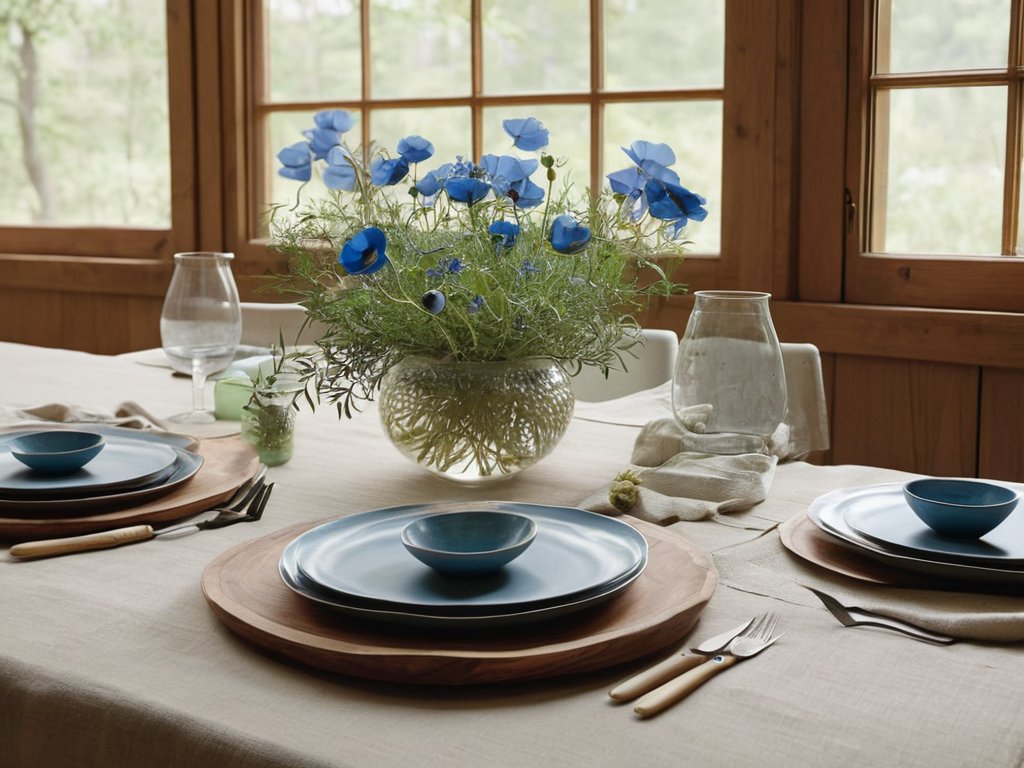
I’ve found that the moment guests step onto the floor‑mat of a gathering, the visual language of the table can set the tone for the whole evening. Simple mindful table setting ideas—like hand‑woven napkins, a single sprig of rosemary, and reclaimed‑wood chargers—invite curiosity without shouting for attention. When I weave in sustainable dinner party decor—think upcycled glass vases filled with wildflowers from my last trek in the Himalayas—the conversation often starts with the story behind each piece, turning a dinner into a quiet cultural exchange.
Before the first bite, I like to lead a brief guided meditation for dinner guests; a minute of grounding breath helps everyone arrive in the present, making the flavors feel richer. Pair that with a stress‑free party planning checklist that includes a slot for healthy mindful menu planning and a handful of mindful conversation starters—questions like “Which scent reminds you of home?” or “What song carries your memory of travel?”—and you’ll notice the room humming with attentive listening rather than background noise.
Ecoelegant Arrangements Mindful Table Setting Ideas and Sustainable Dinner
I always start by pulling out the heirloom linen napkins my grandmother pressed in Calcutta—cotton, undyed, soft as a whisper. To keep the visual language global, I scatter reclaimed wooden chargers carved with motifs borrowed from the Moroccan zellige I photographed in Fez. A sprig of rosemary from my London balcony anchors the plate, while a recycled glass vase cradles wildflowers I gathered on a Patagonian trek.
For ambient lighting, I favor solar‑charged tea lights tucked into a reclaimed tin that once held Darjeeling tea; the amber glow feels like a sunrise over the Ganges. I finish with a modest centerpiece—a vintage globe from my 1970s collection, dusted lightly with biodegradable glitter to remind guests that every story we share circles back to the same planet. The table feels both rooted and wandering, inviting conversation without waste.
Opening the Circle Guided Meditation for Guests and Thoughtprovoking Conver
Before the plates find their places, I invite guests to settle into a quiet circle, the lantern light recalling the dusk I once watched over the Ganges. I lead a three‑minute breath‑in‑breath‑out meditation, asking everyone to feel the rise and fall of their chests as a reminder that we share the same air, no matter the continent that raised us. A tabla rhythm in the background grounds the practice, while sandalwood mingles with rosemary from the table centre.
Once the meditation fades, I pass around a wooden box containing prompts: “What taste reminds you of home and why?”, “Which story from your childhood still shapes how you see the world?”, and “If you could invite any historical figure to this table, who would it be and what would you ask them?” These questions turn meal into a tapestry of memory, curiosity, and humanity.
Five Mindful Touches to Elevate Your Dinner Gathering
- Invite guests to share a small story or tradition from their culture before the first course, turning the table into a living tapestry of narratives
- Create a “sensory pause” after each dish—encourage a moment of quiet reflection, noting textures, aromas, and the emotions they stir
- Use locally‑sourced, seasonal ingredients and label each plate with its origin, fostering gratitude for the land and the hands that harvested it
- Set a communal gratitude circle: each person whispers one thing they’re thankful for, then passes a simple token (like a polished stone) to the next guest
- End the evening with a collective intention‑setting ritual—light a small candle, state a hopeful wish for the world, and let the flame symbolize the shared light you’ve kindled together
Key Takeaways for a Mindful, Global Dinner Party
A purposeful invitation and a brief grounding meditation set the tone, turning strangers into a circle of attentive listeners.
Sustainable, story‑rich décor—think reclaimed fabrics, locally sourced blooms, and vintage globes—creates a tactile narrative that sparks curiosity.
Curated conversation prompts that weave personal journeys with global issues keep the dialogue flowing, ensuring every bite is seasoned with meaning.
Savoring Presence at the Table
A mindful dinner party is less about the menu and more about the moment we let our stories simmer together, turning a simple meal into a shared pilgrimage of the heart.
Alexandra Thompson
Bringing the World to the Table: A Closing Reflection
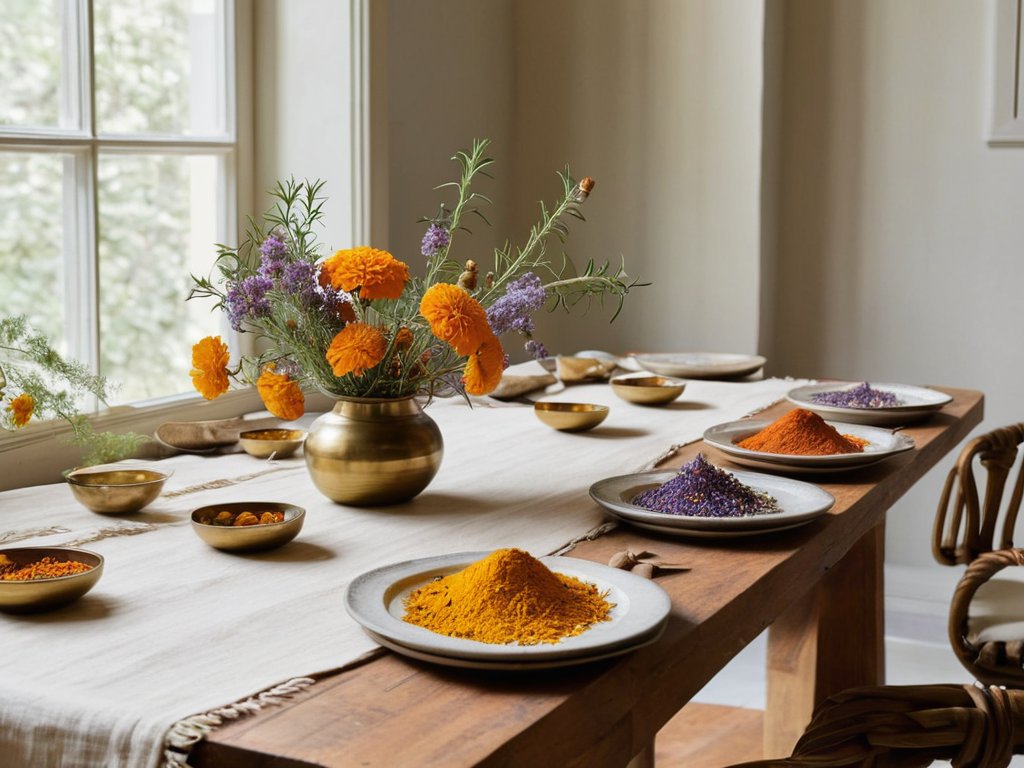
I’ve walked the aisles of Delhi’s spice markets and the quiet halls of London’s embassies, and the thread that ties those worlds together is the simple act of sitting down together. In this guide we unpacked how eco‑elegant arrangements—recycled linens, locally sourced blooms, and zero‑waste dinnerware—set the stage for a gathering that honors the planet as much as the guest. We walked through a brief guided meditation to quiet the mind before the first bite, and we stocked the table with conversation starters that pull stories from every corner of the globe. By pairing thoughtful décor with intentional listening, the mindful dinner party becomes a living map of connection.
Now imagine the ripple that begins when shared plates are lifted: a laugh that bridges continents, a revelation about a distant tradition, a seed of empathy that travels beyond the kitchen. I believe a dinner table can be a miniature diplomatic arena, where flavors negotiate peace and curiosity drafts new treaties. So I invite you to gather your own circle, to let the clink of glasses echo the turning of a vintage globe, and to let each bite remind us that we are all travelers on the same planet. May your next mindful dinner spark not just a memorable night, but a lasting commitment to listening, learning, and loving across borders.
Frequently Asked Questions
How can I accommodate diverse dietary restrictions while keeping the menu mindful and sustainable?
I start every menu by mapping the guests’ needs onto the season’s bounty—think local lentils, heirloom carrots, and wild‑foraged mushrooms. I build “choice stations” rather than a single plated dish: a vibrant grain bowl with separate bowls of roasted veg, protein‑rich beans, and a spritz of citrus‑infused oil, plus a dairy‑free, gluten‑free dessert bar of fruit‑sweetened oat crumble. Clear, colour‑coded cards list allergens and vegan, paleo or kosher options, letting each person curate a plate that feels both nourishing and responsibly sourced.
What low‑impact lighting and décor choices create an intimate atmosphere without compromising sustainability?
I reach for low‑impact lighting that feels warm without draining the grid. Small LED tea‑lights or rechargeable bamboo lanterns cast a soft amber glow, while a single jar of soy‑wax candle adds a flickering intimacy. For décor, I layer reclaimed‑wood trays, upcycled fabric napkins, and potted herbs that double as table centrepieces. A handful of dried‑flower bundles, sourced from local growers, brings scent and colour, creating a cozy, sustainable ambience that invites conversation.
How can I gently guide conversations to stay inclusive and thought‑provoking without steering them toward conflict?
First, I set a simple intention: curiosity over judgment. I invite each guest to share a personal anecdote linked to the evening’s theme, then pause, letting silence settle. When a viewpoint feels tense, I acknowledge its value (“I hear that this experience shaped you deeply”) and gently steer back to shared human threads—food, memory, hope. A soft question like, “What does this story teach us about connection?” keeps the dialogue inclusive, rich, and free from spiraling conflict.