I was crouched on a weather‑worn wooden stool in a night‑market stall in Chiang Mai, the aroma of lemongrass and chilies swirling around me, when the vendor slid a steaming bowl of fragrant tofu over the bamboo table. I hesitated, half‑expecting the usual “you’ll miss meat” refrain, only to realize that the real obstacle to plant‑based living isn’t the food at all—it’s the myth that a plant‑only plate leaves you hungry for flavor. In that moment, the sizzling tofu whispered a quiet truth: abundance lives in beans, nuts, and spices, not in the absence of anything.
This guide strips away the hype and hands you a roadmap you can actually follow: a three‑step pantry audit to spot hidden animal products, a budget‑friendly weekly menu that balances protein and palate, quick‑fire techniques for mastering flavor without compromise, and a cheat sheet for navigating restaurant menus when you’re on the road. By the end, you’ll feel confident ordering a street‑food bowl in Marrakech or hosting a dinner party back home—knowing that plant‑based living can be as satisfying and sustainable for your palate as any culinary adventure you’ve ever chased.
Table of Contents
Project Overview
Total Time: 2-3 weeks
Estimated Cost: $200-$400
Difficulty Level: Beginner
Tools Required
- Blender – for smoothies, soups, and sauces
- High‑speed food processor – chops vegetables, makes nut butter, and mixes dough
- Sharp chef’s knife – essential for prepping fruits, veggies, and herbs
- Large stockpot – cooks beans, lentils, and grain‑based dishes
Supplies & Materials
- Dried beans (e.g., black, chickpeas, lentils) – 4 lb total
- Tofu or tempeh – 2 lb
- Assorted fresh vegetables (leafy greens, carrots, peppers) – 5 lb
- Whole grains (brown rice, quinoa, oats) – 3 lb
- Nutritional yeast – 8 oz
- Plant‑based milk (almond, soy, oat) – 1 gal
- Herbs & spices (garlic, cumin, turmeric, paprika) – assorted jars
Step-by-Step Instructions
- 1. Start with a story, not a diet. I begin each week by mapping out a “cultural plate” — a simple spreadsheet where I list the plant‑based dishes I want to explore from different regions, from Ethiopian injera salads to Japanese miso‑glazed eggplant. This habit turns grocery shopping into a miniature world tour, and it reminds me that food is a passport to understanding people beyond my own kitchen.
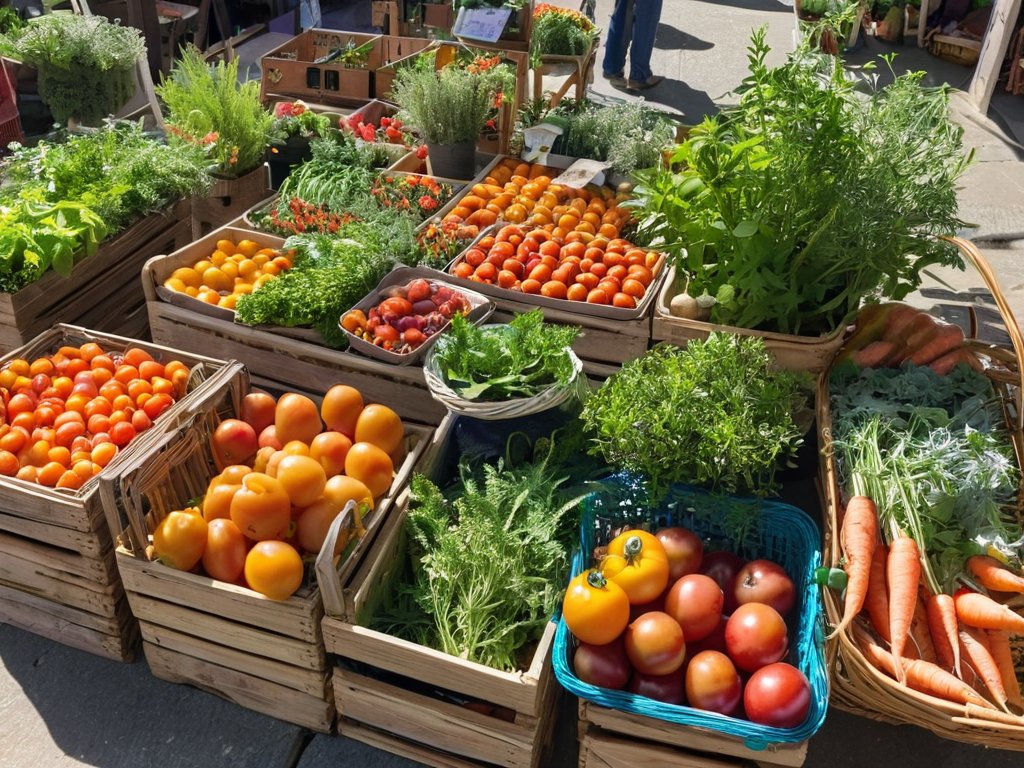
- 2. Scout your local markets like a field researcher. Instead of heading straight to the supermarket, I wander through farmers’ markets, ethnic grocery stores, and community gardens. I ask vendors about seasonal produce, learn the stories behind heirloom varieties, and often discover ingredients that haven’t yet crossed my culinary radar. This on‑the‑ground research fuels my recipes with authenticity.
- 3. Build a “plant‑first” pantry foundation. I keep staples such as lentils, chickpeas, quinoa, a variety of beans, and a selection of spices from around the world (cumin from India, smoked paprika from Spain, sumac from the Middle East). By stocking these globally‑sourced basics, I ensure that every meal can be quickly assembled while still feeling adventurous.
- 4. Design a weekly “theme night” that honors a region. On Thursdays, I dedicate dinner to a single country’s cuisine, using only plant‑based ingredients. For instance, I’ve cooked a vibrant Ethiopian lentil stew with injera, or a comforting Thai coconut‑lime curry using tofu. This practice not only expands my palate but also deepens my appreciation for how plant‑based traditions vary across continents.
- 5. Document the journey in a travel‑style journal. After each meal, I jot down the flavors, the cultural context I learned, and any conversations with fellow diners. This reflective habit turns a simple dinner into a living field note, allowing me to share nuanced stories with my blog readers later.
- 6. Connect with a community of plant‑based explorers. I join local cooking clubs, online forums, and cultural exchange groups where members swap recipes and stories. Engaging with a diverse network helps me stay motivated, discover hidden gems like indigenous grain varieties, and keep the journey collaborative rather than solitary.
Plant Based Living Global Stories Behind Every Bite
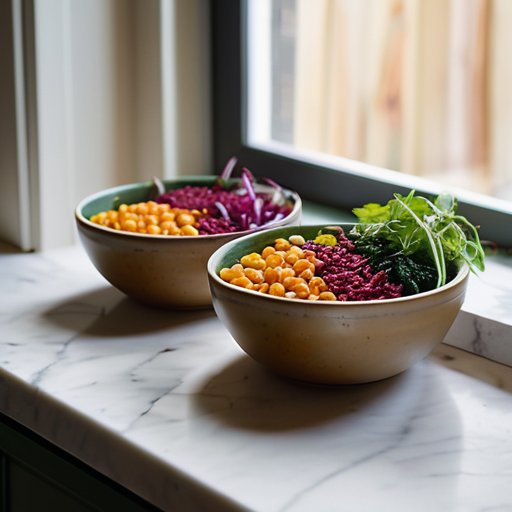
I’ve learned that each bite carries a story—from the simmering dal I sampled in a Delhi kitchen to seaweed‑sprinkled bowls I shared with a Japanese family. When you map those flavors onto your own plate, the benefits of a plant‑based diet for heart health become more than a statistic; they’re a lived experience. A simple trick I swear by is to batch‑cook a week’s worth of legumes and grain salads, then sprinkle in locally sourced herbs. This habit not only streamlines your plant‑based meal planning tips but also lets you taste the world without leaving your fridge.
Transitioning can feel like learning a language, so I treat it as an exchange. Start with a ‘flex‑day’ each week—swap your chicken stir‑fry for a mushroom‑tempeh stir that mimics texture while delivering protein. For athletes, I rely on a blend of chickpeas, quinoa, and edamame—my plant‑based protein sources for athletes that keep me fueled after a sunrise run. When you wander a farmers’ market, follow my eco‑friendly grocery shopping guide: bring reusable bags, choose bulk spices, and ask vendors about seasonal produce to keep your pantry green and globally inspired.
How Heart Health Thrives on Plant Based Living
When I first sat down to a lentil‑rich dal in a modest kitchen in Kerala, the gentle rhythm of my heartbeat seemed to echo the simmering pot. Decades of epidemiological data now confirm that the fiber‑laden legumes, abundant in such dishes, lower LDL cholesterol and reduce arterial inflammation. From the Mediterranean olive groves to the tofu‑stir‑fry stalls of Osaka, plant‑forward meals consistently deliver potassium, magnesium, and antioxidants that keep the cardiovascular engine humming smoothly.
Beyond numbers, I’ve witnessed elders in rural Peru swapping heavy pork stews for quinoa salads and reporting fewer angina episodes. The narrative is universal: plant‑centric diets foster a healthier endothelial lining, mitigate blood‑pressure spikes, and invite a quieter, more resilient heart. In my travels, I’ve learned that a plate bright with vegetables isn’t just a culinary choice—it’s a preventive prescription for longevity, globally, for us today.
Stepbystep Guide to Transitioning to Vegan Meals
I’ve found that the easiest way to rewrite my kitchen map is to treat each day as a mini cultural expedition. First, I inventory every animal‑derived product lingering in my pantry—milk, butter, even the hidden whey in my protein bars. Next, I swap the familiar for a local plant‑based staple I discovered on a market stall in Oaxaca: fermented corn masa, fresh chaya, or a handful of toasted chickpeas. Then I set a 48‑hour window each week where I cook only with legumes, grains, and seasonal vegetables, letting the aromas remind me of the spice routes I once traced in Zanzibar. Finally, I journal the flavors, the cravings that fade, and the new stories that rise, turning each plate into a passport stamp on my vegan journey. I share meals with friends, inviting them to taste world beyond meat and curiosity blossom.
Plant‑Powered Pathways: 5 Essentials for a Vibrant Vegan Journey
- Start with a “green week” – swap one daily meal for a plant‑based version and watch your palate evolve.
- Stock your pantry with versatile staples—legumes, whole grains, and spices—to turn any recipe into a culinary adventure.
- Learn the art of protein balance: combine beans, nuts, and tofu throughout the day for sustained energy.
- Keep a “food diary” to track how plant‑based meals affect your mood, digestion, and heart health.
- Connect with local growers or community gardens; fresh produce and shared stories make the transition joyful.
Key Takeaways
Plant‑based eating can dramatically improve heart health while connecting you to diverse culinary traditions.
A step‑by‑step transition—stocking a pantry, mastering a few core recipes, and swapping one meal a day—makes the shift sustainable.
Every plant‑based bite carries a story—from Indian legumes to Ethiopian teff—reminding us that food is a bridge across cultures.
Rooted in Plants, Rooted in Stories
“Choosing a plant‑based path isn’t just about what lands on my plate; it’s an invitation to listen to the silent histories of fields, to honor the cultures that nurture each seed, and to stitch a greener, more compassionate narrative into the fabric of our shared future.”
Alexandra Thompson
Conclusion
{
“heading”: “Beyond the Plate: A Closing Reflection”,
“paragraphs”: [
“In this journey through plant-based living, we’ve traced the ripple effects from personal wellness to planetary stewardship. The guide reminded us that swapping a dairy latte for oat milk isn’t just a dietary tweak; it’s a step toward heart health, lower cholesterol, and reduced inflammation. We unpacked the cultural tapestries that thread together a Kenyan lentil stew, a Japanese tofu katsu, and a Moroccan chickpea tagine, showing how each bowl carries a story of tradition and resilience. The step‑by‑step transition plan gave you a practical roadmap, while the global anecdotes illustrated that every plant‑forward bite can echo far beyond the kitchen.”,
“As I close this chapter, I invite you to see your plate as a passport to a sustainable future. Every leaf, grain, and pulse you choose becomes a vote for cleaner oceans, greener fields, and a more equitable food system. Imagine the ripple when a city‑dweller in London adopts a bean‑rich stew inspired by a village in Gujarat, then shares that recipe with a colleague across the Thames. That simple act stitches together a global tapestry of empathy and action. So, let your next meal be a conversation starter, a bridge across continents, and a quiet rebellion against the status quo—one bite at a time.”
]
}
Frequently Asked Questions
How can I ensure I’m getting all essential nutrients, like B12 and iron, while eating a plant‑based diet?
I keep my B12 levels in check by taking an algae‑derived supplement and by reaching for fortified oat milk or nutritional yeast in every recipe. For iron, I load up on lentils, chickpeas, tofu, and dark leafy greens, then pair them with a squeeze of lemon or a side of red pepper to boost absorption. I also cook in a cast‑iron pan and schedule a yearly blood‑test check‑up to make sure everything stays on track.
What are some affordable, culturally diverse recipes that make the transition from meat‑centric meals feel exciting rather than restrictive?
Here are dishes that make the shift feel like an adventure. 1️⃣ Moroccan Chickpea Tagine – simmer canned chickpeas, tomatoes, preserved lemon, olives, and a pinch of ras el hanout; serve over couscous. 2️⃣ Mexican Street‑style Corn Salad – char sweet corn, toss with lime, tofu “cotija,” chili powder, and cilantro for smoky crunch. 3️⃣ Indian Red‑Lentil Spinach Dal – cook lentils with ginger, cumin, spinach, finish with coconut milk. $5 per serving, it feels like a passport stamp.
How do I navigate social situations—family gatherings, business lunches, or travel—when my plant‑based choices differ from those around me?
Whenever I’m headed to a family dinner, a boardroom lunch, or a train compartment, I start by scouting the menu or venue ahead of time and, if I can, suggesting a vegan spot. I let hosts know, warmly, that I’m exploring a plant‑based path—no lecture, curiosity. If a dish isn’t available, I’m happy to bring a contribution that fits the occasion. On travel, I keep a stash of snacks and a handy phrase‑book for “I’m vegan, thank you.”