The night air in a market of Oaxaca was thick with the scent of roasted corn, and I was haggling over a sack of heirloom beans that a grandmother swore were saved from the same fields her ancestors tended a century ago. In that moment I realized that the whispered myth about sustainable eating—that you must abandon every comfort food—was a red herring; the real secret lies in the stories each ingredient carries, not the price tag on your plate.
In the next few pages I’ll walk you through three steps that turned my diplomatic negotiations into kitchen negotiations: (1) mapping the true carbon footprint of what you buy, (2) swapping everyday items for locally‑grown alternatives that still satisfy your cravings, and (3) building a simple pantry system that keeps waste at bay without turning your fridge into a museum. You’ll get printable checklists, reference tables, and anecdotes from the field—so you can start cooking with conscience tomorrow, not next year. And if you ever wondered how to make a festive feast feel responsible, the guide includes a bonus chapter of holiday swaps you can start tonight.
Table of Contents
Project Overview
Total Time: 3 hours
Estimated Cost: $30 – $75
Difficulty Level: Easy
Tools Required
- Food Scale ((digital, for accurate portioning))
- Meal Planning App ((or printable planner))
- Reusable Storage Containers ((glass or BPA‑free plastic))
- Garden Trowel ((for small‑scale herb gardening))
- Reusable Shopping Bags ((cotton or mesh))
Supplies & Materials
- Seasonal Produce (Buy from local farms or farmers markets)
- Bulk Grains & Legumes (e.g., quinoa, lentils, brown rice)
- Compost Bin (For kitchen scraps)
- Herb Seeds or Seedlings (Basil, parsley, cilantro, etc.)
- Reusable Water Bottle (Stainless steel or glass)
Step-by-Step Instructions
- 1. Start with a kitchen inventory – I walk through my pantry, fridge, and even the spice rack, jotting down what I already have. By noting the quantities and expiration dates, I can plan meals around existing ingredients, cutting down on impulse trips to the supermarket and preventing unnecessary waste.
- 2. Map your meals to local seasonality – I pull up a seasonal produce chart for my region (or the region I’m currently staying in) and choose a handful of fruits and vegetables that are at their peak. When I center a week’s menu around these in‑season gems, I’m supporting nearby farmers and reducing the carbon footprint tied to long‑distance transport.
- 3. Embrace “protein pivots” – Instead of reaching for beef or chicken every night, I experiment with legumes, nuts, and ancient grains as the main protein source. A hearty lentil dal, a chickpea‑based salad, or a quinoa‑stuffed pepper can satisfy cravings while lowering the environmental impact of my plate.
- 4. Shop with a reusable kit – Before I head out, I pack a set of cloth bags, a stainless‑steel water bottle, and a collapsible produce tote. At the market, I hand‑pick bulk items and ask vendors to fill my containers, turning a simple errand into a mindful ritual that cuts down on single‑use plastics.
- 5. Batch‑cook and freeze with intention – Once a week, I set aside a couple of hours to prepare large batches of soups, stews, or grain salads. I portion them into glass jars or silicone bags, label each with the date, and store them in the freezer. This habit not only saves time but also prevents the temptation to order take‑out when life gets hectic.
- 6. Reflect and adjust – At the end of each week, I glance over my food journal, noting which dishes sparked conversation at the dinner table, which leftovers were devoured, and where I might have over‑purchased. This quick review helps me fine‑tune my next grocery list, keeping my sustainable eating journey both dynamic and rewarding.
Sustainable Eating Global Stories of Plant Based Meal Planning
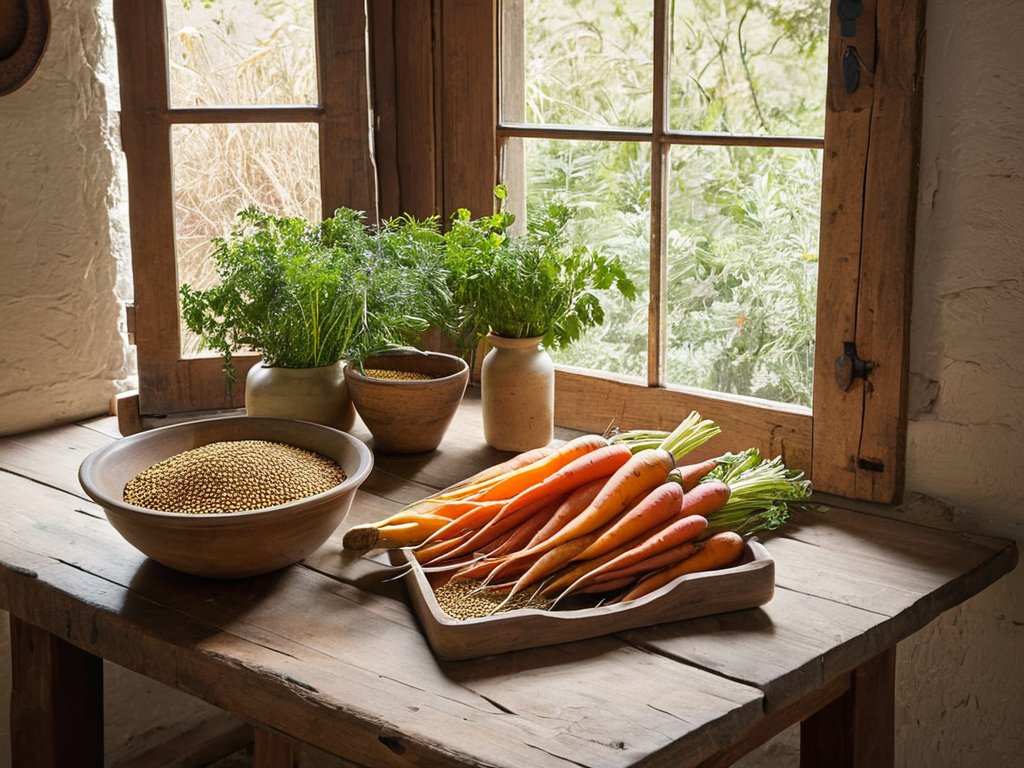
When I met a farmer in Oaxaca’s highlands to map a week’s menu, I learned that a seasonal produce guide can steer plant‑based meal planning. Choose one star vegetable—say, heirloom carrots—and build breakfast, lunch, and dinner around it, weaving in beans, grains, and herbs that share the same harvest window. The result is a menu with less spoilage and a story you can taste each day.
In Kathmandu’s bustling market, zero waste grocery shopping isn’t a trend but a necessity. I now carry cloth bags, glass jars, and a bamboo cutlery set, swapping single‑use plastic for reusables. When vendors offer bulk legumes or locally milled flour, I ask about ethical food sourcing—knowing who harvested the lentils and how they were stored cuts hidden emissions and supports community livelihoods.
Back home I turned to low carbon footprint recipes that rely on a pressure cooker or stir‑fry pan—tools that slash energy use while preserving nutrients. A chickpea‑spinach curry, ready in 12 minutes, can replace a meat‑laden stew and feel indulgent. Pair this with a balcony compost bin, and kitchen scraps become soil for the next season’s garden, a true climate‑friendly kitchen habit.
Low Carbon Recipes Ethical Sourcing and Climate Friendly Kitchen Habits
Whenever I whisk a pot of red lentil dal in a kitchen in Oaxaca, I’m reminded that a dish’s carbon footprint begins long before the fire is lit. Swapping a kilogram of imported beef for locally grown beans can shave off 2 kg of CO₂ per serving, and the spices—coriander, chilies, epazote—are harvested within a day’s walk from the market. Those simple swaps turn a meal into a story that travels from field to fork.
Working with a women’s cooperative in Kerala taught me ethical sourcing is a dialogue—asking growers how their paddies conserve water or whether workers earn a living wage. I jot notes beside my blender, flagging ingredients that travel by ship versus truck, and batch‑cook in a pressure cooker to cut energy use. Composting scraps and re‑using glass jars turns my kitchen into a climate‑friendly pact.
Zero Waste Grocery Shopping Seasonal Produce Guide
When I first stepped into the Saturday market in Delhi’s Connaught Place, the scent of fresh coriander mingled with vendors weighing mangoes on brass scales. Buying only what you need—wrapped in reusable cotton bags and measured in glass jars—turns a routine errand into quiet resistance against the plastic tide. In London’s Borough Market, seasonal stalls shift like a tide, offering kale in winter and strawberries in June, reminding me that the calendar, not the supermarket shelf, should dictate our plates.
I now plan my menus around the harvest calendar, swapping chickpeas for fresh peas when they appear, and I ask the farmer‑stand owner which root veg will keep longest, so I can repurpose stems into broth rather than toss them. Each seasonal swap trims waste and stitches a story between continents, from the Andean quinoa fields to the Irish potato farms.
Key Takeaways
Choosing plant‑based meals connects us to global food stories while dramatically lowering our carbon footprint, especially when we prioritize seasonal and local ingredients.
Zero‑waste grocery habits—planning ahead, buying in bulk, and embracing imperfect produce—turn everyday shopping into a quiet act of resistance against food waste.
Every kitchen decision, from energy‑efficient appliances to ethically sourced spices, is a small but powerful vote for climate‑friendly policies and a fairer food system.
A Bite of Tomorrow
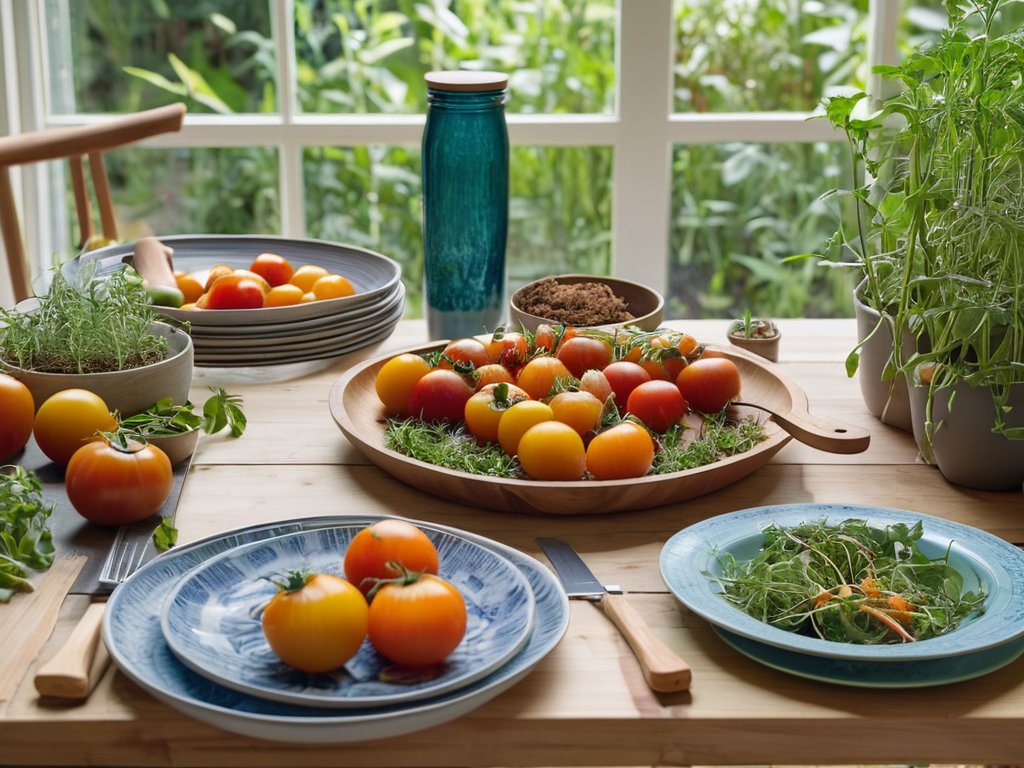
Sustainable eating isn’t just about the food on our plates; it’s the story we write with each bite, weaving together the soil, the farmer’s hands, and the future we promise to our children.
Alexandra Thompson
Conclusion
Looking back on the routes we’ve traced through the guide, three threads emerge as the backbone of sustainable eating: first, the shift toward plant‑based meals that lower our carbon footprint while opening doors to cuisines beyond our borders; second, the practice of zero‑waste grocery shopping—choosing seasonal produce, buying in bulk, and repurposing leftovers—to turn shopping into stewardship; and third, the commitment to low‑carbon recipes built on ethically sourced ingredients, from regenerative‑farm grains to responsibly fished seafood. By weaving these habits—planning, purchasing, and preparing—we create a kitchen that respects the planet while still delighting the palate.
Yet the most powerful ingredient is not a spice or technique, but the willingness to let our meals become stories that travel across borders. When I sit at a table in a remote Andean village, sharing quinoa‑based stew with elders who recall ancient terracing methods, I feel the ripple of a choice made back home—choosing a locally milled grain, refusing single‑use plastic, composting scraps. Each decision writes a line in a global kitchen narrative that links my London kitchen to a rooftop garden in Delhi, a fisher’s coop in Ghana, and a community garden in Oaxaca. So I invite you to turn every bite into a promise: that our plates can nourish people, cultures, and the earth, today and for generations to come.
Frequently Asked Questions
How can I transition to a more sustainable diet without feeling overwhelmed?
Start small and let curiosity guide you. I began by swapping one familiar dish a week for a locally version—think lentil dhal with seasonal greens instead of a meat‑heavy curry. Keep a notebook of what you enjoy, then gradually add another swap. Shop the perimeter of the market, choose produce in season, and let your kitchen become a laboratory for flavor, not a checklist. Small steps make the transition feel like an adventure, not a burden.
What are affordable ways to source seasonal, locally‑grown produce in a city environment?
Whenever I wander the streets of Delhi or alleys of East London, I’ve learned that fresh, local produce doesn’t have to cost a fortune. I start at early‑morning farmers’ markets—vendors often lower prices after the first rush. I join a community‑supported agriculture (CSA) box, spreading the cost across a season. Finally, I trade with neighbours in a micro‑garden swap, turning surplus herbs into a shared bounty. These habits keep my plate seasonal and my wallet happy.
How do I balance nutritional needs with low‑carbon food choices when cooking for a family?
When I plan dinner for my mixed‑heritage family, I start with the plate’s two pillars: protein and plant power. Choose beans, lentils, or frozen peas as the backbone, then add a serving of sourced fish or pasture‑raised poultry for omega‑3s and iron. Fill half the plate with seasonal veg—kale in winter, tomatoes in summer—because local produce travels far less. Spice it with garden herbs, and you get a balanced, low‑carbon meal that feels nutritious.