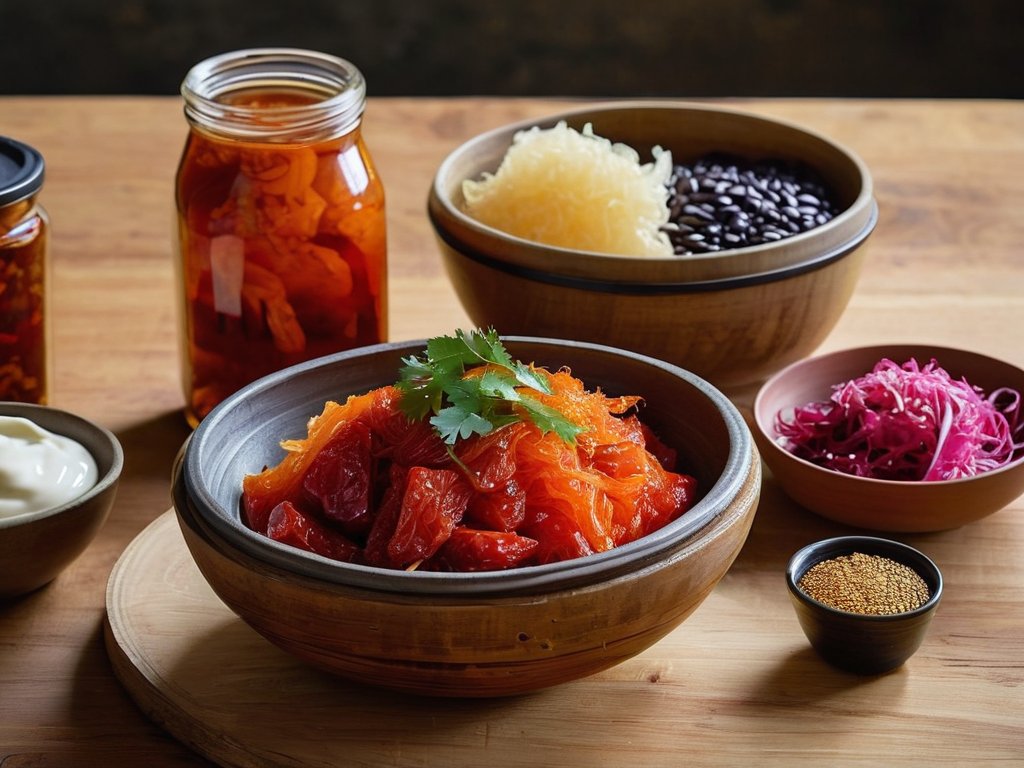
Imagine me, elbows pressed against a rust‑stained tin barrel in a cramped Seoul alley, the air thick with the sharp scent of fermenting cabbage. I was there not as a tourist, but as a former diplomat turned journalist, chasing the real story behind the myth that fermented foods are only for the adventurous palate. The truth? Global fermented foods are as ordinary as the bread on your table, yet they carry centuries of migration, trade, and whispered family recipes. That night, a single bite of kimchi taught me that the world’s kitchens are connected by microbes, not borders.
In the pages that follow I strip away the hype and give you a step‑by‑step roadmap to bring those distant flavors into your own kitchen. You’ll learn how to source safe starter cultures, master the timing for everything from Ethiopian injera to Mexican pulque, and troubleshoot the most common pitfalls—like over‑salting or unwanted mold. Along the way I’ll sprinkle in the cultural anecdotes that made each bite meaningful, so you end up with dishes that are technically sound and rich in story. Ready to ferment your curiosity into competence?
Table of Contents
- Project Overview
- Step-by-Step Instructions
- Global Fermented Foods Stories Connecting Cultures and Health
- Starter Cultures and Traditional Pickling Techniques Worldwide
- Unearthing Health Benefits of Fermented Foods Across Continents
- Key Takeaways: Fermentation’s Global Impact
- Fermenting Bridges Across Borders
- Conclusion: Fermenting Connections Across the Globe
- Frequently Asked Questions
Project Overview

Total Time: 1 week to 1 month (including fermentation time)
Estimated Cost: $30 – $70
Difficulty Level: Intermediate
Tools Required
- Glass Fermentation Jar (2-liter capacity, with lid)
- Fermentation Weight (to keep food submerged)
- Cheesecloth (covers jar opening)
- Kitchen Scale (for precise measurements)
- Large Mixing Bowl
- Funnel (for transferring liquids)
- Thermometer (optional, for temperature control)
Supplies & Materials
- Sea Salt (non-iodized)
- Cabbage (for sauerkraut and kimchi)
- Garlic & Ginger (flavor base)
- Korean Red Pepper Flakes (for kimchi)
- Green Tea Bags (for kombucha)
- Sugar (for kombucha)
- SCOBY (symbiotic culture for kombucha)
- Soybeans (for miso)
- Miso Paste Starter (or a small amount of existing miso)
- Tempeh Starter Culture (Rhizopus spores)
- Rice or Wheat Flour (for starter cultures)
Step-by-Step Instructions
- 1. First, pick a corner of the world that calls to you—maybe the bustling night markets of Bangkok or a quiet hillside village in the Andes. I always start by sketching a quick map in my notebook, noting the climate, staple crops, and any festivals that celebrate food. This little visual anchor keeps my research grounded and sparks the curiosity that fuels the whole journey.
- 2. Next, dive into the local lore. I spend afternoons sipping tea with elders, listening to stories about how their ancestors discovered spontaneous fermentation in earthen jars. Jot down the names of the microbes they revere, the legends behind each recipe, and any taboos—these cultural nuances become the heartbeat of the guide.
- 3. Then, gather authentic ingredients from markets, farms, or even a neighbor’s garden. I prefer sourcing directly from the hands that have cultivated them for generations, because the terroir of the soil and the rhythm of the seasons impart flavors no supermarket can mimic. Keep a simple spreadsheet: ingredient, origin, and any prep rituals you observed.
- 4. Now, craft your starter culture using the methods you documented—whether it’s a splash of whey from homemade cheese, a handful of wild leaves, or a sliver of aged bread. I always label the container with the date, location, and a brief note on the ambient temperature, then set it aside in a spot that mimics the original environment (cool cellar, sun‑warmed windowsill, etc.).
- 5. After the starter is bubbling, begin the fermentation by mixing it with your chosen base—cabbage, soybeans, milk, you name it. Follow the local ratios you learned, but stay flexible; I like to taste every few hours, noting how the aroma shifts. Record the time, temperature, and any visual cues (foam, bubbles) in a dedicated journal.
- 6. When the flavors have matured to your liking, pause the process by refrigerating or drying, just as the community does to preserve the product for winter. I love photographing the final texture and writing a short narrative that captures the moment—who taught me the technique, what music played in the background, the feeling of anticipation.
- 7. Finally, share the story through a multimedia guide: a downloadable PDF with step‑by‑step photos, a short video of the fermentation timeline, and a personal essay that weaves together the science, the culture, and my own reflections. I always include a “Try it at home” box with local ingredient substitutes, so readers anywhere can taste a piece of that distant kitchen.
Global Fermented Foods Stories Connecting Cultures and Health
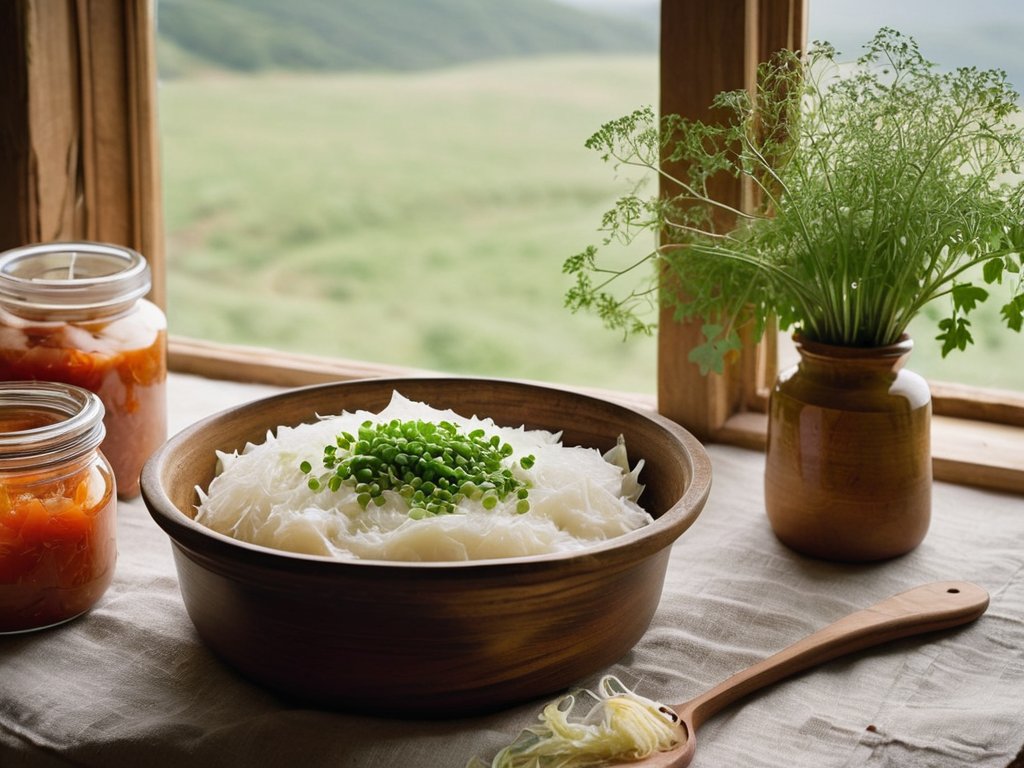
When I trekked through the mist‑clad valleys of Georgia, a tiny family kitchen welcomed me with the earthy aroma of mkhali, a walnut‑laden, probiotic‑rich fermented cheese. Sharing a spoonful with my host, I learned that the same health benefits of fermented foods—enhanced digestion, immune modulation, even mood uplift—are whispered across continents, from kimchi jars in Seoul to sauerkraut barrels in Berlin. The secret, I discovered, lies not just in the vegetables themselves but in the living cultures we nurture: a handful of whey, a slice of sourdough starter, or a pinch of wild yeast that kick‑starts the microbial dance.
In Oaxaca, I was invited to sip tepache made from fermented pineapple skins, a tart elixir that sits beside mole on any celebration table. Across the world, regional fermented beverages like Korea’s makgeolli or Ethiopia’s tej serve as social glue, their low‑alcohol content perfect for long conversations. What ties them together is a shared respect for traditional pickling techniques worldwide—slow, sun‑drying, wooden barrels or earthen pots—that coax subtle flavors while preserving micronutrients that modern diets often lack.
Safety tip: keep fermentation starter cultures refrigerated, and trust your senses before consuming.
Starter Cultures and Traditional Pickling Techniques Worldwide
When I trekked the mist‑clad valleys of Gyeongju, a kindly grandmother welcomed me into her cool stone cellar to watch kimchi ferment. She explained that the magic starts not with a commercial starter but with the wild lactobacilli already on napa cabbage, daikon and the sea‑salt brine. A handful of crushed garlic, ginger and fermented shrimp creates a micro‑ecosystem that, over weeks, turns crisp greens into a tangy, probiotic chorus.
Halfway across the world, in the rice‑paddies of rural Japan, I learned the art of nukazuke—vegetables buried in a living bed of rice bran, koji, and sea water. The starter, called “taku,” is refreshed monthly, sustaining the same Lactobacillus and Bacillus community that gives the pickles their earthy depth. In Punjab, mustard‑seed oil and hot chilies kick‑start achar, while sun‑dried mango skins provide yeasts that mellow the heat into a shelf‑stable jam.
Unearthing Health Benefits of Fermented Foods Across Continents
From the sun‑kissed terraces of Oaxaca to the mist‑laden markets of Seoul, I’ve watched how a single spoonful of fermented fare can feel like a health treaty between bodies and cultures. In Mexico, the probiotic punch of pulque—made from agave sap—has been credited by local healers for soothing digestive woes and easing allergies, a claim echoed in recent microbiome studies that highlight its rich lactobacilli diversity. Halfway across the globe, my grandmother in the Korean countryside swears by kimchi’s fiery crunch to keep her joints supple, a benefit now linked to anti‑inflammatory compounds produced during lactic fermentation. Meanwhile, in the highlands of Ethiopia, the injera, naturally fermented by wild yeasts, supplies B‑vitamins that support energy metabolism. These stories remind me that the health wisdom embedded in fermented foods is as varied and interconnected as the peoples who nurture them.
Key Takeaways: Fermentation’s Global Impact
Fermented foods are cultural bridges—each bite carries a story, a tradition, and a shared human pulse across continents.
Traditional starter cultures and pickling methods are region‑specific treasures that can be respectfully adapted at home, preserving both flavor and heritage.
A modest daily dose of fermented foods not only nurtures gut health but also invites conversations that connect us to the wider world.
Fermenting Bridges Across Borders

In every bubbling jar, from kimchi in Seoul to kvass in Kyiv, lies a silent dialogue—a shared breath of microbes that reminds us cultures taste better when they’re allowed to ferment together.
Alexandra Thompson
Conclusion: Fermenting Connections Across the Globe
I’ve walked the bustling night markets of Seoul, the sun‑baked villages of the Balkans, and the riverbanks of Oaxaca, tasting the same living organisms that turn cabbage into kimchi, cabbage into sauerkraut, and milk into kefir. Along the way we discovered that fermentation is both a science and a story, preserving nutrients while encoding the rhythms of each community’s calendar. From the lactic‑acid bacteria that keep Ethiopian injera airy to the wild yeasts coaxed from French wooden barrels, starter cultures act as cultural passports. And the health chapter reminded us that those humble microbes can support gut balance, immunity, and even mental well‑being—proof that food can be medicine and memory at once, a true taste of heritage.
Standing at the crossroads of these bubbling jars, I feel a quiet invitation: to let our kitchens become laboratories of empathy, and our plates become maps of shared humanity. When we invite a neighbor to share a jar of homemade miso or a story about a family‑run kombucha brew, we are trading more than flavor—we are exchanging resilience, history, and hope. So I challenge you, fellow travelers of taste, to seek out a fermentation tradition you haven’t yet met, to nurture its starter, and to pass the story forward. In doing so, we keep the world’s oldest dialogue alive—one delicious, bubbling conversation at a time.
Frequently Asked Questions
How can I start fermenting at home using traditional methods from different cultures?
I started my own little fermentation lab in a Delhi‑style stone jar and a London pantry shelf. First, pick a culture you love: Korean kimchi, Japanese miso, or Polish sauerkraut. Gather the core ingredients, then add the native starter—sea salt for sauerkraut, brine from previous batches for kimchi, or a spoonful of koji for miso. Keep the vessel at the temperature the tradition calls for, cover lightly, and let time do the talking.
What are the most surprising health benefits linked to fermented foods in various regions?
Traveling the world showed me that fermented foods do more than aid digestion. In Korea, kimchi’s Lactobacillus strains have been linked to lower anxiety and deeper sleep—a “spicy calm” locals swear by. In the Balkans, sauerkraut’s glucosinolates can help lower blood pressure, while Japanese miso’s umami peptides may protect against age‑related muscle loss. Even Ethiopian injera, fermented from teff, appears to boost skin elasticity by increasing collagen‑supporting B‑vitamins. These hidden benefits remind me how microbes quietly shape our health.
Where can I find authentic starter cultures or learn traditional pickling techniques while traveling?
On my recent trips I chase the places where fermentation is a ritual. In Osaka’s Nishiki Market the seasoned fishmongers will hand me a pinch of koji spores if I share a story of my own. In Znojmo, Czech Republic, the local dairy co‑op runs weekend kefir‑grain workshops. In Oaxaca’s community kitchens, grandmothers guide me through wild tepache from pineapple skins. Seek out cooking schools, farmer‑co‑ops, or homestay hosts with a fermenting corner—they’re often the most generous teachers.