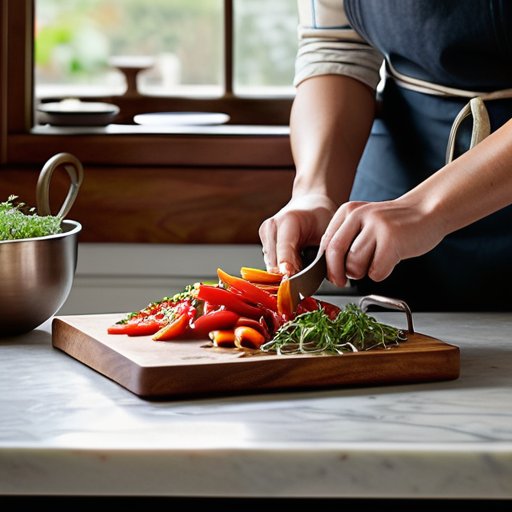
I was halfway through an evening in Delhi, the stove humming like a drum, when a neighbour knocked on my door with a handful of fresh mangoes and a question: “Do you ever feel like cooking at home is just another chore?” I laughed, because that myth—“home‑cooked meals are always a time‑sink”—has haunted me on more than one diplomatic posting. In truth, the moment I tossed those mangoes into a simmering coconut‑lime sauce, the kitchen became a passport, turning a routine task into a cross‑border conversation.
In the next few minutes you’ll get my roadmap for turning any kitchen—whether a cramped London flat or a sun‑baked terrace in New Delhi—into a ground for flavor, budget, and storytelling. I’ll walk you through three essential steps: (1) a seven‑day pantry audit that saves time and rupees, (2) a “one‑pot global” technique so you can serve a Moroccan tagine or Korean bibimbap without juggling ten pans, and (3) a quick “story‑swap” ritual that turns each meal into a diplomatic briefing for friends. By the end, you’ll see that cooking at home isn’t a chore—it’s a passport you can stamp daily.
Table of Contents
Project Overview
Total Time: 2-3 hours
Estimated Cost: $30-$70
Difficulty Level: Beginner
Tools Required
- Chef’s knife – essential for chopping and slicing
- Cutting board – provides a stable surface and protects countertops
- Non‑stick skillet – ideal for sautéing vegetables and proteins
- Saucepan – for boiling pasta, rice, or sauces
- Measuring cups and spoons – ensure accurate ingredient quantities
- Mixing bowls – for combining ingredients
Supplies & Materials
- Olive oil – 2‑3 tbsp
- Salt and pepper – to taste
- Assorted vegetables (e.g., bell peppers, onions, carrots) – 2‑3 cups, chopped
- Protein (chicken, tofu, or beans) – 1‑2 cups, cooked or raw
- Pasta or rice – 1 cup dry
- Garlic cloves – 2‑3, minced
- Fresh herbs (e.g., basil, parsley) – optional garnish, a handful
Step-by-Step Instructions
- 1. Gather your story‑ingredients. Before you even fire up the stove, take a moment to inventory what you have in your pantry and fridge, and think about the cultural roots of each item. Maybe that cumin came from a market stall in Marrakech, or the rice you’re about to cook was a gift from a friend in Kyoto. Jot down a quick list, double‑check expiration dates, and set aside any spices that spark curiosity—you’ll be weaving them into your culinary narrative later.
- 2. Set the stage for a global kitchen. Clear a workspace that feels inviting: a woven rug, a small potted herb, perhaps a vintage globe from your collection perched on the counter. As you arrange your tools—chef’s knife, wooden spoon, and a well‑worn cutting board—imagine the hands that have used similar implements across continents. This mental framing turns a routine prep into a quiet homage to the countless kitchens that came before yours.
- 3. Prep with purpose. Chop, slice, and zest with intention. While you dice the onion, recall how its layers echo the layers of history in a bustling Indian bazaar. If you’re mincing garlic, consider the ancient trade routes that brought it to your kitchen. Take a breath, listen to the rhythm of your knife, and let the scent of fresh herbs remind you that cooking is as much about storytelling as it is about flavor.
- 4. Cook mindfully, respecting each ingredient’s journey. Heat your pan, add a splash of oil, and let it shimmer like a sunrise over the Mediterranean. Introduce aromatics in the order they would meet in a traditional dish—first the onion, then the spices, followed by the main protein or vegetables. Stir gently, tasting as you go, and adjust seasoning with a pinch of curiosity, remembering that a dash of salt can be a bridge between distant palates.
- 5. Plate with a passport stamp of presentation. Once your dish is ready, think about how you’ll serve it. Use a plate that tells a story—a hand‑painted ceramic from Oaxaca, a bamboo platter from Vietnam, or a simple wooden board that feels timeless. Arrange the food artfully, perhaps garnishing with fresh cilantro or a squeeze of lemon, and consider adding a handwritten note about the dish’s cultural origins for anyone sharing the table.
- 6. Share, reflect, and invite dialogue. Invite friends, family, or neighbors to taste your creation. As you serve, narrate the journey of each ingredient: “This turmeric was sourced from a cooperative in Sri Lanka, supporting women farmers.” Encourage your guests to ask questions, swap their own food memories, and perhaps contribute a spice or technique from their own heritage. In doing so, your home‑cooked meal becomes a conversation starter, turning a simple dinner into a global exchange.
Cooking at Home Budget Friendly Meals Global Stories
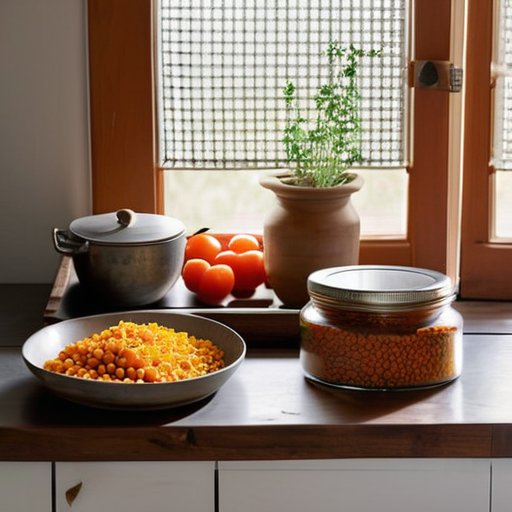
When the grocery list is trimmed to a handful of staples, budget‑friendly home meals become a playground for storytelling. I start each week by pulling out a modest bag of lentils, a tub of canned tomatoes, and a jar of smoked paprika I snagged at a market in Marrakech. From there, I spin easy weeknight dinner ideas—a one‑pot chickpea stew or a quick stir‑fry with frozen peas—into dishes that stretch a dollar and a memory alike. The real secret, though, is to prep a “spice carousel” on a small tray: a pinch of cumin for a Moroccan tagine, a dash of turmeric for a Thai coconut soup, and a sprinkle of dried oregano for a simple Italian pasta. By rotating these flavors, the pantry becomes a passport without leaving the doorway.
Beyond flavor, the way we how to organize a home kitchen can turn a busy weekday into a culinary conversation. I keep a clear bin for my most‑used herbs, label containers with both the spice name and the country that inspired it, and reserve a drawer for “prep‑ready” veggies sliced the night before. This habit dovetails nicely with meal prep strategies for busy families, letting me toss together a quinoa‑black bean bowl while a toddler watches a documentary about street food in Bangkok. The result is a dinner that feels like an overseas market stall, proof that frugality and global curiosity can share a simmering pot.
Easy Weeknight Dinner Ideas for Busy Families
One of my meals after a diplomatic briefing ends at 6 p.m. is a one‑pot Moroccan chickpea tagine. I toss chickpeas, diced carrots, a handful of dried apricots, and a spoonful of ras el hanout into a saucepan, let it simmer while the kids finish homework, and serve it over couscous that cooks in the same pot. The dish comes together in under thirty minutes, costs less than a take‑out pizza, and instantly transports the family to a bustling souk in Marrakech.
Another favorite is a 15‑minute Japanese yakisoba. I stir‑fry leftover noodles with sliced cabbage, a splash of soy sauce, and a drizzle of mirin, then sprinkle toasted nori and sesame seeds on top. As wok sizzles, I share a story of a street vendor I met in Osaka, reminding my children that simple dinner can be a passport—on a Tuesday night together.
Essential Spices for Home Chefs a Global Palette
Each spice jar feels like a tiny passport. A pinch of Ethiopian berbere can turn plain lentils into an Addis market memory, while Japanese shichimi togarashi transforms roasted potatoes into an Osaka street‑food moment. For pennies, a cabinet delivers continents: turmeric for Indian dal, smoked paprika for smoky Spanish paella, and dried rose petals to finish a Persian pilaf. Rotating these staples turns any budget‑friendly weeknight into a story worth sharing.
To keep this culinary atlas, I arrange my spice shelf by region, each jar tagged with a note about where I first met it. A tidy, airtight collection preserves flavor and invites experiments—yesterday’s cumin‑sprinkled carrots reminded me of a rooftop dinner in Marrakech, today’s pinch of za’atar sparked a chat about Mediterranean trade routes. In this way, a single seasoning becomes a conversation starter, turning any home‑cooked meal into a global dialogue.
Stirring Up Home Kitchen Magic
- Treat pantry staples as passport stamps—stock beans, rice, and canned tomatoes to launch any cuisine.
- Keep a “spice passport” notebook to record the origins, aromas, and favorite pairings of each new spice you discover.
- Designate a weekly “world‑theme night” where the menu, music, and even table décor echo a different country.
- Turn cooking into a family expedition—assign each person a station, share a story from the region you’re exploring, and taste together.
- Give leftovers a second act by reinventing them into soups, frittatas, or grain bowls, letting yesterday’s dinner become today’s culinary tale.
Three Takeaways to Keep Your Kitchen Globally Connected
Stock a “passport pantry” of versatile spices so a single jar can transport you from Marrakech to Manila in minutes.
Repurpose leftovers into culturally inspired dishes, proving that frugality can also be a storytelling tool.
Host a family “flavor‑swap” night, letting each person bring a spice or recipe from a place they love, turning dinner into a mini cultural exchange.
A Kitchen as a World Map
Every time I stir a pot at home, I’m charting a new route across continents—spices become compass points, and the humble kitchen turns into a passport.
Alexandra Thompson
Wrapping It All Up
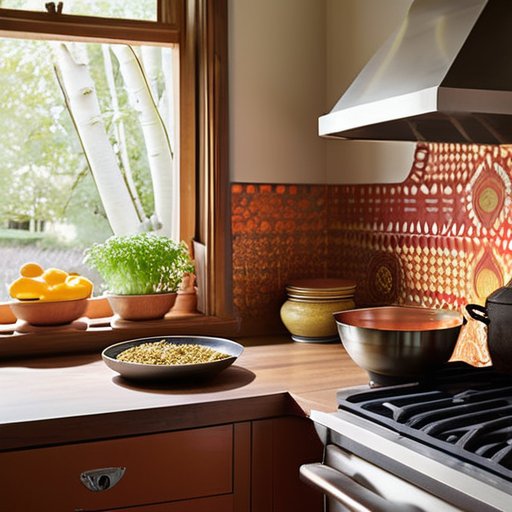
Looking back on our culinary tour, we’ve seen how a simple stovetop can become a passport to distant markets. By planning budget‑friendly meals we keep the pantry full without emptying the wallet, while the list of essential spices—cumin from Morocco, sumac from the Levant, or smoked paprika from Spain—reminds us that a single pinch can transport a family dinner to another continent. The quick weeknight recipes showed that even the busiest households can stir up a fragrant biryani, a quick stir‑fry, or a comforting bowl of ramen with minimal prep. In short, the guide proved that good food and good stories belong to the same skillet.
Beyond the recipe cards, the real takeaway is that your kitchen can double as a diplomatic mission. When you sprinkle a foreign spice or share a family‑style noodle bowl, you are extending an invitation to dialogue, reminding us that borders dissolve over simmering pots. I invite you to treat each grocery run as a scouting expedition, each dinner table as a round‑table conference, and every leftover as a seed for tomorrow’s cross‑cultural experiment. Let the aromas that rise from your stove become the first words of a conversation that stretches from your living room to a rooftop market in Marrakech. In that everyday act, the home kitchen becomes a passport to a world that’s always waiting to be tasted.
Frequently Asked Questions
How can I create a weeknight dinner that feels like a world trip without breaking the bank?
Start with a pantry staple—rice, pasta, or lentils—and pair it with a single spice or sauce from a region you love. A quick stir‑fry with a splash of soy sauce, a pinch of cumin, or a spoonful of harissa instantly turns the dish into a mini‑passport stamp. Add a garnish—fresh cilantro, a squeeze of lime, or toasted sesame seeds—and serve with a story: tell your family where the flavor comes from. The journey costs less than a take‑out order.
What are some simple pantry staples that let me experiment with flavors from different continents?
I keep a globe‑spanning pantry that lets me wander from my kitchen to Marrakech, Osaka, or Oaxaca with a swipe of a spoon. Essentials include olive oil, soy or tamari, coconut milk, canned tomatoes, chickpeas, and lentils. A handful of spices—cumin, smoked paprika, sumac, garam masala, and a pinch of harissa or miso paste—turn a stir‑fry or stew into a world tour. Pair with rice or quinoa, and the journey begins at your table.
How can I involve my family in the cooking process to turn a routine meal into a cultural storytelling moment?
Start by picking a dish that carries a story—perhaps a spice‑laden tagine from Morocco or a Japanese miso soup. Assign each family member a role: the kid can rinse the lentils while you recount how they traveled along the Silk Road, your partner can grind cumin as you explain its ancient trade routes, and together you taste, swapping anecdotes about the regions where those flavors first blossomed. The kitchen becomes a living map of culture.